Source Warm Spring Autumn Denim Jacket for retail, wholesale, and custom branding
Explore 30 listings for the Warm Spring Autumn Denim Jacket, featuring varied materials like cotton and stretch denim, seasonal fits for winter and summer, and customization options. Buyers can compare specifications, MOQs, and packing details to find suitable suppliers.
Key considerations
Products List


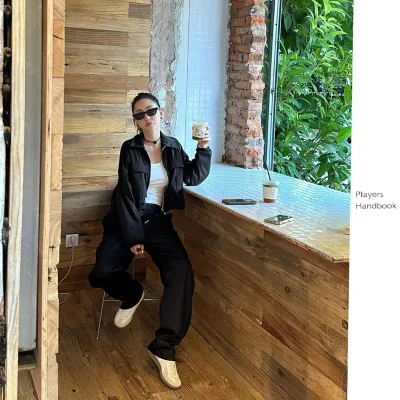
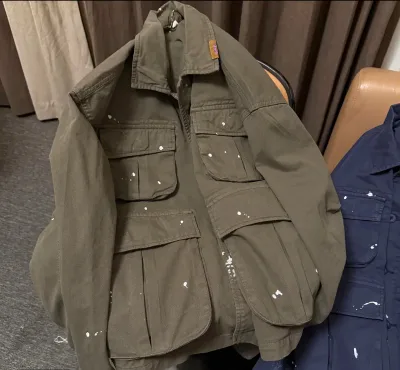
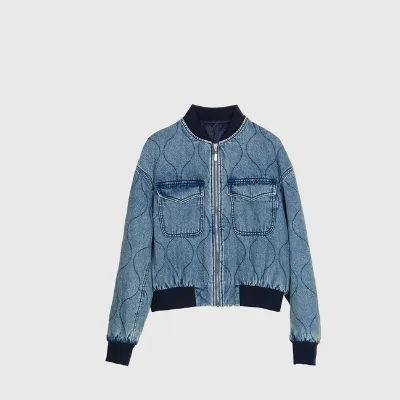


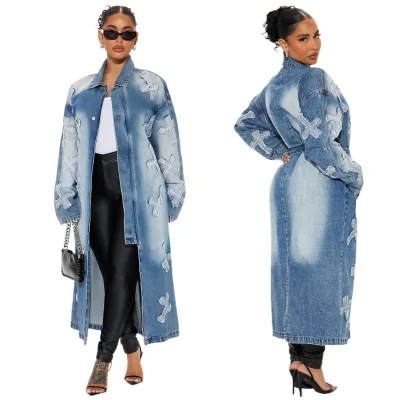

Comprehensive Sourcing Guide
Strategic Sourcing Guide for Warm Spring Autumn Denim Jackets
Understanding Product Attributes and Seasonal Specifications
Sourcing a Warm Spring Autumn Denim Jacket requires a precise alignment of material composition, seasonal suitability, and functional design. The core keyword "Warm Spring Autumn Denim Jacket" implies a garment designed to bridge the temperature gap between winter and summer, offering protection against wind and light rain while maintaining breathability. Based on observed market data, successful procurement begins with verifying the specific seasonal classification. While some listings explicitly categorize products for "Winter" or "Summer," the target segment for this guide focuses on items labeled "Spring / Autumn." This distinction is critical because the thermal properties of the fabric differ significantly between these categories.
The material composition is the primary driver of warmth and comfort. In the observed dataset, materials range from pure "Cotton" to "Stretch Denim" and blends of "Polyester/Cotton." For a warm spring/autumn jacket, a Polyester/Cotton blend is often preferred as it offers the durability of denim with the added benefit of moisture management and structural stability. Pure cotton denim provides a classic feel but may lack the windproofing required for cooler spring mornings. Conversely, "Stretch Denim" offers superior mobility, which is essential for the "Loose" or "Jacket" styles frequently observed in this category. Buyers must verify that the fabric weight and weave density are sufficient to provide insulation without becoming too heavy for transitional weather.
Seasonal alignment also dictates the design features. The "Windproof" and "Breathable" attributes are frequently cited as key features for this specific product type. A jacket intended for spring and autumn must balance thermal retention with air circulation to prevent overheating during active use. The "Anti-Static" feature, also noted in available product data, adds a layer of comfort, particularly in dry transitional seasons where static electricity can be a nuisance. When evaluating listings, procurement teams should prioritize products that explicitly list these functional attributes rather than relying on generic descriptions.
Technical Specifications and Design Variations
Technical specifications for denim jackets vary widely, and understanding these variations is essential for matching the product to the end-user's needs. The dataset reveals a diverse range of model numbers, including specific identifiers like "2604181606," "Molly0212," and "JX-WC240307." These codes often correspond to specific design iterations, fabric treatments, or factory lines. While the model number itself does not dictate quality, it serves as a unique identifier for tracking production consistency and ensuring that the ordered unit matches the approved sample.
Size and fit specifications are equally critical. The observed data includes standard sizing labels such as "L," "M," and broader ranges like "M/L/XL/XXL." However, some listings provide dimensional standards in centimeters, such as "504535cm" or "40405cm," which likely refer to packaging dimensions rather than garment measurements. Buyers must distinguish between packaging standards and actual garment sizing. For a "Unisex" or "Women" specific jacket, the cut and shoulder width will differ. The "Loose" style mentioned in the data suggests a relaxed fit, which is popular for casual wear but requires careful sizing charts to ensure the "Warm" aspect is not compromised by excessive air gaps.
The decorative and structural methods also play a role in the final product's performance. Attributes like "Spliced" decorative methods and "Yarn Dyed" weaving processes indicate a higher level of manufacturing complexity. "Yarn Dyed" denim, where the threads are dyed before weaving, typically results in superior color fastness and a more authentic denim texture compared to piece-dyed alternatives. The "Solid" pattern type is standard for this category, but the "Spliced" technique can add visual interest without compromising the jacket's structural integrity. Additionally, the "Knit" method noted in some specifications suggests a hybrid construction, potentially combining denim panels with knitted sections for flexibility or lining.
Compliance, Certification, and Safety Standards
In the B2B apparel sector, compliance is a non-negotiable aspect of procurement, yet the provided data does not list specific certification statuses such as OEKO-TEX, GRS, or ISO 9001. This absence necessitates a proactive approach from the buyer. When sourcing denim jackets from regions like China, as indicated by the product origin data, it is imperative to verify that the supplier adheres to international safety and environmental standards. The "Polyester/Cotton" and "Denim" materials must be free from harmful substances, particularly azo dyes and formaldehyde, which are common concerns in textile manufacturing.
Buyers should request test reports for color fastness, shrinkage, and tensile strength. The "Windproof" and "Breathable" claims require physical verification through standard testing protocols, such as those defined by AATCC or ISO. Without explicit certification data in the product listing, the buyer must treat these claims as observations that require validation. The "Anti-Static" feature, while beneficial, should be backed by specific resistance level data to ensure it meets the requirements of the target market.
Furthermore, the "OEM" (Original Equipment Manufacturer) service availability indicates that the supplier is capable of customizing the product. This customization capability often extends to labeling, packaging, and compliance documentation. Buyers utilizing OEM services should ensure that the supplier's quality management system is certified, as this often correlates with better adherence to safety standards. The "Carton" and "PP Bag" packaging methods observed in the data must also comply with import regulations regarding plastic usage and labeling requirements in the destination country.
Cost Drivers and Pricing Dynamics
The pricing for warm spring autumn denim jackets is influenced by a complex interplay of material costs, customization levels, and order volume. The observed price range in the market spans from $0.50 to $42.78 USD, a variance that reflects differences in quality, brand positioning, and production complexity. The lower end of this spectrum likely corresponds to basic "Blank Jacket" models with minimal customization and standard cotton or polyester blends. In contrast, the higher price points may reflect premium "Stretch Denim," intricate "Spliced" designs, or specialized "Yarn Dyed" processes.
The Minimum Order Quantity (MOQ) is a significant cost driver. The data shows an MOQ range of 2 to 500 units, with a specific high-confidence fact noting an MOQ of 100 PCS for certain listings. For buyers seeking to minimize upfront capital, suppliers with lower MOQs are advantageous, though they may command a higher unit price. Conversely, larger orders often unlock economies of scale, reducing the per-unit cost. The "Sample" availability is a crucial factor in the procurement process; while samples allow for quality verification, they add to the initial cost. Buyers should negotiate sample fees to be deducted from the final bulk order if the sample meets all specifications.
Customization is another key variable affecting cost. The "OEM" service allows for branding, specific color choices like "White" or "Blue," and tailored packaging. Each layer of customization adds to the production time and cost. The "Carton" versus "Poly Bag" or "Sack" packaging also impacts logistics costs. Bulky packaging like cartons increases shipping volume and weight, potentially raising freight charges compared to compact "One Piece in a PP Bag" solutions. Buyers must balance the desire for premium packaging with the need to keep the landed cost competitive.
Supplier Evaluation and Operational Capabilities
Evaluating a supplier for denim jacket production requires a holistic view of their operational capabilities, beyond just the product listing. The "Service" attribute of "OEM" suggests a willingness to collaborate, but the depth of this service varies. A robust supplier should offer end-to-end support, from design consultation to final shipping. The "Sample" availability is a positive indicator, suggesting the supplier has the infrastructure to produce small batches for testing. However, buyers should verify the turnaround time for samples to ensure it aligns with their product development timeline.
The "Season" attribute in the data, ranging from "Winter" to "Summer," indicates that some suppliers may have broad production lines. For a specific "Spring / Autumn" order, it is vital to confirm that the supplier has dedicated expertise in transitional weather garments. A supplier who primarily produces heavy winter coats may not have the specific fabric weights or lining techniques required for a warm spring jacket. The "Unisex" and "Women" gender specifications suggest that the supplier has experience in diverse sizing and cutting patterns.
Location is another critical factor. The "China" origin is a dominant source for denim apparel, offering a mature supply chain and competitive labor costs. However, buyers should verify the specific region within China, as different provinces have varying strengths in textile manufacturing. For instance, some regions may specialize in denim weaving, while others excel in garment assembly. The "Lead time" is not explicitly provided in the data, but buyers should anticipate a range based on order complexity. Customized "OEM" orders typically require longer lead times than standard "Blank Jacket" purchases.
Quality Control and Long-Term Procurement Strategy
Implementing a rigorous quality control (QC) strategy is essential for maintaining product consistency, especially when dealing with a wide price range and varying material specifications. The "Material" variations, from "Cotton" to "Stretch Denim," require different QC checks. For example, "Stretch Denim" must be tested for elasticity recovery to ensure the jacket retains its shape after wear. "Yarn Dyed" fabrics require strict color consistency checks to avoid shade variations between batches. The "Pattern Type: Solid" simplifies visual inspection but does not negate the need for thorough fabric testing.
Packaging standards also play a role in quality assurance. The observed data includes "Carton," "1PCS Per Poly Bag, Fit in a Box," and "One Piece in a PP Bag." Each method has implications for product protection during transit. A "Carton" offers superior protection against crushing but may be prone to moisture damage if not properly sealed. A "PP Bag" is cost-effective but offers less protection. Buyers should specify packaging requirements in the contract to ensure the product arrives in sellable condition.
For long-term procurement, building a relationship with a reliable supplier is key. The "Customization: Available" attribute indicates flexibility, which is valuable for adapting to market trends. Buyers should aim to establish a partnership where the supplier understands their specific quality benchmarks and design preferences. Regular communication and on-site audits can help maintain high standards. Additionally, monitoring the "Model" numbers and ensuring they remain consistent across orders helps in tracking production history and resolving any quality issues that may arise.
Comparative Analysis of Product Options
To facilitate decision-making, the following table summarizes the key attributes observed in the market for warm spring autumn denim jackets. This comparison highlights the diversity in specifications and helps buyers identify the most suitable options for their specific needs.
| Attribute | Option A: Classic Cotton | Option B: Stretch Denim | Option C: Polyester/Cotton Blend |
|---|---|---|---|
| Primary Material | Cotton | Stretch Denim | Polyester/Cotton |
| Season | Spring / Autumn | Spring / Autumn | Spring / Autumn |
| Key Feature | Breathable, Classic Feel | Windproof, Flexible | Windproof, Durable |
| Style | Loose, Casual | Loose, Casual | Jacket, Casual |
| Packaging | Carton | Poly Bag | PP Bag |
| Customization | OEM Available | OEM Available | OEM Available |
| MOQ | 100 PCS | Variable (2-500) | Variable (2-500) |
| Color | Blue, White | Blue | Blue |
This table illustrates that while the core function remains the same, the material choice significantly impacts the jacket's performance and feel. Option A offers a traditional look, Option B provides superior comfort and movement, and Option C balances durability with cost. Buyers should select the option that best aligns with their target customer's expectations and the specific environmental conditions of their market.
In conclusion, sourcing a Warm Spring Autumn Denim Jacket requires a meticulous approach to verifying specifications, ensuring compliance, and evaluating supplier capabilities. By focusing on the technical details and maintaining a rigorous quality control process, buyers can secure high-quality products that meet the demands of the transitional season market.
FAQs
Can I get a sample of the Warm Spring Autumn Denim Jacket before bulk order?
Yes, samples are available for verification before placing a bulk order. This allows you to check the material quality, such as the Polyester/Cotton blend or Stretch Denim, and confirm the fit before committing to the minimum order quantity of 100 pieces.
What customization options are available for the denim jacket style?
Customization is available through OEM services for branding and design. You can specify details like the color, such as Blue or White, and request specific packaging like cartons or poly bags to match your brand requirements while maintaining the loose or jacket style.
Which materials are used for the Warm Spring Autumn Denim Jacket?
The jackets are primarily made from Cotton, Stretch Denim, or a Polyester/Cotton blend. These materials are selected to provide the necessary warmth and breathability for spring and autumn seasons while ensuring durability and comfort for adult unisex or women users.
How is the product packed for shipment from China?
Packaging varies by model but includes options like one piece per poly bag, carton, or sack. Some items are packed to fit in a box with specific dimensions, ensuring the garment is protected during transit while optimizing shipping volume for your order size.
What is the minimum order quantity for the denim jacket?
The minimum order quantity is typically 100 pieces for standard listings. However, some suppliers may accept orders as low as 2 pieces, while others require up to 500 pieces, so you must verify the specific MOQ for the model you select.
Can the jacket be customized with specific sizes like L or M?
Yes, sizes such as L, M, and ranges like M/L/XL/XXL are available for customization. You can request specific sizing standards to ensure the loose or casual fit meets your target audience's needs for both unisex and women-specific apparel.
What features does the Warm Spring Autumn Denim Jacket offer?
The jacket features windproof, breathable, and anti-static properties suitable for transitional weather. These functional attributes ensure comfort during active use while providing protection against wind and static electricity common in spring and autumn climates.