Source Warm Pochita Anime Slippers for Home, Office, and Gifts
Find 30 options for Warm Pochita Anime Slippers to compare materials, sizes, and MOQs. These plush indoor styles offer cartoon-themed comfort for daily wear, office relaxation, and gifting purposes.
Key considerations
Products List
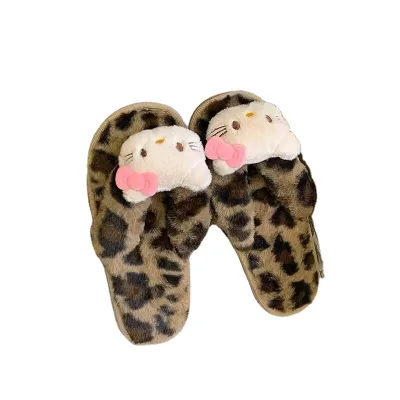
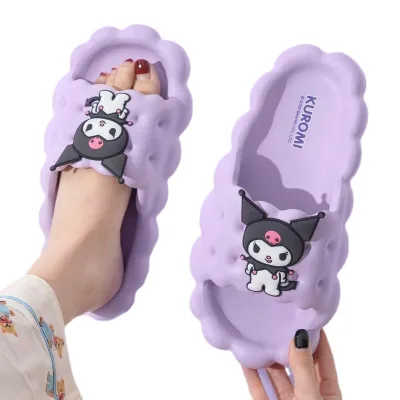
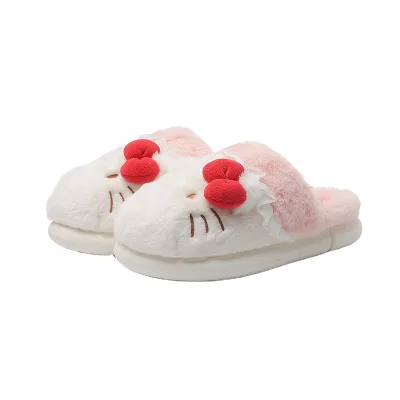
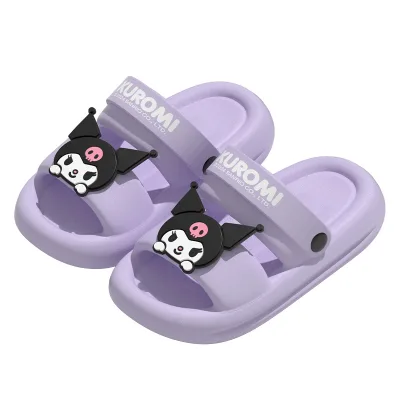
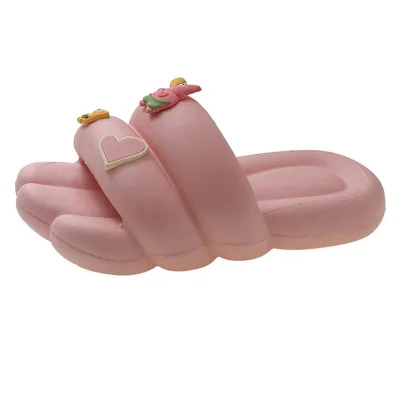
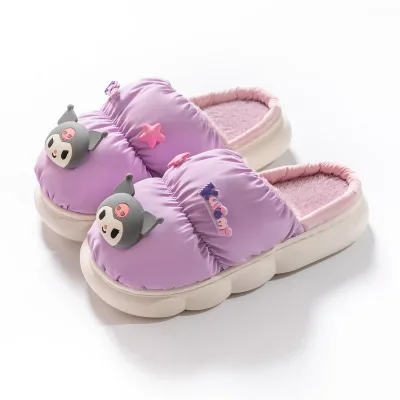
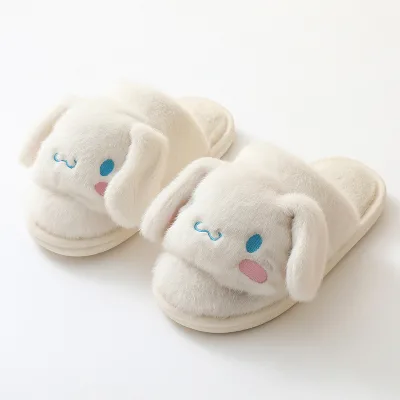


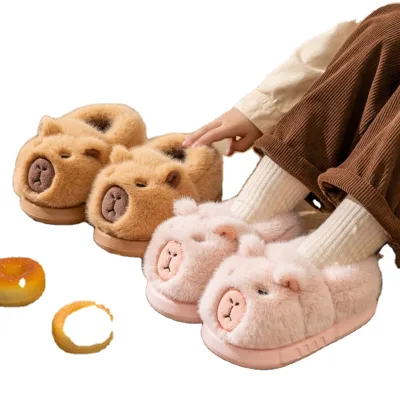
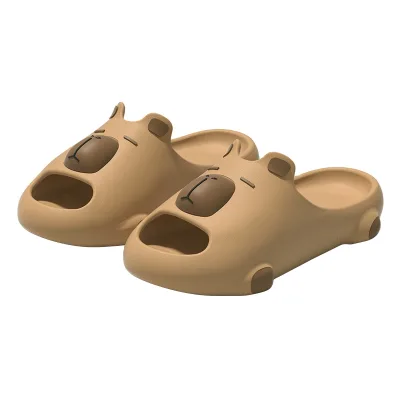
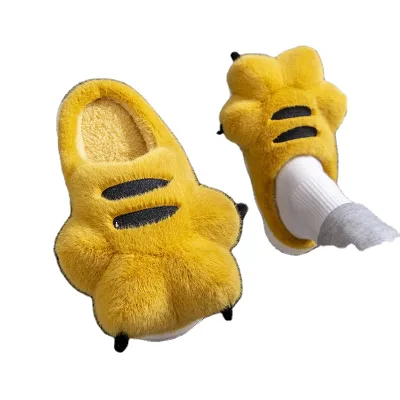
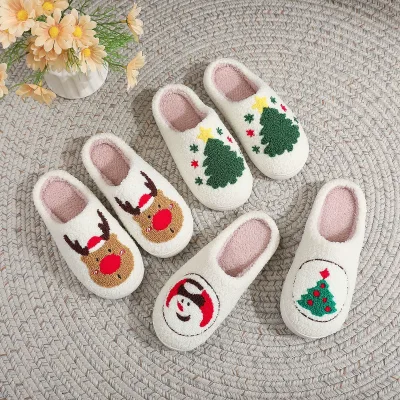


Thick Bottom Warm Plush Slippers Non-Slip Home EVA Plush Cotton Slippers
$1.73 - $2.38
MOQ: 100 pieces




Comprehensive Sourcing Guide
Warm Pochita Anime Slippers Sourcing Guide
Sourcing Warm Pochita Anime Slippers requires a nuanced understanding of the intersection between licensed character merchandise and functional winter footwear. These products are designed to appeal to fans of the Chainsaw Man series, specifically targeting the character Pochita, while providing thermal comfort for indoor or mild outdoor use. Buyers must navigate a market where aesthetic appeal drives initial interest, but material quality and safety compliance determine long-term viability. The following guide outlines the critical verification steps, technical considerations, and commercial terms necessary for successful procurement of this specific product category.
The procurement process for character-themed slippers involves balancing creative design elements with standard footwear manufacturing constraints. While the visual identity is paramount, the underlying construction must meet expectations for durability and comfort. This guide focuses on evidence-based verification strategies, ensuring that buyers can distinguish between high-quality licensed goods and generic imitations. By adhering to the structured approach below, sourcing teams can mitigate risks associated with intellectual property disputes, material inconsistencies, and supply chain delays.
Product Scope and Observed Listing Signals
The observed market data indicates a diverse range of listings under the broader category of anime-themed slippers, with prices ranging from $0.95 to $9.35 USD. This wide variance suggests significant differences in material quality, branding authenticity, and manufacturing complexity. Buyers should note that lower price points often correlate with generic designs or unlicensed prints, whereas higher-end listings may feature detailed plush construction and official licensing. The minimum order quantity (MOQ) ranges from 2 to 1,200 units, offering flexibility for both small-scale testing and large-volume distribution. Understanding these signals helps in setting realistic budget expectations and identifying suppliers capable of meeting specific volume requirements.
Product attributes observed in the market include various age ranges, from toddlers to adults, and materials such as short plush, PVC, and PU. Some listings specify "kawaii" styles with cartoon functions, while others emphasize practical features like waterproof outsoles or indoor warmth. The presence of specific model numbers like ML-8, ML-6, and ML-7 indicates that suppliers often maintain distinct SKUs for different design iterations. Buyers should carefully cross-reference these model numbers with visual samples to ensure the product matches the desired Pochita aesthetic. Additionally, packaging details, such as OPP bags, are standard but should be verified for retail readiness, especially if the product is intended for direct-to-consumer sales.
Technical Specifications to Verify
Verifying technical specifications is crucial for ensuring that the slippers meet both functional and aesthetic requirements. Key attributes to confirm include the upper material, lining, and outsole composition. For warm slippers, a plush lining is essential for thermal retention, while the outsole material, often PVC or rubber, determines slip resistance and durability. Buyers should request detailed material breakdowns to ensure that the "short plush" or "other" materials listed are safe for skin contact and suitable for the intended climate. The platform height, observed in some listings as 2-2.5 cm, affects comfort and stability, so this dimension should be validated against ergonomic standards for prolonged wear.
Size consistency is another critical technical factor, with observed EUR sizes ranging from 35-36 to 41. However, discrepancies between listed sizes and actual measurements are common in anime merchandise due to non-standard sizing conventions. Buyers must verify the single package size and gross weight, which impact shipping costs and storage requirements. For instance, a single package size of 10x10x10 cm suggests compact packaging, while larger dimensions like 20x30x8 cm may indicate bulkier designs. Confirming these physical dimensions with the supplier before placing an order prevents unexpected logistics costs and ensures that the product fits within existing distribution channels.
Compliance and Safety Documentation
Compliance and safety are non-negotiable aspects of sourcing footwear, particularly when targeting younger demographics or regions with strict regulatory standards. Buyers must verify that the slippers comply with relevant safety standards for materials, such as restrictions on harmful substances in plastics and textiles. While specific certification statuses are not universally listed, buyers should request test reports for flammability, chemical composition, and physical safety, especially for products marketed towards children. The absence of explicit certification claims in listings does not imply compliance; rather, it necessitates proactive verification through third-party testing agencies.
Intellectual property rights are a significant concern in the anime merchandise sector. Buyers must ensure that the Pochita design is officially licensed to avoid legal repercussions. This involves verifying the supplier's authorization to produce and sell products featuring copyrighted characters. Documentation such as licensing agreements or brand authorization letters should be requested and reviewed by legal counsel. Additionally, buyers should be aware of regional labeling requirements, including country of origin markings and care instructions, which must be accurately displayed on the product or packaging to avoid customs delays or penalties.
Cost Drivers and Commercial Terms
Several factors influence the final cost of Warm Pochita Anime Slippers, including material selection, design complexity, and order volume. The use of premium plush materials and detailed character embroidery or printing increases production costs compared to basic designs. Suppliers may offer tiered pricing based on MOQ, with lower unit costs for larger orders. Buyers should analyze the cost structure to understand how changes in design or material specifications affect the overall budget. It is also important to consider the sample time, which can impact project timelines and initial investment, as some suppliers require up to 15 days for sample production.
Commercial terms such as payment methods, shipping arrangements, and return policies vary among suppliers. Buyers should negotiate clear terms regarding quality assurance and defect resolution to protect their interests. The observed MOQ of 500 pairs for some listings suggests that suppliers may have minimum production runs that affect pricing flexibility. Understanding these terms helps in planning cash flow and inventory management. Additionally, buyers should inquire about the supplier's capacity to handle rush orders or design modifications, as these factors can significantly impact the total cost and delivery schedule.
Supplier Qualification and Quality Control
Supplier qualification is a critical step in ensuring the reliability and consistency of the supply chain. Buyers should assess suppliers based on their production capabilities, quality control processes, and past performance. Factories located in Guangdong and Zhejiang, China, are known for their expertise in footwear and plush toy manufacturing, but due diligence is necessary to verify their operational standards. Requesting factory audits or video tours can provide insights into the production environment and quality management systems. Buyers should also evaluate the supplier's responsiveness and communication skills, as these factors influence the smooth execution of the order.
Quality control measures should be implemented at various stages of production, from material inspection to final packaging. Buyers should define clear quality standards and inspection criteria, including checks for stitching integrity, material consistency, and print accuracy. Third-party inspection services can be engaged to conduct pre-shipment inspections, ensuring that the products meet the agreed-upon specifications. Establishing a robust quality control process helps in minimizing defects and returns, thereby protecting the brand's reputation and customer satisfaction. Regular feedback loops with the supplier can also facilitate continuous improvement and address any emerging issues promptly.
Long-Term Procurement Checks
Long-term procurement success depends on establishing a sustainable and adaptable supply chain. Buyers should regularly review supplier performance metrics, including on-time delivery rates, product quality, and cost competitiveness. Building strong relationships with suppliers can lead to better pricing, priority production, and collaborative innovation. It is also important to stay updated on market trends and consumer preferences, as the anime merchandise sector is highly dynamic. Buyers should explore opportunities for product diversification, such as introducing new character designs or seasonal variations, to maintain customer interest and drive sales.
Risk management strategies should be in place to mitigate potential disruptions in the supply chain. This includes identifying alternative suppliers, maintaining safety stock, and diversifying shipping routes. Buyers should also monitor regulatory changes and intellectual property laws that may impact the production and sale of anime-themed products. By proactively addressing these risks, buyers can ensure the continuity of their operations and protect their market position. Continuous evaluation and adaptation of procurement strategies are essential for long-term success in the competitive footwear and merchandise industry.
FAQs
What materials are used for Warm Pochita Anime Slippers?
These slippers typically use short plush and PVC lining materials for warmth. Some variants feature PU uppers with rubber or PVC outsoles to ensure durability and waterproof performance during indoor or outdoor use.
Which age ranges are suitable for these plush slippers?
The product range covers ages from 3 years up to 14 years and older. Specific options exist for toddlers aged 0 to 24 months, children aged 2 to 4 years, and older groups up to 13 years or adults.
How are these slippers packaged for shipment?
Individual items are packed in OPP bags to protect the plush material during transit. The single package size varies between 10x10x10 cm and 20x30x8 cm depending on the specific model and size selected.
Can I find slippers with specific cartoon character designs?
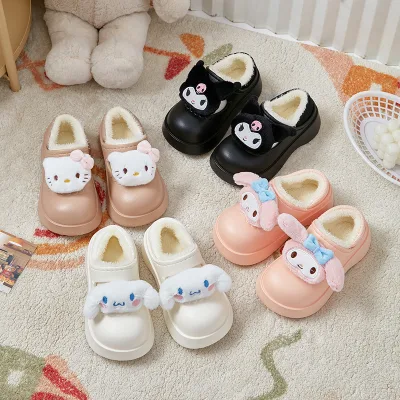
Yes, designs featuring characters like My Melody and Cinnamoroll are available. These items are marketed as kawaii slippers with cartoon functions, offering warm and funny styles suitable for daily indoor life.
What is the typical sample time for these products?
The standard sample time is 15 days for production and delivery. This duration allows for quality checks on materials like plush and PVC before the final bulk order is processed by the manufacturer.
Which locations manufacture these warm slippers?
Manufacturing occurs primarily in Guangdong and Zhejiang provinces in China. These regions supply various models including ML-8 and Toy-01, ensuring consistent quality for both indoor and outdoor slipper styles.
What are the available size options for these slippers?
Sizes range from 24 to 41, covering EUR sizes 35 to 41. Specific groupings include 36-37, 38-39, and 40-41, ensuring a fit for children and adults across different age categories.