Source Washable Invisible Suit Shoulder Pads for suits, jackets, and fashion garments
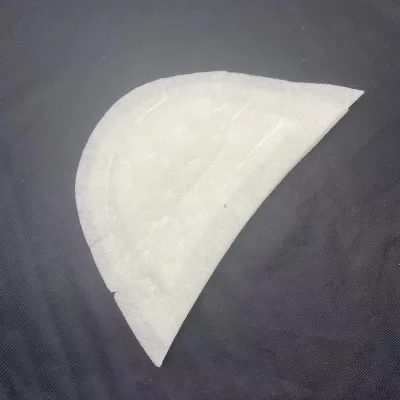
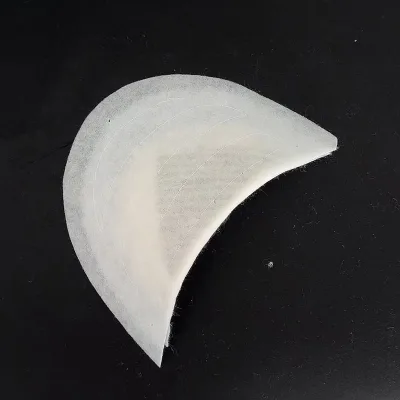
Compare 30 listings of Washable Invisible Suit Shoulder Pads available from Jiangsu suppliers. Buyers can evaluate options featuring polyester or cotton materials, various shapes like half moon or fanshaped, and customizable sizes for suits and ladies fashion clothes.
Key considerations
Products List
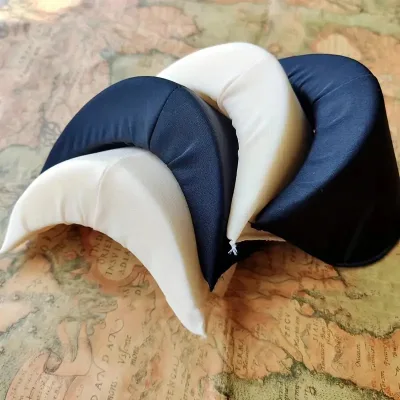
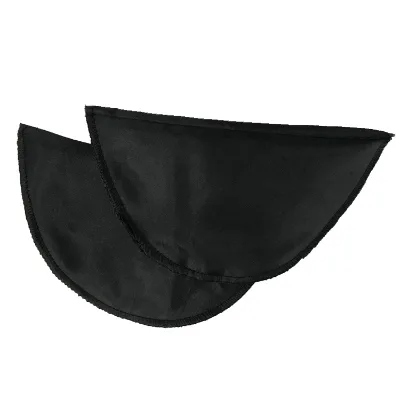
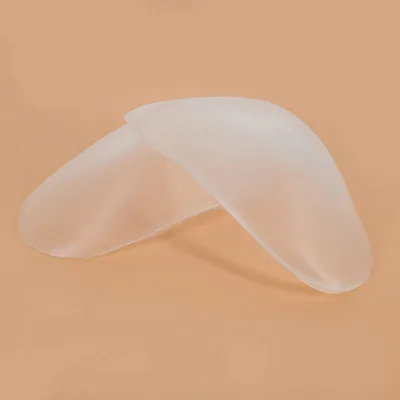

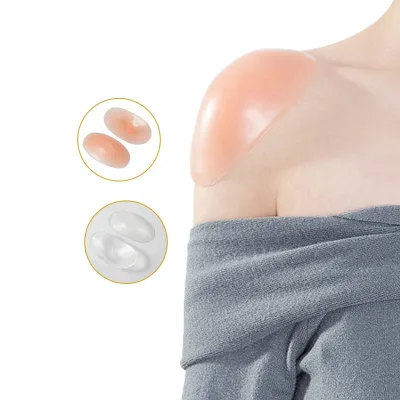

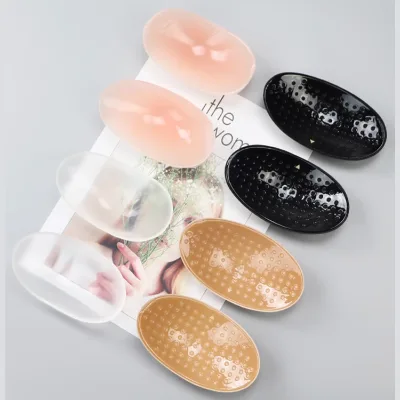


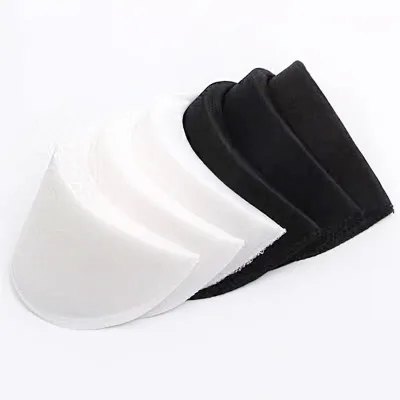
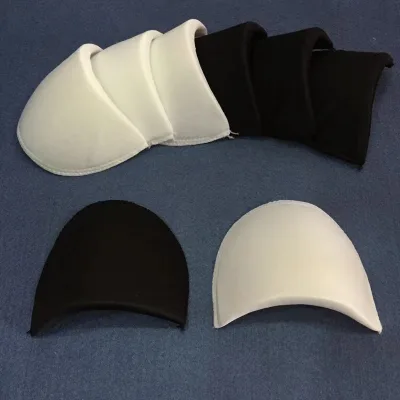

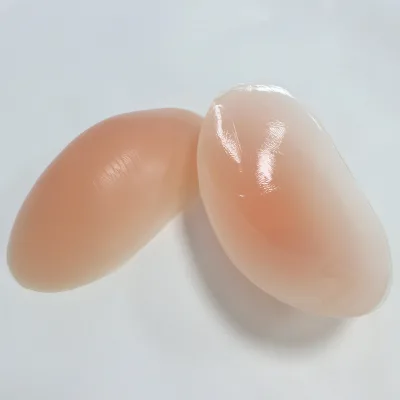


Comprehensive Sourcing Guide
Strategic Sourcing Guide for Washable Invisible Suit Shoulder Pads
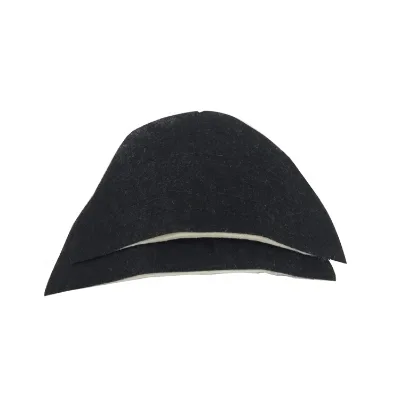
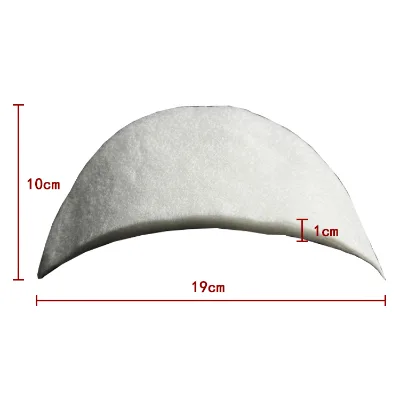
Procuring high-performance shoulder pads for suit manufacturing and fashion garment applications requires a nuanced understanding of material composition, dimensional precision, and supply chain reliability. The market segment for Washable Invisible Suit Shoulder Pads is characterized by a demand for products that maintain structural integrity while remaining undetectable under tailored fabrics. Buyers must navigate a complex landscape of specifications, ranging from half-moon and fanshaped profiles to specific dimensional constraints like 19cm10cm1cm or 23.511.50.8cm. This guide outlines the critical factors for sourcing these components effectively, ensuring that procurement decisions are grounded in verifiable product attributes and industry standards rather than unverified marketing claims.
Technical Specifications and Material Composition
The foundation of a successful procurement strategy lies in the precise definition of technical specifications. For Washable Invisible Suit Shoulder Pads, the material composition is the primary determinant of performance. The observed product attributes indicate a prevalence of 100% Polyester and Polyester/Cotton blends. These materials are selected for their ability to provide the necessary loft and shape retention required for suit jackets while allowing for washability. The "invisible" aspect of the product often relies on the density and texture of the batting, which may be needle-punched 100% cotton or PET material, as noted in specific product descriptions.
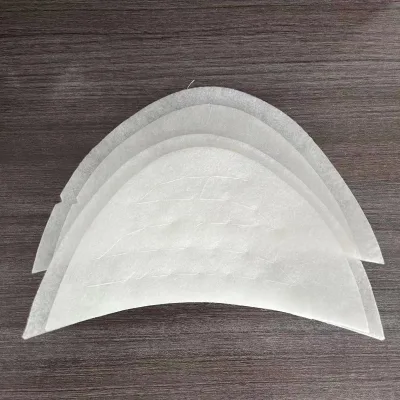
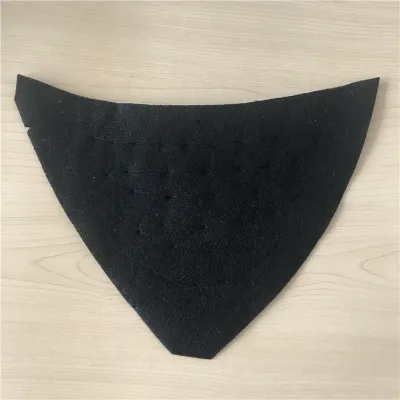
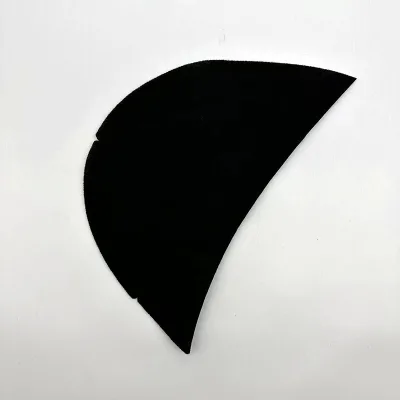
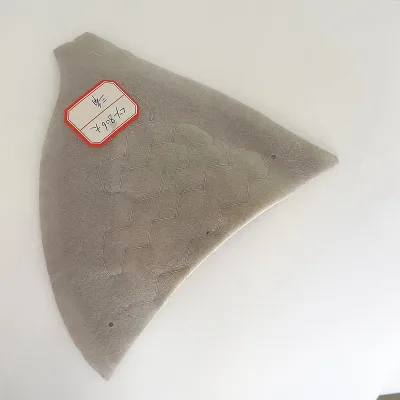
Dimensional accuracy is equally critical. The shoulder pad must fit the garment's armhole and shoulder seam precisely. Available specifications include a range of sizes from Xxs to Xl, as well as specific batch dimensions such as 16124cm and 45X45X50 cm for packaging. The shape of the pad is a key differentiator; the market offers Half Moon and fanshaped variants. The Half Moon shape is typically associated with traditional suit construction, while fanshaped pads may be preferred for specific fashion garment applications. Buyers must verify that the selected model number, such as "700" or "suit shoulder pad," aligns with the intended garment type. Furthermore, the single package size varies significantly, ranging from 80X50X30 cm to 50X70X70 cm, which impacts logistics planning and storage requirements.
Compliance, Certification, and Quality Verification
When sourcing industrial components like shoulder pads, verifying compliance and quality standards is essential to mitigate risk. While specific certification statuses such as ISO 27001 are mentioned in background data, buyers should not assume these apply to every listed product without direct confirmation from the supplier. Instead, the procurement process must focus on verifying the actual quality of the materials and the manufacturing techniques employed.
The technical methods used in production, such as "Knitted Products" or "non woven" techniques, directly influence the final product's durability and washability. Buyers should request evidence that the non-woven or knitted structures maintain their integrity after repeated washing cycles, a critical requirement for "washable" products. The presence of an "Anti-Slip" feature is another attribute that should be verified through testing or sample inspection to ensure the pads do not shift within the garment during wear. Additionally, the "customizable" nature of many products suggests that buyers can request specific modifications to the material or shape, but these customizations must be validated against the supplier's production capabilities before large-scale orders are placed.
Cost Drivers and Pricing Dynamics
Understanding the cost structure of shoulder pads is vital for budgeting and negotiation. The observed price range in the market spans from $0.03 to $450, a variance that reflects differences in material quality, customization levels, and order volume. The primary cost drivers include the material blend (100% Polyester vs. Polyester/Cotton), the complexity of the shape (Half Moon vs. fanshaped), and the packaging requirements. High-quality needle-punched cotton batting typically commands a higher price point than standard synthetic alternatives.
Order volume plays a significant role in unit pricing. The Minimum Order Quantity (MOQ) varies widely, with observed values ranging from 100 pairs to 20000 pairs. Specific listings indicate MOQs of 500 pairs, 200 pairs, 1000 pairs, and 100 pairs. Buyers must align their order quantities with these thresholds to achieve optimal pricing. The selling units also vary, with some suppliers offering single items while others require multiples of 10 or 100. This flexibility allows buyers to manage cash flow and inventory levels more effectively. However, the trade-off between lower MOQs and higher unit costs must be carefully calculated. Additionally, the gross weight per batch, ranging from 3.000 kg to 15.000 kg, influences shipping costs, which can be a significant component of the total landed cost.
Typical Applications and Usage Scenarios
Shoulder pads are integral to the construction of various garment types, with distinct applications for men's suits, ladies' fashion clothes, and uniforms. The product attributes explicitly mention usage for "Garment," "shoulder pads for fashion garment," and "for suit uniform making." This versatility requires buyers to select products that match the specific aesthetic and functional needs of the target market.
For men's suits, the "Half Moon" shape and "100% Polyester/Cotton" composition are often preferred to provide a structured, classic silhouette. The "invisible" characteristic ensures that the padding does not create visible bumps under the fabric, maintaining a sleek profile. In the realm of ladies' fashion, the "fanshaped" design may be utilized to create more dramatic shoulder lines or to accommodate different neckline styles. Uniforms, particularly those requiring durability and washability, benefit from the "Anti-Slip" features and robust material blends observed in the market. The "Unisex" attribute further expands the potential application range, allowing a single product line to serve diverse customer bases.
Supplier Evaluation and Geographic Considerations
Selecting the right supplier is a critical step in the sourcing process. The observed data indicates that the Place of Origin for many products is Jiangsu, China, a region known for its textile manufacturing capabilities. When evaluating potential suppliers, buyers should prioritize those who demonstrate transparency regarding their production processes and material sourcing. The availability of samples is a key indicator of supplier confidence; some listings explicitly state that "Sample: Free" and "7 days sample order lead time: Support" are available. This allows buyers to physically inspect the product quality, test the washability, and verify the dimensions before committing to a large order.
Supplier reliability can also be assessed through their packaging and shipping capabilities. The variation in single package sizes and gross weights suggests that different suppliers have different logistical strengths. Buyers should inquire about the packaging details, such as the "50 Pairs Packed" standard, to ensure that the packaging protects the product during transit. Furthermore, the "Type: in stock item" attribute indicates that some suppliers maintain inventory, which can reduce lead times and improve responsiveness to urgent orders. However, buyers must verify that "in stock" status does not compromise the quality or customization options available.
Quality Control and Long-Term Procurement Strategies
Implementing a robust quality control (QC) framework is essential for maintaining product consistency. Buyers should establish clear acceptance criteria based on the observed specifications, including color (Black, White), size (Xxs, Xs, S, M, L, Xl), and material composition. Regular inspections should focus on the structural integrity of the shoulder pads, ensuring that the "non woven" or "Knitted Products" techniques do not result in premature wear or deformation. The "customizable" feature adds a layer of complexity to QC, as each custom order must be verified against the specific design requirements.
For long-term procurement, building a strategic relationship with suppliers is more beneficial than transactional purchasing. Buyers should aim to secure a stable supply chain by negotiating favorable terms for repeat orders, such as reduced lead times or priority production slots. The ability to source "foam shoulder pads" and other variations from the same supplier can streamline the procurement process. Additionally, buyers should monitor market trends and material innovations to ensure their product offerings remain competitive. By maintaining a focus on quality, compliance, and supplier reliability, buyers can secure a steady supply of high-quality Washable Invisible Suit Shoulder Pads that meet the demands of the modern fashion and uniform industries.
Comparative Analysis of Product Attributes
To facilitate informed decision-making, the following table summarizes key product attributes observed in the market. This comparison highlights the diversity of options available and assists buyers in matching specific requirements with supplier offerings.
| Attribute Category | Observed Options | Relevance to Procurement |
|---|---|---|
| Material | 100% Polyester, Polyester/Cotton, Needle-punched Cotton | Determines washability, softness, and structure retention. |
| Shape | Half Moon, Fanshaped, Shoulder Pad | Influences the silhouette and fit of the garment. |
| Size Range | Xxs to Xl; Specifics: 19cm10cm1cm, 23.511.50.8cm | Critical for matching garment patterns and customer sizing. |
| MOQ | 100, 200, 500, 1000 pairs | Affects inventory management and initial capital outlay. |
| Color | Black, White | Must align with the garment's color palette and design intent. |
| Feature | Anti-Slip, Customizable, Washable | Enhances functionality and allows for brand differentiation. |
| Origin | Jiangsu, China | Indicates potential supply chain stability and manufacturing expertise. |
By carefully analyzing these attributes and aligning them with specific business needs, buyers can navigate the complex landscape of shoulder pad sourcing with confidence. The goal is to secure products that not only meet technical specifications but also enhance the overall quality and value of the final garment.
FAQs
What materials are used for Washable Invisible Suit Shoulder Pads?
These pads are typically made from 100% Polyester or Polyester and Cotton blends. Some variations feature needle-punched 100% cotton batting or PET material to ensure structural integrity while remaining invisible under tailored fabrics.
Which shapes are available for suit shoulder pads?
The market offers Half Moon and fanshaped profiles to suit different garment constructions. Half Moon shapes are common for traditional suits, while fanshaped designs often support specific fashion garment applications or dramatic shoulder lines.
Can buyers find shoulder pads with an MOQ of 100 pairs?
Yes, some suppliers list a Minimum Order Quantity of 100 pairs for specific items. Other listings may require 200, 500, or 1000 pairs, so buyers must verify the specific threshold before placing an order to ensure alignment with their inventory needs.
How long does it take to receive a sample order?
Sample orders are supported with a lead time of 7 days for many suppliers. Some vendors also offer free samples, allowing buyers to verify quality, dimensions, and washability before committing to larger production runs.
What are the standard dimensions for these shoulder pads?
Common specifications include sizes like 19cm by 10cm by 1cm or 23.5 by 11.5 by 0.8cm. Available size ranges also cover Xxs to Xl, ensuring a fit for various garment patterns and customer sizing requirements.
Where are these products typically manufactured?
The primary place of origin for these shoulder pads is Jiangsu, China. This region is known for its textile manufacturing capabilities, providing a stable supply chain for buyers seeking reliable sources for garment components.