Source Washable Straight Nail File for Salons, Spas, and Home Care
Compare 30 listings for Washable Straight Nail File options from verified Chinese manufacturers. Buyers can evaluate customization, grit levels, and packaging to find the best fit for professional or personal nail care needs; compare the available evidence and request quotations based on your requirements.
Updated
Key considerations
Products List


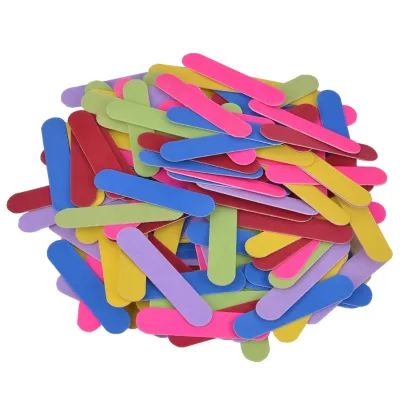
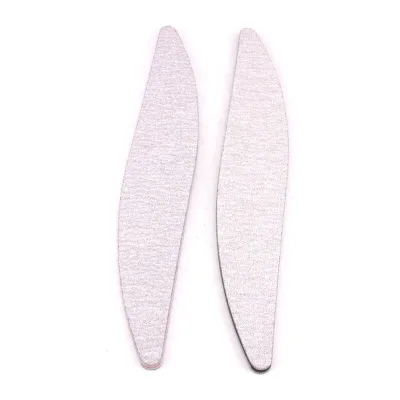
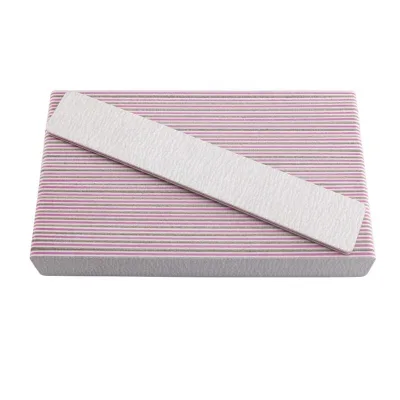
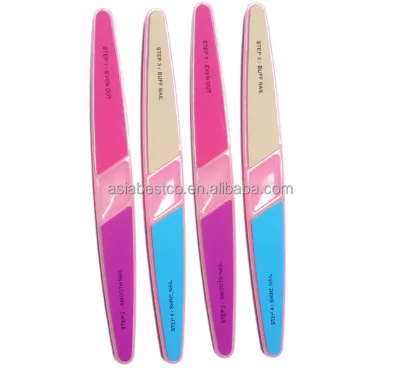
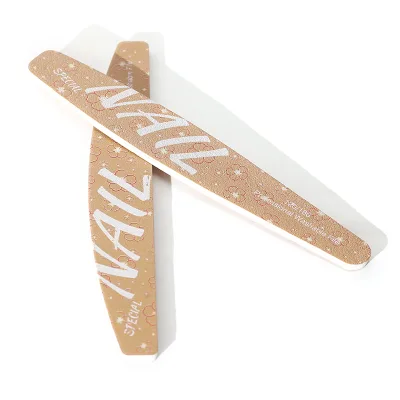
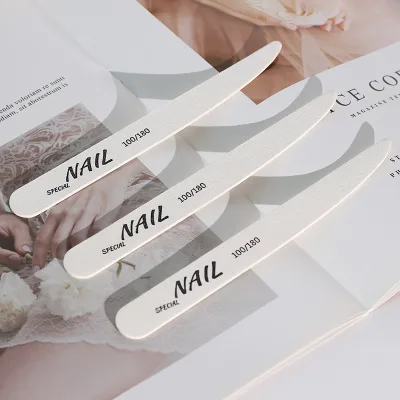
Hot Sale Professional 100/180 80/80 Sandpaper Zebra Nail Manicure File Washable Nail Files
$0.1035 - $0.1664
MOQ: 100 pieces
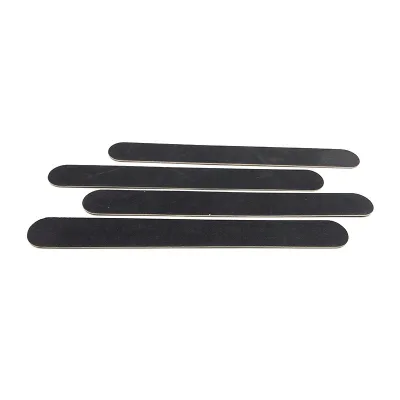
Disposable Thin Wood Nail File for Natural Nails OEM Custom Black Wood Nail File
$0.04 - $0.06
MOQ: 1000 pieces
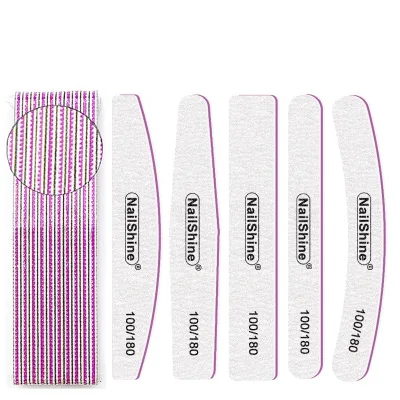
Professional Double Sided Custom Logo Nail Files 100/180 Multi-shape Nail File Zebra Nail Files
$0.1028 - $0.1649
MOQ: 200 pieces





Comprehensive Sourcing Guide
Washable Straight Nail File Sourcing Guide
Sourcing washable straight nail files requires a careful distinction between disposable wooden emery boards and durable, reusable metal or ceramic alternatives. The term "washable" implies a material capable of withstanding moisture and cleaning agents without degrading, which directly contradicts the properties of standard disposable wood files. Buyers must first clarify whether their procurement needs focus on single-use hygiene for high-volume salons or long-term durability for professional toolkits. This fundamental choice dictates the material selection, supplier verification, and total cost of ownership analysis.
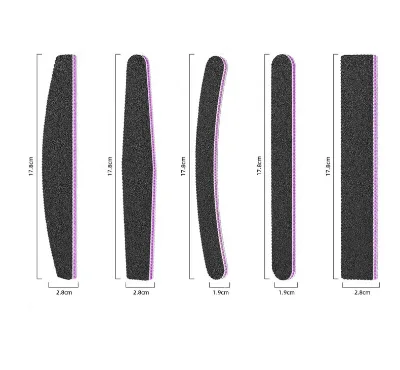
The current market landscape presents a mix of product types, with many listings labeled as "disposable" while others offer customizable, high-quality options. Observed data indicates a wide range in specifications, from standard grits like 80 and 100 to specific dimensions such as 9*1.8cm or 17.8cm. Procurement teams must navigate this ambiguity by explicitly defining the "washable" requirement in their requests for quotation. Without clear material specifications, such as stainless steel or coated ceramic, buyers risk receiving standard wooden files that disintegrate upon contact with water, leading to operational inefficiencies and customer dissatisfaction.
Product Scope and Observed Listing Signals
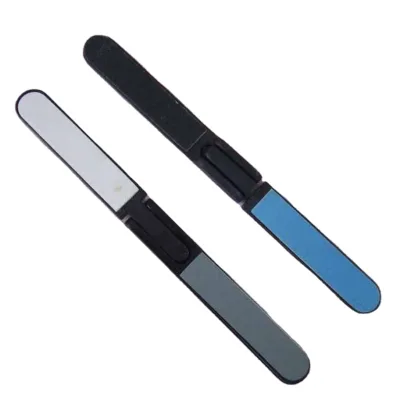
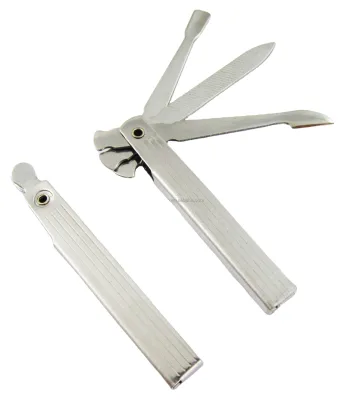
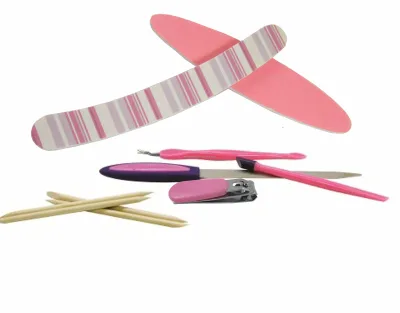
The observed product listings reveal a diverse array of nail care tools, including wooden files, willow-shaped files, and ultra-thin manicure tools. Many suppliers highlight customization options, such as OEM branding, customized logos, and varied packaging like individual OPP bags or cartons. These signals suggest that the market is heavily oriented toward private labeling and bulk distribution rather than standardized retail products. Buyers should note that terms like "high quality" and "easy apply" are common marketing descriptors that require independent verification through sample testing and material analysis.
Specific attributes observed include grit levels of 80, 100, and 180, which cater to different stages of nail care, from shaping to fine polishing. The presence of double-sided files and various sizes, such as 13.2cm or 16.5cm, indicates a broad scope of utility. However, the explicit mention of "disposable" in many titles contrasts with the "washable" requirement. Procurement specialists must scrutinize product descriptions for material composition, as wood-based files are inherently non-washable. The availability of customized packaging and logos supports the need for branded solutions, but the core functionality must align with the durability expected from a washable tool.
Technical Specifications to Verify
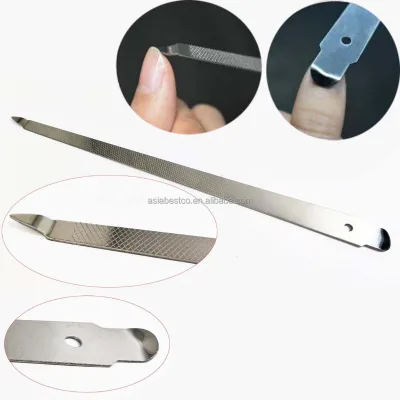
Verifying technical specifications is critical when sourcing washable nail files, as material integrity determines functionality. Buyers must confirm that the file surface is made from corrosion-resistant materials, such as stainless steel or specialized ceramic coatings, which can endure repeated washing without losing abrasive properties. Standard grit specifications observed in the market, such as 80 or 100 grit, should be validated for consistency across the batch. Inconsistent grit distribution can lead to uneven nail shaping and potential damage to the nail plate, making precise manufacturing tolerances a key verification point.
Dimensional accuracy is another vital technical aspect, with observed sizes ranging from compact 9*1.8cm formats to larger 17.8cm tools. The thickness and width of the file, such as the observed 0.4cm thickness, impact ergonomics and durability. Buyers should request detailed technical drawings or physical samples to verify that the straight design maintains structural rigidity during use. Additionally, the edge finish must be smooth to prevent snagging on clothing or skin. Ensuring that the file’s geometry matches the stated specifications prevents operational issues and ensures that the tool performs as intended in professional settings.
Compliance and Safety Documentation
Compliance and safety documentation are essential for ensuring that washable nail files meet regulatory standards for consumer and professional use. Buyers should verify that materials used in the file’s construction are free from harmful substances, such as heavy metals or toxic adhesives, which could leach during washing or use. Certifications related to material safety, such as FDA compliance for cosmetic tools or REACH compliance for chemical substances in the EU, provide assurance of product safety. These documents help mitigate liability risks and ensure that the products can be legally sold in target markets.
Hygiene standards are particularly relevant for washable tools, as they are designed to be cleaned and reused. Buyers should inquire about the manufacturer’s cleaning protocols and whether the file can withstand industrial washing processes without degradation. Documentation regarding the durability of the abrasive surface after multiple cleaning cycles is also important. Ensuring that the product meets relevant hygiene and safety standards protects brand reputation and ensures that salons and consumers can use the tools confidently without health concerns.
Cost Drivers and Commercial Terms
Cost drivers for washable nail files include material selection, manufacturing complexity, and customization requirements. Stainless steel or ceramic files typically incur higher material costs compared to disposable wooden alternatives, but they offer a longer lifecycle. Customization options, such as OEM branding, customized logos, and specific packaging, add to the unit cost. Buyers should analyze the total cost of ownership, considering that durable files may reduce long-term procurement expenses despite higher initial prices. Understanding these cost components helps in negotiating favorable terms and budgeting accurately.
Commercial terms, including minimum order quantities (MOQ) and lead times, vary significantly among suppliers. Observed MOQs range from small batches of 100 pieces to large volumes of 100,000 pieces, allowing flexibility for different business sizes. Lead times depend on the level of customization and production capacity. Buyers should negotiate clear terms regarding payment schedules, shipping responsibilities, and return policies for defective items. Establishing robust commercial agreements ensures supply chain stability and protects against unexpected costs or delays in product delivery.
Supplier Qualification and Quality Control
Supplier qualification is a critical step in sourcing washable nail files, requiring thorough vetting of manufacturing capabilities and quality management systems. Buyers should assess suppliers’ experience in producing durable nail care tools and their ability to maintain consistent quality across batches. Requesting references from existing clients and conducting factory audits can provide insights into production standards and operational efficiency. Suppliers with established quality control processes are more likely to deliver products that meet specified technical and safety requirements.
Quality control measures should include pre-production sample approvals, in-process inspections, and final random inspections before shipment. Buyers should define clear acceptance criteria for grit consistency, dimensional accuracy, and material durability. Implementing a rigorous quality control plan helps identify and rectify defects early in the production process. Regular communication with suppliers regarding quality feedback and continuous improvement initiatives ensures that the sourced products maintain high standards and meet the evolving needs of the market.
Long-Term Procurement Checks
Long-term procurement checks involve monitoring supplier performance, product quality, and market trends to ensure sustained value. Buyers should establish key performance indicators (KPIs) for delivery reliability, defect rates, and customer satisfaction to evaluate supplier effectiveness over time. Regular reviews of these metrics help identify potential issues early and facilitate corrective actions. Maintaining a diversified supplier base can also mitigate risks associated with supply chain disruptions or quality inconsistencies.
Staying informed about industry trends and technological advancements in nail care tools is essential for maintaining a competitive edge. Buyers should periodically reassess their product specifications to align with changing consumer preferences and regulatory requirements. Engaging in continuous dialogue with suppliers about new materials or designs can lead to innovative solutions that enhance product performance. By proactively managing these long-term factors, procurement teams can ensure that their sourcing strategy remains robust and responsive to market dynamics.
FAQs
What grit options are available for these nail files?
The available grit options include 80, 100, and 180 grit. These specific abrasiveness levels allow for versatile nail care tasks, ranging from shaping to fine polishing. Buyers can select the appropriate grit based on their specific manicure requirements and desired finish quality for professional or personal use.
Can I customize the logo on the nail files?
Yes, customized logos are supported for these nail files. The product page indicates that OEM branding is welcomed, allowing buyers to print their own logo on the items. This customization service helps businesses establish brand identity and provides a professional look for retail or promotional distribution channels.
What is the minimum order quantity for these files?
The minimum order quantity varies, with observed values starting at 100 pieces and going up to 100,000 pieces. Some listings specify an MOQ of 200 pieces. Buyers should verify the specific MOQ with the supplier to ensure it aligns with their procurement volume and budget constraints for the order.
Are these nail files disposable or reusable?
The product attributes indicate both non-disposable and disposable types are available. Some listings describe the item as a disposable manicure wood nail file, while others note non-disposable characteristics. Buyers should check the specific product description to confirm whether the item is intended for single-use or long-term reuse.
Where are these nail files manufactured?
These nail files are manufactured in China, specifically in the Yiwu, Zhejiang region. This location is a known hub for small commodity manufacturing, offering efficient production capabilities. Buyers sourcing from this origin can expect established supply chains and competitive pricing structures for bulk orders of these beauty tools.
What packaging options are provided for these files?
Packaging options include individual OPP bags, cartons, and customized packaging. The product supports standard packing as well as tailored solutions to meet specific buyer needs. This flexibility allows businesses to choose packaging that best fits their retail presentation requirements or logistical shipping constraints for international distribution.