Source Dead Skin Remover Cuticle Pusher for Nail Care, Dead Skin, Callus
Explore 30 listings for the Dead Skin Remover Cuticle Pusher, comparing stainless steel and plastic options from Guangdong and Zhejiang. Buyers can evaluate MOQs, packaging, and features like portability and waterproofing for nail art and salon use; compare the available evidence and request quotations based on your requirements.
Updated
Key considerations
Products List
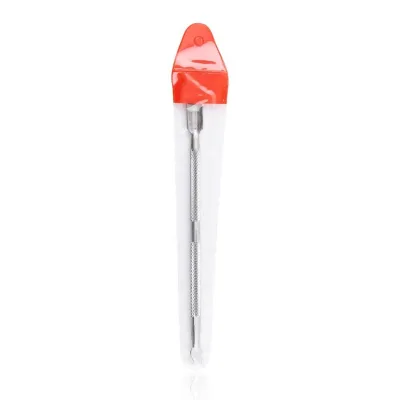
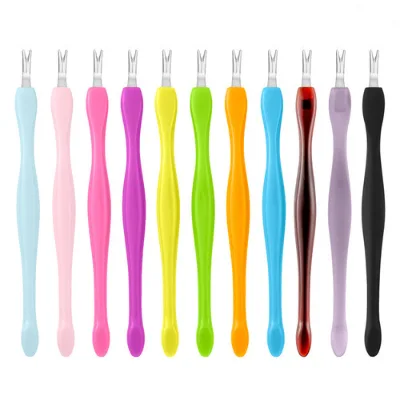
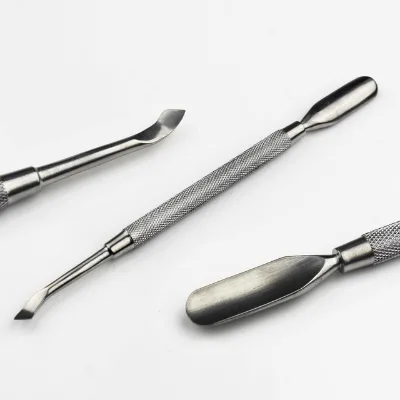
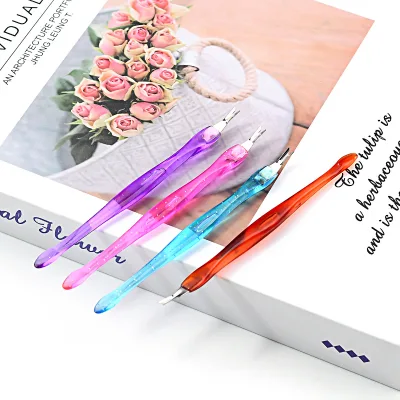
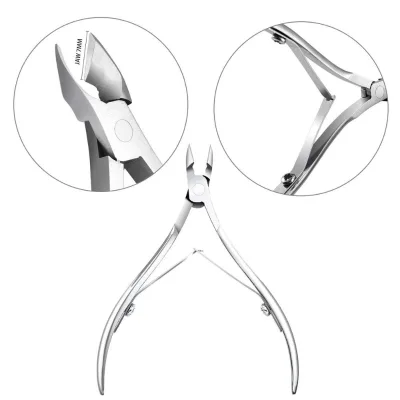
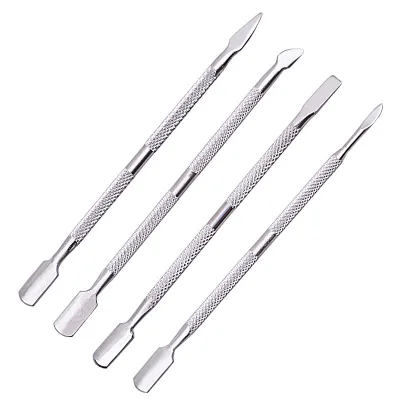
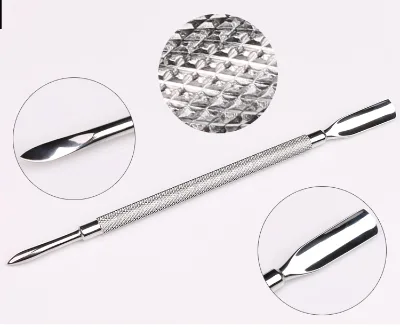
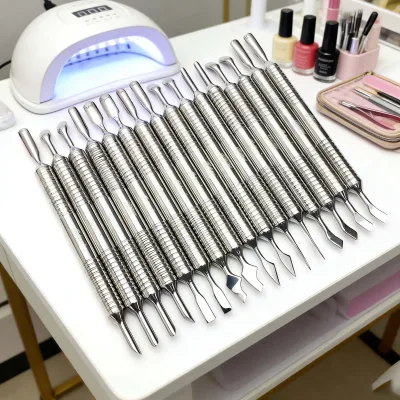
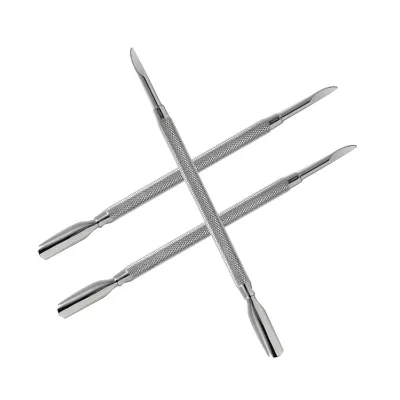
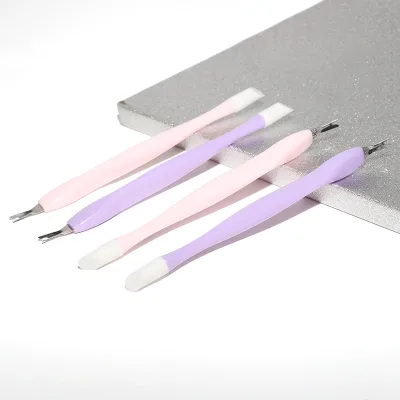
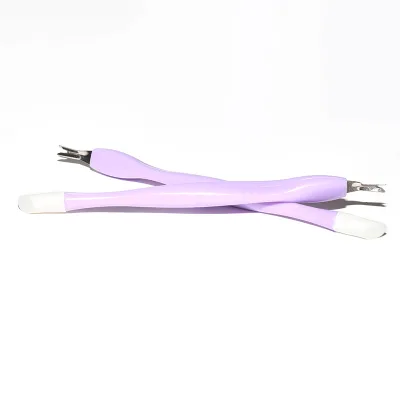


Stainless Steel Cuticle Remover and Cutter Durable Manicure and Pedicure Tool Cuticle Pusher
$0.018 - $0.02
MOQ: 500 Pieces
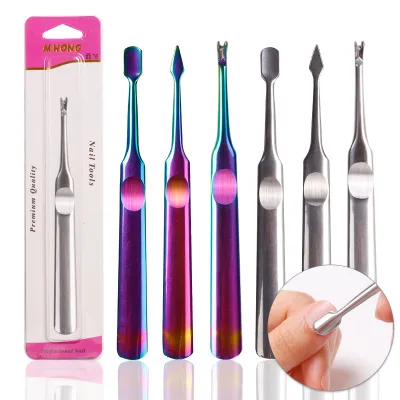
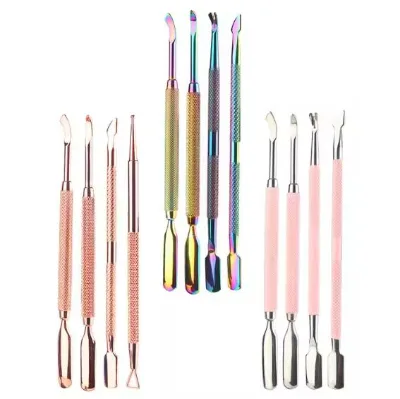

Beauty Care Nail Art Gel Remover Tools Stainless Steel Cleaner Cuticle Pusher
$0.30 - $0.50
MOQ: 100 Pieces


Silicone Colourful Nail Cuticle Pusher Remover Manicure Tools Nails Art Supplies Products
$0.40 - $0.58
MOQ: 50 Pieces

Other Nails Art Beauty Cuticle Pusher Salon Nail Gel UV Polish Remover Manicure Supplies Tools
$0.49 - $0.99
MOQ: 100 Pieces
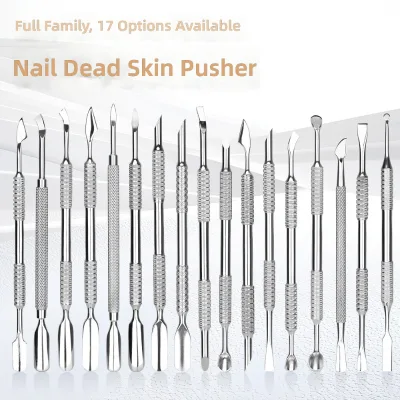
Comprehensive Sourcing Guide
Dead Skin Remover Cuticle Pusher Sourcing Guide
Sourcing dead skin remover cuticle pushers requires a clear understanding of the distinct material compositions and functional designs available in the current market. Buyers must distinguish between all-metal stainless steel tools and hybrid models that combine plastic handles with steel tips, as each serves different aesthetic and durability requirements. The observed product landscape includes items ranging from simple single-item sales to bulk packaging configurations, indicating that procurement strategies should align with specific end-user preferences for either premium individual presentation or cost-effective salon supplies.
Procurement teams should also evaluate the geographic origins of these tools, with significant supply coming from Guangdong and Zhejiang provinces in China. This regional concentration suggests a mature manufacturing ecosystem with established supply chains for both metalworking and plastic injection molding. Understanding these origin points helps buyers anticipate logistical patterns and potential lead times, while also providing a baseline for comparing supplier capabilities. The diversity in product names, such as "Callus Eliminator" or "Nail Art Care Tool," further highlights the need for precise keyword matching to ensure the sourced items meet specific marketing or functional expectations.
Product Scope and Observed Listing Signals
The current market listings reveal a wide variance in minimum order quantities, ranging from as low as one piece to two thousand pieces, which allows for flexible entry points for both small retailers and large distributors. Pricing signals observed in the data span from $0.02 to $2.87 USD, reflecting the significant impact of material quality, packaging complexity, and brand positioning on final unit costs. Buyers should note that lower price points often correlate with basic plastic-stainless steel hybrids or minimal packaging, whereas higher tiers may involve premium stainless steel construction and customized branding options.
Packaging details vary considerably, with some suppliers offering single items in PVC bags while others provide bulk bags containing twenty-four pieces. This variation directly influences storage efficiency and retail display strategies, making it essential for buyers to align packaging choices with their distribution channels. Additionally, features such as portability, waterproof capabilities, and specific color options like silvery or customized hues play a crucial role in product differentiation. Suppliers accepting OEM and ODM services provide opportunities for brand customization, allowing buyers to create unique product identities that stand out in competitive nail care markets.
Technical Specifications to Verify
Verifying the single package dimensions is critical for optimizing shipping volume and storage space, as observed sizes range from 10x1x1 cm to 18x2x2 cm. These dimensional differences often correlate with the tool's length and handle design, impacting both the user experience and the logistical footprint of the shipment. Buyers must confirm the single gross weight, which typically falls between 0.01 kg and 0.04 kg, to accurately calculate freight costs and ensure compliance with carrier weight restrictions. Accurate specification verification prevents unexpected shipping surcharges and ensures that the product fits intended retail packaging or display fixtures.
Model numbers and specific material compositions, such as pure stainless steel versus plastic-plus-stainless steel hybrids, must be explicitly confirmed to avoid quality mismatches. Features like sharpness for cuticle removal or waterproof properties for hygiene maintenance should be validated through sample testing, as these attributes directly affect product performance and customer satisfaction. Additionally, checking for specific model identifiers, such as FNT-36-1 or FNT-42, helps in tracking inventory and reordering processes. Ensuring that the tool functions effectively as a dead skin remover and callus eliminator is paramount, requiring close attention to the tip geometry and handle ergonomics.
Compliance and Safety Documentation
While specific certification statuses like ISO9001 may be referenced in background data, buyers must independently verify the actual compliance documentation held by their chosen suppliers. It is essential to request current certificates to ensure that manufacturing processes meet recognized quality management standards, which reduces the risk of production inconsistencies. Buyers should also inquire about material safety certifications, particularly for products that come into direct contact with skin, to ensure that the stainless steel or plastic components are free from harmful substances.
Documentation regarding product safety and hygiene is equally important, especially for tools marketed as waterproof or designed for professional salon use. Buyers should ask for test reports that verify the durability of the steel tips and the stability of any plastic components under repeated use. Ensuring that the supplier can provide clear traceability for materials used in production helps in maintaining brand integrity and addressing any potential liability issues. Clear communication regarding compliance requirements upfront prevents delays in product approval and ensures that all sourced items meet regulatory standards in the target market.
Cost Drivers and Commercial Terms
The minimum order quantity is a primary driver of unit cost, with observed MOQs ranging from 120 pieces to 1200 pieces for certain items. Buyers must balance the desire for lower unit prices against the capital tied up in inventory, considering that higher volumes often yield better pricing tiers. Understanding the supplier's MOQ flexibility is crucial, as some may accept lower initial orders for new clients while requiring larger commitments for customized or branded products. This flexibility can significantly impact the initial investment required to launch a new product line or test market demand.
Commercial terms also include the availability of one-stop services and OEM/ODM acceptance, which can streamline the procurement process but may introduce additional costs for customization. Buyers should clarify whether packaging details, such as PVC bags or poly bags, are included in the base price or charged separately. The selling unit configuration, whether single items or bulk bags, affects both the perceived value and the logistical handling of the goods. Negotiating clear terms regarding packaging specifications and customization requirements ensures that the final delivered product aligns with the buyer's brand strategy and budget constraints.
Supplier Qualification and Quality Control
Evaluating supplier capabilities involves assessing their experience in producing nail care tools and their ability to maintain consistent quality across batches. Buyers should verify the supplier's production capacity and lead times to ensure they can meet demand fluctuations, particularly during peak seasons. The presence of specific brand names like Bihe or Fivor in listings indicates established manufacturers, but buyers must still conduct due diligence to confirm their reliability and financial stability. Requesting references or case studies from previous clients can provide insights into the supplier's performance and customer service quality.
Quality control measures should be explicitly discussed, including in-process inspections and final random sampling protocols. Buyers should inquire about the supplier's defect rate and their policy for handling non-conforming products. Ensuring that the supplier has robust quality assurance systems in place helps minimize the risk of receiving defective items, such as tools with dull tips or unstable handles. Establishing clear communication channels for addressing quality issues promptly is essential for maintaining a smooth supply chain and protecting the buyer's brand reputation in the market.
Long-Term Procurement Checks
Building a sustainable supply chain requires regular performance reviews and continuous monitoring of supplier metrics. Buyers should track key performance indicators such as on-time delivery rates, product quality consistency, and responsiveness to issues. Establishing a long-term partnership with reliable suppliers can lead to better pricing, priority production scheduling, and improved collaboration on new product development. Regular audits or site visits, if feasible, can provide deeper insights into the supplier's operational practices and commitment to quality.
Adapting to market trends and evolving customer preferences is crucial for maintaining product relevance. Buyers should stay informed about emerging features, such as ergonomic designs or new material innovations, and communicate these needs to their suppliers. Flexibility in sourcing strategies, including diversifying suppliers across different regions like Guangdong and Zhejiang, can mitigate risks associated with supply chain disruptions. Continuous evaluation of the product portfolio and supplier performance ensures that the procurement function remains agile and responsive to changing market dynamics.
FAQs
What materials are commonly used for dead skin remover cuticle pushers?
Most Dead Skin Remover Cuticle Pusher products are made from stainless steel, and some models combine plastic with stainless steel. Stainless steel versions are durable, easy to sanitize, and suitable for professional salon use. When sourcing, confirm the exact material composition with each supplier, because listings vary between full stainless steel construction and mixed plastic-and-steel designs for lighter, lower-cost items.
Which minimum order quantities apply to cuticle pusher wholesale orders?
Minimum order quantities vary by product and supplier, with listed requirements ranging from 120 pieces up to 1200 pieces, and some listings accepting flexible MOQ terms. Smaller MOQs usually apply to basic models, while customized colors or packaging often require higher volumes. Always confirm the current MOQ in writing before requesting samples or placing a trial order.
Can cuticle pusher products be customized with my own brand or color?
Yes, OEM and ODM services are accepted by listed suppliers, so buyers can request custom branding, logos, and color variations. Some listings already offer customized color options alongside standard silvery finishes. Customization may affect minimum order quantities, unit pricing, and lead time, so discuss branding requirements, artwork files, and sample approval steps with the supplier before mass production begins.
How are cuticle pusher tools typically packaged for shipment?
Packaging varies by product. Common options include individual PVC bags, poly bags, and bulk packing such as 24 pieces per bag. Single package sizes listed range from about 10 by 1 by 1 centimeters to 18 by 2 by 2 centimeters, with gross weights from 0.01 to 0.04 kilograms. Confirm whether retail packaging or bulk poly bag packing is included in the quoted price.
What are the typical uses of a Dead Skin Remover Cuticle Pusher?
The tool is designed for nail care and nail art applications, mainly removing dead skin around the nail bed and eliminating callus buildup. One end typically pushes back cuticles while the other removes excess dead skin. It is used in professional nail salons and for at-home manicures, and portable designs make it convenient for travel or retail sale.
Where are cuticle pusher products mainly produced for wholesale sourcing?
Listed products originate from Guangdong and Zhejiang provinces in China, both established manufacturing regions for nail care tools and manicure accessories. Sourcing from these areas gives buyers access to many factories with different price points, materials, and customization capabilities. When comparing suppliers, verify the exact place of origin, since shipping costs and production capacity can differ between the two provinces.
Which specifications should buyers compare before ordering cuticle pushers?
Compare material type, overall length, single package size, gross weight, color options, and packaging format. Listed products range from 10 to 18 centimeters in length, in silvery, colorful, or customized finishes. Also check whether the item is sold as a single unit or in multi-piece bags, and review model numbers such as FNT-36-1 and FNT-42 when matching catalog items.
How can I request samples before placing a bulk cuticle pusher order?
Contact suppliers directly to request samples, providing the product name, model number, material preference, and any customization requirements. Many suppliers accept small trial quantities because some listings show flexible MOQ terms. Evaluate sample quality by checking the steel finish, edge sharpness, and packaging condition. Sample costs and shipping fees are usually negotiated separately from bulk order pricing, so confirm terms upfront.