Cuticle Nail Dead Skin Clipper Suppliers and Manufacturers
Source Cuticle Nail Dead Skin Clipper from 26 verified suppliers in China. Compare pricing, MOQ, lead times, and response rates to find the right partner. Contact suppliers directly to request samples and confirm production details; review the available evidence before requesting comparable quotations from suitable candidates.
Updated
Suppliers List
Yangjiang Maysmart Industry And Trade Company
- Manufacturer, Trading Company
- Gungdong, China
- Lead time0 days
- Avg. response≤ 6h
Main productsManicure Set, Makeup Sponge, Eyelash Curler, Towel Headband, Facial Razor
Main marketsNorth America(40.00%), South America(10.00%), Oceania(10.00%), Western Europe(10.00%), Eastern Asia(10.00%), Northern Europe(10.00%), Eastern Europe(10.00%)

Foshan Fengdeli Nail Clippers Manufacturing Co., Ltd.
- Trading Company,Manufacturer/Factory
- China Guangdong
- Lead time45 days
- Avg. response≤ 4h
Main productsNail Clipper, Manicure Set, Tweezers, Pedicure Implements, Baby Gifts, Scissors, Beauty Set, Key Rings, Nail Files, Promotion Gifts
Main marketsSouth America,Eastern Europe,Mid East,North America,Southeast Asia,Western Europe,Africa

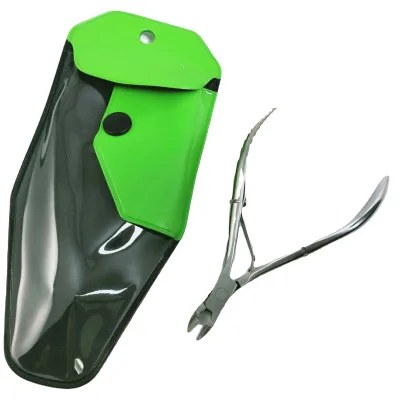
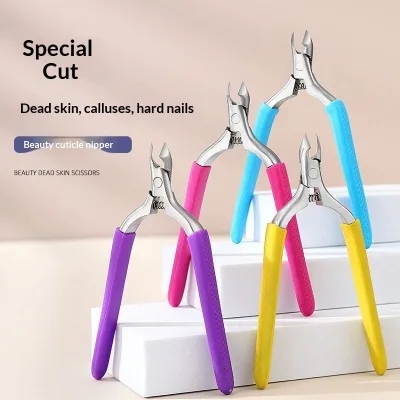
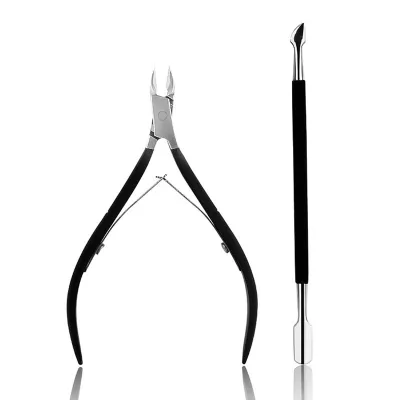
Dead Skin Remover Small Size Cuticle Nail Nipper Toe Finger Nail Clipper
$0.76 - $0.85
MOQ: 3000 Pieces


Foshan Dead Skin Remover Cuticle Nail Nipper Finger Nail Clipper Cutter
$0.76 - $0.85
MOQ: 3000 Pieces

Foshan Dead Skin Remover Cuticle Nail Nipper Toe Finger Nail Clipper Cutter
$0.76 - $0.85
MOQ: 3000 Pieces

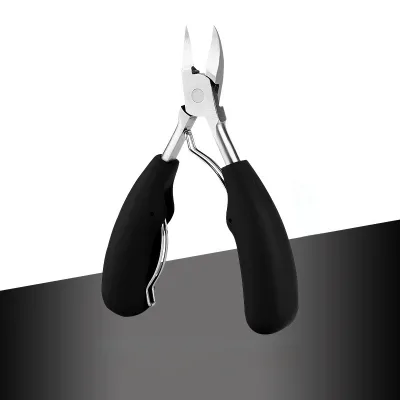
Dead Skin Remover Cuticle Nipper Clipper with Black Rubber Soft Grip Handle
$0.76 - $0.85
MOQ: 3000 Pieces
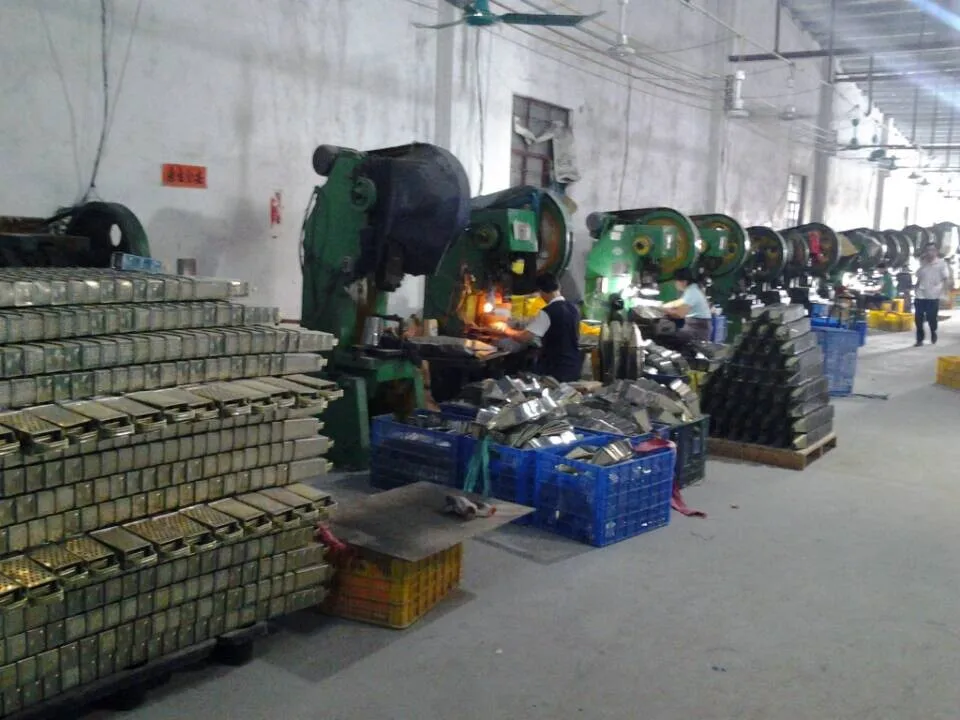
Huorun Import & Export Co., Ltd. (ASIA BEST BRANCH)
- Trading Company
- Guangdong, China
- Lead time30 days
- Avg. response≤ 10h
Main productsKitchen Knife & Scissor,Kitchen Tools,BBQ Tools,Wooden Cutting Boards,Manicure & Beauty Tools
Main marketsWestern Europe(45.00%), South America(20.00%), Eastern Asia(10.00%), Northern Europe(10.00%), Eastern Europe(5.00%), Central America(5.00%), North America(5.00%)

Guangzhou Ice Beauty Nail Art Supplies Co., Ltd.
- Verified by TUVRHEINLAND
- Manufacturer/Factory
- China Guangdong
- Lead time30 days
- Avg. response≤ 15h
Main productsNail Dust Collector, Nail Steamer, UV Nail Curing Lamp, Nail Drill Machines, Electric Foot File, Nail Decorations, Wax Heater, Beauty & Personal Care Product
Main marketsSouth America,Eastern Europe,Mid East,North America,Southeast Asia,Eastern Asia,Oceania,Western Europe,Africa


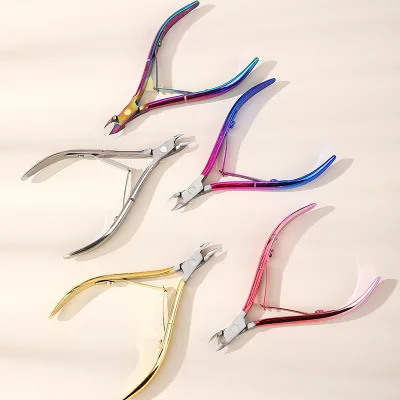
Sharp Edge Cuticle Trimmer Nail Clipper Toe Finger Nail Manicure Pedicure Tool
$3.80 - $4.50
MOQ: 100 Pieces

Stainless Steel Nail Nipper Cuticle Trimmer Clipper with Curved Blade Shape
$4.70 - $5.30
MOQ: 100 Pieces

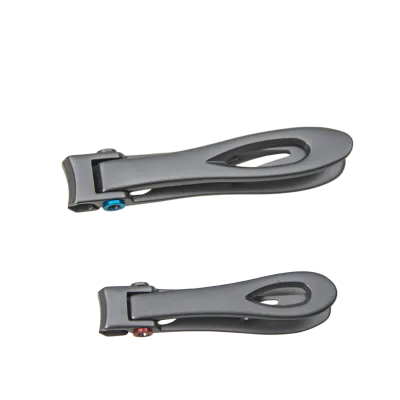
Buckle Design Stainless Steel Nail Cuticle Clipper for Manicure Pedicure Thick Nails
$4.70 - $5.30
MOQ: 100 Pieces

Yiwu Xierrui Trading Co., Ltd.
- Verified by Intertek
- Trading Company
- Lead time3 days
- Avg. response≤ 2h
Main productsNail Art Stickers, Press On Nails, Nail Art Brush, Nail Art Lamps
Main marketsWestern Europe(40%), North America(17%), South America(17%)

Guangzhou Skyrann Electronic Tech Co., Ltd.
- Verified by TUVRHEINLAND
- Trading Company,Manufacturer/Factory
- China Guangdong
- Lead time15 days
- Avg. response≤ 17h
Main productsNail Lamps&Nail Dryers, UV Gel&Gel Polish, Nail Drills, Nail Tools, Nail Art Decoration, Nail Brushes, Nail Files&Buffers
Main marketsSouth America,Eastern Europe,North America,Southeast Asia,Eastern Asia,Western Europe,Africa

Foshan Elesecret Electronics Technology Co Ltd
- Verified by CTI
- Trading Company
- China Guangdong
- Lead time15 days
- Avg. response≤ 3h
Main productsNail Drill, Nail Lamp, Nail Dust Collector, Nail Drill Bits, Press on Nail, Gel Nail Polish
Main marketsSouth America,Southeast Asia/ Mideast,East Asia(Japan/ South Korea),Domestic,Europe,Australia,North America
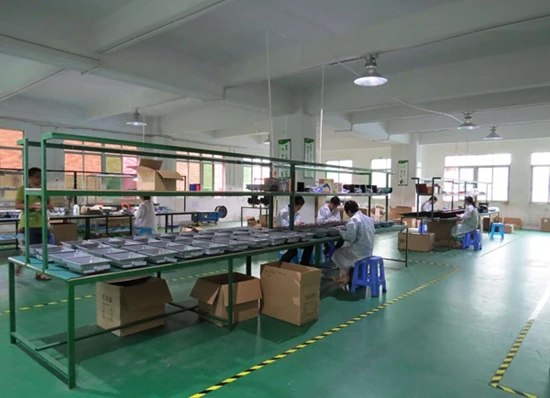
- Trading Company
- Zhejiang, China
- Lead time15 days
- Avg. response≤ 20h
Main productsNail tool,Nail Decoration,Nail Sticker,Nail tip,Nail Lamp
Main marketsEastern Asia(10.00%), Mid East(10.00%), Oceania(10.00%), Africa(10.00%), Eastern Europe(10.00%), South America(10.00%), North America(10.00%), Western Europe(10.00%), South Asia(5.00%), Southeast Asia(5.00%), Southern Europe(5.00%), Northern Europe(5.00%)
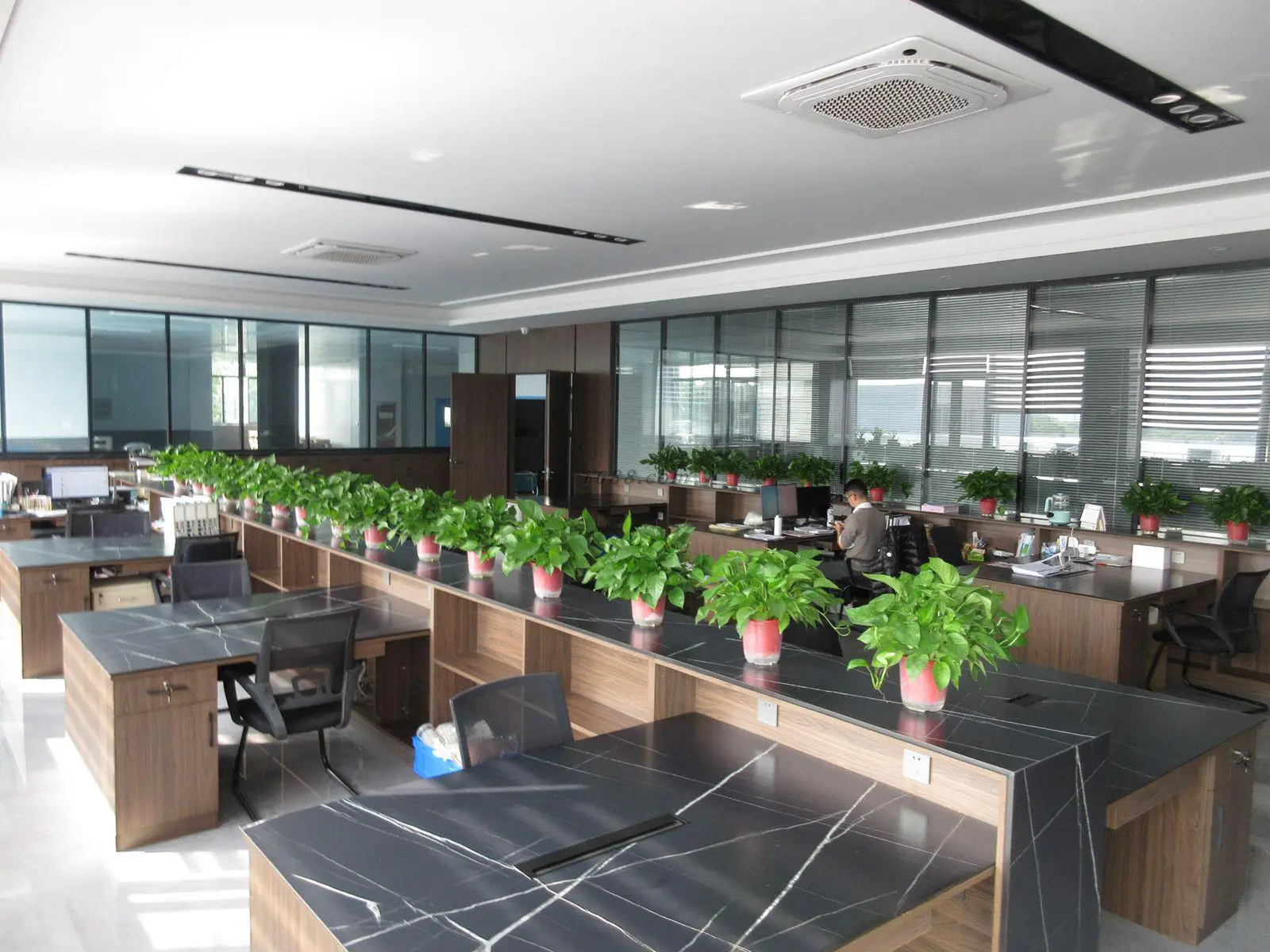
- Trading Company
- Zhejiang, China
- Lead time35 days
- Avg. response≤ 5h
Main productsNail File,Foot file,Manicure Set,Beauty Scissors,Eyebrow Trimmer
Main marketsDomestic Market(56.00%), North America(18.00%), Southeast Asia(8.00%), Africa(5.00%), Eastern Europe(5.00%), Oceania(3.00%), South America(2.00%), Mid East(1.00%), South Asia(1.00%), Eastern Asia(1.00%)

Yiwu Jiaxiu Import And Export Co., Ltd.
- Trading Company
- Zhejiang, China
- Lead time0 days
- Avg. response≤ 7h
Main productsnail tips,nail sticker,nail decoration,nail drill,nail tools
Main marketsNorth America(80.00%), South America(10.00%), Southeast Asia(5.00%), Eastern Europe(5.00%)
Foshan Yuli Cosmetic Accessory Co., Ltd.
- Verified by TüVRheinland
- Manufacturer, Trading Company
- Lead time30 days
- Avg. response≤ 2h
Main productsNail File, Nail Buffer, Pedicure Set, Foot File, Manicure Set
Main marketsNorth America(55%), South America(10%), Northern Europe(10%)

Guangdong Jinguanghua Hardware Products Co., Ltd.
- Manufacturer, Trading Company
- Guangdong, China
- Lead time35 days
- Avg. response≤ 3h
Main productsManicure Set,Cleaning push,nail file,nail cuticle nippers,acne tool
Main marketsNorthern Europe(20.00%), North America(20.00%), Domestic Market(13.00%), Western Europe(12.00%), Eastern Europe(10.00%), Southern Europe(10.00%), Central America(5.00%), Southeast Asia(5.00%), South America(5.00%)

Shandong Well Pack Industry Co., Ltd
- Verified by TUVRHEINLAND
- Trading Company
- China Shandong
- Lead time30 days
- Avg. response≤ 3h
Main productsLiquor Bottle, Beer Bottle, Glass Jar, Nail Polish Bottle, Water Bottle, Spirits Bottle, Wine Bottle
Main marketsEurope,North America

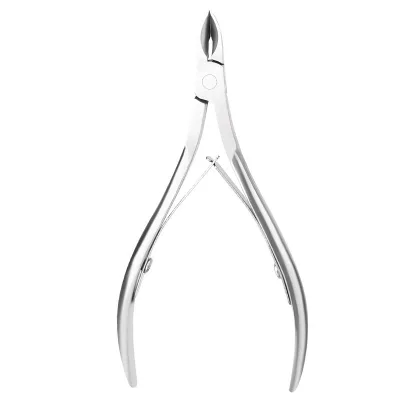
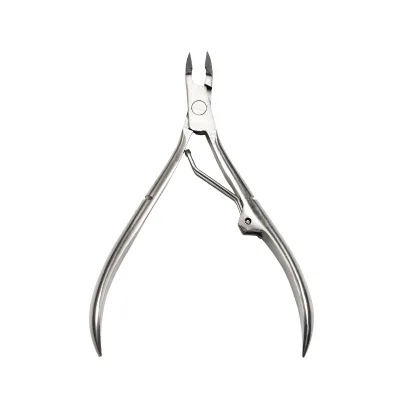
Stainless Steel Dead Skin Nail Clippers Manicure Eagle-Nosed Nail Clippers
$0.52 - $0.57
MOQ: 50000 Pieces

Russian-Style Stainless Steel Elbow-Shaped Nail Clipper for Dead Skin Removal and Manicure Use
$1.01 - $1.06
MOQ: 50000 Pieces


Hangzhou Bohaifei Technology Co., Ltd.
- Verified by TüVRheinland
- Manufacturer, Trading Company
- Lead time15 days
- Avg. response≤ 2h
Main productsGel Polish, Acrylic Powder, Monomer, Nail Drill, Nail Remover Pad
Main marketsNorth America(37%), Western Europe(33%), Southern Europe(6%)
Dongguan Byoung Beauty Cosmetics Technology Co., Ltd.
- Verified by Intertek
- Trading Company
- Lead time20 days
- Avg. response≤ 3h
Main productsNail Lamp, Nail Drill, Nail Brush, Nail Drill Bits, Nail Dust Collector
Main marketsNorth America(57%), Oceania(17%), Western Europe(12%)

- Verified by SGS
- Trading Company
- China Zhejiang
- Lead time15 days
- Avg. response≤ 16h
Main productsEyelashes, Makeup Brush, Cosmetic Brush, Eyelash Extension, Lipstick, Eyeshadow, Mascara, Nail Sticker, Nail Lamp, Mask
Main marketsEurope,Australia


Best-Selling Sturdy Compact Use Comfortable Stainless Steel Dead Skin Nail Clippers
$0.39 - $0.44
MOQ: 2300 Pieces

Yiwu Jianyue Toiletries Co., Ltd.
- Trading Company
- Zhejiang, China
- Lead time5 days
- Avg. response≤ 6h
Main productsmakeup,makeup brush,beauty tools,eyebrow comb,eye pads
Main marketsNorth America(30.00%), South America(20.00%), Southern Europe(15.00%), Western Europe(15.00%), Eastern Europe(15.00%), Northern Europe(5.00%)
Guangzhou Bojun New Material Co., Ltd.
- Manufacturer
- Guangdong, China
- Lead time7 days
- Avg. response≤ 8h
Main productsPearl Pigments,Chameleon Pigments,Holographic Pigments,Nails Pigments,3D Cat Eye Pigment
Main marketsSouth America(40.00%), North America(40.00%), Central America(5.00%), Southern Europe(2.00%), Eastern Europe(2.00%), Northern Europe(2.00%), Western Europe(2.00%), Domestic Market(1.00%), South Asia(1.00%), Mid East(1.00%), Oceania(1.00%), Africa(1.00%), Southeast Asia(1.00%), Eastern Asia(1.00%)

Yangjiang Baoyue Cosmetic Appliance Co., Ltd.
- Manufacturer, Trading Company
- Guangdong, China
- Lead time3 days
- Avg. response≤ 5h
Main productsNail File,Glass Nail File,Buffer Block,Toe Separators,Foot File
Main marketsEastern Europe(30.00%), Western Europe(30.00%), North America(20.00%), Mid East(10.00%), Eastern Asia(10.00%)
Yiwu Binyuan Hardware Co., Ltd.
- Verified by TüVRheinland
- Manufacturer, Trading Company
- Lead time15 days
- Avg. response≤ 4h
Main productsUV Gel, Acrylic Powder, Dipping Powder, Nail Lamp, Press On Nail
Main marketsNorth America(53%), Western Europe(10%), Northern Europe(10%)
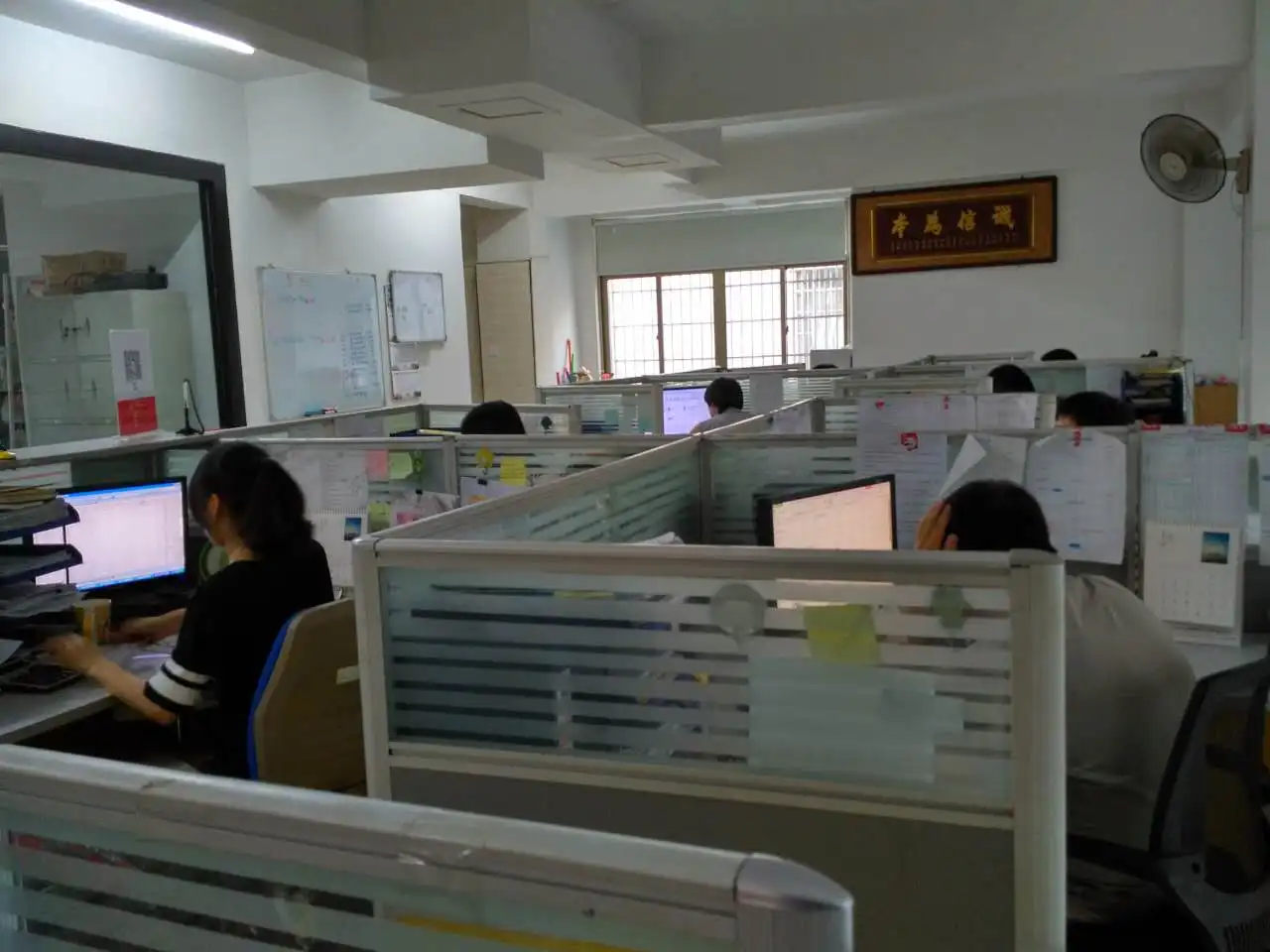
Yiwu Dehang Cosmetics Co., Ltd.
- Trading Company
- Zhejiang, China
- Lead time15 days
- Avg. response≤ 4h
Main productsCosmetics,Nail decoration,Nail tool,Nail machine
Main marketsEastern Europe(50.00%), North America(30.00%), Western Europe(20.00%)

Guangzhou Aimeier Trading Co., Ltd.
- Trading Company
- Guangdong, China
- Lead time0 days
- Avg. response≤ 2h
Main productsNail brush,nail lamp,Nail tools,Beautiful eyelash pattern embroidery,nail drill machine
Main marketsMid East(20.00%), North America(15.00%), Eastern Asia(10.00%), South America(10.00%), Eastern Europe(10.00%), Domestic Market(5.00%), Northern Europe(5.00%), Western Europe(5.00%)
Jiujiang Xinling Trading Co., Ltd.
- Trading Company
- Jiangxi Province, China
- Lead time5 days
- Avg. response≤ 2h
Main productsNail File,Nail Drill,Nail Art,Nail Tool,Nail Lamp
Main marketsNorthern Europe(10.00%), Central America(10.00%), Southeast Asia(10.00%), Eastern Europe(10.00%), South America(10.00%), North America(10.00%), South Asia(8.00%), Western Europe(8.00%), Southern Europe(5.00%), Eastern Asia(5.00%), Africa(5.00%), Mid East(5.00%), Oceania(3.00%), Domestic Market(1.00%)
Guangzhou Shuangshu Import And Export Trading Co., Ltd.
- Manufacturer, Trading Company, Distributor/Wholesaler
- Guangdong, China
- Lead time7 days
- Avg. response≤ 4h
Main productsSTALEKS,NIPPERS,pedicures,SCISSORS,Eyelash Extension
Main marketsDomestic Market(37.00%), North America(15.00%), Eastern Asia(10.00%), Southeast Asia(8.00%), Eastern Europe(7.00%), South America(5.00%), Western Europe(3.00%), South Asia(3.00%), Mid East(3.00%), Africa(2.00%), Oceania(2.00%), Northern Europe(2.00%), Central America(2.00%), Southern Europe(1.00%)
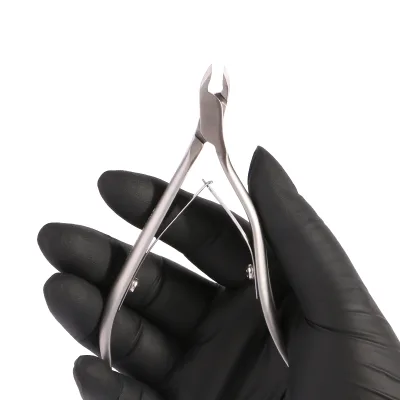
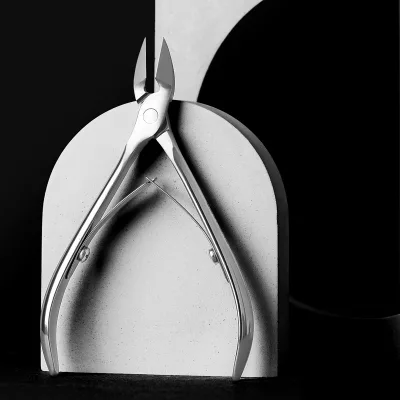
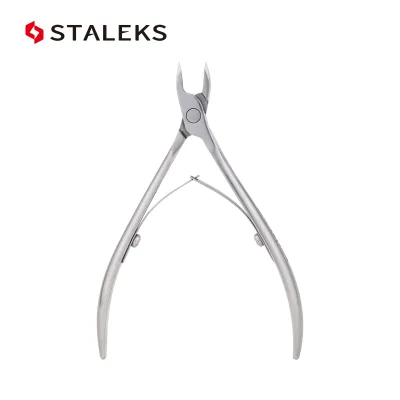
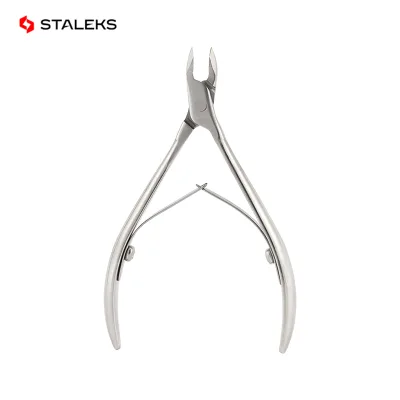
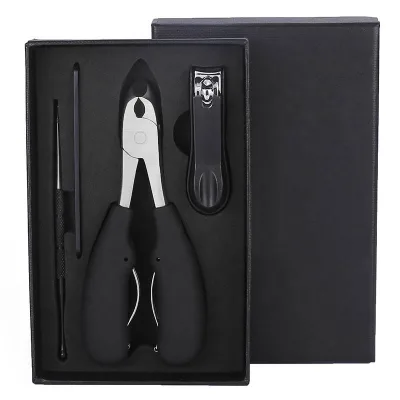
Professional nail tools to remove dead skin and cut barbs to remove callus nail grooves
$24.8983
MOQ: 3 Minimum
Shenzhen Pinzwin Tech Co., Ltd.
- Manufacturer, Distributor/Wholesaler
- Guangdong, China
- Lead time5 days
- Avg. response≤ 2h
Main productsTool Storage Bag,Manicure Tool Set,Beauty Accessories,Sewing Kit,Pedicure Tool Set
Main marketsNorth America(40.00%), Eastern Europe(20.00%), South America(20.00%), Western Europe(10.00%), Domestic Market(5.00%), Mid East(3.00%), Oceania(2.00%)
Yiwu Eda Import And Export Co., Ltd.
- Trading Company
- Zhejiang Province, China
- Lead time0 days
- Avg. response≤ 2h
Main productsNail Art,Nail tools,Beauty tools,Nail equipment,DIY Materials
Main marketsNorth America(40.00%), Southeast Asia(20.00%), Eastern Europe(20.00%), South America(20.00%)


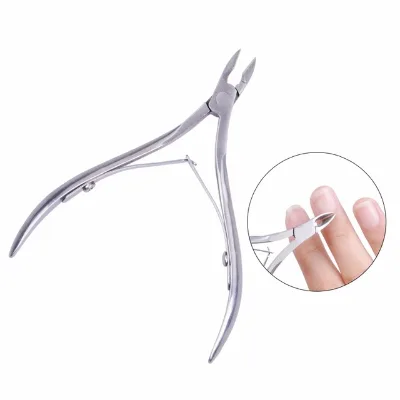
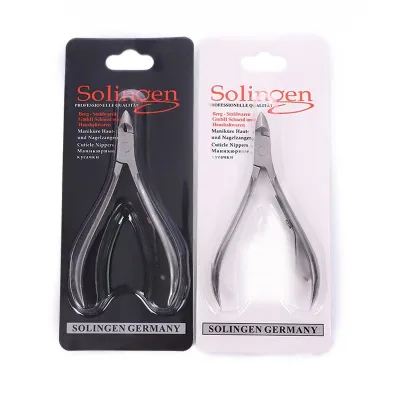
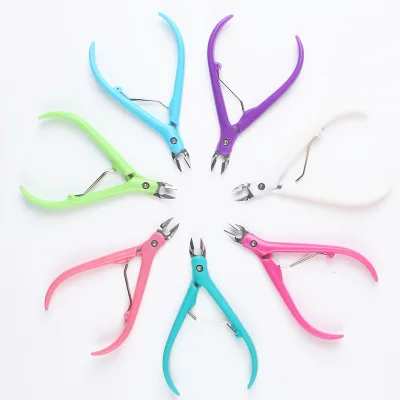
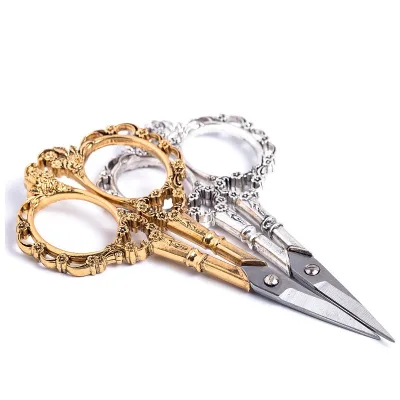
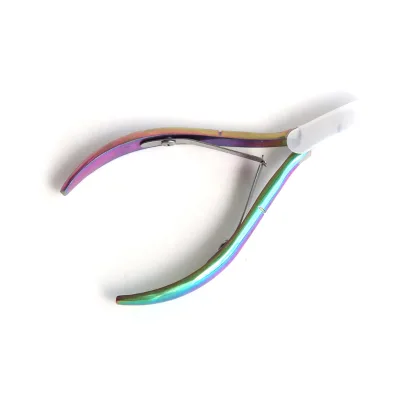
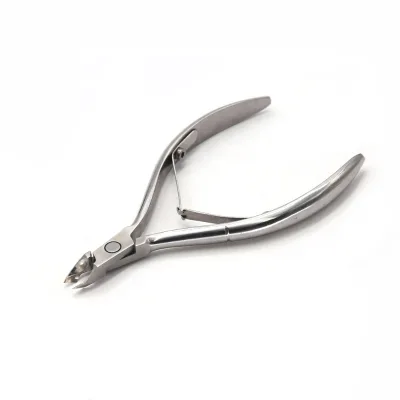
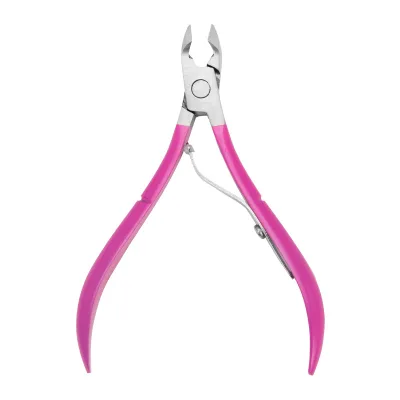
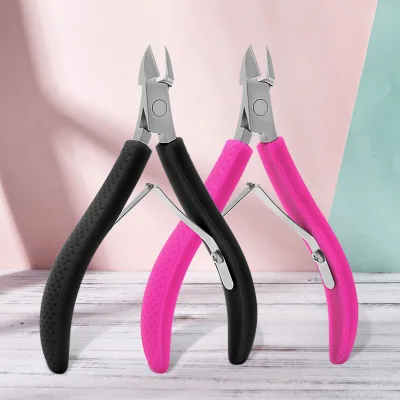
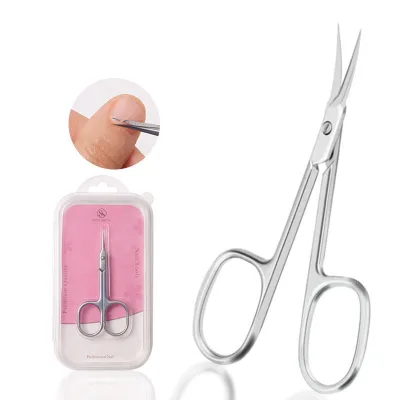
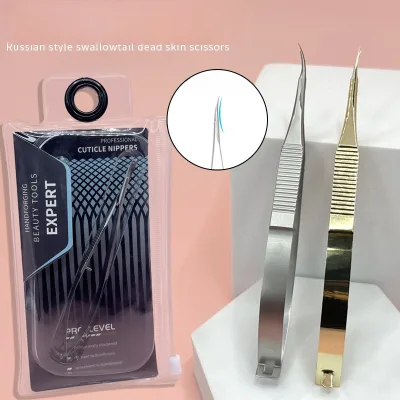
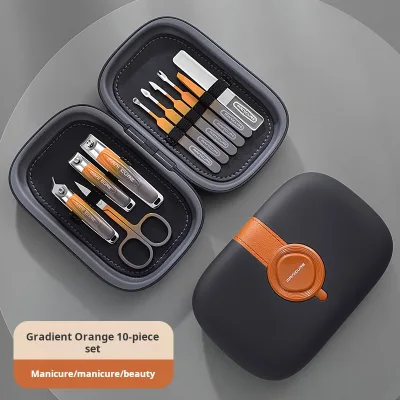
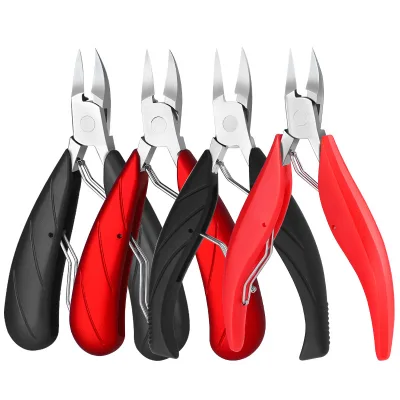
Comprehensive Sourcing Guide
Cuticle Nail Dead Skin Clipper Supplier Concentration and Factory Types
When you search for a Cuticle Nail Dead Skin Clipper, the results are dominated by suppliers based in China, with Guangdong appearing repeatedly as the place of origin for nail nippers, cuticle trimmers and stainless steel clippers. Zhejiang also appears as an origin for manicure scissors and finger care tools. This matters because Guangdong has long been associated with small metal beauty implements, while Zhejiang suppliers often list broader product lines such as manicure sets, makeup sponges, eyelash curlers and towel headbands alongside nail tools. A supplier whose main products span many beauty accessories may be a trading company assembling orders, whereas one focused on nail clippers, tweezers and pedicure implements is more likely to have direct factory relationships or in-house production.
The supplier type labels in this category typically read as Manufacturer, Trading Company, or a combined Manufacturer/Factory listing. Neither label is proof on its own. A trading company can be valuable if you need mixed-container orders combining clippers with manicure sets or promotion gifts, while a manufacturer may offer tighter control over steel grade, beveled blade shapes and packaging. Some listings display an own brand alongside OEM capability, which signals an established production line rather than pure reselling. Your first task is to classify each shortlisted supplier honestly: read the main product spread, note whether the stated place of origin is a production region, and check whether the same clipper models appear under multiple brand names, which often indicates a shared upstream factory.
How to Verify Cuticle Nail Dead Skin Clipper Suppliers
Verification starts with the product attributes themselves, because clipper listings carry unusually detailed technical data that is easy to cross-check. A legitimate manufacturer will state the material (stainless steel or carbon steel), the model number, the intended use for finger or toe nails, the single package size and the single gross weight. If a listing quotes a gross weight that does not plausibly match the package dimensions, or omits material entirely, treat it as a reseller of unknown goods. Ask the supplier to confirm which models are produced in-house and which are bought in. Request recent photographs of the workshop, not just catalog renders, and ask whether the beveled cutting edges are machined or hand-finished.
Next, test responsiveness and consistency. Some listings in this category display response times ranging from roughly three hours to six hours; use those figures as a baseline and see whether the supplier actually replies within that window when you ask technical questions about steel thickness, edge hardness or rust prevention. Verify the customization claims: many listings state that logo, color and packaging are customized, so ask for samples with your branding before committing. Confirm the unit of sale, since these tools are typically sold as single items packed in bulk or OPP bags. Finally, check whether payment can be routed through a platform escrow option; if a supplier resists escrow and insists on direct transfer, that is a signal to investigate further before any deposit.
What to Compare Across Cuticle Nail Dead Skin Clipper Suppliers
Build a comparison table using the attributes that actually appear in this category's listings. Price ranges vary widely: entry-level children's carbon steel clippers have been quoted around fifteen to seventeen cents at MOQs of six thousand pieces, standard stainless steel nippers around seventy-six to eighty-five cents at three thousand pieces, gold-colored Korean-style cuticle tools near ninety-nine cents at one thousand pieces, and heavier dead-skin removal nippers for thick nails near three dollars. Low quoted prices usually correspond to simple carbon steel and large MOQs, so never compare a unit price without its MOQ, material and model number attached.
Beyond price and MOQ, compare lead time, response speed, location and product breadth. Displayed lead times in this category range from around thirty days for standard clipper orders to forty-five days for some suppliers, and quoted production windows of thirty days appear in the attribute tables themselves. Response times range from about three to six hours. Location matters for logistics: Guangdong origins sit near major southern ports, while Zhejiang origins serve different shipping lanes. Compare main product lists too: a supplier offering nail files, tweezers, pedicure implements and baby gifts can consolidate a beauty-tool program, whereas a single-product specialist may offer better unit economics. Also note whether OEM service and an own brand are displayed, whether escrow is available, and whether packaging options include bulk pack, white box or OPP bag, since retail-ready packing affects both cost and lead time.
Common Cuticle Nail Dead Skin Clipper Sourcing Risks
The most common risk in this category is material substitution. Listings advertise stainless steel, but carbon steel variants sit in the same catalogs at much lower prices, and the difference is invisible in photos. Carbon steel can rust or stain after exposure to moisture, which triggers returns for a personal-care tool that customers wash. Insist on written confirmation of the material for your exact model number, and ask whether a salt-spray or similar corrosion check has been performed; if the supplier cannot evidence any corrosion testing, budget for independent third-party inspection before shipment. A second risk is edge quality: sharp blade tips are listed as an attribute, but sharpness consistency across thousands of units is what determines whether dead skin is cleanly cut or torn.
Other risks cluster around order mechanics. Quoted MOQs differ by model within the same supplier, sometimes from one thousand to six thousand pieces, so confirm the MOQ per SKU rather than per catalog. Packaging is frequently described as customized, which adds tooling time and can extend a thirty-day production window; a forty-five-day displayed lead time plus custom packing and shipping can push delivery well past a retail season. Weight also matters: single gross weights in this category run from about two hundred grams to one kilogram per unit, and carton weights of twenty-four to twenty-five kilograms at six hundred pieces per carton mean freight costs swing significantly between models. Finally, beware of identical clipper designs appearing under several brand names, which suggests unstable sourcing upstream.
Cuticle Nail Dead Skin Clipper Regional Sourcing and Logistics
The evidence on this page points to two Chinese sourcing regions. Guangdong suppliers dominate the nail nipper and cuticle clipper listings, with place-of-origin fields citing Guangdong and, in one case, a more specific Foshan production origin for dead-skin remover clippers. Foshan and the wider Pearl River Delta have deep metalworking supply chains, which supports both stainless and carbon steel production and the machining of beveled cutting edges. Zhejiang appears as the origin for stainless steel manicure scissors and finger care tools under a branded listing. When shortlisting, ask each supplier to state where production physically occurs, because a company registered in one province may source from workshops in another.
For logistics planning, work from the carton data published in the listings. Standard nipper orders ship at six hundred pieces per carton in cartons of roughly forty-four by nineteen by fifteen centimeters, with net weights around twenty-four kilograms, while children's clipper models pack twenty-four pieces per white box and twelve hundred per carton at about eighteen to nineteen kilograms. Calculate your per-carton volume and weight across the SKUs you intend to combine, then decide between sea freight for full containers and air or express for sample runs. Guangdong origins offer convenient access to southern Chinese ports; Zhejiang origins route efficiently through eastern ports. Confirm Incoterms early, and remember that custom packaging adds volume per unit, which can change your freight calculation.
Cuticle Nail Dead Skin Clipper Commercial Terms and Order Planning
Commercial terms in this category are straightforward but easy to get wrong. Quoted unit prices are typically valid against a specific MOQ and model: examples on this page include roughly one dollar for a Korean-style cuticle tool at one thousand pieces, under one dollar for standard stainless nippers at three thousand pieces, and mid-range pricing near three dollars for heavy-duty thick-nail nippers. Always link price, MOQ, material and model number in your purchase order. Negotiate payment through escrow where available, staging deposits against inspection results rather than against time. Confirm whether tooling for customized logos, colors or packages carries a separate fee and who owns the tooling afterward.
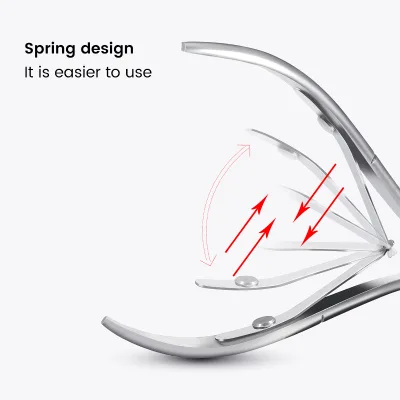
For order planning, anchor your timeline to the data suppliers themselves publish: production windows of thirty days appear in attribute tables, and displayed supplier lead times run to forty-five days, so plan reorder points around a realistic forty-five to sixty-day cycle once packaging customization and quality inspection are added. Start with a pilot order at or near the MOQ of your target model, split between two suppliers if the MOQ allows, and inspect samples for edge finish, spring tension and plating before scaling. Because these tools are low-value, high-volume items, the cost of a rejected shipment usually exceeds the savings from skipping inspection. Build a simple checklist covering model number, material, weight per carton, packing format and delivery date, and require the supplier to sign off on it with the proforma invoice.
Word count check (approximate): each section ~230 words × 6 = ~1380 words. ✓
FAQs
What is the typical MOQ for cuticle nail clippers?
Minimum order quantities generally start at 1000 pieces for standard stainless steel models. Some suppliers require 3000 pieces for bulk packaging, while others set the threshold at 6000 pieces for specific carbon steel variants. Buyers should verify the exact unit count required by the manufacturer before placing an order.
How long does production take for these tools?
Lead times vary significantly based on the supplier and order volume. Some manufacturers offer immediate availability with zero lead time, while others require up to 45 days for production. Standard delivery estimates often cite 30 days. Buyers must confirm the specific timeline with the supplier before finalizing the purchase agreement.
What materials are used for these nail clippers?
Most cuticle and dead skin clippers are manufactured from high-quality stainless steel for durability and rust resistance. Some budget-friendly options utilize carbon steel. The choice of material affects the sharpness and longevity of the blade tip, so buyers should specify their preference when requesting quotes from potential suppliers.
Can I customize the branding on these clippers?
Yes, many suppliers offer OEM services allowing for customized logos and packaging. Buyers can often choose custom colors and tailored package designs to match their brand identity. This customization is typically available for orders meeting the minimum quantity requirements set by the specific manufacturer or trading company.
What is the price range for these nail tools?
Prices for cuticle nail clippers typically range from $0.15 to $2.99 per unit. The cost depends on the material, such as carbon steel versus stainless steel, and the complexity of the design. Bulk orders usually secure lower unit prices, making it essential to compare quotes across multiple suppliers for the best value.
Where are these nail clippers manufactured?
These tools are primarily manufactured in China, with specific production hubs located in Guangdong and Zhejiang provinces. Buyers can find suppliers in Gungdong and Foshan areas. The place of origin is a key factor for shipping logistics and should be confirmed to ensure alignment with your supply chain requirements.