Source Portable Nail UV Lamp for Home, Salon, and Travel
Compare 30 Portable Nail UV Lamp options from verified suppliers. These devices feature varying wattages, LED counts, and certifications like CE and RoHS to suit home, salon, and travel needs; compare the available evidence and request quotations based on your requirements.
Updated
Key considerations
Products List


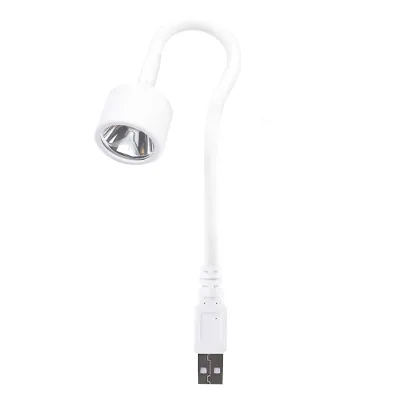
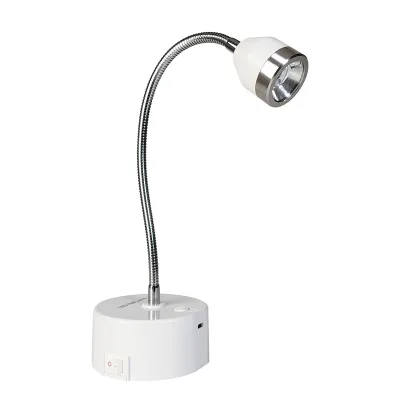


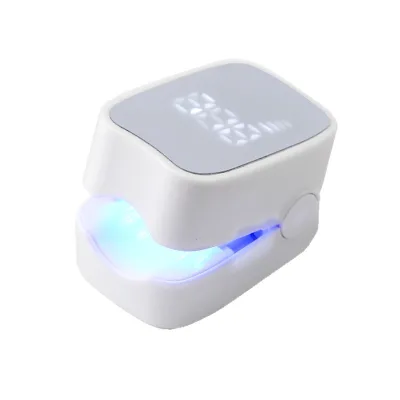
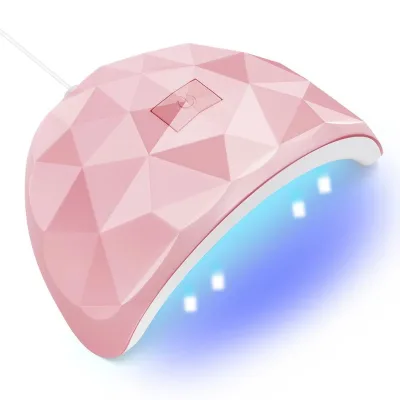
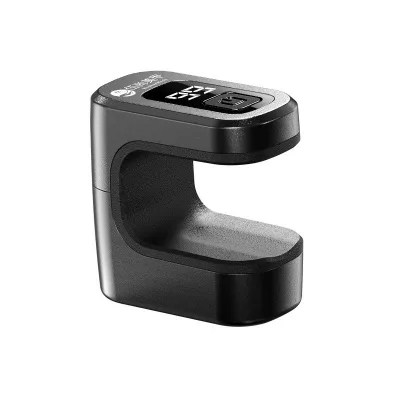

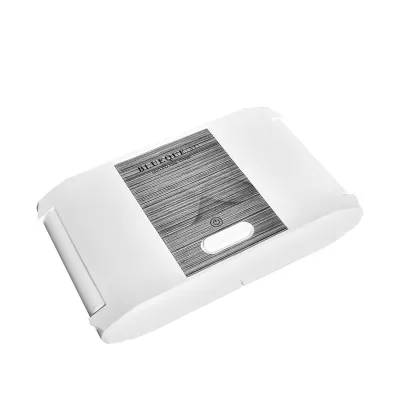
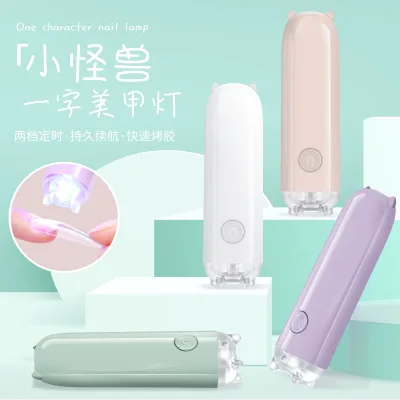


Professional High Power Cordless Portable Wireless UV LED Light Lamps Nail Lamp
$25.00 - $27.00
MOQ: 1000 Pieces

Comprehensive Sourcing Guide
Portable Nail UV Lamp Sourcing Guide
Sourcing portable nail UV lamps requires a careful balance between technical performance, regulatory compliance, and commercial viability. These devices are essential for curing UV gel polish in both professional salon environments and mobile beauty services. Buyers must navigate a market with significant variation in power output, LED configuration, and physical design to ensure the selected equipment meets specific operational needs. The following guide outlines the critical factors for evaluating suppliers and products in this category.
Procurement decisions should be driven by a clear understanding of the product’s intended use case, whether for high-volume salon use or individual technician mobility. Key differentiators include wattage, curing speed, and compatibility with various gel brands. This guide provides a structured approach to verifying technical specifications, ensuring safety compliance, and negotiating favorable terms with manufacturers, particularly those based in major manufacturing hubs like Zhejiang, China.
Product Scope and Observed Listing Signals
The observed market for portable nail UV lamps includes a diverse range of models, from compact single-finger phototherapy lamps to larger multi-LED curing units. Listings indicate product names such as "Mouse Mini LED Light Therapy Machine" and specific model numbers like FS-N04, FS-N08, and FS-N22. These variations suggest a spectrum of capabilities, with some units designed for specialized tasks like nail polish drying, while others serve as general-purpose UV curing stations for gel manicures.
Observed listing signals reveal significant diversity in physical attributes and power requirements. For instance, some units are described as having 45 UV LEDs with 220W power, while others feature 42 LEDs at 168W or even 57 lamp beads at 180W. Smaller, portable options may operate on USB power with 9W consumption, whereas larger desktop models require standard electric power supplies. Buyers should note that product weights range from lightweight 25g devices to heavier 540g units, impacting portability and shipping logistics.
Technical Specifications to Verify
When evaluating technical specifications, buyers must prioritize power output and LED configuration to ensure efficient curing times. Verify the number of UV LEDs and total wattage, as these directly impact the lamp’s ability to cure gel polish thoroughly. For example, models with 45 or 57 LEDs typically offer faster curing than those with fewer beads. Additionally, check the light source type, ensuring it is LED-based for energy efficiency and longevity, and confirm the presence of features like LCD display screens for precise timer control.
Physical dimensions and material composition are also critical for durability and fit. Verify the product size against available workspace, noting that some units measure approximately 23x20x10.5cm, while others are more compact. Materials such as ABS or PC/ABS are common, offering a balance of strength and weight. Ensure the power supply type matches your operational infrastructure, whether it requires a standard 220V electric plug or a USB connection for mobile use. Always confirm the plug standard (EU/US/UK) to avoid compatibility issues.
Compliance and Safety Documentation
Compliance with international safety standards is non-negotiable for nail UV lamps, particularly regarding electrical safety and material toxicity. Buyers must verify that suppliers provide valid certification documents, such as CE and RoHS marks, which indicate adherence to European health, safety, and environmental protection standards. Some listings also mention MSDS (Material Safety Data Sheet) compliance, which is crucial for understanding the chemical safety of any components or materials used in the lamp’s construction.
Beyond certifications, buyers should request detailed test reports for electromagnetic compatibility (EMC) and radio frequency interference (RFI). These tests ensure the lamp does not interfere with other electronic devices in a salon setting. Additionally, verify that the product meets relevant electrical safety standards for the target market, such as UL or GS marks for the US and Germany, respectively. Do not rely solely on supplier claims; insist on seeing the actual certification certificates and ensure they are issued by recognized testing bodies.
Cost Drivers and Commercial Terms
Cost drivers for portable nail UV lamps include the number of LEDs, power output, and the inclusion of advanced features like LCD displays or multiple timer settings. Higher wattage and more LED beads generally command higher prices due to increased component costs. Buyers should also consider the impact of packaging, with options ranging from simple cartons to premium color boxes, which can affect both unit cost and retail appeal. Minimum Order Quantities (MOQs) vary significantly, ranging from single units for sampling to thousands for bulk production, influencing per-unit pricing.
Commercial terms should be negotiated with a focus on total landed cost, including shipping, duties, and insurance. Lead times can vary based on order volume and customization requirements, so clarify production schedules upfront. Payment terms should be structured to mitigate risk, such as using secure payment methods or escrow services for initial orders. Additionally, inquire about warranty periods and after-sales support, as these factors can reduce long-term operational costs and downtime.
Supplier Qualification and Quality Control
Supplier qualification begins with verifying their manufacturing capabilities and quality management systems. Prioritize suppliers who have established production lines in recognized manufacturing hubs, such as Zhejiang, China, and who can provide evidence of consistent production quality. Request samples to physically inspect the build quality, including the sturdiness of the ABS or PC/ABS housing, the clarity of the LCD screen, and the alignment of the UV LEDs. This hands-on evaluation is crucial for assessing durability and user experience.
Implement a robust quality control process that includes pre-shipment inspections. Define clear acceptance criteria for defects, such as cracked housings, non-functional LEDs, or inaccurate timer settings. Consider hiring third-party inspection agencies to conduct random checks during production and before shipment. Additionally, verify the supplier’s ability to handle customization requests, such as logo printing or packaging modifications, ensuring they have the necessary processes in place to maintain quality during these variations.
Long-Term Procurement Checks
Long-term procurement success depends on establishing a reliable supply chain that can adapt to changing market demands and regulatory updates. Regularly review supplier performance metrics, including on-time delivery rates, product defect rates, and responsiveness to issues. Maintain open communication channels to address any emerging quality concerns promptly. It is also advisable to diversify your supplier base to mitigate risks associated with single-source dependency, ensuring continuity of supply even if one supplier faces disruptions.
Stay informed about evolving industry standards and consumer preferences, such as the shift towards LED-only lamps or the integration of smart features. Periodically reassess your product portfolio to ensure it remains competitive and compliant. Engage in continuous improvement initiatives with your suppliers, sharing feedback on product performance and suggesting enhancements. This collaborative approach fosters stronger partnerships and ensures that your procurement strategy remains aligned with long-term business goals and customer expectations.
FAQs
What certifications do portable nail uv lamps have?
Portable nail uv lamps typically hold CE, RoHS, and MSDS certifications to ensure safety and compliance. These standards verify that the devices meet international requirements for electrical safety and material restrictions. Buyers should verify specific documentation for each model to confirm regulatory adherence for their target markets.
How much power do these UV lamps consume?
Power consumption varies by model, ranging from 6W for mini units to 220W for high-capacity machines. Specific models like the FS-N08 operate at 168W, while the FS-N07 uses 180W. Lower wattage devices are suitable for single-finger curing, whereas higher wattage units support faster processing for multiple nails.
Can these lamps be customized for branding?
Yes, customization is available for many Portable Nail UV Lamp models. Buyers can often request specific packaging, such as color boxes or cartons, and potentially adjust product features. This flexibility allows businesses to tailor the aesthetic and functional aspects of the devices to match their brand identity and customer expectations.
What is the typical weight of a UV lamp?
Weights vary significantly based on the device type and build materials. Mini LED light therapy machines may weigh around 0.3kg, while larger units with ABS or PC/ABS materials can weigh up to 540g net. Heavier models often include more UV LEDs and robust housings for durability during frequent use.
Which materials are used in construction?
Portable nail uv lamps are commonly constructed from ABS plastic or a combination of PC and ABS materials. These materials provide durability, heat resistance, and a sleek finish. The choice of material ensures the device can withstand regular use while maintaining a lightweight profile for easy portability and handling by nail technicians.
What is the origin of these products?
Most portable nail uv lamps originate from Zhejiang, China, or other regions within China. This manufacturing hub is known for producing electronic beauty devices with competitive pricing and reliable supply chains. Buyers sourcing from these locations benefit from established infrastructure and a wide variety of model options for different market needs.