Source Water Chlorine Test Strips for Labs, Pools, and Industry
Compare 30 listings of Water Chlorine Test Strips from verified Chinese manufacturers. Buyers can evaluate parameters like 6 to 14 test items, shelf life, and customization options for medical and water testing applications; compare the available evidence and request quotations based on your requirements.
Key considerations
Products List


Urine Test Strip Urine Glucose Test Strip Rapid Response Urinalysis Test Strips
$4.50 - $5.00
MOQ: 500 bottle

High Quality pH Test Strips for Water pH Indicator Paper Strip Water Quality Testing Strip
$0.60 - $1.60
MOQ: 100 Pieces


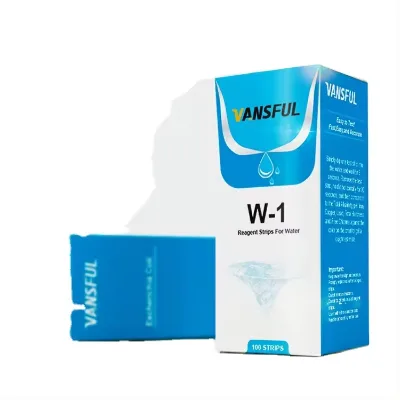
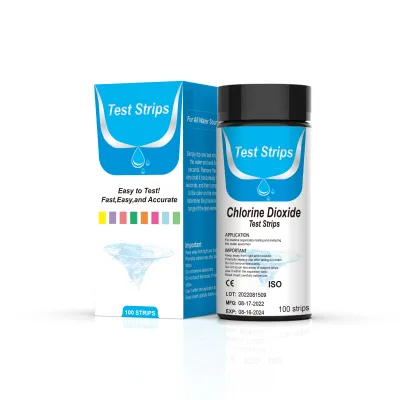
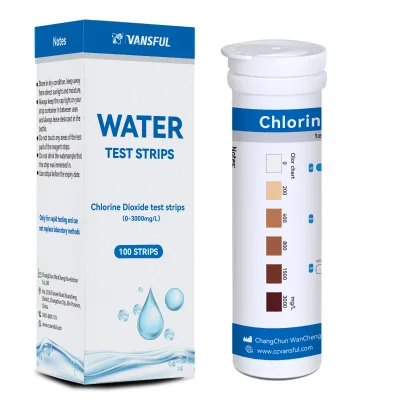
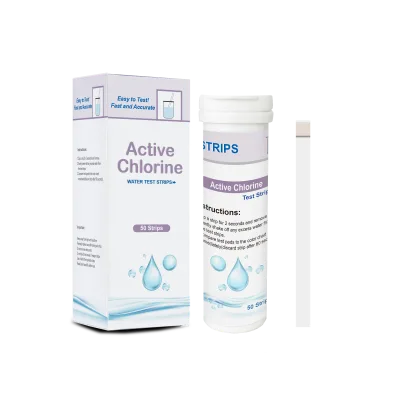
Comprehensive Sourcing Guide
Water Chlorine Test Strips Sourcing Guide
Procuring Water Chlorine Test Strips requires a clear understanding of the specific chemical parameters and environmental conditions under which the strips will be deployed. Buyers must distinguish between general water quality testing and specialized urinalysis applications, as the reagent chemistry and sensitivity levels differ significantly. The observed market data indicates a diverse range of product configurations, including strips with varying numbers of test parameters such as 6, 8, 10, 12, or 14 in one. This variability necessitates precise specification matching to ensure the selected product meets the exact analytical needs of the end-user, whether for municipal water monitoring, industrial process control, or clinical urine analysis.
The physical format and packaging of these strips also play a critical role in their usability and shelf life. Most products are supplied in standard export cartons or individual barrels containing 100 or 200 strips, with dimensions typically around 110mm by 5mm. Buyers should verify the packaging integrity to prevent moisture exposure, which can degrade the reagent pads before use. Additionally, the availability of customization options, such as logo printing and specific parameter combinations, allows organizations to tailor the product to their branding and operational requirements. Understanding these physical attributes helps in planning storage logistics and ensuring consistent performance across large procurement volumes.
Product Scope and Observed Listing Signals
The current market landscape for Water Chlorine Test Strips reveals a wide spectrum of product types, ranging from simple disposable test strips to more complex urinalysis reagent strips. The observed listings highlight products made from plastic or non-woven fabric materials, with some explicitly designed for visual urine testing and others for general water testing. This distinction is crucial for buyers, as the intended application dictates the necessary accuracy and parameter set. For instance, products labeled for urinalysis may include specific color charts for enhanced accuracy, while those for water testing might focus on chlorine concentration levels. Buyers must carefully review the product name and type descriptions to avoid purchasing mismatched items.
Listing signals also indicate variations in sterilization methods and quality guarantees. Some products are ethylene oxide sterilized, while others are not, which is a significant factor for medical or clinical applications. The quality guarantee period is typically listed as two years, aligning with the standard shelf life of the reagents. Buyers should pay close attention to these details, as they impact the suitability of the product for specific use cases. Furthermore, the availability of samples allows buyers to conduct preliminary testing before committing to large orders. This feature is particularly useful for verifying the color chart accuracy and the ease of interpretation of the test results in real-world conditions.
Technical Specifications to Verify
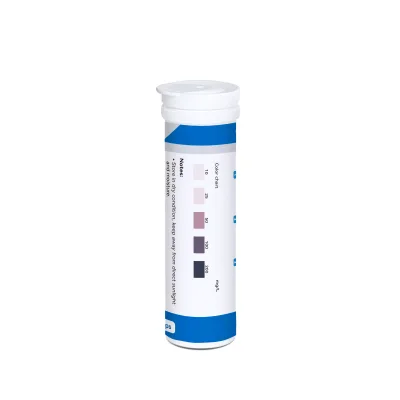
When evaluating technical specifications, buyers must prioritize the number of test parameters and the accuracy of the color chart. Products are available with configurations such as 6-in-1, 7-in-1, or 14-in-1, each offering a different level of detail. For water chlorine testing, it is essential to confirm that the strip includes a dedicated chlorine parameter with an appropriate sensitivity range. The color chart printing, often described as 8-color print, should be clear and durable to ensure accurate visual comparison. Buyers should request sample strips to test the color development time and the stability of the color change under various lighting conditions, as this directly affects the reliability of the test results.
The physical dimensions and material composition of the strips are also critical technical factors. Standard sizes like 110mm by 5mm are common, but buyers should verify that the strip length is suitable for the depth of the sample container. The material, whether plastic or non-woven fabric, should be inert and resistant to chemical degradation from the sample. Additionally, the packaging should provide adequate protection against humidity and light, which can compromise the reagent integrity. Buyers should also check if the product includes a detailed instruction manual or guide for interpreting the results, as this can reduce user error and improve the consistency of testing outcomes across different operators.
Compliance and Safety Documentation
Compliance with international standards is a non-negotiable aspect of sourcing Water Chlorine Test Strips, particularly for medical or regulated industrial applications. Buyers should verify that the supplier holds relevant certifications such as CE, ISO, RoHS, and FDA, which indicate adherence to quality management and safety regulations. These certifications provide assurance that the manufacturing process meets stringent requirements for material safety and product consistency. For products intended for urinalysis, additional medical device regulations may apply, requiring specific documentation to confirm their suitability for clinical use. Buyers must request copies of these certificates and verify their validity with the issuing bodies to ensure they are current and applicable to the specific product model.
Safety data sheets and sterilization certificates are also essential documents that buyers should obtain. If the product is ethylene oxide sterilized, a certificate confirming the sterilization process and residual levels should be provided. For non-sterilized products, buyers should ensure that the manufacturing environment maintains appropriate hygiene standards to prevent contamination. Additionally, buyers should review the product’s shelf life and storage requirements to ensure that the strips remain effective throughout their intended use period. Proper documentation not only facilitates regulatory compliance but also helps in establishing a robust quality assurance framework for the procurement process, reducing the risk of receiving non-compliant or unsafe products.
Cost Drivers and Commercial Terms
The cost of Water Chlorine Test Strips is influenced by several factors, including the number of test parameters, packaging complexity, and customization requirements. Products with more parameters, such as 14-in-1 strips, typically command a higher price due to the increased complexity of the reagent formulation. Customization options, such as logo printing or specific packaging designs, also add to the overall cost. Buyers should request detailed quotations that break down these costs to understand the price structure and identify potential areas for savings. Additionally, the minimum order quantity (MOQ) can vary significantly, ranging from small quantities for sampling to large volumes for bulk procurement, which impacts the unit price and overall budget planning.
Commercial terms, including payment methods, shipping arrangements, and lead times, are critical components of the procurement process. Buyers should negotiate favorable terms that align with their cash flow and inventory management strategies. For instance, longer lead times may allow for better pricing but require more advanced planning. Buyers should also consider the total cost of ownership, including shipping costs and potential tariffs, when evaluating quotations. Clear communication with the supplier regarding these terms helps in avoiding unexpected expenses and ensures a smooth transaction process. Additionally, buyers should establish clear criteria for product acceptance and return policies to mitigate the risk of receiving defective or non-conforming goods.
Supplier Qualification and Quality Control
Supplier qualification is a vital step in ensuring the reliability and consistency of Water Chlorine Test Strips. Buyers should conduct thorough due diligence on potential suppliers, assessing their manufacturing capabilities, quality control processes, and track record in the industry. This includes verifying their production facilities, equipment, and personnel qualifications to ensure they meet the required standards. Buyers should also review the supplier’s quality management system certifications and audit reports to confirm their commitment to quality. Engaging with suppliers who have a proven history of supplying to reputable organizations can provide additional confidence in their ability to deliver consistent product quality.
Quality control measures implemented by the supplier are equally important for maintaining product integrity. Buyers should inquire about the supplier’s testing protocols, including in-process checks and final product inspections. These measures should cover critical parameters such as reagent stability, color chart accuracy, and packaging integrity. Buyers may also request third-party testing reports or conduct their own sampling tests to verify the product’s performance. Establishing a clear quality agreement with the supplier, outlining specific quality standards and acceptance criteria, helps in aligning expectations and reducing the risk of disputes. Regular communication and feedback loops with the supplier can also help in identifying and addressing any quality issues promptly.
Long-Term Procurement Checks
Long-term procurement success depends on establishing a robust framework for ongoing supplier performance monitoring and product evaluation. Buyers should implement regular audits and performance reviews to assess the supplier’s adherence to quality standards and delivery commitments. This includes tracking key performance indicators such as on-time delivery rates, defect rates, and response times to issues. By maintaining a structured evaluation process, buyers can identify potential risks early and take corrective actions to mitigate them. Additionally, buyers should stay informed about any changes in regulatory requirements or industry standards that may impact the product, ensuring that the procurement strategy remains compliant and effective.
Continuous improvement and relationship building with suppliers are also essential for long-term procurement success. Buyers should foster open communication channels with their suppliers to facilitate collaboration and innovation. This includes sharing feedback on product performance and discussing potential improvements or new product developments. By working closely with suppliers, buyers can leverage their expertise to optimize the procurement process and enhance product quality. Additionally, buyers should regularly review their supplier base to ensure they have access to competitive pricing and reliable supply sources. This proactive approach helps in maintaining a resilient supply chain and ensures that the organization can meet its testing needs consistently and efficiently over time.
FAQs
What is the quality guarantee period for these test strips?
The quality guarantee period is two years for the water test strips. This duration matches the stated shelf life, ensuring reliability during storage and use in medical organizations or for urine specimen analysis without compromising accuracy.
Can I request a sample before placing a bulk order?
Samples are offered for these water test strips to verify quality. Buyers can evaluate the 110mm by 5mm strips or urinalysis reagent strips before committing to larger quantities, ensuring the product meets specific testing needs for water or urine.
Which certifications do the manufacturers hold for these strips?
Manufacturers hold CE, RoHS, ISO, and FDA certifications for these products. These standards confirm compliance with safety and quality requirements, making the strips suitable for medical organization testing and various water or urine analysis applications globally.
How are the test strips packaged for export shipping?
The strips are packed in export cartons containing 100 or 200 pieces per barrel. This standard export carton packaging protects the disposable strips during transit from China, ensuring they remain intact and ready for immediate use upon arrival.
What customization options are available for the product logo?
Logo printing is available for customization on the water test strips. Buyers can request specific branding on the strips or packaging, allowing for tailored solutions while maintaining the standard 110mm by 5mm size and high accuracy parameters.
Are the strips sterilized with ethylene oxide?
Some products are without ethylene oxide sterilization, while others include it. Buyers should verify the specific batch details, as availability varies between the water test strips and urinalysis reagent strips to meet different medical or safety requirements.
What is the minimum order quantity for these test strips?
The minimum order quantity ranges from 1 to 5000 units depending on the supplier. This flexibility allows buyers to start with small sample orders or scale up to large volumes for medical organizations while adhering to standard export carton packaging.