Source Water Emulsion Polyurethane Spray Foam for Wood, Leather, and Construction
Compare 30 listings for Water Emulsion Polyurethane Spray Foam suitable for wood, leather, and construction applications. Buyers can evaluate specifications like drying methods, pressure control, and packaging options from verified suppliers in Shandong, China.
Key considerations
Products List


High Quality One Component Multi-Purpose Waterproof Spray Polyurethane PU Foam
$1.00 - $2.30
MOQ: 15840 Pieces


36m Adhesive Waterproof Expanding Foam Flexible Polyurethane Spray Foam
$0.90 - $1.15
MOQ: 2000 Pieces




Comprehensive Sourcing Guide
Water Emulsion Polyurethane Spray Foam Sourcing Guide
Sourcing Water Emulsion Polyurethane Spray Foam requires a nuanced understanding of both the chemical formulation and the application equipment, as these products often intersect with broader categories of polyurethane coatings, adhesives, and spray systems. While the core keyword suggests a specific foam product, the available market data indicates a complex landscape where polyurethane is utilized in various forms, including liquid coatings, double-component adhesives, and high-pressure spray equipment. Buyers must carefully distinguish between true spray foam insulation materials and polyurethane-based liquid coatings or adhesives that may be applied via spray methods. The distinction is critical because the performance characteristics, curing mechanisms, and end-use applications differ significantly between rigid foam insulation and liquid-applied polyurethane finishes or bonding agents.
The procurement process for these materials involves evaluating not just the chemical product but also the associated application technology. Many suppliers list polyurethane products alongside spray equipment, such as high-pressure airless spray guns and low-pressure spray systems, suggesting that the sourcing decision often encompasses both the material and the method of application. This integration means that buyers need to verify compatibility between the polyurethane formulation and the spraying hardware to ensure optimal performance. Furthermore, the presence of double-component adhesives and conversion-type formation mechanisms in the market data highlights the importance of understanding the curing process, whether it relies on moisture activation, chemical reaction, or air drying, to select the right product for the intended industrial or commercial use.
Product Scope and Observed Listing Signals
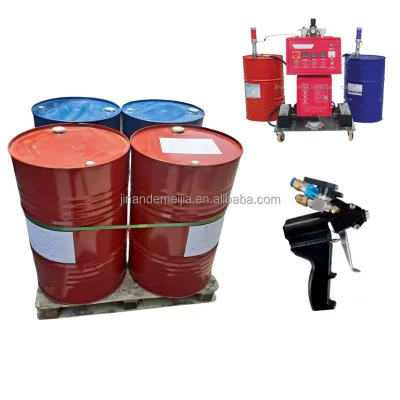
The observed product listings reveal a diverse range of polyurethane-based solutions, primarily focusing on liquid coatings and adhesives rather than traditional expanding foam insulation. Key attributes include polyurethane as the main raw material, with products classified as finish coats or double-component adhesives. The appearance is consistently noted as liquid, and the formation mechanism is often described as conversion type, indicating a chemical curing process rather than simple physical drying. This suggests that the market segment for "water emulsion polyurethane" in this context leans heavily towards protective coatings, bonding agents, and specialized finishes rather than bulk insulation foams. Buyers should interpret "spray foam" in this context as potentially referring to spray-applied polyurethane coatings or adhesives that may have foaming properties during application but cure into a solid film or bond.
Application versatility is a significant signal in the current market, with polyurethane products listed for use on wood, porcelain, plastic, hardware, shoes, leather belts, apparel, and even agricultural equipment. This broad applicability indicates that the polyurethane formulations are engineered for adhesion and durability across multiple substrates, including ceramic and other specialized materials. The presence of products labeled for woodworking, construction, and automobile applications further underscores the industrial nature of these offerings. Buyers should recognize that the term "spray foam" might be used loosely in some listings to describe spray-applied polyurethane systems that provide sealing, bonding, or finishing functions, rather than thermal insulation foam. Understanding this distinction is vital for aligning product selection with specific project requirements, whether the goal is aesthetic finishing, structural bonding, or surface protection.
Technical Specifications to Verify
When evaluating polyurethane spray products, buyers must verify the specific application method and equipment compatibility, as the market data highlights a variety of spray technologies. Products are associated with high-pressure airless spray equipment, high-performance low-pressure spray equipment, and manual application methods, indicating that the viscosity and curing speed of the polyurethane formulation will dictate the required hardware. Specifications such as hose length, power source (single phase or electric), and output capacity are critical factors that influence the efficiency and quality of the application. Buyers should ensure that the polyurethane product’s rheological properties match the capabilities of their existing spray equipment or plan for necessary equipment upgrades to achieve uniform coverage and proper curing.
The physical and chemical specifications of the polyurethane products also require careful scrutiny, particularly regarding packaging, standardization, and model numbers. Listings indicate packaging in 200L drums, wooden cases, pallets, or smaller carton quantities, which affects storage, handling, and logistics planning. Standards such as "A & B" suggest that some products are two-component systems requiring precise mixing ratios, while others may be single-component formulations. Buyers must verify the exact model numbers, such as CNMC-A25, HIGHTOP, or HT, to access detailed technical data sheets that specify pot life, cure time, and final film properties. Additionally, the classification of the product as a finish coat or an instant adhesive will determine the appropriate technical parameters for quality control, including adhesion strength, flexibility, and resistance to environmental factors.
Compliance and Safety Documentation
Safety and regulatory compliance are paramount when sourcing polyurethane spray products, given the potential hazards associated with chemical handling and application. The market data indicates that many products carry certifications such as CE, ISO, RoHS, and REACH, which are essential for ensuring that the materials meet international safety and environmental standards. Buyers should request and verify these certification documents to confirm that the polyurethane formulations do not contain prohibited substances and that they comply with the regulatory requirements of the destination market. The emphasis on environmental protection as a product advantage suggests that some suppliers are focusing on low-VOC or eco-friendly formulations, which can be a significant factor in meeting green building standards or corporate sustainability goals.
In addition to product certifications, buyers must ensure that the suppliers provide comprehensive safety data sheets (SDS) and handling instructions. The application of polyurethane products, especially those involving spray equipment, requires proper personal protective equipment (PPE) and ventilation to mitigate risks associated with inhalation or skin contact. The presence of double-component adhesives and conversion-type formation mechanisms implies that chemical reactions occur during application, which can generate heat or fumes. Buyers should verify that the supplier’s documentation clearly outlines the curing process, potential hazards, and first-aid measures, ensuring that their workforce is adequately trained and equipped to handle the materials safely. Compliance with local occupational health and safety regulations is also critical to avoid legal liabilities and ensure a safe working environment.
Cost Drivers and Commercial Terms
The cost of polyurethane spray products is influenced by several factors, including the raw material composition, packaging format, and order volume. The observed price range of $0.65 to $3800 USD reflects the diversity of products available, from small consumer-grade adhesives to large industrial coatings or equipment. Buyers should analyze the cost per unit volume or weight to compare products accurately, as the MOQ (Minimum Order Quantity) ranges from 1 to 15840 units, allowing for flexibility in procurement strategies. Larger orders may benefit from economies of scale, but buyers must also consider storage capacity and shelf life to avoid waste. The packaging options, such as 200L drums or wooden cases, also impact the total landed cost, as they affect shipping volume and handling requirements.
Commercial terms, including after-sales service and warranty, are important considerations in the procurement process. Many suppliers offer a one-year after-sales service, which can provide valuable support in case of product defects or application issues. Buyers should clarify the scope of this service, including whether it covers technical assistance, product replacement, or equipment repair. Additionally, the availability of customization options, such as specific colors, viscosities, or packaging sizes, may incur additional costs but can be essential for meeting specific project requirements. Buyers should negotiate clear terms regarding payment methods, delivery schedules, and liability for damages during transit to ensure a smooth procurement experience. Understanding these commercial dynamics helps in building a sustainable supply chain that balances cost efficiency with quality assurance.
Supplier Qualification and Quality Control
Supplier qualification is a critical step in sourcing polyurethane spray products, as the quality of the material directly impacts the performance of the final application. Buyers should verify the supplier’s manufacturing capabilities, quality management systems, and production standards. The presence of ISO certifications suggests that some suppliers adhere to international quality management practices, but buyers should request detailed audit reports or third-party verification to confirm compliance. Additionally, the origin of the products, primarily from Shandong, China, should be considered in the context of the supplier’s reputation and track record in the global market. Buyers should assess the supplier’s ability to maintain consistent product quality across batches, which is essential for large-scale industrial applications.
Quality control measures should be established to ensure that the polyurethane products meet the specified technical requirements. Buyers should implement incoming inspection protocols to verify key attributes such as viscosity, color, and packaging integrity. For double-component products, it is crucial to verify the mixing ratio and pot life to ensure proper curing. Regular testing of the applied product, including adhesion tests and durability assessments, can help identify any deviations from the expected performance. Buyers should also establish a feedback loop with the supplier to address any quality issues promptly and to drive continuous improvement. By maintaining rigorous quality control standards, buyers can minimize the risk of product failures and ensure the reliability of their supply chain.
Long-Term Procurement Checks
Long-term procurement success depends on continuous monitoring of supplier performance and market trends. Buyers should regularly review supplier delivery times, product consistency, and responsiveness to issues to ensure that the supply chain remains robust. The polyurethane market is dynamic, with ongoing advancements in formulation technology and application methods. Buyers should stay informed about new product developments, such as improved environmental formulations or enhanced performance characteristics, to identify opportunities for optimization. Additionally, monitoring regulatory changes and certification requirements is essential to ensure ongoing compliance and avoid disruptions in supply.
Building a strong relationship with suppliers is also key to long-term procurement success. Buyers should engage in regular communication with suppliers to discuss future needs, potential challenges, and collaborative improvement initiatives. This partnership approach can lead to better pricing, priority access to new products, and enhanced technical support. Buyers should also consider diversifying their supplier base to mitigate risks associated with single-source dependencies. By maintaining a proactive and strategic approach to procurement, buyers can ensure a stable and efficient supply of polyurethane spray products that meet their evolving business needs.
FAQs
What is the main raw material for this polyurethane spray foam?
The main raw material is polyurethane, forming a conversion-type film. This composition supports its use as a finish coat on various substrates including wood, porcelain, and plastic. The liquid appearance allows for easy application via spray equipment, ensuring consistent coverage and durability for industrial coating needs.
Can this product be used for wood and plastic spraying?
Yes, it is designed for wood, porcelain, plastic, and hardware spraying equipment. The application versatility makes it suitable for diverse manufacturing environments. Its liquid form and conversion-type formation mechanism ensure effective bonding and finishing on these specific materials, supporting broad industrial utility.
What certifications does this polyurethane product hold?
The product holds CE, ISO, RoHS, and REACH certifications. These credentials verify compliance with international safety and environmental standards. Such certifications are critical for buyers requiring regulated materials, ensuring the polyurethane spray foam meets rigorous quality and sustainability benchmarks for global trade.
How is the product packaged and shipped?
Packaging varies by model, including 200L drums, wooden cases, pallets, and wooden packaging. This flexibility accommodates different logistics requirements and order sizes. Buyers can select packaging that best suits their storage and transportation needs, ensuring product integrity during transit from the origin in Shandong, China.
What is the after-sales service period for this equipment?
The after-sales service period is one year. This warranty covers support for the high-pressure airless spray equipment and related components. Buyers receive dedicated assistance for troubleshooting and maintenance, ensuring operational continuity and maximizing the lifespan of the spraying machinery in industrial settings.
What is the power source for the spray equipment?
The equipment utilizes a single-phase electric power source. This standard electrical requirement simplifies integration into most industrial facilities. The electric drive ensures reliable operation for high-pressure airless spraying, providing consistent performance for applications involving wood, leather, and automotive coatings without complex fuel systems.