Source Water Drop Carbon Composite Paddle for SUP, Kayak, Fishing
Find 30 Water Drop Carbon Composite Paddle options for stand-up paddleboarding, kayaking, and fishing. Compare detachable designs, carbon fiber materials, and custom sizes from Chinese manufacturers to find the right gear for your water sports needs; compare the available evidence and request quotations based on your requirements.
Key considerations
Products List
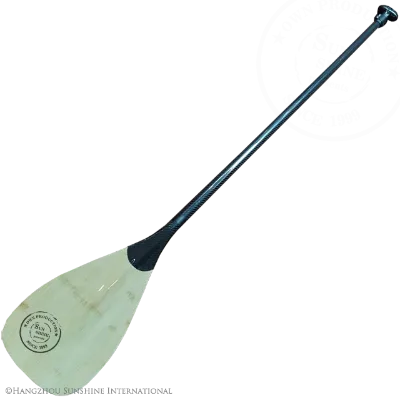
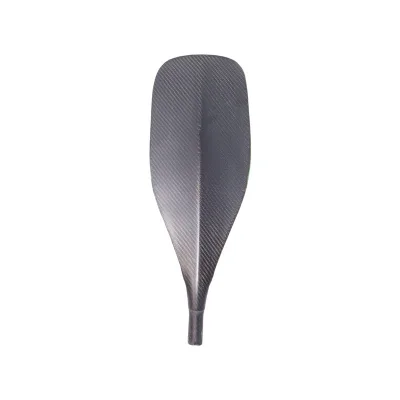
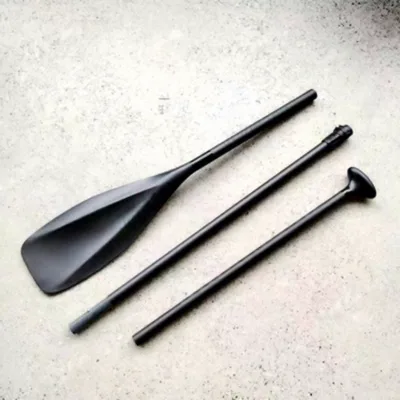
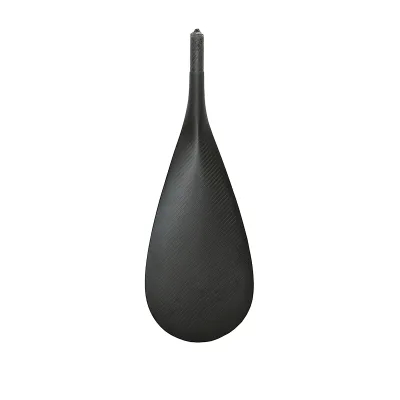
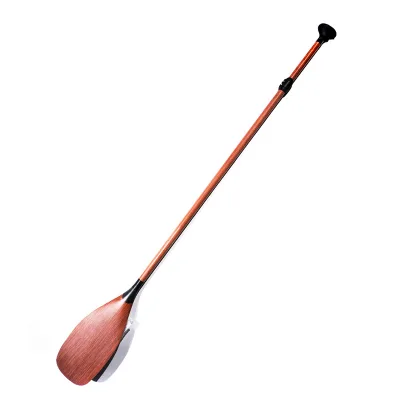
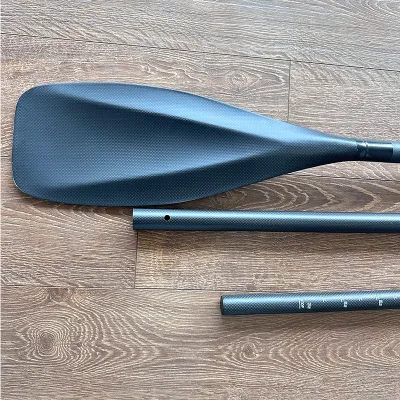
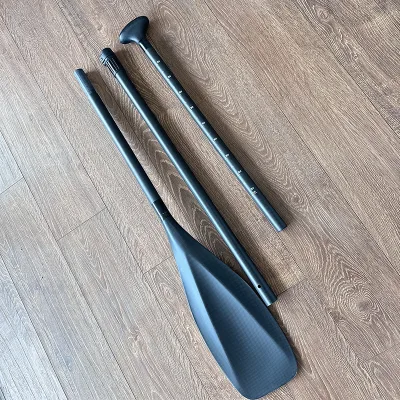
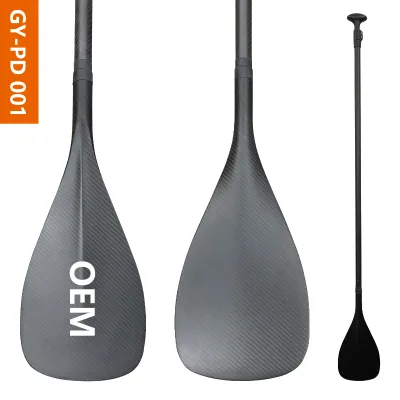
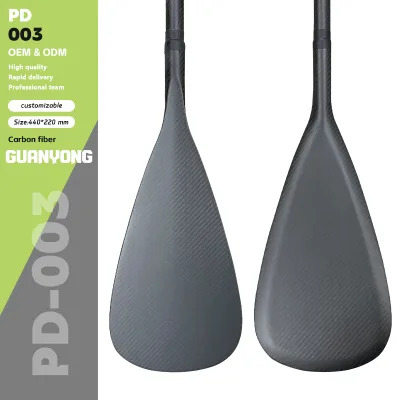
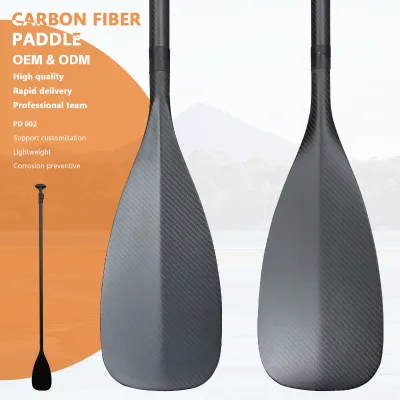
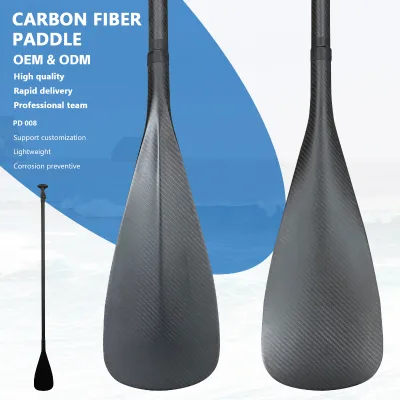
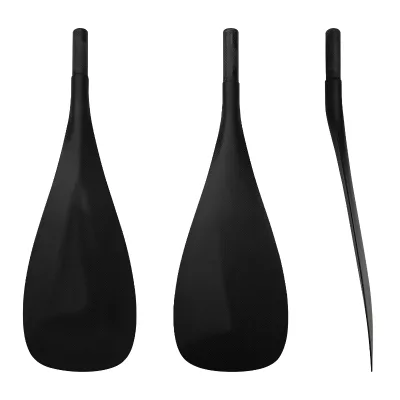
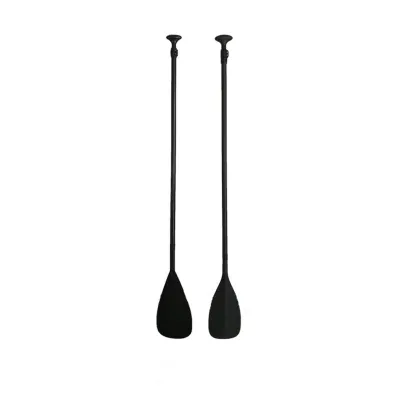
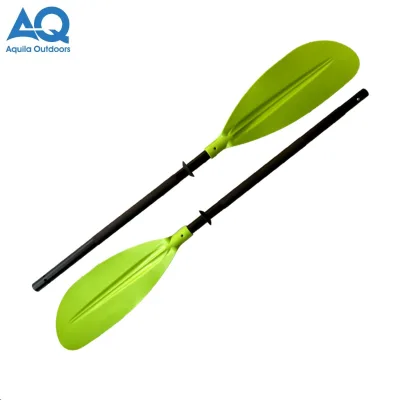
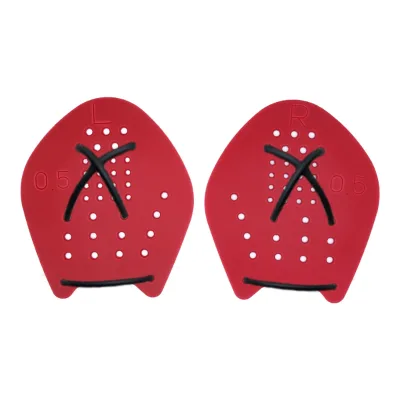
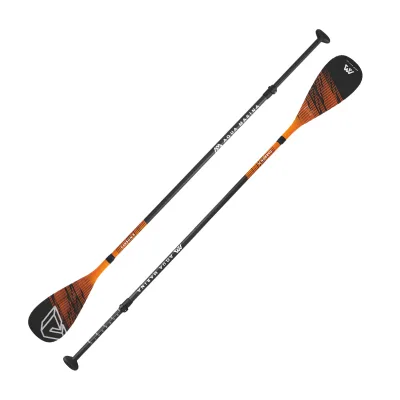


Stand up Paddle High Quality Non-Adjustable Carbon Fiber Surfboard Paddle
$30.00 - $89.00
MOQ: 10 Pieces

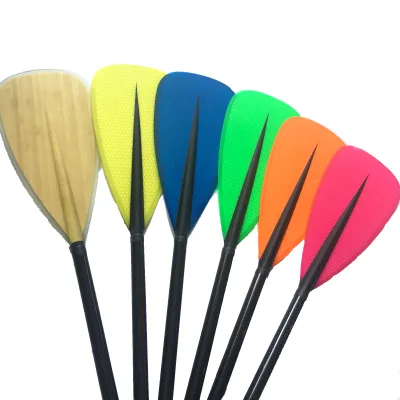
Sup Paddles Adjustable Carbon/Fiberglass Paddle Honeycomb Blade SUP-Paddle 3 Piece
$35.00 - $40.00
MOQ: 50 pieces
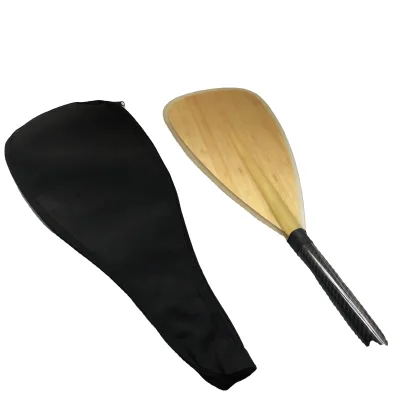

Customized Service Water Transfer Printing Fiber Glass/Carbon Paddle for Sup, Kayak
$10.00 - $15.00
MOQ: 10 Pieces


![[Carbon Fiber] 4 Pieces Adjustable Lightweight Detachable Carbon Kayak Paddle](https://image.made-in-china.com/221f0j00TjZVBJGaHbfL/-Carbon-Fiber-4-Pieces-Adjustable-Lightweight-Detachable-Carbon-Kayak-Paddle.webp)
Comprehensive Sourcing Guide
Water Drop Carbon Composite Paddle Sourcing Guide
Buyers evaluating water drop carbon composite paddles must first distinguish between full carbon fiber constructions and hybrid bamboo-carbon designs observed in current listings. The market presents distinct variations where some suppliers offer detachable three-piece models optimized for portability, while others provide fixed-blade units specifically engineered for calm lake conditions or ocean waters. Understanding these material and structural differences is critical before initiating any procurement dialogue, as the performance characteristics and durability expectations vary significantly between a lightweight 0.8kg carbon unit and a heavier bamboo composite alternative.
Procurement teams should also scrutinize the specific application claims associated with each listing, noting that some products are explicitly marketed for fishing activities while others target general stand-up paddleboarding or kayaking. The observed data indicates a wide range of sizes, from 170cm to 210cm, and varying package dimensions that directly impact shipping logistics and storage requirements. Buyers must align their specific water conditions, such as breezy calm waters versus open ocean environments, with the manufacturer's stated design intent to ensure the selected paddle meets the necessary performance thresholds for their intended use cases.
Product Scope and Observed Listing Signals
The current market landscape for carbon composite paddles reveals a fragmented supply base with significant variation in minimum order quantities, ranging from single-piece samples to bulk orders of 1000 units. This disparity suggests that buyers can access both small-batch prototyping options and large-scale commercial supply chains, though the unit economics and lead times will differ drastically between these tiers. Sourcing strategies must account for these MOQ differences, as a supplier requiring 50 pieces may offer different pricing structures compared to one accepting a single unit, directly influencing the total cost of ownership for small retailers versus large distributors.
Listing signals further indicate that packaging and dispatch logistics are standardized across many suppliers, with most items shipped in cartons from major Chinese ports like Shanghai or Ningbo. However, the observed single package sizes vary from 65x25x9 cm to 90x20x10 cm, which necessitates precise freight cost calculations before finalizing any purchase agreement. Buyers should verify whether the listed selling units are single items or part of a combo set, as the absence of bundled accessories in some listings may require separate procurement of mounting hardware or carrying bags to complete the product offering.
Technical Specifications to Verify
Technical due diligence requires a rigorous verification of material composition, specifically confirming whether the paddle is constructed from full carbon fiber or a composite blend that includes bamboo elements. The observed listings show conflicting material claims, with some products explicitly stating "Full carbon fiber" while others describe a "Bamboo Stand Up Boat Paddle Carbon Paddle" hybrid. Buyers must request detailed material certificates or cross-section analysis to validate the carbon content percentage, as this directly dictates the stiffness, weight, and vibration dampening properties essential for high-performance water sports applications.
Dimensional consistency is another critical verification point, as the observed size ranges span from 175cm to 210cm with custom options available. Procurement teams must ensure that the selected model number corresponds to the exact blade length and shaft diameter required for the target demographic, particularly since some listings specify sizes like 20x165 cm while others offer broader ranges. Additionally, the weight specifications vary from approximately 700 grams to 4.0 kg gross weight, requiring buyers to confirm the net weight of the paddle itself to avoid discrepancies in shipping costs and user fatigue during extended use.
Compliance and Safety Documentation
While the provided data does not explicitly list specific certification standards, buyers must demand proof of compliance with international safety regulations for water sports equipment before finalizing any contract. The absence of visible certification marks in the initial listing signals necessitates a proactive request for test reports regarding tensile strength, impact resistance, and material toxicity. Suppliers should be required to demonstrate that their carbon fiber manufacturing processes adhere to relevant environmental and safety standards, ensuring that the finished product does not release harmful particulates or degrade prematurely under UV exposure.
Documentation regarding the origin of materials and the manufacturing facility is equally vital for risk mitigation, especially given the multiple reported places of origin including Zhejiang, Guangdong, and Shandong. Buyers should verify that the supplier can provide traceability records for the carbon fiber sheets and resin systems used in production to prevent the inclusion of substandard or recycled materials. Furthermore, any claims regarding the durability or specific performance features, such as the "3-piece detachable" design, must be backed by third-party testing data to validate the structural integrity of the locking mechanisms under load.
Cost Drivers and Commercial Terms
The observed price range of 1.54 to 408.22 USD highlights the extreme variance in value propositions, driven primarily by material quality, manufacturing complexity, and order volume. High-end full carbon fiber models with custom sizing and lightweight specifications command premium pricing, whereas entry-level bamboo-carbon hybrids or generic models are available at significantly lower cost points. Buyers must analyze the cost per unit against the specific performance requirements of their market, recognizing that the lowest price may not correlate with the best value if the product fails to meet the durability expectations of serious water sports enthusiasts.
Commercial terms regarding supply ability and lead times are critical factors that can disrupt procurement schedules if not carefully managed. The observed supply capacity of 600 pieces per month for certain models indicates a potential bottleneck for large orders, requiring buyers to plan their inventory replenishment cycles well in advance. Additionally, the variation in selling units and packaging details means that freight costs can fluctuate significantly based on the density and dimensions of the shipment, necessitating a detailed total landed cost analysis that includes all logistics expenses before committing to a supplier.
Supplier Qualification and Quality Control
Supplier qualification should extend beyond basic contact information to include a thorough assessment of their production capabilities and quality control protocols. Given the multiple reported brand names and OEM capabilities, buyers must verify whether the supplier operates a dedicated manufacturing facility or acts as a trading company sourcing from third-party factories. Direct engagement with the production team is recommended to understand their process for maintaining consistency in carbon fiber layup and resin curing, which are critical factors in preventing delamination or structural failure during use.
Quality control measures must be explicitly defined in the purchase agreement, including requirements for pre-shipment inspections and random sampling protocols. Buyers should insist on a clear definition of acceptable defect rates and the procedures for handling non-conforming goods, particularly given the high-value nature of carbon fiber products. Establishing a robust communication channel for real-time updates on production status and quality issues will help mitigate risks associated with the observed variations in product descriptions and specifications across different listings.
Long-Term Procurement Checks
Establishing a long-term partnership requires a commitment to continuous performance monitoring and periodic re-evaluation of supplier capabilities. Buyers should implement a system for tracking field performance data, including customer feedback on paddle durability, weight consistency, and blade integrity over time. This data-driven approach allows for the identification of potential quality drifts or manufacturing inconsistencies that may not be apparent during the initial sampling phase, ensuring that the supply chain remains reliable and responsive to market demands.
Strategic planning for future procurement should also account for potential changes in material costs and supply chain dynamics, particularly for carbon fiber which is subject to global market fluctuations. Buyers must maintain flexibility in their sourcing strategy to adapt to new product innovations or shifts in supplier capacity, such as the observed variations in place of origin and model numbers. Regular audits of the supplier's financial stability and operational capacity will help ensure that the partnership remains viable and capable of supporting long-term growth and market expansion.
FAQs
What materials are used in these paddles?
The paddles are constructed from full carbon fiber or bamboo composite materials. Full carbon fiber options offer lightweight durability for performance, while bamboo variants provide a natural aesthetic. Both materials are selected for their strength-to-weight ratio, ensuring efficient propulsion during stand-up paddleboarding and kayaking activities without compromising structural integrity.
Can the paddle be adjusted for different users?
Yes, the paddle features a 3-piece detachable design that allows for size customization. The adjustable size range typically spans from 170cm to 210cm, accommodating various user heights and preferences. This modular structure ensures a comfortable fit for unisex users, enhancing control and reducing fatigue during extended water sports sessions on lakes or rivers.
What is the minimum order quantity for bulk purchase?
The minimum order quantity varies by supplier, ranging from 1 piece for samples to 1000 pieces for large batches. Some suppliers require a minimum of 50 pieces, while others accept orders starting at 10 pieces. Buyers should verify specific MOQ requirements with manufacturers to align with their inventory needs and budget constraints effectively.
Where are these paddles manufactured?
These paddles are manufactured in China, with production facilities located in provinces such as Zhejiang, Guangdong, and Shandong. The products are dispatched from major ports like Shanghai or Ningbo. This geographic concentration ensures efficient logistics and supply chain management for international buyers seeking reliable sourcing partners for water sports equipment.
How heavy is a single carbon fiber paddle?
A single carbon fiber paddle typically weighs between 0.8kg and 4.0kg, depending on the specific model and construction. Lightweight variants around 0.8kg are ideal for performance-oriented activities, while heavier models may offer enhanced durability. The single gross weight is clearly specified to help buyers calculate shipping costs and handle the equipment comfortably.
What packaging is used for shipping?
Paddles are packaged in cartons to ensure safe transit. The single package size varies, with dimensions such as 90x20x10 cm or 65x25x9 cm depending on the model. This standardized packaging protects the detachable components from damage during logistics. Buyers should confirm packaging details with suppliers to optimize storage and handling upon arrival at their destination.