Source Waterless Commercial Electric Aroma Diffuser for Hotel, Home, Office
Find 30 waterless commercial electric aroma diffusers with features like APP control, timing functions, and HVAC connectivity. Compare models such as Vf3000abw and Vs1300abw for hotel, home, and commercial use with capacities ranging from 150ml to 1000ml; compare the available evidence and request quotations based on your requirements.
Updated
Key considerations
Products List


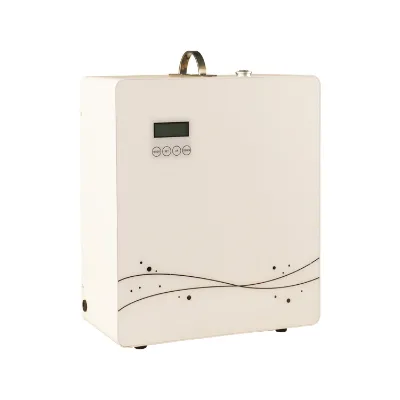
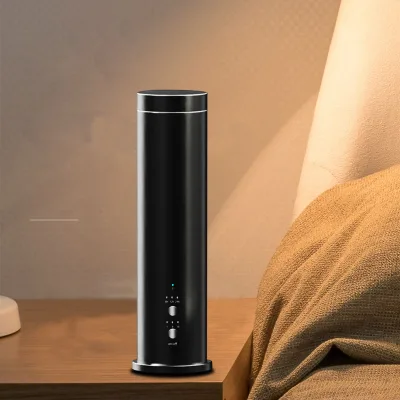
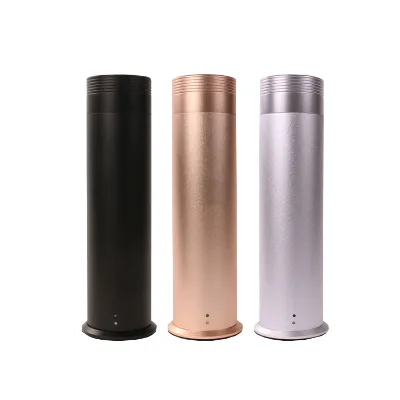
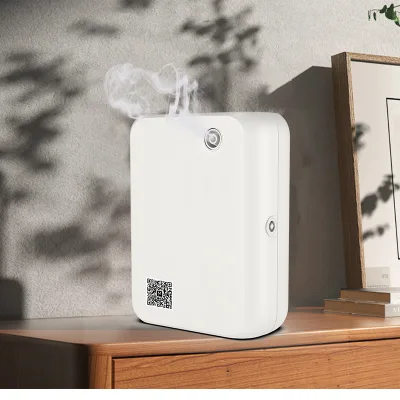
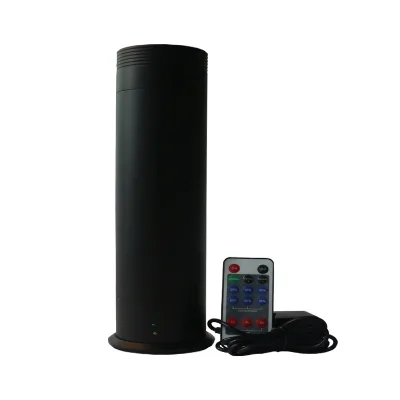


Waterless Air Scent Machine Bluetooth APP Control Electric Aroma Diffuser
$19.83 - $21.64
MOQ: 2 Pieces


180ml WiFi Aroma Diffuser with Waterless Scent Technology for HVAC Systems
$50.00 - $60.00
MOQ: 1 Pieces

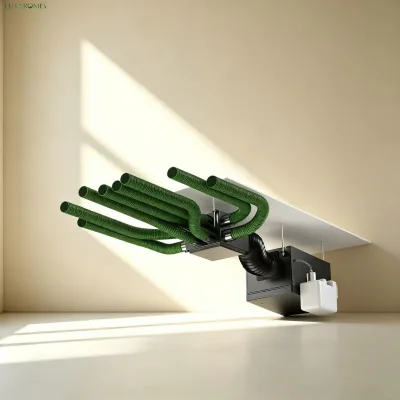


Aroma Diffuser Electric Waterless Essential Oil Fragrance Diffuser HVAC
$25.00 - $36.00
MOQ: 49 Pieces
Comprehensive Sourcing Guide
Waterless Commercial Electric Aroma Diffuser Sourcing Guide
Procuring waterless commercial electric aroma diffusers requires a shift from traditional humidification models to pure essential oil atomization systems. These devices utilize specialized nebulizing or ultrasonic technologies to disperse fragrance without diluting it with water, ensuring the aromatic profile remains potent and consistent throughout the treatment area. Buyers must distinguish between simple plug-in units and complex HVAC-integrated systems, as the latter often require professional installation and integration with existing building management infrastructure. The decision hinges on whether the primary goal is ambient scent marketing in hospitality settings or therapeutic diffusion in wellness centers.
The market offers a diverse range of form factors, from wall-mounted units designed for discreet integration into hotel corridors to tabletop models intended for personal or small office use. Understanding the power supply requirements is critical, as many commercial-grade units operate on low-voltage DC power, such as 12V, to ensure safety in environments where water and electricity are in close proximity. Buyers should evaluate the control mechanisms, noting that modern systems increasingly feature smart connectivity options like Bluetooth, WiFi, or dedicated mobile applications, allowing for remote scheduling and intensity adjustments. This connectivity transforms the diffuser from a passive dispenser into an active component of a smart building ecosystem.
Product Scope and Observed Listing Signals
Current market listings reveal a wide spectrum of product capabilities, with observed price points ranging from approximately $9.14 to $235.40 USD, reflecting significant variations in build quality, material composition, and technological sophistication. The minimum order quantities (MOQ) typically span from single units for sampling up to 100 pieces for bulk commercial deployment, indicating flexibility for both small boutique hotels and large chain establishments. Buyers should note that customization is widely available, including logo printing and acrylic panel pattern customization, which are essential for brand consistency in commercial environments. This variability suggests that price alone is not a reliable indicator of performance without verifying specific technical attributes.
Observed product attributes highlight distinct operational profiles, with power types consistently identified as electric and usage scenarios covering both home and hotel environments. Some models feature wall-mounted styles with substantial dimensions, such as 309240103.2 mm, while others are compact tabletop units measuring 14063160mm. The material composition varies significantly, with some units constructed from durable metal or aluminum alloy for longevity, while others utilize polypropylene (PP) for cost-effective portability. These physical differences directly impact the device's durability, aesthetic integration, and suitability for high-traffic commercial areas versus residential use.
Technical Specifications to Verify
When evaluating technical specifications, buyers must prioritize the atomization rate and oil capacity to ensure the device meets the scent intensity requirements of the target space. For instance, certain wall-mounted models offer a high atomization amount of 4.5ml/H to 5ml/H with a large 1000ml essential oil capacity, making them suitable for expansive commercial areas like lobbies or large conference rooms. In contrast, smaller tabletop units may have a lower consumption rate of 2-2.2ml/Hr with a 150ml capacity, better suited for smaller offices or personal use. Verifying these metrics prevents under-performance in large spaces or excessive operational costs due to frequent refilling in high-demand environments.
Power and control specifications are equally critical for operational efficiency and user experience. Many commercial units operate on DC 12V power with low wattage consumption, such as 4.6W or 8W, which minimizes energy costs and enhances safety. Advanced features like HVAC system connection, timing functions, and intelligent time control via Bluetooth or WiFi allow for precise scheduling and integration with building automation systems. Additionally, noise levels should be verified, with some models reporting quiet operation around 37dB, ensuring that the diffuser does not disrupt the ambient environment in quiet zones like libraries or spa treatment rooms.
Compliance and Safety Documentation
Safety is paramount in commercial installations, particularly when dealing with electrical components in potentially humid or sensitive environments. Buyers should verify that all units incorporate safety lock designs to prevent unauthorized access or accidental modification of settings, which is crucial in public-facing areas like hotels or hospitals. The use of low-voltage DC power supplies further reduces electrical hazards, but documentation confirming the quality of the DC adapter and internal wiring insulation is essential. Ensuring that the housing materials, whether aluminum alloy or PP, are flame-retardant and non-toxic adds another layer of safety compliance for commercial liability protection.
While specific certification statuses may vary by manufacturer, buyers should request evidence of compliance with relevant regional electrical and safety standards. The presence of a reach certification, as noted in some background contexts, indicates adherence to strict chemical safety regulations, which is vital for products that interact with essential oils and air quality. Procurement teams must ensure that all supplied documentation, including test reports for electrical safety and material composition, is up-to-date and valid for the destination market. This due diligence protects the buyer from regulatory penalties and ensures the product can be legally installed and operated in commercial facilities.
Cost Drivers and Commercial Terms
The total cost of ownership for waterless aroma diffusers is influenced by several factors beyond the initial unit price, including customization fees, packaging requirements, and shipping logistics. Customized logos and acrylic panel patterns often incur additional setup costs, which should be factored into the budget for branded deployments. The physical dimensions and weight of the units, ranging from lightweight tabletop models to heavier wall-mounted systems, directly impact shipping costs and handling requirements. Buyers should negotiate clear terms regarding packaging standards to prevent damage during transit, especially for units with delicate internal atomization components.
Volume discounts and MOQ structures play a significant role in commercial procurement strategies. With observed MOQs ranging from 1 to 100 units, buyers can start with small pilot orders to test performance before committing to larger purchases. However, bulk orders may unlock better pricing tiers, particularly for standardized models without extensive customization. It is advisable to clarify lead times and production schedules early in the negotiation process, as custom manufacturing can extend delivery windows. Understanding these commercial terms helps in planning inventory levels and ensuring timely deployment across multiple locations.
Supplier Qualification and Quality Control
Selecting a reliable supplier requires rigorous verification of their manufacturing capabilities and quality control processes. Buyers should assess the supplier's ability to maintain consistent atomization rates and power output across large production batches, as variations can lead to inconsistent scent distribution in commercial settings. Requesting samples from different production runs allows for direct comparison of performance metrics, such as noise levels and oil consumption rates. Suppliers with established quality assurance protocols will provide detailed test reports and allow for third-party inspections before shipment, ensuring that the delivered products meet the specified technical standards.
Communication and after-sales support are also critical indicators of supplier reliability. A qualified supplier should offer clear technical documentation, including installation guides for HVAC-integrated models and troubleshooting manuals for smart connectivity features. They should be responsive to inquiries regarding customization options and able to provide timely support for any technical issues that arise post-delivery. Building a relationship with a supplier who demonstrates transparency and professionalism ensures a smoother procurement experience and reduces the risk of operational disruptions in the long term.
Long-Term Procurement Checks
Long-term success in deploying waterless commercial electric aroma diffusers depends on ongoing performance monitoring and maintenance planning. Buyers should establish a schedule for regular cleaning and inspection of the atomization nozzles to prevent clogging and maintain consistent output. Monitoring the consumption rates of essential oils helps in optimizing inventory management and reducing waste. Additionally, keeping firmware updated for smart-enabled models ensures that connectivity features remain secure and functional, leveraging the latest improvements in remote control and scheduling capabilities.
As technology evolves, buyers should stay informed about new features and efficiency improvements in the diffuser market. Periodic reviews of supplier performance and product reliability allow for strategic adjustments in sourcing decisions. Engaging with suppliers for feedback on usage patterns can lead to product refinements that better suit specific commercial needs. By maintaining a proactive approach to procurement and maintenance, organizations can maximize the lifespan and effectiveness of their aroma diffusion systems, ensuring a consistent and pleasant environment for their customers and employees.
FAQs
What power types are available for these diffusers?
Electric power types are available for these commercial aroma diffusers. The units operate on DC 12V voltage with power ratings ranging from 4.6W to 8W. This ensures safe and efficient operation in various hotel and home environments without requiring high-voltage infrastructure.
How much essential oil can these diffusers hold?
Essential oil capacities vary by model, ranging from 150ml to 1000ml. Larger wall-mounted units offer 1000ml capacity, while tabletop models provide 150ml or 200ml options. This flexibility allows buyers to select the appropriate volume for specific room sizes and usage frequencies.
Can these diffusers be customized for branding?
Customization is available for logos and acrylic panel patterns. Buyers can request customized logos and specific design elements to match their brand identity. This service supports tailored solutions for hotels and commercial spaces seeking unique aesthetic integration with their existing interior design schemes.
What control modes do these diffusers support?
Control modes include APP control, touch control, Bluetooth, and WiFi connectivity. Some models feature intelligent time control and HVAC system connections. These advanced options allow for precise management of atomization timing and intensity through mobile applications or direct interface interactions.
What materials are used in the construction?
Housing materials include metal, aluminum alloy, and PP plastic. Wall-mounted units typically use aluminum alloy for durability, while portable models often utilize PP. These materials ensure structural integrity and resistance to wear, suitable for both residential and high-traffic commercial usage scenarios.
What is the atomization rate of these units?
Atomization rates range from 0.02ml/H to 5ml/H depending on the model. Higher-capacity units may reach up to 5ml/H, while smaller models offer finer mist output. This variability allows users to adjust scent intensity based on room volume and desired fragrance concentration levels.