Source PLLA Face Lifting Collagen Threads for Salon, Clinic, Therapy
Compare 30 listings for PLLA Face Lifting Collagen Threads from verified Chinese suppliers. Buyers can evaluate specifications like needle gauge, thread length, and sterilization methods for salon, clinic, and therapy applications.
Key considerations
Products List



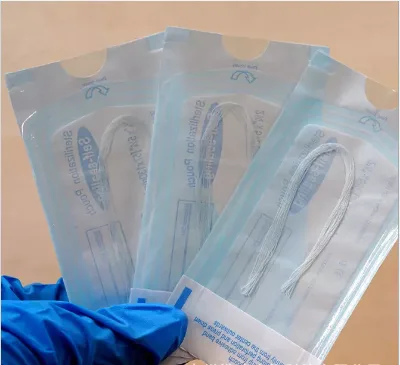
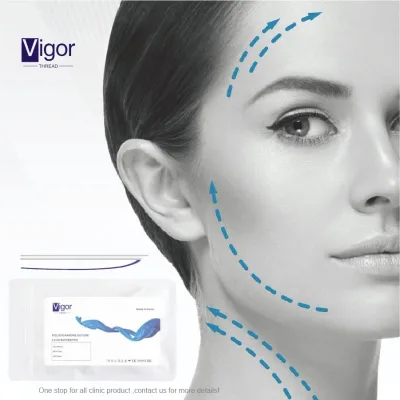
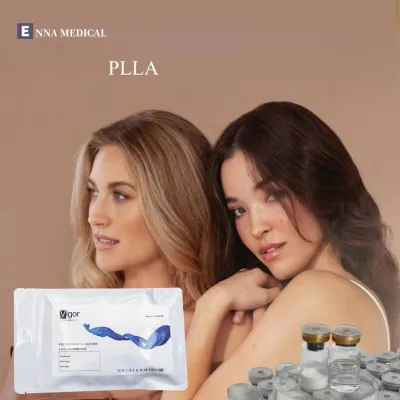


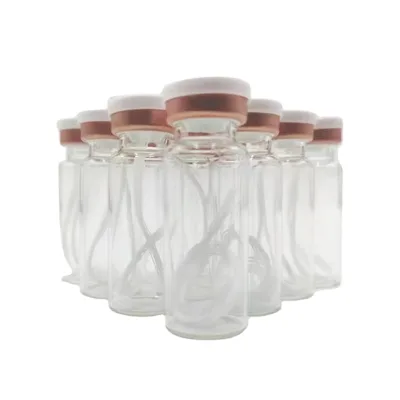
Comprehensive Sourcing Guide
Strategic Sourcing Guide for PLLA Face Lifting Collagen Threads
The global demand for minimally invasive aesthetic procedures has driven a significant shift in the medical supply chain, particularly for products designed for facial rejuvenation. Among the most sought-after items are PLLA (Poly-L-Lactic Acid) face lifting collagen threads, which serve as a critical component in non-surgical contouring and skin tightening. For procurement professionals in the B2B sector, navigating this market requires a disciplined approach that balances technical specifications, regulatory compliance, and supplier reliability. This guide outlines the essential factors for sourcing these specialized surgical supplies, ensuring that buyers can make informed decisions based on verified data and industry standards.
Technical Specifications and Product Attributes
Understanding the granular technical details of collagen threads is the first step in any successful procurement process. The market offers a diverse array of configurations, and buyers must distinguish between various thread types, gauges, and lengths to match specific clinical requirements. Based on current market observations, the product landscape includes models designated by specific gauges such as 23G, 26g, 27g, 29g, and 30g. These numerical designations refer to the needle gauge, which dictates the thickness of the suture and the trauma level during insertion. For instance, specific product listings indicate needle gauges ranging from 23G to 30g, with corresponding thread lengths available in measurements like 38mm, 50mm, 60mm, and 90mm.
The physical form of the product is predominantly liquid or solid thread configurations, often packaged in bags or boxes. A critical observation in the current supply chain is the variation in packing standards; some units are supplied as 200 pieces per box, while others come in smaller batches like 10 pieces per two bags or 2 pieces per ten bags. The thread gauge itself is often described in fractional terms, such as 5/0 or 2-7/0, which further refines the selection for different tissue densities. Furthermore, the application of these threads is specialized for the face, with features explicitly marketed for anti-wrinkle and skin care purposes. The presence of sharp needles is a standard attribute for many of these surgical supplies, facilitating the insertion process. Buyers must verify that the specific model, whether labeled as "thread," "collagen thread," or specific codes like "CT-1" and "CT-2," aligns with the intended therapeutic application for face and body tightening.
Compliance, Certification, and Sterilization Protocols
In the realm of medical aesthetics, compliance is not merely a regulatory hurdle but a fundamental safety requirement. Products intended for external use and therapy must adhere to strict sterilization standards to prevent infection and ensure patient safety. Ethylene Oxide Sterilization is a documented and prevalent method for these surgical supplies, ensuring that the threads are free from biological contaminants prior to packaging. Buyers must rigorously verify that the supplier provides proof of this sterilization process, as it is a non-negotiable attribute for medical-grade devices.
Beyond sterilization, the supply type and manufacturing origin play a pivotal role in compliance. Many products originate from specific regions in China, such as Hebei and Shandong, which are known hubs for medical device manufacturing. The supply models often include OEM (Original Equipment Manufacturing) and OBM (Original Brand Manufacturing) services, allowing clinics and distributors to customize branding. However, the presence of customization options does not negate the need for adherence to international safety standards. Buyers should request documentation confirming that the product meets the necessary quality assurance periods, which are often cited as one year for these items. It is essential to confirm that the product standard dimensions, such as 15154 cm or 25205 cm, are consistent with the packaging specifications to ensure proper storage and handling during transit.
Cost Drivers and Pricing Dynamics
The pricing structure for PLLA Face Lifting Collagen Threads is influenced by a complex interplay of factors, including thread gauge, needle length, packaging volume, and the level of customization required. The observed price range in the market is substantial, spanning from $0.15 to $91.07 per unit. This wide variance indicates that the cost is not solely determined by the raw material but is heavily influenced by the product's complexity, the inclusion of sharp needles, and the specific packaging format. For example, products with higher needle gauges or specialized lengths may command a premium price compared to standard configurations.
Minimum Order Quantity (MOQ) is another significant cost driver. The market shows an MOQ range from as low as 1 piece to as high as 100 pieces. Lower MOQs, such as 2 pieces or 100 pieces, may result in a higher per-unit cost due to the fixed costs of production and logistics being spread over fewer units. Conversely, larger orders may benefit from economies of scale but require a higher upfront capital investment. Buyers must also consider the supply type; OBM services might carry different pricing structures compared to OEM services, depending on the branding and customization requirements. The product's application, whether for salon use or professional therapy, can also impact the pricing tier, as professional-grade supplies often undergo more rigorous testing and quality control, reflecting in the final cost.
Typical Applications and Clinical Utility
The primary application of PLLA Face Lifting Collagen Threads is in the realm of aesthetic therapy, specifically targeting facial rejuvenation and skin tightening. These products are designed for external use and are particularly effective for addressing wrinkles and promoting collagen production, leading to a more youthful appearance. The feature set of these threads often includes anti-aging, anti-wrinkle, and whitening properties, making them versatile tools for dermatologists and aesthetic practitioners. The application program is explicitly focused on the face, with the threads providing a lifting effect that tightens both facial and body tissues.
The versatility of these products is further enhanced by the variety of thread gauges and lengths available. For instance, the use of 26g, 27g, 29g, and 30g needles allows for precise placement in different facial zones, while the availability of 23G needles suggests suitability for deeper tissue manipulation. The product specification, such as "Mono (Sharp Needle)," indicates a specific design intended for single-use applications that provide immediate structural support. The therapeutic effect is achieved through the mechanical stimulation of the tissue, which triggers the body's natural healing response and collagen synthesis. This makes the threads suitable for a wide range of clients seeking non-surgical solutions for sagging skin and loss of volume.
Supplier Evaluation and Selection Criteria
Selecting the right supplier is critical for ensuring the reliability and safety of the procurement. Buyers should prioritize suppliers that offer a transparent supply chain and clear communication regarding product attributes. The market includes suppliers from China, with specific origins noted in Hebei and Shandong, which are established regions for medical device production. When evaluating potential partners, buyers should look for suppliers that offer both OEM and OBM services, as this flexibility allows for brand customization and scalability.
Key evaluation metrics include the supplier's ability to provide detailed product specifications, such as the exact needle gauge, thread length, and packing format. The presence of a quality guarantee period, such as one year, is a strong indicator of supplier confidence in their product. Additionally, the supplier's adherence to sterilization protocols, specifically Ethylene Oxide Sterilization, must be verified through documentation. Buyers should also assess the supplier's capacity to meet varying MOQs, as some may require a minimum of 100 pieces while others offer more flexible terms. The ability to provide samples for testing and the availability of technical support are also essential factors in the supplier selection process.
Quality Control and Long-Term Procurement Considerations
Implementing a robust quality control (QC) strategy is essential for maintaining the integrity of the supply chain. Buyers should establish clear criteria for inspecting incoming goods, focusing on the physical attributes of the threads, such as the needle sharpness, thread gauge, and packaging integrity. The product standard dimensions, such as 108cm or 1515*5 CM, should be verified against the supplier's specifications to ensure consistency. Regular audits of the supplier's manufacturing processes can help identify potential issues before they impact the supply chain.
Long-term procurement considerations involve building a sustainable relationship with suppliers that can adapt to changing market demands. This includes monitoring the availability of different thread gauges and lengths, as well as staying informed about new product models like the "CT-1" or "CT-2." Buyers should also consider the logistical aspects of procurement, such as lead times and shipping costs, which can vary based on the product's origin and packaging. By maintaining a proactive approach to quality control and supplier management, buyers can ensure a steady supply of high-quality PLLA Face Lifting Collagen Threads that meet the rigorous standards of the medical aesthetic industry.
Comparative Analysis of Product Configurations
To facilitate informed decision-making, it is helpful to compare the various product configurations available in the market. The following table summarizes the key differences in specifications, packaging, and intended use cases based on observed data.
| Feature Category | Configuration A | Configuration B | Configuration C |
|---|---|---|---|
| Needle Gauge | 23G | 26g, 27g, 29g, 30g | 5/0, 2-7/0 |
| Thread Length | 38mm, 60mm | 50mm, 90mm | Variable |
| Packing Format | 2pcsx10bags/Pack | 10pcsx2bags/Pack | 20PCS/Bag |
| Product Model | 23G | 26g/27g/29g | 2-7/0 |
| Primary Application | Deep Tissue | Surface Lifting | General Rejuvenation |
| Sterilization | Ethylene Oxide | Ethylene Oxide | Ethylene Oxide |
| Origin | Shandong China | Hebei | China |
This comparison highlights the diversity in product offerings and underscores the importance of selecting the right configuration for specific clinical needs. Buyers should carefully evaluate these attributes to ensure that the chosen product aligns with their practice's requirements and patient demographics. By leveraging this detailed understanding of the market, procurement professionals can optimize their sourcing strategies and deliver high-value solutions to their clients.
FAQs
What customization options are available for these threads?
Customization is available for these products, allowing buyers to tailor branding and specifications. The supply type includes both OEM and OBM services, enabling logo printing and specific model adjustments to meet client needs.
Which needle gauges are offered for facial tightening procedures?
The product line offers needle gauges ranging from 23G to 30g, including 26g, 27g, 29g, and 30g options. These gauges support various tissue densities and are paired with sharp needles for effective face and body tightening applications.
How are these surgical supplies sterilized before packaging?
Ethylene Oxide Sterilization is the documented method used to ensure safety for these surgical supplies. This process confirms the threads are free from biological contaminants, meeting strict requirements for external use and therapy applications.
Can I order small quantities for initial testing purposes?
Yes, minimum order quantities range from 1 to 100 pieces, with some listings starting at just 2 pieces. This flexibility allows buyers to test specific models like CT-1 or CT-2 without committing to large bulk orders immediately.
What packaging formats are used for these collagen threads?
Packaging varies by model, including bags, boxes, and cartons with counts like 200 pieces per box or 10 pieces per two bags. Dimensions such as 15*15*4 cm or 25*20*5 cm are standard for storage and handling during transit.
Which regions in China manufacture these aesthetic products?
Products originate from established manufacturing hubs in Hebei and Shandong, China. These regions are known for producing medical device supplies that meet specific standards for thread gauges and lengths used in aesthetic therapy.