Source Waterproof Anti Allergic Tattoo Film for Aftercare, Healing, and Protection
Compare 30 listings of Waterproof Anti Allergic Tattoo Film from verified suppliers. Buyers can review specifications like size, material, and customization options to find the right solution for dental and tattoo aftercare needs.
Key considerations
Products List


Waterproof Tattoo Film Aftercare Protective Skin Healing Tattoo Adhesive Bandage
$1.10 - $1.20
MOQ: 1000 Pieces


10m Waterproof Film for Body Art Aftercare Protective Skin Healing Tattoo PU Film
$1.10 - $1.20
MOQ: 1000 Pieces


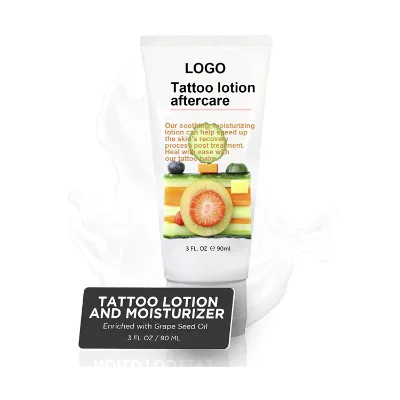


Tattoo Aftercare Waterproof Bandage Transparent Tattoo Film Dressing Roll
$1.00 - $3.00
MOQ: 1000 Square Meters


Waterproof Tattoo Protection Film Aftercare Protective Film Raw Material Large Roll
$1.00 - $3.00
MOQ: 1000 Square Meters


Comprehensive Sourcing Guide
Strategic Sourcing Guide for Waterproof Anti-Allergic Tattoo Film
Understanding Product Specifications and Material Composition
When sourcing waterproof anti-allergic tattoo film, buyers must first distinguish between the various material compositions and dimensional standards available in the current market. The core product functions as a specialized instrument equipment designed for dental and tattoo aftercare applications, serving as a critical barrier for preventive health care. The technical specifications provided in supplier listings reveal a diverse range of configurations, primarily defined by the adhesive structure and film thickness. A common high-performance configuration observed in the market involves a multi-layer construction consisting of 0.05mm polyethylene (PE) and 0.02mm polyurethane (PU) combined with an acrylic adhesive layer, typically rated at 80g/m². This specific composition is often cited in product descriptions for models labeled as "Tattoo Aftercare Bandage Roll" or "Protective Film for Tattoo."
The dimensional standards vary significantly depending on the intended application and the manufacturer's production capabilities. Standardized roll sizes frequently include 5cm by 10m, 10cm by 10m, 15cm by 10m, and 20cm by 10m. These dimensions cater to different tattoo sizes, from small, intricate designs to larger body art pieces. Some suppliers offer a specific size of 10cm by 15cm, while others provide a 15cm by 10m option. Crucially, the market also supports extensive customization, allowing buyers to request specific shapes and sizes, such as the "Can Make as Your Request" attribute noted in several product profiles. The color options are generally limited to white, blue, or transparent variants, with some manufacturers offering custom colorization to match brand identity.
The following table summarizes the observed specification variations for waterproof tattoo film:
| Specification Category | Observed Values | Notes on Variability |
|---|---|---|
| Material Composition | 0.05mm PE + 0.02mm PU + Adhesive | Common for high-durability films; Acrylic glue is the standard adhesive type. |
| Standard Dimensions | 5cm10m, 10cm10m, 15cm10m, 20cm10m | Fixed sizes often used for general retail; 10*15cm is also available. |
| Customization | OEM, ODM, Shape as Request | Buyers can request specific shapes and dimensions beyond standard rolls. |
| Color Options | White, Blue, Transparent, Custom | Transparent is common for visibility; custom colors require specific MOQs. |
| Packing Format | 1 roll/Box; 8 box/CTN or 100 box/CTN | Packaging density varies by supplier capacity and shipping requirements. |
Compliance, Certification, and Sterilization Protocols
In the medical and cosmetic device sectors, compliance is not merely a regulatory formality but a fundamental indicator of product safety and reliability. For waterproof tattoo film, the primary certification observed in the market is the CE mark. This certification indicates that the product meets the essential health, safety, and environmental protection requirements for sale within the European Economic Area. Buyers should verify that the CE certification is current and applies specifically to the product model being purchased, such as the "TOP-TPFR" or "TOP1015" models. While some background information suggests the existence of ISO 13485 standards, this should be treated as a potential attribute rather than a guaranteed fact for every listing.
A critical aspect of compliance for tattoo aftercare products is the sterilization method. The supplied data explicitly notes that many of these products are "Without Ethylene Oxide Sterilization." This distinction is vital for procurement strategies. Products that do not undergo ethylene oxide sterilization are often classified as non-sterile or require a different sterilization protocol, such as gamma irradiation or autoclaving, which may not be applicable to the specific adhesive or film materials used. Buyers must confirm whether the product is intended for sterile application or if it is designed for use in a controlled environment where the tattoo artist performs the application on non-sterile skin. The "Nature" of the product is listed as "Specialized Instrument Equipment," and the "Usage" is defined as "Dental Preventive Health Care Materials" in some contexts, though the primary application is clearly tattoo aftercare.
Furthermore, the "Quality Guarantee Period" for these products is often cited as two years, while the "Shelf Life" is typically three years. These timelines are essential for inventory management and supply chain planning. Buyers should ensure that the supplier can provide documentation verifying these dates, as the shelf life is directly linked to the stability of the acrylic adhesive and the integrity of the PE/PU layers. The "Set" attribute is noted as "Not set" in some listings, implying that the product is sold as a single unit or roll rather than a pre-packaged kit.
Cost Drivers and Economic Factors in Procurement
The pricing structure for waterproof anti-allergic tattoo film is influenced by several dynamic factors, including material costs, customization levels, and order volume. The observed price range in the market spans from $0.25 to $14.90 USD. This wide variance is not indicative of a single product but rather reflects the differences in specifications, packaging, and order quantities. The lower end of the price spectrum typically corresponds to standard, non-customized rolls with basic packaging, such as 1 roll per box. Conversely, the higher price points are associated with custom-colored films, specialized dimensions, or bulk packaging configurations that reduce per-unit shipping costs.
Minimum Order Quantity (MOQ) is a significant economic driver in this sector. The observed MOQ range is extensive, spanning from 1 unit to 10,000 units. A specific listing indicates an MOQ of 1,000 rolls for certain models, which suggests that small buyers may face higher per-unit costs or may need to consolidate orders with other buyers to meet supplier thresholds. For buyers seeking custom solutions, the MOQ may be higher due to the setup costs associated with changing production lines for specific shapes or colors. The "Sample" attribute indicates that free samples are available, which is a crucial cost-saving measure for buyers to validate quality before committing to a large order.
The "Capacity" of the supplier, listed as 10,000 units per day, suggests that high-volume orders can be fulfilled rapidly, potentially reducing lead times and associated logistics costs. However, buyers must balance this capacity with their own inventory needs. The "Shipping Term" options, including FOB, CIF, EXW, and DAP, offer flexibility in managing logistics costs. Buyers should calculate the total landed cost, including freight and insurance, rather than focusing solely on the unit price, as the shipping terms can significantly impact the final cost of goods.
Typical Applications and Usage Scenarios
The primary application of waterproof anti-allergic tattoo film is in the aftercare of fresh tattoos, where it serves as a protective barrier against bacteria, water, and external contaminants. The product is specifically designed for "Dental Preventive Health Care Materials" in some classifications, but its dominant use case is in the tattoo industry. The "Usage Times" attribute is listed as "Disposable," emphasizing that these films are single-use products intended to be removed after a specific period to allow the skin to breathe and heal.
The "Applicable Departments" include the Dental Department, which may seem counterintuitive but highlights the product's versatility in medical and cosmetic settings where sterile barriers are required. The "Group" attribute is specified as "Adult," indicating that the product is not intended for pediatric use without specific medical supervision. The film's waterproof nature is essential for allowing tattooed individuals to maintain hygiene without damaging the fresh ink, while the anti-allergic properties ensure that the adhesive does not cause skin irritation during the healing process.
The "Logo Printing" attribute suggests that these products can be customized with branding, making them suitable for tattoo studios looking to offer a premium, branded aftercare experience. This customization can also serve as a marketing tool, differentiating a studio's services from competitors. The "Service" attributes of OEM and ODM support indicate that manufacturers are willing to produce private-label products, allowing buyers to create their own brand of tattoo film.
Supplier Evaluation and Operational Capabilities
Evaluating a supplier for waterproof tattoo film requires a deep dive into their operational capabilities and logistical reliability. The "prod_origin" is listed as Anqing, Hubei, and China, indicating that the manufacturing base is located in China. Buyers should verify the specific factory location to assess the supply chain risks associated with the region. The "Delivery Time" is typically 25-30 days, which is a critical factor for procurement planning. This lead time includes production, quality control, and shipping preparation.
The "Packing Way" varies, with options like "1roll/Box, 100box/CTN" or "1roll/Box, 8box/CTN." These variations affect the efficiency of storage and shipping. Buyers should request detailed packing diagrams to ensure that the packaging is robust enough to prevent damage during transit. The "Quality Guarantee Period" of two years provides a buffer for buyers to address any potential defects, but it is essential to understand the terms of this guarantee.
Suppliers offering "OEM, ODM" services are generally more flexible and capable of meeting specific buyer requirements. The "Customization" attribute confirms that buyers can request changes to the product, such as size, color, or shape. However, buyers must be aware that customization often comes with higher MOQs and longer lead times. The "Sample" availability is a strong indicator of a supplier's confidence in their product quality and their willingness to engage in a trial phase.
Quality Control and Long-Term Procurement Considerations
Quality control is paramount in the procurement of medical and cosmetic films. Buyers should implement a rigorous inspection process that includes verifying the "Ethylene Oxide Sterilization" status, checking the "Shelf Life" against the production date, and ensuring the "Certification" documents are valid. The "Standard" of 5cm10m, 10cm10m, etc., should be verified against the physical product to ensure dimensional accuracy. The "Adhesive" strength and the "Waterproof" integrity are critical performance metrics that should be tested before large-scale deployment.
Long-term procurement considerations involve building a sustainable relationship with suppliers who can consistently meet quality standards and delivery timelines. The "Capacity" of 10,000 units per day suggests that suppliers have the ability to scale, but buyers should ensure that this capacity does not compromise quality. The "Shipping Term" flexibility allows buyers to adapt to changing market conditions and logistics challenges.
Buyers should also consider the environmental impact of the product. The "Nature" of the product as "Disposable" implies a single-use lifecycle, which may raise sustainability concerns. Exploring suppliers who use eco-friendly materials or offer recycling programs can be a strategic differentiator. The "Logo Printing" capability allows for branding that can communicate a commitment to quality and safety, enhancing the buyer's market position.
In conclusion, sourcing waterproof anti-allergic tattoo film requires a balanced approach that considers technical specifications, compliance, cost, and supplier reliability. By leveraging the observed data and maintaining a disciplined approach to verification, buyers can secure a supply chain that meets their operational needs and ensures the safety and satisfaction of their end-users. The market offers a wide range of options, from standard rolls to fully customized solutions, providing ample opportunity for strategic procurement.
FAQs
What certifications do waterproof anti allergic tattoo films typically hold?
These films typically hold CE certification, indicating compliance with European safety standards. Some listings also reference ISO 13485 as a potential standard, though CE is the primary verified attribute for models like TOP-TPFR.
How are these films packaged for shipping and storage?
Standard packaging formats include one roll per box, with carton quantities varying between eight or one hundred boxes. Specific models may use 100 boxes per carton to optimize shipping efficiency for bulk orders.
Can buyers request custom shapes and sizes for this product?
Yes, customization is available for shapes and dimensions, allowing requests like 5cm by 10m or specific custom sizes. Buyers can also select colors such as white, blue, or transparent, or request custom colorization.
What is the typical delivery time for these tattoo care films?
The standard delivery time ranges from 25 to 30 days from order placement. This lead time accounts for production, quality checks, and preparation for shipping under terms like FOB or CIF.
Which material composition is common for high-performance tattoo films?
A common high-performance composition consists of 0.05mm polyethylene and 0.02mm polyurethane with an acrylic adhesive layer rated at 80g/m². This structure ensures durability and waterproof protection for tattoo aftercare.
What is the minimum order quantity for these specialized films?
Minimum order quantities vary widely, ranging from one unit to 10,000 units depending on the supplier and customization level. Some specific models require a minimum of 1,000 rolls for standard orders.
Are these films sterilized with ethylene oxide before sale?
Many of these products are explicitly listed as without ethylene oxide sterilization. Buyers must verify if the product is intended for non-sterile application or requires alternative sterilization protocols for specific medical uses.