Source Waterproof Breathable Twill Fabric for Garments, Home Textile, and Crafts
Find and compare 30 listings for Waterproof Breathable Twill Fabric suitable for garment manufacturing, home textile applications, and industrial crafts. Evaluate options ranging from 120GSM to 298GSM, including plain dyed and colorful variants, to identify the right material for your specific production needs.
Key considerations
Products List


92% Polyester, 8% Spandex CD, Four Ways Stretch Twill Waterproof Fabric
$2.50 - $2.85
MOQ: 1000 Meters


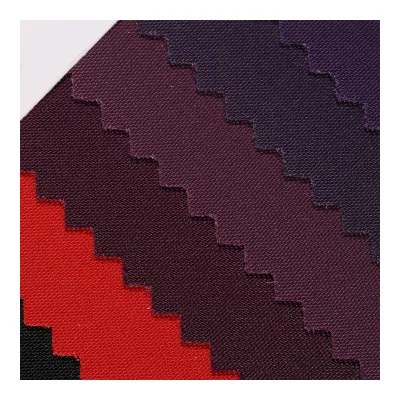
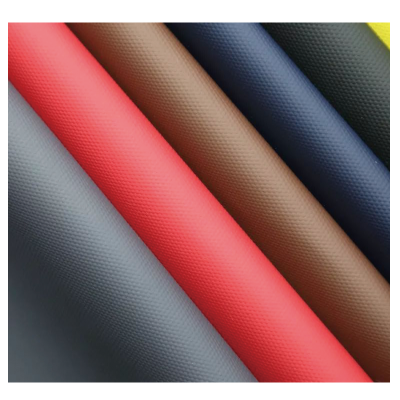

Workwear Fabric with Waterproof Finish Tc Twill Fabric Functional Fabric
$0.90 - $1.50
MOQ: 3000 Yards


Comprehensive Sourcing Guide
Waterproof Breathable Twill Fabric Sourcing Guide
Sourcing Waterproof Breathable Twill Fabric requires a nuanced understanding of how weave structure, fiber composition, and finishing treatments interact to deliver performance. Twill weaves, characterized by their diagonal rib pattern, offer superior drape and durability compared to plain weaves, making them ideal for garments and technical textiles that require both flexibility and resistance to wear. When combined with waterproof and breathable membranes or coatings, these fabrics become critical components in outdoor apparel, protective gear, and specialized industrial applications. Buyers must navigate a complex landscape where material claims often overlap, necessitating rigorous verification of technical specifications to ensure the selected fabric meets the intended functional requirements.
The procurement process for this category is heavily influenced by the diversity of available product listings, which range from simple cotton twills to high-performance synthetic blends. Observed market data indicates a wide variance in pricing, minimum order quantities (MOQs), and technical attributes, reflecting the heterogeneous nature of the supply base. While some suppliers offer customizable options for weight, width, and yarn count, others provide standardized products with fixed specifications. This variability demands a structured approach to supplier evaluation, where buyers must clearly define their performance thresholds and cross-reference them against the supplier’s actual capabilities rather than relying on generic product descriptions.
Product Scope and Observed Listing Signals
The current market landscape for Waterproof Breathable Twill Fabric reveals a broad spectrum of product types, ranging from natural fiber blends to advanced synthetic constructions. Listings frequently highlight specific product models such as YW-2119 and YW-2279, which exhibit distinct technical profiles. For instance, some offerings are identified as 100% cotton combed yarn fabrics with a plain weave structure, weighing around 120 GSM, while others feature heavier weights up to 298 GSM with twill weaves suitable for garment applications. Additionally, specialized products like Green Oxford Fabric and Blue Oxford Fabric are available, often featuring customizable yarn counts (e.g., 400d, 900d) and specific performance traits such as water proofing and fire resistance. These variations underscore the importance of distinguishing between standard textile applications and high-performance technical textiles.
Price and order volume signals further illustrate the diversity within this category. The observed price range spans from $0.60 to $5.55 per unit, reflecting differences in material quality, finishing complexity, and order scale. Minimum order quantities (MOQs) vary significantly, starting from as low as 1 unit for sampling or small-batch customization up to 5,000 units for bulk production. This wide MOQ range suggests that suppliers cater to both niche, high-value projects and large-scale manufacturing needs. Buyers should interpret these signals as indicators of supplier flexibility and capacity, recognizing that lower MOQs may come with higher unit costs, while larger volumes might unlock more competitive pricing but require greater commitment and storage capacity.
Technical Specifications to Verify
Verifying the technical specifications of Waterproof Breathable Twill Fabric is paramount to ensuring product performance and consistency. Key attributes to confirm include the weave type, weight (GSM), width, and yarn composition. While twill weaves are often associated with durability and drape, some listings may specify plain weaves or other structures, so buyers must explicitly confirm the weave pattern. Weight is a critical determinant of fabric thickness and breathability; observed weights range from lightweight options around 120 GSM to heavier, more robust fabrics at 298 GSM or even customizable ranges up to 250 GSM. Width specifications, typically observed between 57/58 inches and 58/60 inches, must align with the buyer’s cutting and manufacturing processes to minimize waste.
Performance characteristics such as water resistance, breathability, and abrasion resistance require specific verification beyond general marketing claims. Buyers should inquire about the specific finishing treatments applied, such as DWR (Durable Water Repellent) coatings or laminated membranes, and request test data to validate these properties. Additionally, properties like shrinkage (observed in some listings as 2%-3%) and pH levels (4-8) are crucial for post-production quality control, especially in garment manufacturing where dimensional stability is essential. Customization options for yarn count, weight, and color (e.g., Ranger Green, Silver) should be clearly defined in the technical datasheet to ensure the final product meets the design and functional requirements.
Compliance and Safety Documentation
Compliance and safety documentation are non-negotiable elements in the procurement of technical textiles, particularly those intended for apparel and industrial use. Buyers must ensure that suppliers can provide relevant certifications and test reports that verify the fabric’s safety and environmental impact. Observed listings mention standards such as CE, Oeko-Tex, and Aitex, which indicate adherence to specific safety and quality benchmarks. Oeko-Tex certification, for instance, assures that the fabric is free from harmful substances, making it suitable for direct skin contact in garments. Similarly, CE marking may be relevant for products intended for the European market, indicating conformity with health, safety, and environmental protection standards.
Beyond product-specific certifications, buyers should verify the supplier’s ability to provide comprehensive documentation for each batch, including material safety data sheets (MSDS) and test reports for flammability, colorfastness, and chemical resistance. For fabrics claiming fire-resistant or waterproof properties, independent laboratory test results are essential to validate these claims. Additionally, if the fabric is intended for specific industries such as aerospace or automotive interiors, buyers must ensure compliance with industry-specific regulations and standards. It is advisable to request a complete compliance package from the supplier before placing large orders to mitigate risks associated with regulatory non-compliance.
Cost Drivers and Commercial Terms
Understanding the cost drivers and commercial terms is essential for effective budgeting and negotiation in the procurement of Waterproof Breathable Twill Fabric. Several factors influence the final price, including the type of fiber (e.g., 100% cotton vs. synthetic blends), the complexity of the weave and finishing processes, and the level of customization required. Customization options, such as specific yarn counts, weights, and colors, often incur additional costs due to the setup and production adjustments involved. Furthermore, the MOQ plays a significant role in pricing; smaller orders typically carry higher unit costs due to fixed production overheads, while larger volumes can benefit from economies of scale.
Commercial terms, including payment methods, shipping arrangements, and lead times, also impact the total cost of ownership. Buyers should negotiate clear terms regarding sample costs, which may be credited against bulk orders, and clarify who bears the responsibility for shipping and insurance. Lead times can vary based on the complexity of the order and the supplier’s production schedule, so it is crucial to establish realistic timelines to avoid production delays. Additionally, buyers should inquire about the supplier’s policy on defects and returns, ensuring that there is a clear mechanism for addressing quality issues. Transparent communication regarding these commercial terms helps in building a sustainable and mutually beneficial supplier relationship.
Supplier Qualification and Quality Control
Supplier qualification and quality control are critical steps in mitigating risks associated with sourcing Waterproof Breathable Twill Fabric. Buyers should conduct thorough due diligence on potential suppliers, verifying their manufacturing capabilities, quality management systems, and track record. This includes assessing their ability to consistently produce fabrics that meet the specified technical requirements, such as weight, width, and performance characteristics. Suppliers with established quality control processes, including in-line inspections and final product testing, are more likely to deliver consistent quality. Additionally, buyers should inquire about the supplier’s experience with similar products and their ability to handle customization requests effectively.
Implementing a robust quality control plan is essential to ensure that the received fabric meets the agreed-upon standards. This plan should include pre-production samples approval, in-process inspections, and final random inspections before shipment. Buyers should define clear acceptance criteria for key attributes such as color consistency, weave integrity, and performance test results. It is also advisable to conduct periodic audits of the supplier’s facilities to verify their compliance with quality and safety standards. By establishing a rigorous quality control framework, buyers can minimize the risk of receiving substandard products and ensure that the fabric performs as expected in the final application.
Long-Term Procurement Checks
Long-term procurement checks are necessary to maintain supply chain stability and ensure continuous improvement in the sourcing of Waterproof Breathable Twill Fabric. Buyers should regularly review supplier performance metrics, including on-time delivery rates, quality consistency, and responsiveness to issues. This ongoing evaluation helps in identifying potential risks and opportunities for optimization. Additionally, buyers should stay informed about market trends and technological advancements in fabric technology, which may offer new opportunities for cost savings or performance enhancements. Engaging in regular communication with suppliers can foster a collaborative relationship, leading to better problem-solving and innovation.
Furthermore, buyers should periodically reassess their sourcing strategy to ensure it aligns with evolving business needs and market conditions. This may involve diversifying the supplier base to reduce dependency on a single source, exploring new markets for raw materials, or investing in supplier development programs to enhance capabilities. It is also important to monitor regulatory changes and industry standards that may impact the procurement process. By maintaining a proactive approach to long-term procurement checks, buyers can build a resilient and efficient supply chain that supports their business objectives and delivers value over time.
FAQs
What is the GSM range for this woven cotton twill fabric?
The fabric weight ranges from 120GSM to 298GSM depending on the specific model. The YW-2119 variant is 120GSM for home textile use, while the YW-2279 variant is 298GSM for garment applications. This variation allows buyers to select the appropriate density for their specific end-use requirements.
Can I customize the width and pattern of the twill fabric?
Yes, customization is available for both width and pattern. The standard widths are 57/58 inches and 58/60 inches. Buyers can choose between plain or twill patterns, and the fabric supports plain dyed styles. This flexibility ensures the material meets specific design and technical specifications for various textile projects.
Is the fabric suitable for both home textile and garment uses?
Yes, the fabric is versatile and suitable for both home textile and garment applications. The 120GSM plain weave version is ideal for home textiles, while the 298GSM twill weave version is designed for garments. This dual-purpose capability allows manufacturers to source consistent material quality across different product lines.
What are the care instructions for the 100% cotton twill fabric?
The fabric can be machine washed, hand washed, or dry cleaned. It should not be bleached. These care instructions ensure the longevity and quality of the 100% cotton material. Buyers can confidently recommend these maintenance practices to end-users to preserve the fabric's integrity and appearance over time.
Does the fabric meet international safety and quality standards?
Yes, the fabric complies with CE, Oeko-Tex, and Aitex standards. These certifications ensure the material meets rigorous safety and environmental requirements. Buyers can rely on these verified standards for compliance in international markets. The customizable standard option further allows for specific regulatory needs in different regions.
What is the minimum order quantity for this woven fabric?
The minimum order quantity ranges from 1 to 5000 units. This flexible MOQ allows buyers to place small trial orders or large bulk purchases. The range accommodates various business sizes, from small startups to large manufacturers. Buyers can negotiate specific quantities based on their production needs and inventory strategies.