Source Waterproof Breathable Windbreaker Jacket for Hiking, Cycling, and Daily Commute
Explore 30 verified listings for a Waterproof Breathable Windbreaker Jacket designed for outdoor and casual wear. Buyers can compare features like windproofing, fabric types including nylon and polyester, and customization options from suppliers in China.
Key considerations
Products List


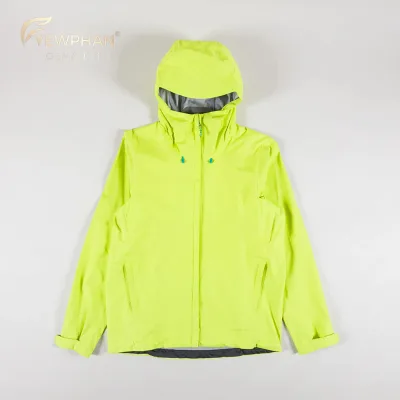
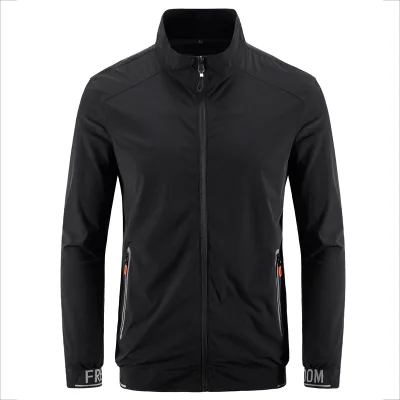
Unisex Lightweight Outdoor Windproof Waterproof Comfortable Windbreaker Jacket
$15.20 - $18.80
MOQ: 200 Pieces

Women's Outdoor Windbreaker Breathable and Quick Dry Waterproof Jacket
$15.99 - $17.56
MOQ: 500 Pieces


Outdoor Sports Breathable Waterproof Camping Wholesale Windbreaker Jackets
$16.00 - $18.40
MOQ: 500 Pieces


Unisex Waterproof Lightweight Polyester Windbreaker for Outdoor Sports
$15.50 - $18.60
MOQ: 500 Pieces


Lightweight Waterproof Raincoats Jacket Windbreaker Apparel Windbreaker Jacket
$6.00 - $11.00
MOQ: 100 Pieces

Coat Windbreaker Lightweight Waterproof Rain Jackets Outdoor Durable Rain Jackets
$6.00 - $11.00
MOQ: 100 Pieces




Comprehensive Sourcing Guide
Strategic Sourcing Guide for Waterproof Breathable Windbreaker Jackets
The global demand for high-performance outerwear has elevated the Waterproof Breathable Windbreaker Jacket from a niche athletic necessity to a staple in casual and industrial wardrobes. For B2B procurement professionals, sourcing these garments requires a disciplined approach that balances technical performance with supply chain reliability. The market presents a complex array of options, ranging from lightweight nylon windbreakers to heavy-duty polyester coats, often featuring customization services for branding. This guide provides a structured framework for evaluating suppliers, verifying technical claims, and managing the procurement lifecycle for these specific products, ensuring that the final selection aligns with both functional requirements and business objectives.
Technical Specifications and Material Composition
The foundation of a successful windbreaker procurement lies in a rigorous understanding of material composition and construction. The supplied product data indicates a diverse range of fabric types, with Polyester and Nylon being the primary materials observed in the market. Polyester is frequently cited for its durability and resistance to shrinking, while Nylon is highlighted in specific listings as the material for windbreak jackets, often noted for its lightweight properties. Buyers must verify the specific fabric blend for their intended application, as the performance characteristics differ significantly between these materials.
Construction techniques are equally critical. The observed data points to "Coated" processing types, which are essential for achieving the waterproof barrier. However, the presence of "Breathable" as a recurring feature suggests that the coating or membrane technology must allow moisture vapor to escape while preventing liquid water ingress. This dual requirement is often achieved through specific weaving techniques or the application of specialized membranes. The data also lists "Plain Dyed" as a common technic, implying that color consistency is achieved through the dyeing process before or during the fabric formation.
Furthermore, the specifications reveal a wide variance in sleeve length and style. While "Long Sleeve" is a standard configuration, some listings oddly specify "Long Sleeveless," which may indicate a specific design category or a data entry anomaly that requires clarification with the supplier. The collar style is predominantly "Collarless," offering a modern aesthetic suitable for casual wear. Buyers should explicitly confirm whether the "Collarless" design includes a hood or a stand-up collar alternative, as this impacts the jacket's wind protection capabilities. The observed feature set consistently includes "Windproof" and "Waterproof," but the addition of "Lightweight" in some entries suggests that weight is a variable performance metric that must be defined in the technical specification sheet.
Compliance, Certification, and Quality Verification
In the realm of B2B apparel procurement, compliance is not merely a regulatory hurdle but a marker of product integrity. The supplied context mentions "Needle Detection: Yes" as a standard attribute for a significant portion of the inventory. This is a critical safety feature, particularly for garments intended for children or those used in environments where metal contamination poses a risk. Procurement teams must mandate needle detection as a non-negotiable quality control step, ensuring that the finished goods have passed through metal detectors to prevent physical hazards.
Regarding certifications, the provided data does not explicitly list third-party certifications such as ISO 811 for water resistance or specific chemical compliance standards like REACH or Oeko-Tex. Instead, it references internal standards such as "Weight 120 g" and size ranges from "S-3XL." This absence of explicit certification data underscores the importance of the buyer's due diligence. Buyers should not assume that a product is certified based on the presence of a standard weight or size range. Instead, the procurement strategy must include a request for valid test reports from accredited laboratories.
The "Needle Detection" attribute serves as a proxy for a broader quality management system. A supplier capable of implementing needle detection is likely to have robust internal controls. However, for waterproof and breathable claims, buyers must verify the hydrostatic head rating and the moisture vapor transmission rate (MVTR). The observed "Weight 120 g" standard provides a baseline for fabric density, but it does not guarantee performance. Buyers should require suppliers to provide test data for water resistance and breathability, ensuring that the "Waterproof" and "Breathable" claims are backed by empirical evidence rather than marketing terminology.
Cost Drivers and Pricing Dynamics
Understanding the cost structure of waterproof breathable windbreakers is essential for budgeting and negotiation. The observed price range in the market spans from $0.50 to $42.57 USD, a variance that reflects differences in material quality, production complexity, and order volume. The lower end of this spectrum likely corresponds to basic polyester windbreakers with simple coatings and minimal customization, while the higher end may reflect premium nylon materials, advanced membrane technologies, and complex branding applications.
The Minimum Order Quantity (MOQ) is a significant cost driver, with observed ranges between 50 and 1000 units. Suppliers with lower MOQs, such as 50 or 100 pieces, often charge a premium per unit to cover setup costs for smaller batches. Conversely, orders exceeding 500 units, as noted in specific listings, may unlock more competitive pricing tiers. The "Supply Type: OEM Service" attribute indicates that many suppliers offer customization, which can influence costs. Customization options such as "Heat Tranfer, Printing, Embroidery," and "Discharge Printing" add layers of complexity to the production process, potentially increasing the unit cost.
Additionally, the "Customized Color" and "Customized Size" options introduce variability in the supply chain. While these features allow for brand differentiation, they can extend lead times and increase costs if the supplier must source specific dyes or adjust pattern grading for non-standard sizes. Buyers should factor in the cost of tooling for custom logos and the potential for color matching fees. The "Sea Transportation" packing method suggests that bulk shipping is the norm, which can reduce per-unit logistics costs for large orders but requires careful inventory planning.
Typical Applications and Market Segmentation
The versatility of waterproof breathable windbreakers allows them to serve a wide array of market segments. The data identifies "Men Jackets & Coats" and "Sport Clothing" as primary categories, indicating a strong presence in the athletic and outdoor recreation sectors. The "Casual" clothing version suggests that these garments are also marketed for everyday wear, bridging the gap between performance gear and fashion. The "Applicable User: Adults" and "Gender: Men/Unisex/Women" attributes highlight that these products are designed for a broad demographic, requiring suppliers to offer inclusive sizing and style options.
Specific product models, such as the "YS-1688" and various "CTZE" series, suggest that suppliers often categorize their inventory by specific design lines or target markets. The "Item Type: Motorcycle Jacket" classification points to a specialized application where durability and wind protection are paramount. In this context, the "Windproof" and "Waterproof" features are not just conveniences but safety requirements. The "Nylon Windbreak Jacket" listing further reinforces the utility of these garments in active environments where mobility and weather protection are critical.
For B2B buyers, understanding the end-use is vital for selecting the right supplier. A supplier specializing in "Sport Clothing" may offer superior breathability and lightweight designs, while a supplier focusing on "Motorcycle Jacket" styles might prioritize abrasion resistance and reinforced stitching. The "Spring / Autumn" season designation indicates that these jackets are often designed for transitional weather, requiring a balance between insulation and ventilation. Buyers should align their product selection with the specific seasonal and functional needs of their target customer base.
Supplier Evaluation and Sourcing Strategy
Evaluating suppliers for waterproof breathable windbreakers requires a multi-faceted approach that goes beyond price comparisons. The "Supply Type: OEM Service" and "Customization: Available" attributes indicate that many suppliers are flexible partners capable of adapting to brand requirements. However, flexibility must be balanced with reliability. Buyers should assess a supplier's capacity to handle the observed MOQ ranges, particularly if the business model relies on frequent, smaller replenishment orders.
The "prod_origin: China" location is a common factor in the data, suggesting that the majority of the supply chain is concentrated in this region. While this offers access to a vast manufacturing ecosystem, it also necessitates rigorous quality control measures. The "Needle Detection: Yes" attribute is a positive indicator of a supplier's commitment to safety, but it should be verified through on-site audits or third-party inspections. Buyers should also evaluate the supplier's logistics capabilities, noting the "Sea Transportation" and "1 Pieces 1 Polybag" packing standards. These details impact the efficiency of the supply chain and the condition of the goods upon arrival.
When selecting a supplier, buyers should prioritize those who demonstrate transparency in their technical specifications. The presence of specific model numbers like "CTZE402" and "CT2025103004" suggests a structured product catalog. Buyers should request detailed spec sheets for these models to verify the fabric type, coating process, and performance claims. The ability to provide "Customized Color" and "Customized Size" is a valuable asset, but it requires clear communication to avoid production errors. A supplier's responsiveness to customization requests and their ability to maintain quality across different batches are key indicators of a reliable partnership.
Quality Control and Long-Term Procurement Considerations
Ensuring consistent quality in waterproof breathable windbreakers is an ongoing process that extends beyond the initial order. The "Needle Detection" requirement sets a baseline for safety, but long-term quality assurance must address the durability of the waterproof and breathable properties. Over time, the coating on polyester or nylon fabrics can degrade, affecting performance. Buyers should establish clear acceptance criteria for water resistance and breathability, requiring regular testing of bulk samples.
The "Standard: S-3XL" and "Standard: Can Be Customized" size ranges highlight the importance of fit consistency. Inconsistent sizing can lead to high return rates and customer dissatisfaction. Procurement teams should work with suppliers to implement strict size grading protocols and conduct fit checks on pre-production samples. The "1 Piece in PP Bag" and "30 Pieces/ Carton" packing standards should be standardized to ensure that the garments arrive in optimal condition, protected from moisture and damage during transit.
Long-term procurement considerations also involve the scalability of the supply chain. As demand grows, the supplier must be able to increase production capacity without compromising quality. The "MOQ: 500PCS" observation suggests that some suppliers are geared towards larger volumes, which may require a phased approach to scaling orders. Buyers should negotiate flexible terms that allow for volume adjustments while maintaining price stability. Additionally, the "Customization" aspect should be managed carefully to ensure that branding elements like "Heat Tranfer, Printing, Embroidery" remain consistent across all production runs.
In conclusion, sourcing waterproof breathable windbreaker jackets requires a strategic blend of technical knowledge, supplier evaluation, and quality management. By focusing on material composition, verifying compliance, understanding cost drivers, and maintaining rigorous quality control, B2B buyers can build a resilient supply chain that delivers high-performance products to the market. The diversity of the available options, from nylon windbreakers to specialized motorcycle jackets, offers significant opportunities for differentiation, provided that the procurement process is grounded in evidence and disciplined verification.
FAQs
What materials are used for waterproof breathable windbreaker jackets?
These jackets are primarily made from polyester or nylon. The data shows polyester is common for durability while nylon is used for lightweight windbreak styles. Buyers should verify the specific fabric blend for their intended application.
Can suppliers customize the color and size of these jackets?
Yes, customization for color and size is available from many suppliers. The product listings explicitly state that colors and sizes can be customized to meet specific brand requirements. This option allows for brand differentiation but may affect lead times.
What is the typical minimum order quantity for these jackets?
The minimum order quantity ranges from 50 to 1000 pieces depending on the supplier. Some listings specify an MOQ of 500 pieces for standard orders. Lower MOQs often carry a higher per-unit cost to cover setup expenses.
Which safety features are standard for these jackets?
Needle detection is a standard safety feature included in the production process. This ensures no metal contaminants remain in the finished garments. Buyers should confirm this quality control step is mandatory for their specific order requirements.
How are these jackets typically packed for shipping?
Jackets are usually packed one piece per polybag or in cartons of thirty pieces. The standard shipping method is sea transportation for bulk orders. Specific packing details like carton quantities should be confirmed with the supplier before finalizing the order.
What customization methods are available for logos on these jackets?
Logos can be applied using heat transfer, printing, or embroidery techniques. Discharge printing is also listed as a specific method for some product models. The choice of method will depend on the design complexity and the supplier's equipment capabilities.
Are these jackets suitable for both men and women?
Yes, the product data indicates availability for men, women, and unisex users. Sizes range from S to 3XL to accommodate different body types. Buyers should check specific model listings to confirm the gender fit for their target demographic.