Source Waterproof Chest Waist Fishing Pants for Anglers
Find and compare 30 listings for Waterproof Chest Waist Fishing Pants designed for anglers. These durable trousers offer breathable, quick-drying protection suitable for various water sports and outdoor activities.
Key considerations
Products List


Comfortable and Functional Waterproof Fishing Pants for Men's Outdoor Activities
$35.00 - $38.00
MOQ: 500 Pieces


Waterproof Breathable Water Wading Half Length Fishing Suit Chest Waders
$36.00 - $46.00
MOQ: 50 Pieces

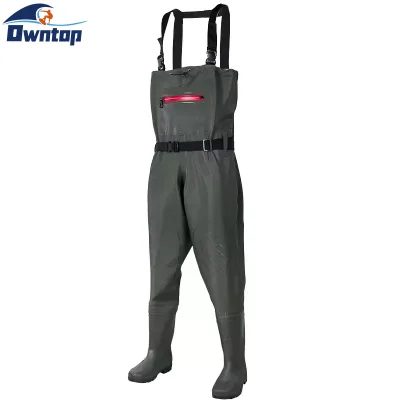


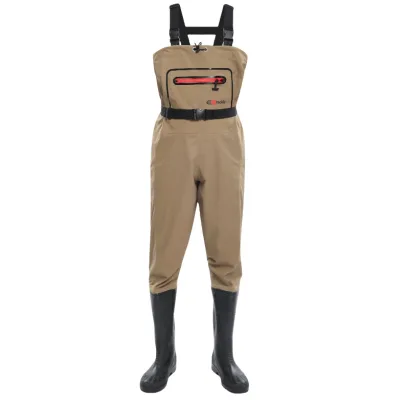
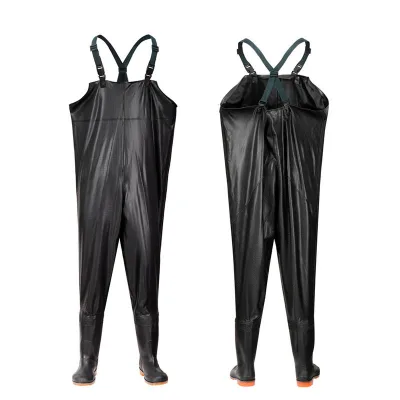
Factory Supplier Cheap PVC Chest Waders Thick Anti-seepage Fishing Waders Pants
$7.90 - $10.20
MOQ: 100 pieces
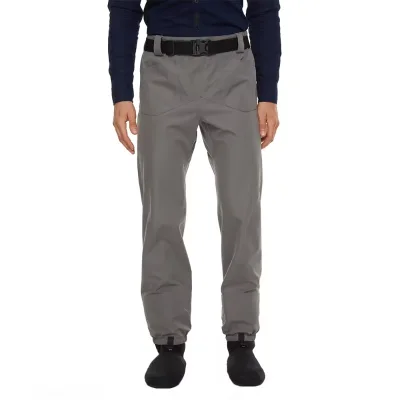
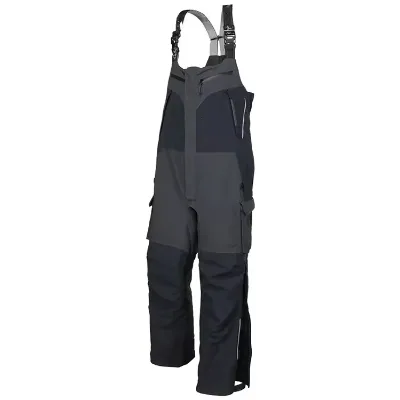

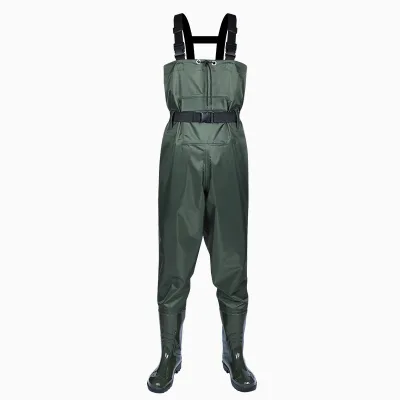
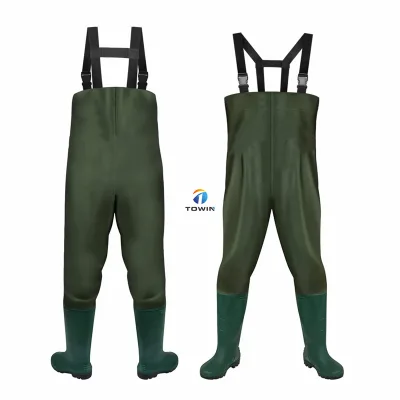
Waterproof Fishing Waders with Boots for Fishing Equipment Wading Pants
$10.80 - $39.80
MOQ: 100 Pieces


Comprehensive Sourcing Guide
Waterproof Chest Waist Fishing Pants Sourcing Guide
Sourcing high-performance Waterproof Chest Waist Fishing Pants requires a disciplined approach that balances material integrity, functional design, and commercial reliability. These garments are specialized protective equipment designed to keep anglers dry in wet, muddy, or submerged conditions, often extending from the chest down to the feet or boots. Unlike standard rainwear, chest waders must withstand abrasion from rocks, branches, and heavy gear while maintaining a watertight seal. Buyers must navigate a market where product attributes vary significantly between manufacturers, making it essential to verify specific construction details rather than relying on generic product titles. The following guide outlines the critical verification steps, technical considerations, and commercial terms necessary for successful procurement.
Product Scope and Observed Listing Signals
The current market landscape for waterproof chest waders includes a diverse range of products, primarily constructed from polyester or rubber-based materials, catering to both adult and unisex demographics. Observed listing signals indicate that manufacturers often position these items as part of a broader outdoor or fishing apparel portfolio, with some suppliers offering matching jackets and trousers to create complete fishing systems. The observed price range spans from approximately $7.90 to $105.00 USD, reflecting a wide disparity in material quality, brand positioning, and manufacturing complexity. This variance suggests that buyers should not equate lower prices with adequate performance, as critical components like seam sealing and waterproof membranes may be compromised in budget-tier offerings.
Listing attributes frequently highlight features such as windbreak, quick-drying, breathable, and anti-UV properties, alongside the core requirement of being waterproof. However, these claims should be treated as observations rather than guaranteed specifications for every unit. Some products are explicitly labeled for water sports and fishing applications, while others may have broader usage claims. The observed minimum order quantities (MOQ) range from 1 to 2,000 units, indicating that suppliers are flexible enough to accommodate both small trial orders and large-scale commercial contracts. Buyers should carefully review the specific product model numbers, such as FP-0000 or BZ-CW01, to ensure they are evaluating the exact variant that matches their operational needs, as features can differ even within the same supplier’s catalog.
Technical Specifications to Verify
Material composition is the primary determinant of durability and waterproof performance in chest waders. Buyers must verify whether the product is constructed from heavy-duty polyester, rubber, or a hybrid composite, as each material offers distinct advantages in terms of weight, flexibility, and resistance to punctures. For instance, rubber-based waders often provide superior waterproofing and toughness but may be heavier and less breathable, whereas polyester blends might offer better comfort and ease of packing. The observed single weight of approximately 2.7kg for certain models suggests that buyers should request detailed weight specifications to ensure the gear does not impose excessive fatigue during long fishing sessions. Additionally, the thickness and construction of the material should be confirmed, as "normal" thickness may not suffice for rugged environments with sharp rocks or debris.
Fit and sizing are critical for ensuring both comfort and safety, as ill-fitting waders can lead to leaks or restricted movement. Sizing options typically range from XS to 4XL, with custom sizing available for specialized requirements. Buyers should verify the exact dimensional standards, such as the observed package size of 553530 cm, to plan for storage and logistics efficiently. The design of the trouser legs, often straight-cut, and the overall length, described as medium, should be assessed against the intended use case, whether for shallow stream fishing or deep-water activities. Furthermore, the presence of features like reinforced knees, adjustable straps, and secure boot foot attachments must be confirmed through detailed product specifications or physical samples, as these elements significantly impact the longevity and usability of the garment.
Compliance and Safety Documentation
While specific certification statuses may vary by supplier and region, buyers should prioritize products that adhere to recognized safety and quality standards for protective clothing. The presence of CE marking in some listings indicates potential compliance with European health, safety, and environmental protection standards, but buyers must verify the validity and scope of such certifications directly with the supplier. It is essential to request test reports that confirm the waterproof performance claims, such as hydrostatic head ratings, to ensure the waders can withstand prolonged exposure to water pressure without leaking. These documents provide objective evidence of product performance and are crucial for mitigating the risk of purchasing substandard goods that could fail during critical fishing operations.
Safety documentation should also include information on the chemical composition of the materials, particularly if the waders are intended for use in sensitive aquatic environments. Buyers should inquire about the absence of harmful substances like PFOA or PFOS, which are often used in waterproof coatings but pose environmental and health risks. Additionally, the durability and wear-resistance of the material should be backed by relevant test data, ensuring that the waders can withstand the abrasion typical of fishing activities. By demanding comprehensive compliance documentation, buyers can ensure that their procurement aligns with both regulatory requirements and ethical sourcing practices, reducing liability and enhancing brand reputation.
Cost Drivers and Commercial Terms
The cost of waterproof chest waders is influenced by several factors, including material quality, manufacturing complexity, and customization requirements. Observed price ranges suggest that basic models may start at lower price points, while those with advanced features like breathable membranes or reinforced construction command higher prices. Buyers should analyze the cost structure in relation to the observed MOQs, as larger orders may benefit from economies of scale, reducing the per-unit cost. However, it is important to balance cost savings with quality assurance, as overly aggressive pricing may indicate compromises in material thickness or seam sealing integrity.
Commercial terms such as sample time, delivery time, and packaging requirements also impact the total cost of ownership. Suppliers typically offer sample times of 7-10 days, allowing buyers to evaluate product quality before committing to bulk orders. Delivery times are generally estimated at 60-90 days, which buyers must factor into their inventory planning to avoid stockouts. Packaging options, such as polybags or cartons, should be confirmed to ensure they meet logistical needs and protect the products during transit. Additionally, customization services like OEM and ODM are available, which may incur additional costs but allow for brand-specific designs and logo placement, enhancing market differentiation.
Supplier Qualification and Quality Control
Selecting a reliable supplier is paramount to ensuring consistent product quality and timely delivery. Buyers should verify the supplier’s business type, preferring manufacturers and exporters who have direct control over the production process. The observed origin locations, such as Taian and Jiangsu in China, indicate established manufacturing hubs with expertise in textile and protective gear production. However, buyers should conduct thorough due diligence to confirm the supplier’s production capacity, quality management systems, and track record in the fishing apparel sector. Requesting references or case studies from previous clients can provide valuable insights into the supplier’s reliability and responsiveness.
Quality control measures should be integrated into the procurement process to minimize the risk of defects. Buyers should implement pre-production samples, in-process inspections, and final random inspections to ensure that the products meet the agreed-upon specifications. The availability of customization services, including logo acceptance and OEM options, suggests that suppliers are flexible, but buyers must clearly communicate their quality expectations and inspection criteria. Establishing a robust quality control protocol helps to identify and rectify issues early in the production cycle, reducing the likelihood of receiving non-conforming goods and ensuring that the final products meet the rigorous demands of fishing activities.
Long-Term Procurement Checks
Building a sustainable supply chain for waterproof chest waders requires ongoing monitoring and relationship management. Buyers should regularly review supplier performance metrics, including on-time delivery rates, product defect rates, and responsiveness to issues. Establishing clear communication channels and regular feedback loops can help to address any emerging problems promptly and foster a collaborative partnership. Additionally, buyers should stay informed about industry trends and technological advancements in waterproof materials, as these developments can offer opportunities to improve product performance and cost efficiency.
Long-term procurement strategies should also include contingency planning for supply chain disruptions. Diversifying the supplier base and maintaining safety stock can mitigate the risks associated with production delays or material shortages. Buyers should also consider the environmental impact of their procurement decisions, seeking suppliers who adopt sustainable practices and materials. By continuously evaluating and optimizing their sourcing strategies, buyers can ensure a steady supply of high-quality waterproof chest waders that meet the evolving needs of their customers and maintain a competitive edge in the market.
FAQs
What materials are used for Waterproof Chest Waist Fishing Pants?
These pants are primarily constructed from polyester to ensure durability and water resistance. Some variations may incorporate rubber for specific footwear components, but the main fabric remains polyester for optimal performance in wet conditions.
Can I customize the size and logo on these fishing pants?
Yes, customization is available for both size and logo requirements. Sizes range from XS to 4XL or can be made to custom specifications, while logos and branding can be accepted as per the buyer's specific design needs.
What is the typical lead time for manufacturing these pants?
The normal delivery time for these products is typically between 60 to 90 days. Sample production requires a shorter window of 7 to 10 days before the full order production begins.
Which features do these waterproof pants offer for fishing activities?
These pants provide essential features including waterproofing, windbreak protection, and quick-drying capabilities. They also offer breathability and anti-UV protection to ensure comfort and safety during extended fishing sessions.
How are these pants packaged for shipment to international buyers?
Standard packaging involves one piece per polybag with eight pieces per carton, though custom requirements are accepted. Some models use plastic bags inside cartons with specific quantities like 25 pieces per carton.
What is the minimum order quantity for these fishing pants?
The minimum order quantity can be as low as one piece for sample orders or specific requests. However, bulk orders may have different thresholds, with observed ranges extending up to 2000 pieces depending on the supplier.
Where are these waterproof fishing pants manufactured?
These products originate from manufacturing locations in China, specifically in regions like Taian and Jiangsu. The suppliers operate as manufacturers and exporters capable of handling OEM and ODM services.