Source waterproof chloroprene nail-free glue for Construction, Automobile, and Woodworking
Explore 30 listings of waterproof chloroprene nail-free glue suitable for bonding prefinished panels, bathroom fixtures, and various industrial applications. Buyers can compare specifications such as viscosity, curing time, and material composition to find the right adhesive for their needs.
Key considerations
Products List


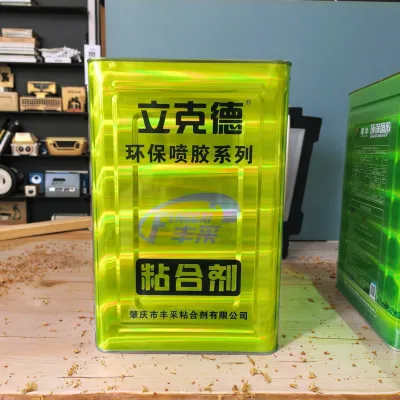


Chloroprene Contact Adhesive Cement Gum All Purpose Yellow Glue for Foam
$0.50 - $0.60
MOQ: 1000 Pieces
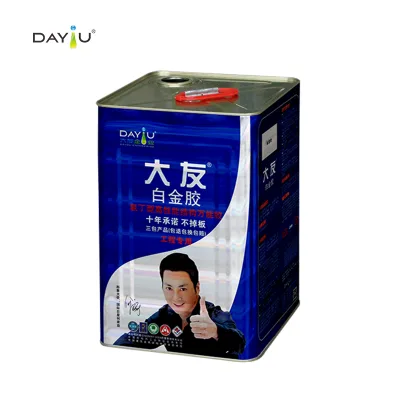
Comprehensive Sourcing Guide
Strategic Sourcing Guide for Waterproof Chloroprene Nail-Free Adhesives
Understanding the Product Category and Technical Baseline
Sourcing waterproof chloroprene nail-free glue requires a precise understanding of the chemical composition and physical properties that define this specific adhesive category. Based on the available product data, the core material composition is identified as Chloroprene, an organic material that serves as the primary polymer base. This classification places the product within the realm of synthetic rubber adhesives, distinct from purely inorganic or epoxy-based systems. The morphology of the product is consistently observed as a solid-state substance, which implies a formulation designed for high viscosity and structural integrity rather than a low-viscosity fluid.
A critical technical attribute for buyers to verify is the viscosity, which is documented in the supply data as exceeding 100,000 Cps. This high viscosity is essential for the "nail-free" application method, as it allows the adhesive to remain in place on vertical surfaces without sagging or running before curing. The solid content of the mixture typically ranges between 75% and 85%, indicating a high concentration of active bonding agents relative to solvents or carriers. The formulation is described as a mixture, often utilizing a natural polymer as the main agent composition, which works in tandem with a solvent-based promoter to achieve the desired adhesive performance.
The chemical identity of these adhesives is further defined by specific registry numbers. The data points to a CAS No. of 7085-85-0 and an EINECS number of 230-391-5 for the chloroprene-based variants. However, buyers must remain vigilant as the dataset also lists other CAS numbers, such as 63148-60-7 and 9009-54-5, associated with different material compositions like Polyester and Epoxy. When sourcing specifically for chloroprene, the buyer must explicitly confirm that the product specification aligns with the chloroprene CAS number to avoid receiving a different polymer system that may not meet the required waterproof or flexible bonding criteria.
Performance Specifications and Environmental Adaptability
The operational performance of waterproof chloroprene nail-free glue is governed by its curing profile and adhesion strength. The product is classified as a room-curing adhesive, meaning it does not require external heat sources or specialized ovens to initiate the bonding process. The complete solidification time is a critical parameter for project scheduling, with observed ranges falling between 12 and 48 hours. This timeframe allows for the adhesive to develop full structural strength, which is documented as exceeding 3 MPa. This level of final adhesion is sufficient for many construction and industrial applications where mechanical fasteners like nails are being replaced.
Environmental adaptability is another key performance metric. The adhesive is designed to function within an adaptive temperature range of -30 to 80 degrees Celsius. This wide operating window suggests suitability for various climates, from cold storage environments to hot industrial settings. However, the construction temperature—the range in which the adhesive should be applied—is more restricted, typically between -20 and 35 degrees Celsius. Applying the adhesive outside this construction temperature range could compromise the curing process and the final bond strength.
The waterproof characteristic is a primary feature of this product class. The formulation is engineered to resist moisture ingress, making it suitable for high-humidity environments. The specific application areas listed include prefinished panels and bathroom fixtures, which are environments where water exposure is frequent. The product's ability to bond these materials without the need for mechanical fasteners relies on the synergy between the chloroprene rubber base and the solvent promoter. Buyers should verify that the specific batch they procure maintains the "Waterproof" attribute, as this is a non-negotiable requirement for the intended use cases.
Compliance, Certification, and Regulatory Verification
In the B2B procurement of industrial adhesives, compliance and certification are as critical as technical performance. The supply data indicates that reputable suppliers in this category often hold a suite of certifications, including ISO 9001, ISO 14001, and ISO 5001, alongside third-party verification from SGS and TUV. These certifications signal a commitment to quality management systems, environmental management, and energy efficiency. Additionally, the presence of ISO 9001 and ISO 14001 is noted as a standard requirement for many suppliers, ensuring that the manufacturing process adheres to international standards for quality and environmental impact.
Buyers must exercise caution regarding the specific regulatory status of the product. While the dataset mentions REACH as a background consideration, it is not listed as a confirmed attribute for every product. Therefore, procurement teams should explicitly request REACH compliance documentation rather than assuming it. Similarly, while the product is described as "No Toxic" in some feature lists, this claim should be substantiated with specific safety data sheets (SDS) and regulatory compliance certificates rather than relying on general marketing features.
The product origin is identified as China, which is a major hub for adhesive manufacturing. When sourcing from this region, buyers should verify that the supplier's certifications are current and valid. The presence of certificates such as SGS and TUV provides an additional layer of assurance regarding product consistency and safety. However, the buyer must ensure that the specific product model, such as the HTL-218 or BLD-333, is covered under these certifications. Certification status can vary between product lines, and a general company certification does not automatically apply to every SKU.
Cost Drivers and Procurement Parameters
The cost structure of waterproof chloroprene nail-free glue is influenced by several factors, including raw material prices, packaging, and order volume. The observed price range in the market is between 0.2 and 25.09 USD, a wide spectrum that reflects differences in product concentration, packaging size, and brand positioning. The minimum order quantity (MOQ) varies significantly, ranging from 1 unit to 12,000 units. This flexibility allows buyers to test small batches or commit to large-scale industrial procurement.
Packaging is a significant cost driver. The standard packaging unit is often 300ml, with cartons containing 24 pieces. Other variations include bottle packaging or carton packaging depending on the specific model. The choice of packaging affects the unit cost and logistics efficiency. For instance, bulk cartons may offer a lower cost per unit compared to individual bottles, but they require more storage space and handling equipment. Buyers should calculate the total landed cost, including shipping and handling, rather than focusing solely on the unit price.
The customization availability is a key factor for large buyers. The product data confirms that customization is available, which can impact the cost structure. Custom formulations or specific branding (such as OEM designs like Ideabond) may incur additional setup fees or higher unit costs. The shelf life of the product is typically 18 months, which is a standard duration for this class of adhesives. Buyers should factor in their inventory turnover rates to ensure that the product does not expire before use, as expired adhesive will not meet the required adhesion strength of >3 MPa.
Typical Applications and Material Compatibility
The versatility of waterproof chloroprene nail-free glue is evident in its diverse application areas. The product is suitable for woodworking, fiber and garment industries, construction, and automobile manufacturing. In the construction sector, it is particularly effective for bonding prefinished panels and bathroom fixtures, where water resistance and structural integrity are paramount. The "nail-free" aspect of the glue makes it ideal for applications where mechanical fasteners would damage the aesthetic finish of the material or where the substrate is too brittle to withstand drilling.
The bonding function is categorized as a structural adhesive, indicating that it is designed to bear significant loads. This distinguishes it from temporary or decorative adhesives. The specific application of "Liquid Tape" is also noted, suggesting a use case where the adhesive is applied in a tape-like form or acts as a liquid sealant. The color of the product is typically white, which is advantageous for applications where the adhesive might be visible or where it needs to blend with light-colored materials.
Material compatibility is another critical consideration. The adhesive is formulated to bond a variety of substrates, including those made from natural polymers and synthetic materials. However, the specific compatibility with different materials should be verified through testing. For example, while the product is effective for prefinished panels, its performance on untreated wood or specific plastics may vary. The "Extrusion Smooth" feature suggests that the adhesive flows well during application, which is beneficial for complex joint geometries.
Supplier Evaluation and Quality Control Protocols
Evaluating suppliers for waterproof chloroprene nail-free glue requires a rigorous approach to quality control. Buyers should prioritize suppliers who can provide comprehensive documentation, including the specific CAS numbers, EINECS numbers, and detailed composition data. The presence of multiple material types in the dataset, such as Epoxy, Polyester, and Chloroprene, highlights the need for precise specification matching. A supplier who cannot clearly distinguish between these material types may pose a risk of delivering the wrong product.
Quality control protocols should include verification of the viscosity, solid content, and curing time. Buyers should request batch-specific test reports that confirm the viscosity exceeds 100,000 Cps and that the solid content falls within the 75%-85% range. The final adhesion strength should be verified to ensure it meets or exceeds 3 MPa. Additionally, the waterproof characteristic should be tested under conditions that mimic the intended application environment.
The supplier's ability to provide customization is also a key evaluation criterion. For buyers with specific project requirements, the ability to tailor the formulation or packaging can be a significant advantage. However, this customization must be managed carefully to ensure that it does not compromise the core performance attributes of the adhesive. The supplier's lead time and production capacity should also be assessed to ensure they can meet the buyer's demand, especially given the wide range of MOQs observed in the market.
Long-Term Procurement and Supply Chain Resilience
Long-term procurement of waterproof chloroprene nail-free glue requires a focus on supply chain resilience and consistency. The observed lead times and production capabilities vary, and buyers should establish clear communication channels with their suppliers to manage expectations. The 18-month shelf life of the product allows for some flexibility in inventory management, but buyers should still aim to maintain a steady supply to avoid stockouts that could disrupt production schedules.
Sustainability and environmental compliance are becoming increasingly important in the adhesive industry. The presence of ISO 14001 certification indicates a supplier's commitment to environmental management, which is a positive indicator for long-term partnerships. Buyers should also consider the environmental impact of the solvent-based promoter used in the formulation and ensure that the supplier adheres to relevant environmental regulations.
Finally, the branding and logo options, such as OEM designs, offer opportunities for buyers to build their own brand identity. However, this requires a reliable supplier who can maintain consistent quality across different branding runs. By focusing on suppliers with robust quality control systems, comprehensive certifications, and a track record of meeting technical specifications, buyers can secure a reliable supply of waterproof chloroprene nail-free glue that meets their specific project needs.
| Attribute | Observed Range/Value | Verification Requirement |
|---|---|---|
| Material | Chloroprene, Polyester, Epoxy | Confirm CAS No. 7085-85-0 for Chloroprene |
| Viscosity | >100,000 Cps | Request batch viscosity report |
| Solid Content | 75%-85% | Verify via test data sheet |
| Adhesion Strength | >3 MPa | Confirm structural load test results |
| Curing Time | 12-48 Hours | Check specific product model data |
| Temperature Range | -30 to 80°C (Adaptive) | Verify construction temp (-20 to 35°C) |
| Certifications | ISO 9001, 14001, 5001, SGS, TUV | Validate certificate validity and scope |
| Packaging | 300ml, Bottle, Carton | Confirm carton quantity (e.g., 24 pcs) |
| Shelf Life | 18 Months | Check expiration date on batch |
FAQs
What is the minimum order quantity for this adhesive?
The minimum order quantity ranges from 1 to 12,000 units depending on the supplier. Buyers can select flexible options to test small batches or commit to large industrial procurement volumes.
How long does the adhesive take to fully solidify?
Complete solidification typically occurs within 12 to 48 hours at room temperature. This curing profile allows the adhesive to develop full structural strength exceeding 3 MPa before handling.
Which certifications do reputable suppliers usually hold?
Reputable suppliers often hold ISO 9001, ISO 14001, and ISO 50001 certifications alongside SGS and TUV verification. These documents confirm adherence to international quality and environmental management standards.
Can the product be customized for specific branding needs?
Yes, customization is available for specific branding needs like OEM designs. Buyers should note that custom formulations or branding may incur additional setup fees or alter the unit cost structure.
What is the typical shelf life of this glue?
The standard shelf life is 18 months from the date of manufacture. Buyers must factor in inventory turnover rates to ensure the product does not expire before it is used.
How does the viscosity affect the application method?
The viscosity exceeds 100,000 Cps, which prevents sagging on vertical surfaces. This high viscosity is essential for the nail-free application method without the need for mechanical fasteners.
What is the origin location for these adhesive products?
The product origin is identified as China, a major hub for adhesive manufacturing. Buyers should verify that the supplier's certifications are current and valid for the specific product model.