Source Waterproof Custom Shape Label Roll for Beverage, Medicine, Food
Find 30 verified suppliers offering Waterproof Custom Shape Label Roll solutions for bottled beverages, medicine packaging, and food applications. Compare specifications including material, size, and printing options to select the right adhesive sticker for your needs; compare the available evidence and request quotations based on your requirements.
Key considerations
Products List

Custom Paper Vinyl Colorful Adhesive Waterproof Printing Logo Labels Roll
$0.02 - $0.05
MOQ: 3000 Pieces


Wholesale Customized High Quality Self Adhesive Label Jumbo Roll
$0.22 - $0.35
MOQ: 4590 Square Meters

$0.27 - $0.30
MOQ: 4590 Square Meters
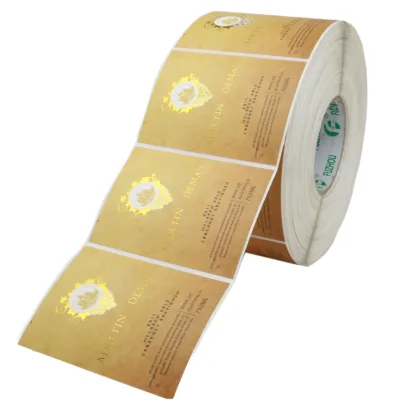
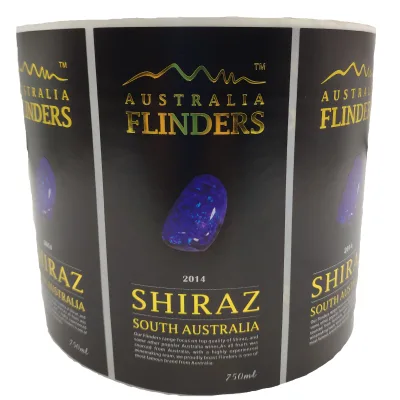
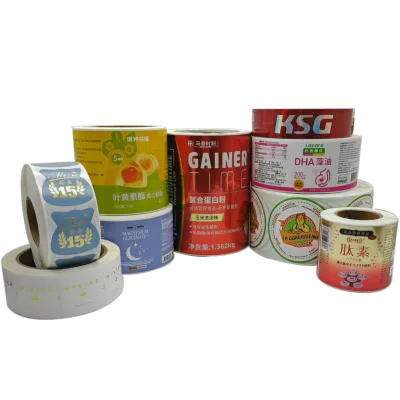


Self-Adhesive Material Roll Custom Label Double Transparent Bottom Waterproof Label
$120.00 - $150.00
MOQ: 1000 Meters


Comprehensive Sourcing Guide
Waterproof Custom Shape Label Roll Sourcing Guide
Procuring waterproof custom shape label rolls requires a strategic approach to material selection, as the supply chain offers distinct options ranging from PVC and Vinyl to Polyester PET and Wood Free Paper. Buyers must first determine the specific environmental conditions the label will face, such as exposure to moisture, temperature fluctuations, or chemical contact, to select the appropriate substrate. The observed market data indicates that while some suppliers offer PVC and Vinyl for general durability, others provide specialized PET or paper-based solutions for food and beverage applications, necessitating a clear definition of the end-use environment before initiating contact.
Once the material is identified, the customization capabilities become the primary differentiator among potential vendors. The available product attributes confirm that suppliers support a wide array of shapes, including rectangles, rounds, squares, and fully custom die-cuts, alongside various printing techniques like letterpress, offset, and digital printing. This flexibility allows for precise branding and functional labeling, but it also introduces complexity in the design phase. Buyers should ensure their design files meet the specific format requirements, such as AI, PDF, CDR, or PSD, to avoid production delays and ensure the final adhesive roll matches the intended aesthetic and functional specifications.
Product Scope and Observed Listing Signals
The current market landscape for waterproof custom shape label rolls reveals a diverse range of product configurations, with observed minimum order quantities varying significantly from 3,000 to 5,000 pieces depending on the supplier and material type. This variance suggests that buyers with smaller volume needs may face challenges in sourcing cost-effective solutions without negotiating specific terms or consolidating orders. The listing signals also highlight that while some vendors offer free samples to validate quality, others may have stricter thresholds, making the initial sample request a critical step in the qualification process before committing to a larger production run.
Application versatility is another key signal observed in the product listings, with labels designed for use on bottled beverages, medicine packaging, shipping labels, and food items. The presence of specific attributes like "Food Label" application and "Temperature Resistance" for room, low, and high temperatures indicates that these products are engineered for demanding environments. However, buyers must verify that the specific listing they are reviewing explicitly supports their intended use case, as the general category may include products suitable for general packaging but not for direct food contact or extreme temperature exposure without further confirmation.
Technical Specifications to Verify
When evaluating technical specifications, the adhesive type and backing paper are critical factors that determine the label's performance on various surfaces. The available data points to the use of permanent adhesives and glassine backing paper, which are standard for high-performance applications requiring strong initial tack and easy dispensing. Buyers should verify that the adhesive formulation is compatible with the specific surface material of their product, whether it is glass, plastic, or metal, to prevent issues like edge lifting or residue left behind after removal. Additionally, the transparency level, noted as opaque in some listings, must align with the brand's visual requirements to ensure the label does not interfere with product visibility or labeling aesthetics.
Surface finishing options play a significant role in both the durability and visual appeal of the final product, with lamination, embossing, and UV varnish being common enhancements. These processes not only protect the printed graphics from abrasion and moisture but also add a tactile dimension that can enhance brand perception. It is essential to confirm that the chosen finishing technique is compatible with the selected material and printing method, as certain finishes may not adhere well to specific substrates like wood-free paper or may alter the flexibility of the roll. Buyers should request physical samples to test the durability of these finishes under real-world conditions before finalizing the order.
Compliance and Safety Documentation
Compliance and safety documentation are paramount when sourcing labels for regulated industries such as food and medicine, where adherence to international standards is non-negotiable. The observed certifications, including ISO 9001 and SGS, provide a baseline assurance of quality management and product safety, but buyers must verify that these certifications are current and specifically cover the production of food-contact materials if applicable. Relying solely on the general presence of these certifications without confirming their scope can lead to compliance gaps, particularly when the labels are intended for direct contact with consumable goods or pharmaceutical products.
In addition to general quality certifications, specific regulatory compliance for the target market must be established, especially regarding the chemical composition of the adhesive and the substrate. While the HS Code 3919909000 indicates the product falls under plastic sheets and films, buyers should ensure that the materials used do not contain restricted substances that violate local regulations in the destination country. It is advisable to request a Declaration of Conformity or a Material Safety Data Sheet (MSDS) from the supplier to confirm that the product meets all relevant safety standards, ensuring that the labels can be legally used and distributed without risking product recalls or regulatory penalties.
Cost Drivers and Commercial Terms
Cost drivers for waterproof custom shape label rolls are heavily influenced by the complexity of the customization, the chosen material, and the volume of the order. The observed minimum order quantities of 3,000 to 5,000 pieces suggest that unit costs will decrease significantly as volume increases, making it crucial for buyers to accurately forecast their needs to optimize pricing. Additionally, the selection of specialized materials like PET or advanced surface finishes such as embossing can increase the base cost, requiring a detailed cost-benefit analysis to determine if the added expense aligns with the brand's value proposition and functional requirements.
Commercial terms and payment structures also play a vital role in the overall cost of procurement, with suppliers offering various options such as T/T, PayPal, and Western Union. The delivery time, typically ranging from 7 to 10 days, is a key factor in supply chain planning, and buyers should account for potential lead time variations due to customization complexity or raw material availability. It is essential to negotiate clear trade terms that define responsibilities for shipping, insurance, and customs clearance, as the observed port options like Shanghai, Wuxi, and Ningbo may impact logistics costs and delivery schedules depending on the buyer's location.
Supplier Qualification and Quality Control
Supplier qualification should extend beyond basic certification checks to include a thorough assessment of their production capabilities and quality control processes. Buyers must verify that the supplier has the technical expertise to handle custom shapes and complex printing requirements, as evidenced by their support for various file formats and printing techniques. Requesting a site audit or a detailed video tour of the production line can provide valuable insights into their manufacturing standards, ensuring that they have the necessary equipment and skilled labor to maintain consistency across large production runs.
Quality control measures should be explicitly defined in the procurement agreement, including protocols for pre-production sampling, in-process inspections, and final product testing. The availability of free samples allows buyers to validate the product's physical properties, such as adhesion strength, water resistance, and print quality, before committing to a full order. It is also important to establish a clear process for handling non-conforming products, ensuring that the supplier has a robust system for identifying and rectifying defects to minimize the risk of receiving substandard label rolls that could disrupt the buyer's packaging operations.
Long-Term Procurement Checks
Long-term procurement success relies on establishing a reliable supply chain that can adapt to changing market demands and volume fluctuations. Buyers should regularly review supplier performance metrics, including on-time delivery rates, defect rates, and responsiveness to issues, to ensure that the partnership remains beneficial over time. Building a relationship with a supplier who demonstrates flexibility in handling custom orders and maintaining consistent quality will be crucial for scaling operations and introducing new product lines without compromising on label performance or brand integrity.
Continuous improvement and innovation should be encouraged through regular communication and feedback loops with the supplier. As technology evolves, new materials and printing techniques may become available that offer better performance or cost efficiency, and a proactive supplier can help buyers stay ahead of these trends. By maintaining an open dialogue and setting clear expectations for future projects, buyers can ensure that their sourcing strategy remains agile and capable of meeting the evolving needs of their customers in a competitive market.
FAQs
Can I get free samples for waterproof custom shape label rolls?
Yes, free samples are available for these adhesive stickers. Buyers can request them to verify material quality and printing accuracy before placing a bulk order. This allows for practical testing of the waterproof features and custom shapes, ensuring the product meets specific usage requirements for beverages, medicine, or food packaging applications.
What certifications do these custom label rolls have?
These label rolls are certified with ISO9001 and SGS standards. These certifications ensure that the manufacturing processes for the PVC and vinyl materials meet international quality and safety requirements. This is particularly important for labels used in sensitive industries like medicine and bottled beverages, where compliance and consistent quality are critical for brand trust.
What is the minimum order quantity for these labels?
The minimum order quantity typically ranges from 3000 to 5000 pieces, depending on the specific product model and customization level. Buyers should confirm the exact MOQ with the supplier, as complex custom shapes or specific material requirements like polyester PET may influence the minimum production batch size required for efficient manufacturing.
How long does delivery take for custom labels?
Delivery time is generally 7 to 10 days after order confirmation. This lead time applies to standard production runs for waterproof adhesive stickers. Buyers should account for this duration when planning inventory, especially for urgent shipments of custom shapes or specific printing types like letterpress or offset printing for food and medicine labels.
What file formats are accepted for custom label artwork?
Accepted artwork formats include Ai, Pdf, Cdr, and Psd files. These formats allow for precise vector-based design, which is essential for creating custom shapes and high-quality letterpress or digital prints. Buyers must provide these files to ensure accurate reproduction of logos and text on the waterproof PVC or vinyl label rolls.
What surface finishing options are available for these labels?
Available surface finishing options include lamination, embossing, and UV varnish. These processes enhance the durability and aesthetic appeal of the waterproof custom shape labels. Lamination provides extra protection against moisture, while embossing and UV varnish add tactile and visual elements, making the labels suitable for premium packaging in the beverage and medicine sectors.