Source Waterproof Custom Metal Label for Packaging, Decor, and Promotion
Compare 30 listings for Waterproof Custom Metal Label options featuring materials like steel, copper, and aluminum. Buyers can evaluate die-cut and laser engraved designs suitable for bottles, nameplates, and promotional gifts with eco-friendly ink finishes.
Key considerations
Products List


Eco-Friendly Stainless Steel Fine Polishing Waterproof Coating Metal Nameplate Label
$0.80 - $0.90
MOQ: 500 Pieces


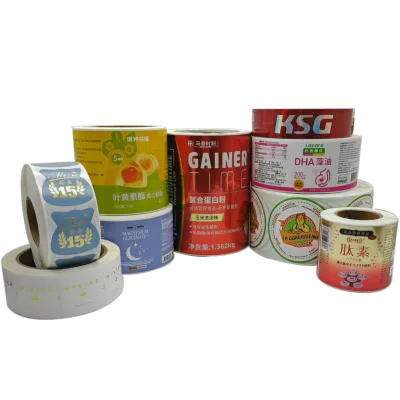
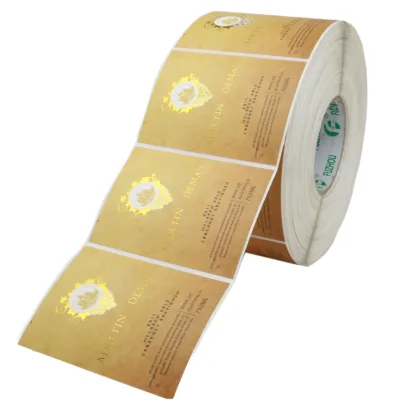


Self-Adhesive Material Roll Custom Label Double Transparent Bottom Waterproof Label
$120.00 - $150.00
MOQ: 1000 Meters


Custom Printed Warning Labels with Durable Waterproof Adhesive Material
$0.02 - $0.05
MOQ: 3000 Pieces


Comprehensive Sourcing Guide
Strategic Sourcing Guide for Waterproof Custom Metal Labels
Understanding Technical Specifications and Material Variants
When sourcing waterproof custom metal labels, the primary objective is to identify products that maintain structural integrity and adhesive performance under specific environmental conditions. The available market data indicates a diverse range of material compositions, including steel, copper, and aluminum, each offering distinct properties for different applications. Steel variants are often selected for their robustness in industrial settings, while aluminum provides a lighter alternative suitable for portable equipment or consumer goods. Copper labels, frequently noted for their metallic finish and etching capabilities, serve well in decorative or high-end branding contexts where aesthetic appeal is paramount.
The technical specifications for these labels vary significantly based on the intended use case. Thickness is a critical dimension, with observed ranges extending from 0.5mm to 2mm. Thinner gauges, such as 0.5mm or 0.8mm, are ideal for applications requiring flexibility or minimal weight addition, whereas thicker options like 1.5mm or 2mm offer enhanced durability for harsh outdoor environments. The surface finish is equally important; options include matte finishes, brushed textures, and metallic finishes that can be polished to a high sheen. The choice of finishing process, such as etching, laser engraving, or photo sealing, directly impacts the label's resistance to wear and tear.
Adhesive properties are a defining characteristic of waterproof custom metal labels. The data confirms that self-adhesive options are prevalent, utilizing UV-proof and eco-friendly inks to ensure longevity. The cutting process, whether die-cut or kiss-cut, determines the precision of the label's shape and its ability to conform to curved surfaces. For applications requiring extreme durability, the inclusion of a corrosion process or specific surface handling techniques like polishing is essential. Buyers must verify that the selected label meets the specific standard dimensions required for their application, such as the 63mm x 39mm format observed in certain product lines, or request fully customized sizes to match unique design requirements.
Compliance, Certification, and Environmental Standards
Navigating the compliance landscape for metal labels requires a careful review of available certifications and environmental standards. The supply chain data highlights the presence of RoHS (Restriction of Hazardous Substances) certification for specific metal label products, particularly those made from steel or aluminum. This certification is crucial for buyers operating in markets with strict regulations regarding hazardous materials, ensuring that the labels do not contain lead, mercury, cadmium, or other restricted substances. While RoHS is a confirmed attribute for certain listings, buyers should not assume this applies universally to all metal labels without explicit verification from the supplier.
Environmental considerations extend beyond hazardous substance restrictions to include the eco-friendly nature of the inks and finishing processes used. The observed data mentions UV-proof eco-friendly inks, which suggests a commitment to reducing volatile organic compounds (VOCs) and ensuring safer disposal or recycling processes. However, general background information regarding ISO 9001:2000 or ISO 14001:2004 standards should be treated with caution. These are not explicitly confirmed as current certifications for the specific products listed in the provided context. Therefore, procurement teams must treat these as potential verification points rather than guaranteed attributes.
Buyers should prioritize suppliers who can provide up-to-date documentation for RoHS compliance and any other relevant regional standards. The absence of explicit certification data for ISO standards in the core product facts means that buyers must actively request proof of compliance rather than relying on general market assumptions. This due diligence is essential for maintaining supply chain integrity and avoiding potential regulatory penalties. Furthermore, the "eco-friendly" claim regarding inks should be validated through technical data sheets that detail the chemical composition and environmental impact of the materials used in the labeling process.
Cost Drivers and Pricing Dynamics
The cost of waterproof custom metal labels is influenced by a complex interplay of material selection, processing complexity, and order volume. The observed price range in the market spans from $0 to $150 USD, reflecting the vast difference between simple, mass-produced labels and highly customized, premium-grade metal tags. Several key factors drive these costs. First, the base material plays a significant role; aluminum and copper generally command different price points compared to steel, depending on market fluctuations and purity levels.
Processing techniques are another major cost driver. Labels requiring advanced processes such as laser engraving, etching and filling, silkscreen printing, or embossing will incur higher production costs compared to those with simple die-cutting and basic adhesive application. The complexity of the design, including the need for multi-color matching (PMS, RGB, CMYK) and specific surface finishes like photo sealing or polishing, adds to the labor and equipment time required. Additionally, the thickness of the metal, ranging from 0.5mm to 2mm, affects material usage and handling costs.
Order volume is a critical determinant of unit pricing. The Minimum Order Quantity (MOQ) observed in the market ranges from 1 to 10,000 units. Buyers ordering small quantities may face higher per-unit costs due to the setup time required for custom tooling and machine calibration. Conversely, larger orders can leverage economies of scale to reduce the cost per label. The packaging requirements, such as shockproof packaging or corrugated cartons, also contribute to the overall cost, particularly for international shipping. Buyers should carefully balance their design requirements with their budget constraints, considering that customization often comes at a premium over standard stock items.
Typical Applications and Usage Scenarios
Waterproof custom metal labels serve a wide array of applications across various industries, driven by their durability and aesthetic versatility. The data indicates usage in sectors ranging from bottled beverages and food packaging to shipping labels and medicine identification. In these contexts, the waterproof and UV-proof properties ensure that critical information remains legible despite exposure to moisture, sunlight, or harsh cleaning agents. The labels are also utilized for price tags and general packaging films, providing a professional and permanent identification solution.
Beyond industrial and commercial uses, these labels are extensively employed in personal and decorative applications. They are suitable for personal decorations, promotion gifts, souvenirs, and home decorations, where the aesthetic quality of the metal finish is as important as the functional aspect. The ability to create 3D effects, nickel-free finishes, and intricate designs makes them ideal for religious crafts, collection items, and commerce gifts. The "creative" style and "handmade" attributes observed in certain product lines highlight their suitability for niche markets where uniqueness and craftsmanship are valued.
The suitability of these labels extends to both indoor and outdoor environments. Specific product data notes suitability for office use, outdoor exposure, and general decoration or promotion. This versatility allows buyers to source a single type of label for multiple applications, provided the specific technical requirements, such as thickness and finishing, are met. For example, outdoor applications may require thicker gauges and corrosion-resistant finishes, while office or indoor use might prioritize aesthetic finishes and lighter materials. Understanding these application nuances is essential for selecting the right product variant for specific procurement needs.
Supplier Evaluation and Quality Assurance
Evaluating suppliers for waterproof custom metal labels requires a rigorous assessment of their technical capabilities, production processes, and quality control measures. Buyers should verify the supplier's ability to handle the specific processing techniques required, such as laser engraving, etching, or silkscreen printing. The observed data mentions processes like "machinery processing," "etch," and "laser engraved," indicating that suppliers must possess the appropriate equipment and expertise to deliver high-quality results. It is crucial to confirm that the supplier can consistently meet the specified thickness ranges and surface finish requirements.
Quality control should focus on the integrity of the adhesive, the durability of the ink, and the precision of the cutting. Buyers must ensure that the labels are truly self-adhesive and that the UV-proof eco-friendly inks do not fade or peel under expected conditions. The "shockproof package" and "corrugated carton" options suggest that suppliers should have robust packaging protocols to prevent damage during transit. Additionally, the "polish" and "metallic finished" attributes require careful inspection to ensure consistency in appearance and texture.
When evaluating suppliers, buyers should also consider the production timeline and flexibility. The observed production time of 5-10 working days for certain custom orders provides a benchmark for lead time expectations. However, this can vary based on the complexity of the order and the supplier's current workload. Buyers should establish clear communication channels to discuss design proofs, material samples, and quality assurance protocols before placing large orders. It is also advisable to request samples of previous work to verify the supplier's ability to meet specific design and material requirements.
Long-Term Procurement and Supply Chain Considerations
Sourcing waterproof custom metal labels is not merely a transactional activity but a strategic decision that impacts long-term supply chain efficiency and product reliability. Buyers should consider the scalability of their supplier's production capabilities to accommodate future growth or fluctuating demand. The wide range of MOQs, from 1 to 10,000 units, offers flexibility for businesses of all sizes, but buyers must plan for potential volume increases to negotiate better pricing and secure priority production slots.
Sustainability and regulatory compliance are increasingly important factors in long-term procurement. As environmental regulations tighten, buyers should prioritize suppliers who demonstrate a commitment to eco-friendly materials and processes. The presence of RoHS certification and eco-friendly inks in the current market data is a positive indicator, but buyers should continue to monitor for updates in standards and certifications. Maintaining a relationship with suppliers who can adapt to changing regulatory landscapes ensures that the supply chain remains compliant and resilient.
Finally, buyers should establish a clear framework for quality assurance and performance monitoring over the lifecycle of the product. Regular audits, feedback loops, and performance reviews can help identify areas for improvement and ensure that the labels continue to meet the required standards. By focusing on these long-term considerations, buyers can build a robust supply chain that delivers high-quality, waterproof custom metal labels consistently and efficiently.
FAQs
What materials are used for waterproof custom metal labels?
These labels are commonly made from steel, copper, and aluminum. Steel offers robustness for industrial settings, while aluminum provides a lighter alternative for portable equipment. Copper is often selected for decorative or high-end branding contexts where aesthetic appeal is paramount.
Which certifications are available for these metal labels?
RoHS certification is confirmed for specific metal label products, particularly those made from steel or aluminum. This ensures the labels do not contain restricted hazardous substances like lead or mercury. Buyers should verify this explicitly as it is not universal to all listings.
Can I order custom sizes for waterproof metal labels?
Yes, customized sizes are available to match unique design requirements. Some standard formats exist, such as 63mm x 39mm, but many products allow for fully customized dimensions. This flexibility supports diverse applications ranging from industrial equipment to personal decorations.
How long does production take for custom metal labels?
Production time typically ranges from 5 to 10 working days for certain custom orders. This duration can vary based on the complexity of the design and the specific processing techniques required. Buyers should establish clear communication channels to confirm timelines before placing large orders.
What thickness options exist for these metal labels?
Thickness ranges from 0.5mm to 2mm depending on the specific product requirements. Thinner gauges like 0.5mm are ideal for applications needing flexibility, while thicker options like 2mm offer enhanced durability for harsh outdoor environments. The choice impacts both weight and resistance to wear.
Are these labels suitable for outdoor use?
Yes, specific product data notes suitability for outdoor exposure and general decoration. The labels feature waterproof properties and UV-proof eco-friendly inks to ensure longevity against moisture and sunlight. Corrosion-resistant finishes and polishing further enhance their durability in external environments.