Source Waterproof Durable Shrink Labels for Beverage Packaging
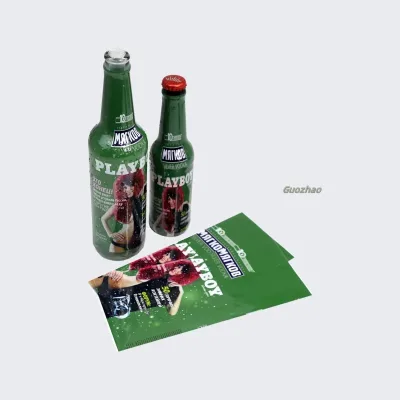
Find and compare 28 Waterproof Durable Shrink Labels suitable for bottled beverages and food packaging. These PET and PVC options offer customizable CMYK printing, roll or sheet packing, and heat-sensitive features for professional branding.
Key considerations
Products List




Comprehensive Sourcing Guide
Waterproof Durable Shrink Labels Sourcing Guide
Procuring Waterproof Durable Shrink Labels requires a strategic approach that balances material science with supply chain reliability. These labels are engineered to withstand harsh environments, including moisture, temperature fluctuations, and physical abrasion, making them essential for industries ranging from bottled beverages to chemical packaging. Buyers must understand that "waterproof" and "durable" are not single attributes but the result of specific material choices, printing techniques, and application methods. The sourcing process begins with defining the exact operational environment of the end product to ensure the selected label technology meets performance expectations without over-engineering or under-specifying the solution.
The market offers a diverse array of shrink sleeve options, primarily utilizing materials such as PET and PVC, each with distinct advantages regarding clarity, shrinkage rates, and environmental impact. Observations from current listings indicate a wide range of customization capabilities, including logo acceptance, color matching, and specific printing types like letterpress or digital sampling. Buyers should recognize that while many suppliers offer similar core functionalities, the quality of the final product is heavily dependent on the supplier’s technical expertise in film handling and printing precision. Establishing clear communication regarding these technical nuances early in the sourcing process is critical to avoiding costly mismatches between label performance and product requirements.
Product Scope and Observed Listing Signals
The current market landscape for shrink labels reveals a significant variation in product specifications, with observed minimum order quantities (MOQs) ranging from as low as 1 piece to over 1.5 million pieces. This wide range suggests that suppliers cater to both prototyping needs and large-scale industrial production, allowing buyers to scale their orders flexibly. Prices observed in the market span from $0 to $4,300, reflecting differences in material thickness, printing complexity, and order volume. Buyers should interpret these price ranges as indicative of the broader market rather than fixed costs, as final pricing is heavily influenced by customization levels, such as the number of colors used or the inclusion of special features like anti-counterfeit elements.
Product listings frequently highlight key attributes such as waterproofing, heat sensitivity, and the ability to withstand various environmental conditions. Materials commonly cited include PET, PVC, PE, and PP, with thicknesses typically ranging from 0.03mm to 0.05mm. These specifications are crucial for determining the label’s durability and shrinkage behavior. Additionally, many suppliers offer customization options for label sizes, colors, and printing effects, with some providing free printing plates for orders exceeding certain weight thresholds. Buyers should carefully review these signals to identify suppliers who align with their specific technical and commercial needs, ensuring that the observed features match their actual requirements.
Technical Specifications to Verify
Material selection is the most critical technical decision when sourcing shrink labels, as it directly impacts durability, clarity, and environmental compliance. PET and PVC are the most commonly observed materials, with PET often preferred for its clarity and eco-friendly profile, while PVC offers robust durability and shrinkage capabilities. Buyers must verify the specific grade and thickness of the film, as variations in thickness, such as 0.03mm versus 0.05mm, can affect the label’s resistance to tearing and its ability to conform to complex bottle shapes. It is also important to confirm whether the material is suitable for the intended application, such as bottled beverages or food packaging, and to ensure that the film meets any relevant regulatory standards for contact with consumables.
Printing quality and customization options are equally important factors that influence the final appearance and functionality of the labels. Suppliers may offer various printing techniques, including letterpress and digital printing, with some providing digital sampling to allow for proofing before full-scale production. Buyers should verify the maximum number of colors supported, the availability of custom logo printing, and the quality of the print effect, which is often described as excellent in high-quality listings. Additionally, features such as waterproofing, anti-counterfeit measures, and barcode readability should be confirmed through sample testing, as these attributes are essential for maintaining brand integrity and ensuring accurate product identification in the supply chain.
Compliance and Safety Documentation
Ensuring that shrink labels comply with relevant safety and environmental regulations is a mandatory step in the procurement process. Buyers must verify that the materials used, such as PET or PVC, meet the regulatory requirements of the target market, particularly if the labels are intended for food or beverage applications. This includes confirming that the inks and adhesives used in the printing process are non-toxic and do not leach harmful substances into the product. Suppliers should be able to provide documentation, such as Material Safety Data Sheets (MSDS) or compliance certificates, to demonstrate that their products meet these standards. Buyers should not assume compliance based on marketing claims but should request explicit verification from the supplier.
Environmental considerations are increasingly important in the sourcing of shrink labels, with many buyers seeking eco-friendly options. Some suppliers offer labels made from recyclable materials or those that are designed to be easily removed during the recycling process. Buyers should inquire about the environmental profile of the labels, including whether they are biodegradable, recyclable, or made from post-consumer recycled content. Additionally, it is important to verify that the supplier adheres to sustainable manufacturing practices, such as reducing waste and energy consumption during production. By prioritizing eco-friendly options, buyers can align their procurement strategies with corporate sustainability goals and meet the growing consumer demand for environmentally responsible products.
Cost Drivers and Commercial Terms
The cost of shrink labels is influenced by several key factors, including material type, printing complexity, order volume, and customization requirements. Buyers should expect higher costs for labels with complex designs, multiple colors, or special features such as anti-counterfeit elements. Additionally, the MOQ plays a significant role in pricing, with larger orders typically benefiting from economies of scale. Suppliers may offer discounts for bulk purchases or provide free printing plates for orders exceeding a certain weight, which can help reduce overall costs. Buyers should negotiate these terms carefully to ensure they receive the best possible value for their investment.
Shipping and packaging terms are also important considerations that can impact the total cost of procurement. Labels are typically shipped in rolls or sheets, packed in cartons, and may require special handling to prevent damage during transit. Buyers should clarify the shipping method, whether by air or sea, and the associated lead times, as these factors can affect inventory management and production schedules. Additionally, it is important to confirm the packaging details, such as the use of shrinkable film or protective materials, to ensure that the labels arrive in pristine condition. By understanding these commercial terms, buyers can better plan their budgets and avoid unexpected expenses.
Supplier Qualification and Quality Control
Selecting a reliable supplier is crucial for ensuring the consistent quality and performance of shrink labels. Buyers should conduct thorough due diligence to verify the supplier’s manufacturing capabilities, quality control processes, and track record. This includes reviewing the supplier’s certifications, such as ISO standards, and assessing their ability to meet specific technical requirements, such as material thickness and printing quality. Buyers should also request samples to evaluate the labels’ durability, waterproofing, and print clarity before committing to a large order. By prioritizing suppliers with strong quality control systems, buyers can minimize the risk of defects and ensure that their products meet customer expectations.
Quality control should extend beyond the initial sample approval to include ongoing monitoring of production batches. Buyers should establish clear quality standards and communicate them to the supplier, ensuring that any deviations are identified and addressed promptly. This may involve implementing inspection protocols, such as random sampling or third-party audits, to verify that the labels meet the agreed-upon specifications. Additionally, buyers should maintain open communication with the supplier to address any issues that arise during production or delivery. By taking a proactive approach to quality control, buyers can build a strong partnership with their supplier and ensure the long-term success of their procurement strategy.
Long-Term Procurement Checks
Building a sustainable supply chain for shrink labels requires regular evaluation of supplier performance and market trends. Buyers should periodically review their suppliers’ ability to meet changing requirements, such as new regulatory standards or evolving consumer preferences for eco-friendly materials. This includes assessing the supplier’s responsiveness to inquiries, their ability to deliver on time, and their willingness to collaborate on product improvements. By maintaining a close relationship with their suppliers, buyers can stay ahead of market changes and ensure that their procurement strategy remains aligned with their business goals.
Additionally, buyers should continuously monitor the market for new technologies and materials that could offer improved performance or cost savings. This may involve exploring alternative materials, such as biodegradable films, or investigating new printing techniques that enhance label durability or visual appeal. By staying informed about industry developments, buyers can make informed decisions about their sourcing strategy and identify opportunities for innovation. Regularly updating their supplier base and exploring new options can help buyers maintain a competitive edge and ensure that their products meet the highest standards of quality and sustainability.
FAQs
What materials are used for waterproof shrink labels?
These labels are primarily manufactured from PET and PVC materials to ensure durability and water resistance. The product page confirms the use of PET for shrink sleeve labels and PVC for other label types. Both materials provide excellent print effects and can withstand moisture, making them suitable for bottled beverages and food packaging applications.
Can I customize the logo and color on these labels?
Yes, customization is available for both logos and colors. Buyers can accept customized logos and choose from customized CMYK colors. The printing process supports letterpress printing with excellent print effects. This allows businesses to create unique branding for their products while maintaining the waterproof and durable characteristics required for various packaging needs.
What is the minimum order quantity for these labels?
The minimum order quantity varies by product type. One product listing specifies an MOQ of 1000 pieces, while another indicates an MOQ of 200,000 pieces. Buyers should check specific product details for exact requirements. Custom orders are accepted, allowing flexibility for different business sizes and packaging volume needs across various industries.
How are the shrink labels packaged for shipping?
The labels are packaged in rolls or sheets and placed inside cartons for protection. Some listings specify packing in rolls or sheets plus cartons, while others mention shrinkable film packaging. This secure packing method ensures the labels remain undamaged during transit. Shipping options include air or sea freight, depending on the buyer's preference and urgency.
Are these labels suitable for bottled beverage applications?
Yes, these labels are explicitly designed for bottled beverage applications. They feature waterproof and heat-sensitive properties, ensuring they adhere well and remain legible in cold or wet conditions. The durable construction prevents peeling or damage during handling and storage. This makes them ideal for drinks, food packaging, and other liquid product containers requiring high durability.