Source Waterproof Geomembrane for Fish Farm, pond liner, and dam
Find 30 Waterproof Geomembrane for Fish Farm options with varying thicknesses from 0.2mm to 3mm. Compare suppliers offering HDPE materials, ISO certifications, and customization services for environmental and hydraulic projects; compare the available evidence and request quotations based on your requirements.
Updated
Key considerations
Products List

Aquaculture Geomembrane Eco-Friendly Anti-Leakage Membrane for Fish Farm
$1.30 - $2.00
MOQ: 500 Square Meters

40mil Waterproof Material Fish Farm Geomembrane for Fish Pond Farming
$0.49 - $0.59
MOQ: 3000 Square Meters
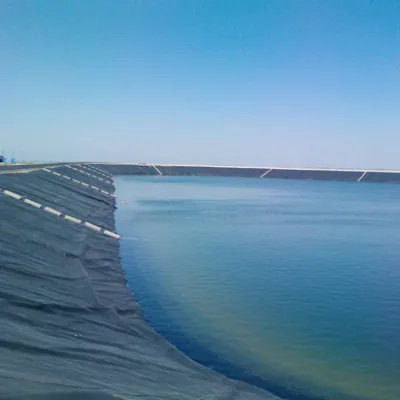

PVC Pond Liner 0.5mm 1mm Waterproof Geomembrane for Fish Farm Aquaculture
$1.43 - $3.72
MOQ: 1200 Square Meters

Impermeable Geomembrane - Smooth or Textured Options - Designed for Fish Farms
$1.43 - $3.72
MOQ: 1200 Square Meters

0.5mm 1.0mm 1.5mm PVC Pond Liner Waterproof Geomembrane for Fish Farming
$1.43 - $3.72
MOQ: 1200 Square Meters


0.2mm-3mm Thickness and 1.5m-10m Width Geomembrane for Fish Farming
$0.37 - $4.20
MOQ: 5000 Square Meters
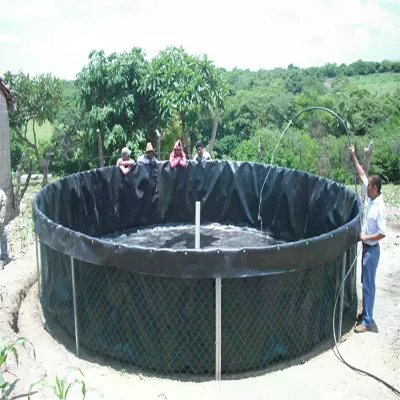
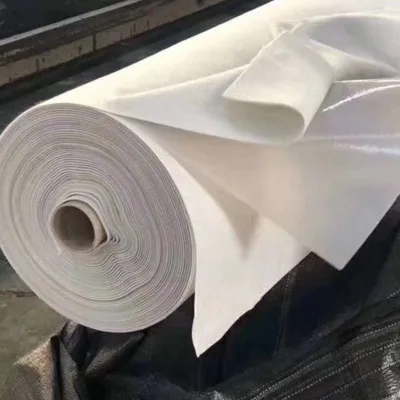
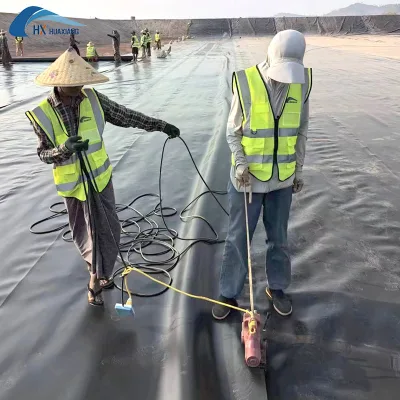
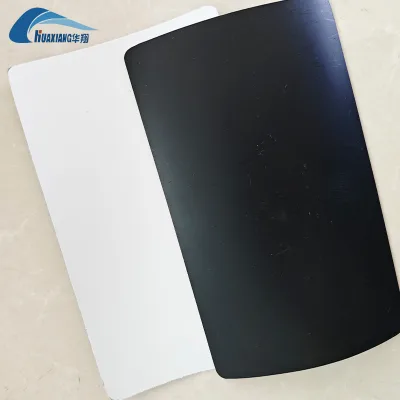
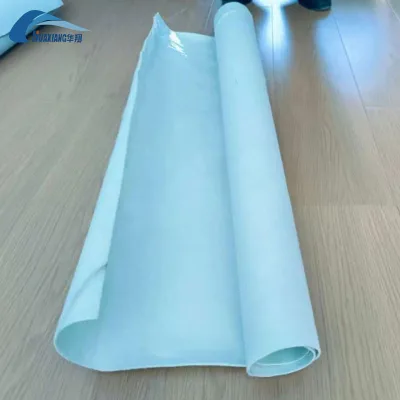


Environmental-Friendly Geomembrane for Fish/Shrimp Farming Pond Liner
$0.68 - $3.68
MOQ: 3000 Square Meters

0.75mm Irrigation Pond Geomembrane for Water Conservation in Agriculture
$0.68 - $3.68
MOQ: 3000 Square Meters

Durable LLDPE Geomembrane - Reliable Solution for Aquaculture Waterproofing
$0.68 - $3.68
MOQ: 3000 Square Meters
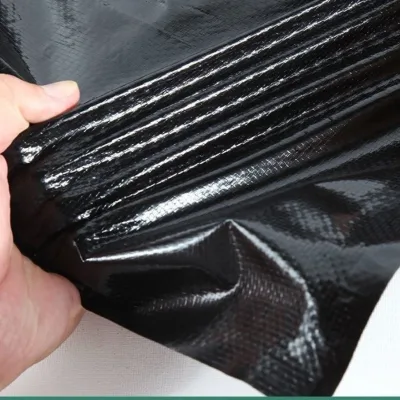
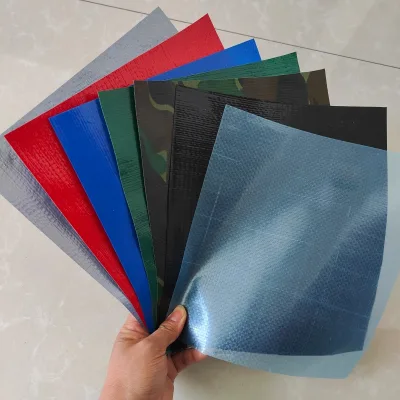
Comprehensive Sourcing Guide
Waterproof Geomembrane for Fish Farm Sourcing Guide
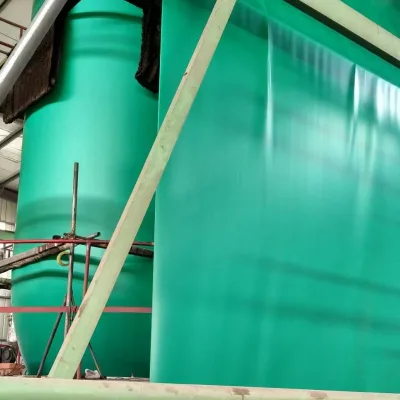
Procuring waterproof geomembranes for fish farm construction requires careful attention to material integrity and environmental compatibility. The observed market listings indicate that High-Density Polyethylene (HDPE) is the dominant material choice, offering essential properties like tear resistance and puncture resistance necessary for aquatic containment. Buyers must verify that the selected product is specifically designed for applications such as fish and shrimp ponds, dam liners, and lagoon containment to ensure long-term structural stability.
The surface finish and thickness of the geomembrane are critical factors that directly influence the lifespan of the aquaculture facility. Available options range from smooth to double-smooth surfaces with thicknesses varying between 0.2mm and 3.00mm, allowing for customization based on specific site conditions. It is essential to confirm that the chosen thickness aligns with the hydraulic and geotechnical demands of the project, as thinner films may be prone to damage during installation or from sharp substrates.
Product Scope and Observed Listing Signals
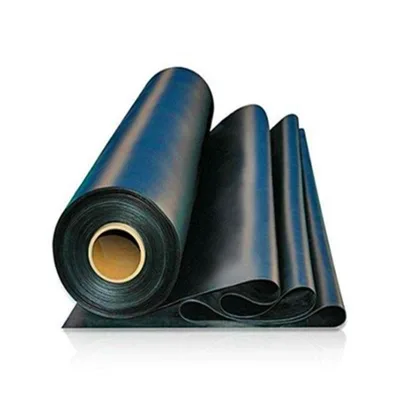
The product scope for waterproof geomembranes in this sector is defined by their primary function as impermeable barriers for water retention and pollution control. Listings consistently identify these items as geomembranes suitable for environmental, geotechnical, hydraulic, and transportation projects, with a specific focus on aquaculture applications like pond liners. The standard color observed is black, though some suppliers offer white options, which may be relevant for thermal regulation in specific climates.
Commercial signals indicate a wide range of customization capabilities, including tailored lengths from 50m to 200m and widths spanning from 1m to 8m. Buyers should note that while some standard widths are listed as 6m, the ability to request custom dimensions is a key feature for optimizing material usage and reducing waste on-site. Packaging is typically provided in woven bags, but some suppliers allow for branding with the customer's company logo, which can be useful for large-scale project identification.
Technical Specifications to Verify
Technical verification must begin with the tensile strength properties, as the geomembrane must withstand significant mechanical stress during installation and operation. Observed data suggests tensile yield strengths ranging from 4 to 40 n/mm and tensile break strengths between 6 and 60 n/mm, which are critical for preventing failure under load. Buyers should request specific test reports to confirm that the material meets these minimum thresholds for the intended depth and pressure conditions of the fish farm.
Density and thickness uniformity are equally vital parameters that determine the chemical resistance and durability of the liner. The observed density is typically 0.94 g/cm³ or higher, ensuring the material is robust against chemical leaching from feed or waste. Thickness specifications vary from 0.2mm to 3.00mm, with common options including 0.5mm, 0.75mm, 1.0mm, 1.5mm, and 2.0mm. It is imperative to verify that the actual delivered thickness matches the ordered specification to guarantee the required service life of up to 20 years.
Compliance and Safety Documentation
Compliance with international standards is a non-negotiable requirement for ensuring the safety of aquatic life and the integrity of the containment system. The observed listings frequently cite certifications such as ISO, CE, and ASTM, with some suppliers also providing MSDS documentation. Buyers must explicitly request copies of these certificates to verify that the HDPE material has been tested for toxicity and does not release harmful substances into the water column.
Safety documentation should also cover the manufacturing process and the specific standards applied to the final product. While some listings mention ASTM D7466 as a background standard, buyers should confirm the exact standard numbers relevant to the specific application, such as those governing geomembrane performance in hydraulic projects. Ensuring that the supplier provides a comprehensive compliance package helps mitigate liability risks and ensures the facility meets local environmental regulations.
Cost Drivers and Commercial Terms
Cost drivers for waterproof geomembranes are primarily influenced by material thickness, surface treatment, and the extent of customization required. Thicker membranes with double-smooth surfaces generally command higher prices due to the increased material usage and more complex manufacturing processes involved. Additionally, the ability to provide custom lengths and widths, along with specific packaging requirements like logo printing, can add to the overall unit cost.
Commercial terms often include flexible Minimum Order Quantities (MOQ) ranging from 1 to 100,000 units, allowing buyers to scale orders based on project size. Pricing observed in the market ranges from $0.1 to $4.2 per unit, though this variance likely reflects differences in thickness, width, and order volume. Buyers should clarify whether the quoted price includes shipping and handling, as the single package size and gross weight can significantly impact logistics costs for large projects.
Supplier Qualification and Quality Control
Supplier qualification should focus on their ability to provide total project solutions and comprehensive after-sales support. Many observed suppliers offer online technical support and onsite installation services, which are crucial for ensuring proper deployment of the geomembrane. A supplier with a history of serving environmental and hydraulic projects is better positioned to address complex site-specific challenges that may arise during the construction of a fish farm.
Quality control processes must be verified through the supplier's production capabilities and testing protocols. The observed processing services include cutting and blow molding, which are essential for creating the final product specifications. Buyers should inquire about the supplier's quality assurance measures, including how they handle defects and whether they offer warranties ranging from 1 to 5 years. This ensures that any potential issues with the material are addressed promptly and effectively.
Long-Term Procurement Checks
Long-term procurement checks should prioritize the service life and durability of the geomembrane under continuous water exposure. The observed service life of up to 20 years indicates that high-quality HDPE materials can provide a reliable barrier for decades, provided they are installed correctly. Buyers should establish a maintenance schedule that includes regular inspections for punctures or tears, ensuring that the liner remains intact throughout the operational life of the fish farm.
It is also essential to maintain a relationship with the supplier for future repairs or expansions of the facility. Suppliers offering customization and total project solutions are more likely to provide consistent product quality and support for future needs. Buyers should verify the availability of spare materials and the supplier's capacity to fulfill additional orders quickly, ensuring that any necessary replacements can be made without significant downtime or disruption to the aquaculture operations.
FAQs
What material is used for Waterproof Geomembrane for Fish Farm liners?
The primary material is High-Density Polyethylene (HDPE). This geomembrane offers high density of at least 0.940g/cm3. It provides excellent tear, impact, and puncture resistance. The black or white color ensures durability. It is suitable for fish shrimp ponds and lagoon liners.
Can I customize the thickness and width of the geomembrane?
Yes, customization is available for both thickness and width. Thickness ranges from 0.2mm to 3.00mm, with common options like 1.0mm or 2mm. Width can be selected between 1m and 8m. Length is typically 50-200m or customized to your specific project requirements.
Which certifications ensure the quality of the HDPE geomembrane?
Reputable suppliers provide ISO, CE, and ASTM certifications. Some products also include MSDS documentation. These standards verify the material's safety and performance. The geomembrane meets industrial design styles and supports total project solutions for environmental and hydraulic applications.
What after-sale services are provided for the geomembrane installation?
Suppliers offer online technical support and onsite installation services. This ensures proper placement in fish ponds or dams. The product comes with a warranty of 1 to 5 years. Packaging is typically in woven bags or custom branded packing for safe transport.
Where are these HDPE geomembranes manufactured and shipped from?
These geomembranes are manufactured in China, specifically in regions like Shandong, Taian, and Gansu. The products are exported globally for various applications. Buyers can source directly from these locations to ensure competitive pricing and reliable supply chain logistics for large orders.
What is the typical price range for HDPE geomembrane?
The observed price range is between 0.1 and 4.2 USD per unit. This varies based on thickness, width, and order quantity. Minimum order quantities range from 1 to 100,000 units. Buyers should request quotes based on specific dimensions to get accurate pricing for their project.