Source Waterproof Modified Tail Light for Cars, Trucks, and SUVs
Find 30 Waterproof Modified Tail Light options for cars, trucks, and SUVs. Buyers can compare specifications like voltage, lens color, and fitment for models including BMW 4 Series and Ford Ranger to ensure quality and compatibility; compare the available evidence and request quotations based on your requirements.
Updated
Key considerations
Products List

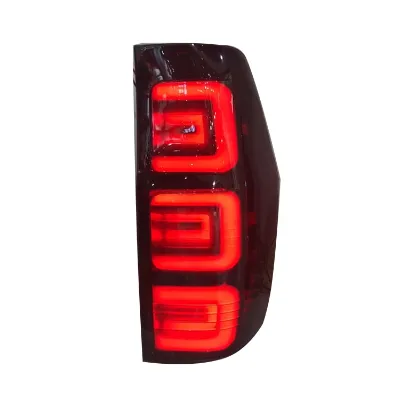
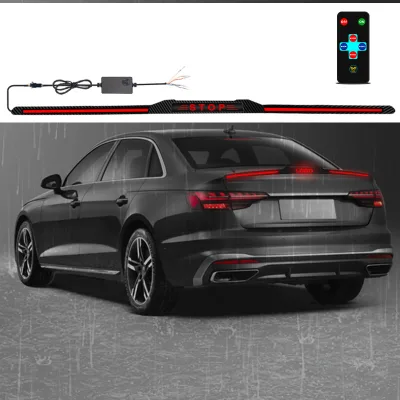
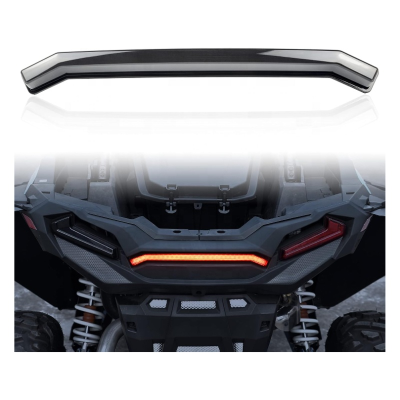
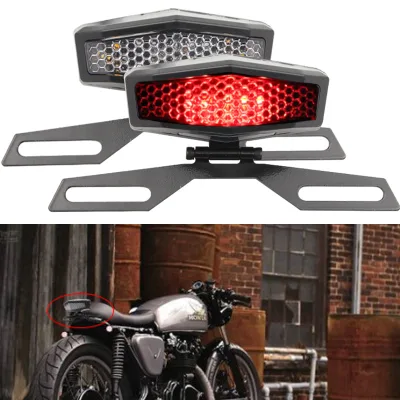
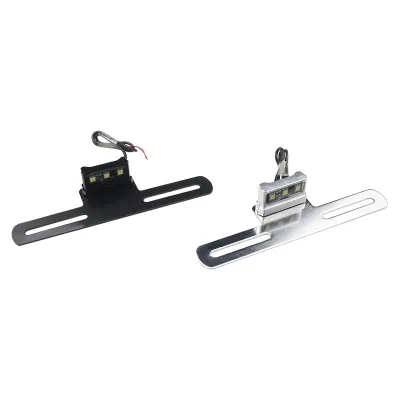
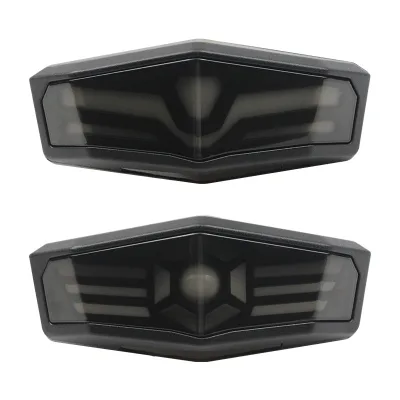
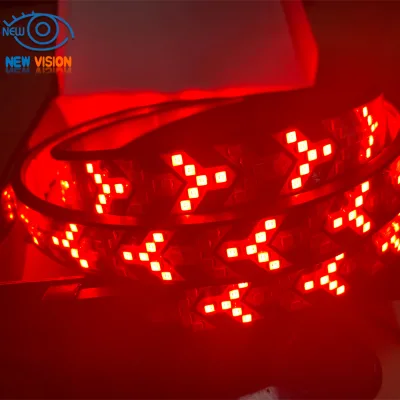
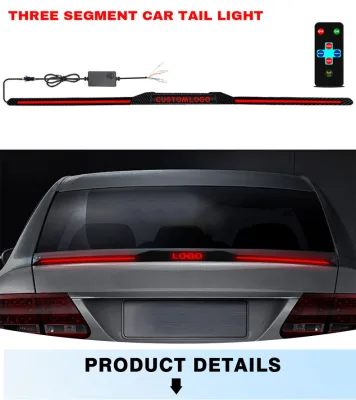
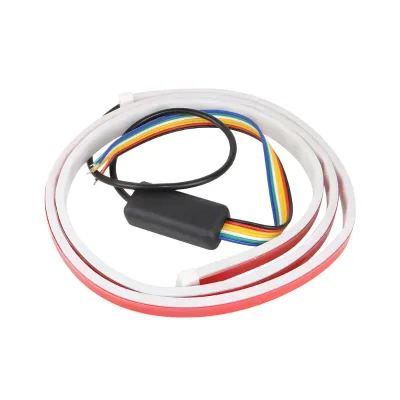
Premium Full LED Sequential Brake Modified Waterproof Auto Rear Car Taillight
$124.18 - $153.06
MOQ: 4 Pieces








Comprehensive Sourcing Guide
Waterproof Modified Tail Light Sourcing Guide
Procuring waterproof modified tail lights requires a disciplined approach to verifying both optical performance and environmental sealing, as these components serve critical safety functions for vehicle identification and signaling. Buyers must distinguish between standard replacement units and customized modifications, ensuring that the selected products align with specific vehicle models while maintaining robust resistance to moisture ingress. The observed market data indicates a wide variance in specifications, ranging from basic LED configurations to advanced strobe patterns, necessitating careful evaluation of technical attributes before committing to volume orders.
This guide outlines the essential verification steps for sourcing these automotive components, focusing on technical integrity, compliance documentation, and supplier reliability. By leveraging observed listing signals such as voltage ratings, lens colors, and packing standards, procurement teams can construct a more accurate risk profile for each potential supplier. The following sections provide a structured framework for evaluating product scope, technical specifications, and commercial terms to ensure that the final procurement delivers reliable, high-quality lighting solutions that meet stringent automotive standards.
Product Scope and Observed Listing Signals
The current market landscape for modified tail lights reveals a diverse array of product configurations, with observed listings highlighting key attributes such as lens color options including smoke, tinted, red, yellow, white, blue, and green variants. Buyers should note that many suppliers offer customization services, allowing for tailored solutions that may include specific patterns like strobe lights or unique LED arrangements, such as 12-LED configurations. The presence of universal fitment claims alongside model-specific designations, such as those for BMW 4 Series or Ford Ranger, suggests a fragmented market where precise vehicle compatibility must be rigorously verified to avoid installation errors.
Packing and origin data provide additional context for logistics planning, with observed standards indicating origins in regions like Zhejiang and Henan in China, and packing methods ranging from individual boxes to palletized cartons. The observed price range of $1.45 to $215 USD reflects significant variation in quality and feature sets, while minimum order quantities typically span from single units to larger batches of 1,000 pieces. Procurement teams should use these signals to segment suppliers based on their capacity to handle specific order volumes and to assess the logistical implications of different packing standards, ensuring that supply chain efficiency is maintained throughout the sourcing process.
Technical Specifications to Verify
Technical verification must begin with electrical compatibility, as observed listings specify voltage requirements such as 12V or DC 12-24V, which are critical for ensuring proper integration with vehicle electrical systems. Buyers should confirm the wattage and rated power of the units, with observed values ranging from 1W to 72 Watts, to prevent overloading circuits or underperforming in low-voltage conditions. Additionally, the lumens output, such as the observed 6500 lm, and color temperature, like 8000K, are key performance indicators that influence visibility and aesthetic appeal, requiring careful alignment with the intended application and regulatory requirements for light intensity and hue.
Environmental resistance is another critical technical parameter, with many suppliers claiming IP68 waterproof ratings and shock-resistant properties to ensure durability in harsh operating conditions. The material composition, often cited as LED-based, and the lens color, such as red or natural white, must be cross-referenced with the vehicle’s existing lighting architecture to ensure seamless functionality. Buyers should also verify the physical dimensions, such as the observed size of 1604813mm, and the model numbers, like FDL117-12LED or 17574, to ensure that the components fit within the designated housing and meet the specific design constraints of the target vehicle platform.
Compliance and Safety Documentation
Compliance verification is essential for ensuring that modified tail lights meet regional safety standards and regulatory requirements, particularly when dealing with aftermarket modifications that may impact vehicle legality. Buyers should request documentation for certifications such as DOT, which indicates adherence to specific safety standards, and verify that the products have undergone appropriate testing for electrical safety and environmental resistance. The absence of explicit certification details in some listings necessitates proactive inquiry to confirm that the suppliers have the necessary approvals to export and sell their products in the target market, reducing the risk of regulatory non-compliance.
Safety features, such as the dual function of stop lights and tail lights, must be clearly documented to ensure that the products perform all required signaling functions reliably. Buyers should also verify the warranty terms, such as the observed 3-month warranty, to understand the supplier’s confidence in their product’s longevity and performance. Additionally, the condition of the products, typically listed as new, and the purpose of replacement or repair should be confirmed to ensure that the components are suitable for their intended use and do not pose any safety risks due to manufacturing defects or improper installation.
Cost Drivers and Commercial Terms
Cost drivers for modified tail lights include the complexity of the LED configuration, the quality of the materials used, and the level of customization required, all of which influence the final price point. Buyers should analyze the observed price range of $1.45 to $215 USD to understand the value proposition of different suppliers, considering factors such as lumens output, waterproof rating, and brand reputation. The minimum order quantity, which can range from 1 to 1,000 pieces, also plays a significant role in determining the unit cost, with larger orders typically benefiting from economies of scale and more favorable pricing terms.
Commercial terms, including payment methods, shipping options, and lead times, should be clearly defined in the procurement agreement to avoid unexpected costs or delays. Buyers should negotiate for flexible MOQs that align with their inventory management strategies and request detailed packing information, such as the observed standards of 60X60X30 cm, to optimize logistics and reduce handling costs. Additionally, the supplier’s location, such as Zhejiang or Henan in China, may impact shipping costs and delivery times, requiring careful consideration of the total landed cost when evaluating different sourcing options.
Supplier Qualification and Quality Control
Supplier qualification involves a thorough assessment of the manufacturer’s capabilities, including their production capacity, quality control processes, and track record in the automotive lighting industry. Buyers should verify the supplier’s ability to provide consistent product quality by requesting samples and conducting independent testing to confirm specifications such as waterproof rating, lumens output, and electrical compatibility. The observed customization availability suggests that suppliers may offer tailored solutions, but buyers must ensure that these modifications do not compromise the overall quality or safety of the product.
Quality control measures, such as routine inspections and testing protocols, should be established to monitor production consistency and identify potential defects early in the manufacturing process. Buyers should also evaluate the supplier’s response to quality issues, including their warranty terms and return policies, to ensure that any defective products can be promptly addressed. By establishing a robust quality control framework, procurement teams can mitigate the risk of receiving substandard products and ensure that the final supply chain delivers reliable, high-performance modified tail lights that meet the required specifications.
Long-Term Procurement Checks
Long-term procurement checks involve continuous monitoring of supplier performance, product quality, and market trends to ensure that the sourcing strategy remains effective and aligned with business objectives. Buyers should establish key performance indicators, such as defect rates, delivery times, and customer satisfaction scores, to evaluate the supplier’s reliability and identify areas for improvement. Regular audits and feedback loops can help maintain high standards of quality and service, fostering a collaborative relationship that benefits both the buyer and the supplier.
Market dynamics, including changes in technology, regulatory requirements, and consumer preferences, should be closely monitored to anticipate shifts in demand and adjust sourcing strategies accordingly. Buyers should also stay informed about emerging trends in automotive lighting, such as advancements in LED technology or new safety standards, to ensure that their procurement decisions remain competitive and forward-looking. By maintaining a proactive approach to long-term procurement checks, organizations can build a resilient supply chain that adapts to changing market conditions and delivers consistent value over time.
FAQs
Can I customize the lens color for these modified tail lights?
Yes, customization is available for these LED tail lights. Buyers can select from various lens colors including smoke or tinted options. The product supports specific color requirements to match vehicle aesthetics. This flexibility allows for tailored appearances while maintaining the high-quality construction and waterproof resistance essential for reliable automotive lighting performance.
What is the minimum order quantity for these tail lamps?
The minimum order quantity is 10 pieces for these modified LED tail lights. This low MOQ allows buyers to test market demand with minimal initial investment. The supplier offers flexible purchasing terms suitable for small businesses or individual repair shops. Bulk orders may be available for larger procurement needs with potential pricing adjustments.
Are these tail lights compatible with BMW 4 Series models?
Yes, these modified LED taillights are designed for BMW 4 Series F32 models from 2013 to 2020. They serve as direct replacements for original equipment parts. The product ensures proper fitment and functionality for these specific vehicle years. Buyers should verify their exact model year to ensure compatibility before placing orders for these specialized automotive lighting components.
What certification do these LED tail lights hold?
These LED tail lights hold DOT certification, ensuring they meet specific safety and performance standards. This certification indicates compliance with regulatory requirements for automotive lighting. Buyers can rely on this credential for legal installation in markets requiring such approvals. The product maintains high-quality standards while providing essential lighting functions for vehicle safety and visibility.
How waterproof are these modified LED tail lights?
These LED tail lights feature an IP68 waterproof rating, providing excellent protection against water ingress. The design ensures reliable performance in wet conditions and harsh weather environments. This high resistance level protects internal components from moisture damage. Buyers can trust these lights for durability and consistent operation in various automotive applications requiring robust waterproofing standards.
What is the voltage requirement for these tail lamps?
These tail lamps operate on a 12V voltage system, suitable for standard automotive electrical architectures. The product is designed to integrate seamlessly with vehicle power supplies. This voltage compatibility ensures proper functionality without requiring additional converters. Buyers should confirm their vehicle's electrical system matches this requirement for optimal performance and safety during installation and daily use.