H9 LED Headlights for BYD Suppliers and Manufacturers
Find 32 verified suppliers offering H9 LED Headlights for BYD with details on location, lead times, and certifications. Compare response times and MOQs to select the right factory for your automotive lighting needs today; review the available evidence before requesting comparable quotations from suitable candidates.
Updated
Suppliers List
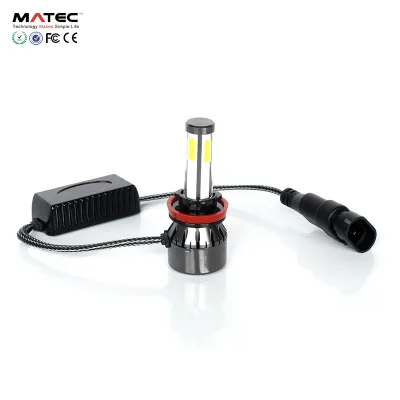
Guangzhou Matec Electronics Co., Ltd.
- Manufacturer, Trading Company
- Guangdong, China
- Lead time4 days
- Avg. response≤ 4h
Main productsLed Headlight,Led Rock Light,Hid Xenon Kit,Auto Jump Starter,Gimbal
Main marketsNorth America(32.00%), South America(18.00%), Eastern Asia(15.00%), Southeast Asia(8.00%), Domestic Market(7.00%), Africa(5.00%), Eastern Europe(5.00%), Western Europe(3.00%), Central America(2.00%), South Asia(2.00%), Northern Europe(1.00%), Southern Europe(1.00%), Oceania(1.00%)

Shanghai Anma Industry Co., Ltd.
- Trading Company
- China Shanghai
- Lead time30 days
- Avg. response≤ 6h
Main productsCar Accessories, Car Spare Parts, Car Tools, Car Interior Accessories, Car Exterior Accessories, Car Electrical Accessories, Car Lights, Car Mirror, Car Emergency Kits, Car Care Products
Main marketsSouth America,Others(foreignTradeCapacity.exportBusinessCapacityMarketOther),Southeast Asia/ Mideast,Europe,North America
Beijing Jinbao Supply Chain Management Co., Ltd.
- Trading Company
- Beijing, China
- Lead time15 days
- Avg. response≤ 3h
Main productsChassis Parts, Electrical Parts, Sheet Metal Parts, Lamps And Mirrors, Exterior Parts
Main marketsMid East(30.00%), Southeast Asia(22.00%), North America(10.00%), Western Europe(10.00%), South America(5.00%), Southern Europe(5.00%), Eastern Asia(5.00%), Central America(5.00%), Northern Europe(5.00%), Eastern Europe(3.00%)

Guangdong Liangjian Lighting Co., Ltd.
- Verified by CTI
- Combined
- China Guangdong
- Lead time23 days
- Avg. response≤ 4h
Main productsLED headlight
Main marketsSouth America,Africa,Southeast Asia/ Mideast,East Asia(Japan/ South Korea),Domestic,Europe,Australia,North America


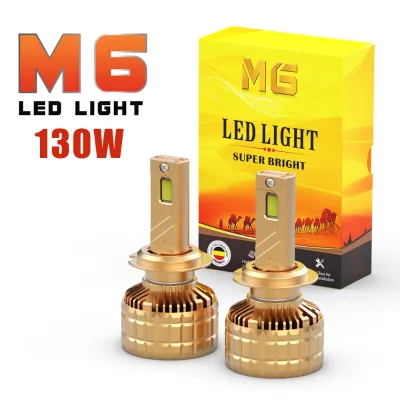
Auto COB Head Lamp H4 H7 H13 H11 9005 9006 8000lm Car LED Headlights for Car
$1.20 - $1.50
MOQ: 10 Pieces


Guangzhou Leaf Auto Parts Co., Ltd.
- Verified by TUVRHEINLAND
- Manufacturer/Factory
- China Guangdong
- Lead time23 days
- Avg. response≤ 19h
Main productsLED Lights, Car Headlight, Jeep Light, Work Light, Light Bar, Laser Light, Cylinder Head, Engine Parts, Cylinder Block, Power Steering Rack
Main marketsSouth America,Eastern Europe,Mid East,North America,Southeast Asia,Eastern Asia,Oceania,Western Europe,Africa

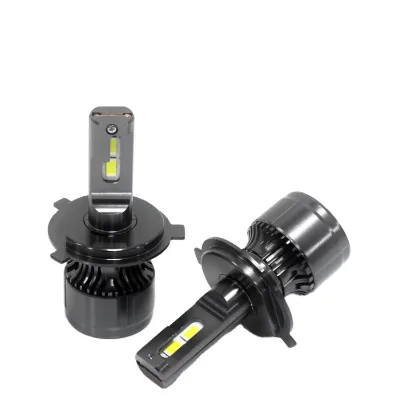
Car LED Headlights C6 Headlights H4 Modified Headlights H7 H11 9005 9006 Headlights 36W
$1.00 - $10.00
MOQ: 1 Pairs

New in-Line LED Car Headlights H8/H11/9005/9006/9012 Car Headlights Manufacturers Wholesale
$1.00 - $10.00
MOQ: 1 Pairs


Shanxi Sungrace Trading Co., Ltd
- Trading Company
- China Shanxi
- Lead time0 days
- Avg. response≤ 25h
Guangzhou Boorin New Energy Technology Co., Ltd.
- Verified by SGS Group
- Manufacturer, Trading Company
- Lead time15 days
- Avg. response≤ 4h
Main productsLED Headlight, LED Rock Light, Hid Xenon Kit, Portable Power Station, Emergency Jump Starter
Main marketsNorth America(43%), Southeast Asia(12%), Eastern Europe(9%)

Yiwu Jony Auto Parts Co., Ltd.
- Trading Company
- China Zhejiang
- Lead time45 days
- Avg. response≤ 4h
Main productsAuto Parts, Car Body Kit, Cooling System, Engine Parts, Car Light
Main marketsSouth America,East Asia(Japan/ South Korea),Domestic,North America
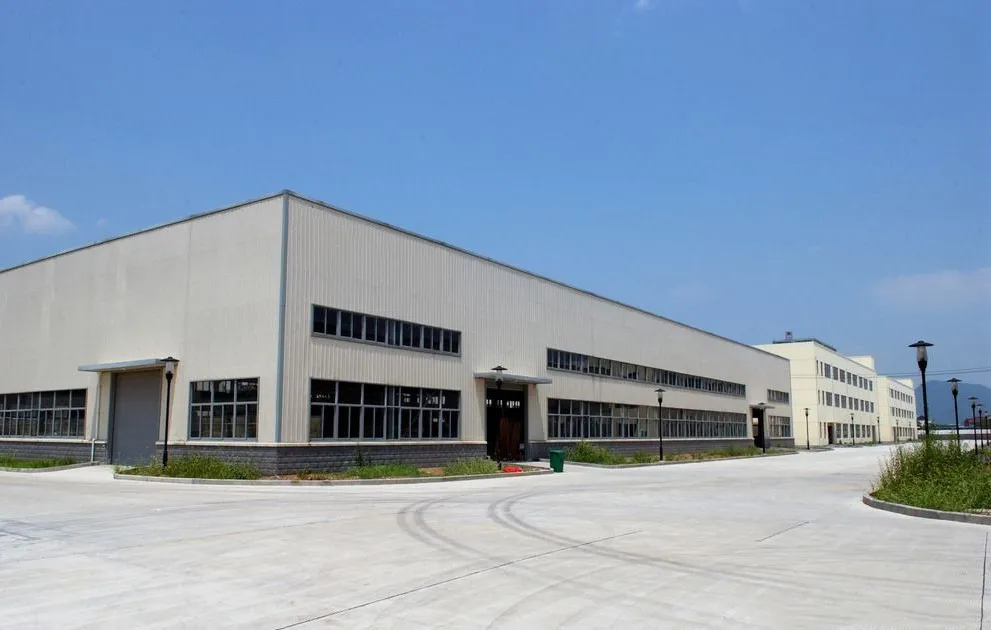
Guangzhou Wuhuan Automobile Lamps Co., Ltd.
- Manufacturer, Trading Company
- Guangdong, China
- Lead time7 days
- Avg. response≤ 5h
Main productscar headlights,car tail light,mirror
Main marketsSoutheast Asia(25.00%), North America(25.00%), South America(10.00%), Domestic Market(5.00%), South Asia(5.00%), Northern Europe(5.00%), Eastern Europe(5.00%), Eastern Asia(5.00%), Mid East(5.00%), Oceania(5.00%), Africa(5.00%)
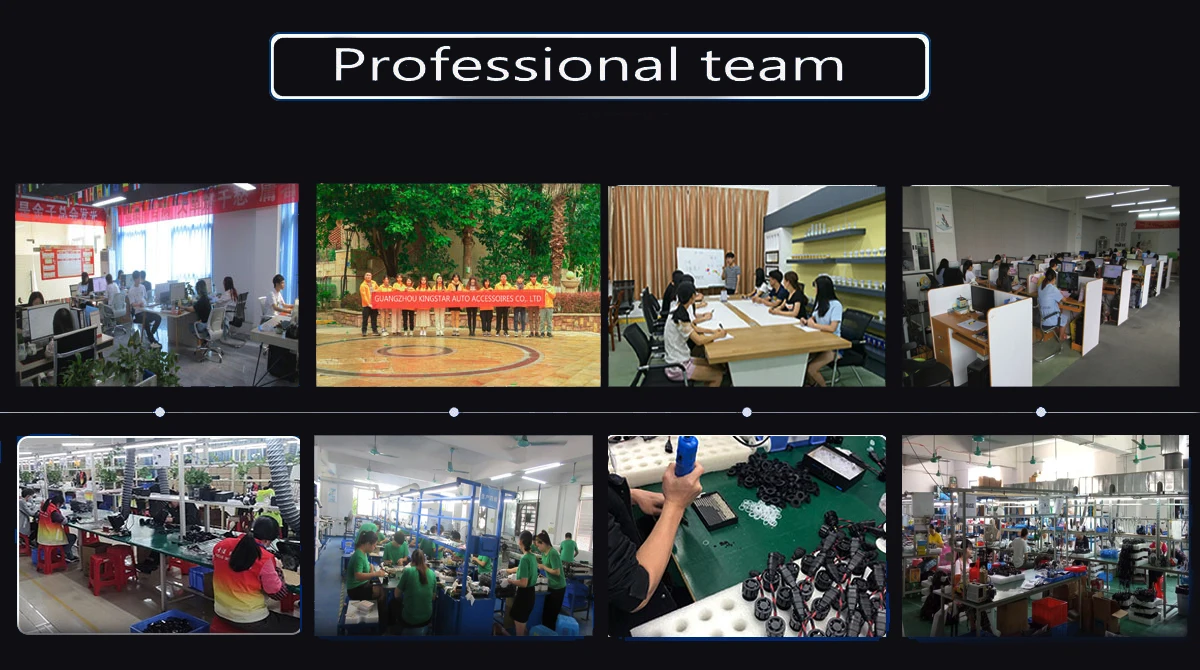
Guangzhou Kingstars Auto Accessories Co., Ltd.
- Manufacturer, Distributor/Wholesaler
- Guandong, China
- Lead time7 days
- Avg. response≤ 5h
Main productsCar led,Led headlight,LED work light bar,hid xenon Lamp,High power led lights
Main marketsSouth America(15.00%), North America(15.00%), Southern Europe(11.00%), Western Europe(11.00%), Eastern Europe(11.00%), Northern Europe(8.00%), Oceania(8.00%), Central America(7.00%), Mid East(3.00%), South Asia(3.00%), Southeast Asia(3.00%), Eastern Asia(2.00%), Africa(2.00%), Domestic Market(1.00%)
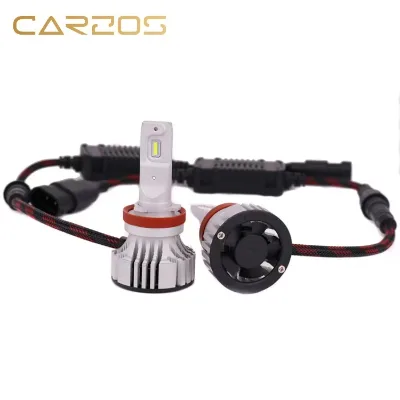
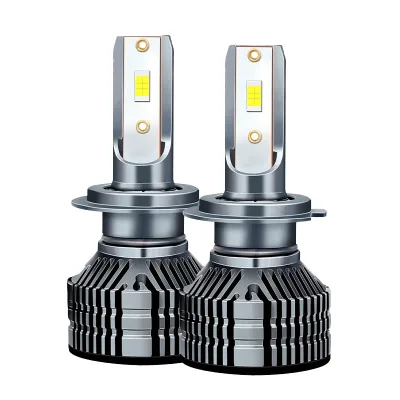
$6.6496 - $7.8495
MOQ: 10 pieces
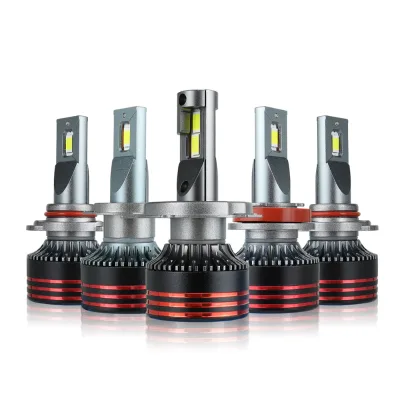
Guangzhou Cante Technology Co., Ltd.
- Manufacturer, Trading Company
- Guangdong, China
- Lead time30 days
- Avg. response≤ 7h
Main productsLED Headlights, Xenon Headlights, Decorative Light, Motorcycle LED Headlights
Main marketsNorth America(25.00%), Domestic Market(15.00%), Mid East(15.00%), South America(5.00%), Oceania(5.00%), Western Europe(5.00%), Southern Europe(5.00%), Eastern Asia(5.00%), Central America(5.00%), Northern Europe(5.00%), Eastern Europe(5.00%), Southeast Asia(5.00%)

Guangzhou Ghost Light Trading Co., Ltd.
- Verified by SGS
- Trading Company
- China Guangdong
- Lead time15 days
- Avg. response≤ 3h
Main productsAuto Parts- LED Bar, Work Light, Car Head Light, LED Flood Light, Coil Ignition, Spark Plugs, Entertainment Equipment, Auto Filters, Car Filters, Car DVR
Main marketsSouth America,Southeast Asia/ Mideast,Europe
Dongguan Chenlang Photoelectric Technology LTD.
- Verified by TüVRheinland
- Manufacturer, Trading Company
- Lead time20 days
- Avg. response≤ 2h
Main productsLED Headlights, Bi LED Projector Lens, LED Lights, Car Accessories
Main marketsNorth America(30%), South America(25%), Africa(15%)

Shanghai Huaqi Industrial Co., Ltd.
- Verified by TUVRHEINLAND
- Trading Company
- China Shanghai
- Lead time15 days
- Avg. response≤ 6h
Main productsCar Mats, Seat Cover, Car Cover, Wiper Blade, Air Compressor, Steering Wheel Cover, Car Lock, Baby Mirror, Car Jack, Racing Seat
Main marketsSouth America,Africa,Southeast Asia/ Mideast,Europe,Australia,North America

Guangzhou Brace Auto Parts Co., Ltd.
- Verified by BV
- Trading Company
- China Guangdong
- Lead time23 days
- Avg. response≤ 8h
Main productsAuto Parts, Engine, Radiator, Brakeswindshield, Taillights, Headlights, Shock Absorber, Resonator, Rear Axle, Alternator
Main marketsSouth America,Eastern Europe,Mid East,North America,Southeast Asia,Eastern Asia,Oceania,Western Europe,Africa

DONGGUAN JIALI OPTOELECTRONICS CO., LTD.
- Verified by TUVRHEINLAND
- Combined
- China Guangdong
- Lead time15 days
- Avg. response≤ 6h
Main productsLED Car Light, LED Auto Light, LED Car Lamp, LED Headlight Bulb, LED Turn Light, LED Brake Light, LED Tail Light, LED Reverse Light, Auto Parts, Car Accessories
Main marketsDomestic

Auto LED Headlight H1 H7 H8 H9 H11 H16 H18 9005 9006 9012 9145 H4 H19 Bright LED Car Headlight
$5.00 - $20.00
MOQ: 10 Sets

Auto Head Light H7 H8 H9 LED Headlight Bulb 9006 Triple Copper Tube Car LED Headlight
$5.00 - $18.00
MOQ: 20 Sets
Zhongshan Lisst Photoelectric Technology Co., Ltd.
- Verified by TüVRheinland
- Manufacturer, Trading Company
- Lead time15 days
- Avg. response≤ 4h
Main productsLED Headlight
Main marketsNorth America(50%), Eastern Europe(20%), Oceania(10%)
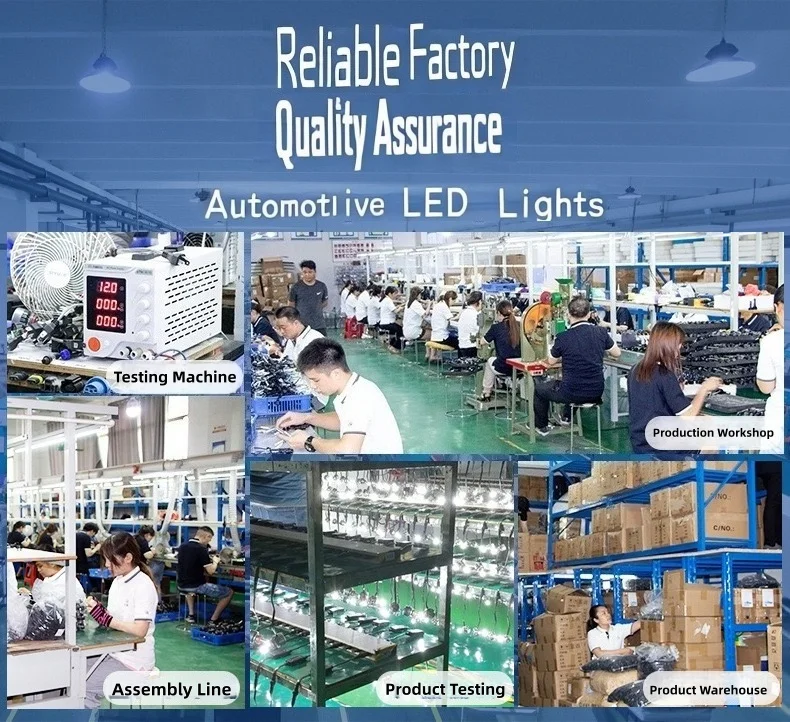
Guangzhou Maisiteng Technology Co., Ltd.
- Manufacturer, Trading Company
- Guangdong, China
- Lead time8 days
- Avg. response≤ 2h
Main productsLed car headlight,Auto LED replacement kits,LED headlight bulbs for cars,Car LED headlamps,LED HID bulbs
Main marketsNorth America(30.00%), Southeast Asia(25.00%), South America(20.00%), Eastern Europe(20.00%), Western Europe(10.00%), Domestic Market(10.00%), Northern Europe(10.00%), Central America(10.00%), Eastern Asia(5.00%), South Asia(5.00%), Southern Europe(5.00%), Oceania(5.00%), Africa(5.00%)
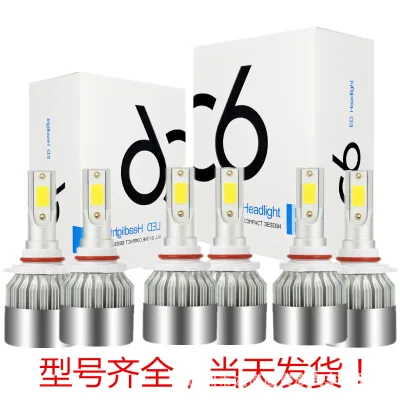
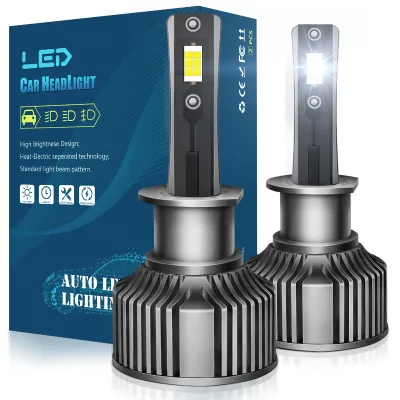
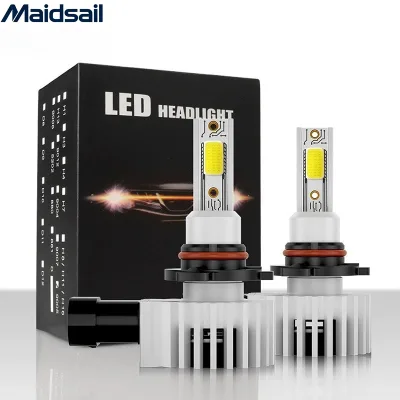
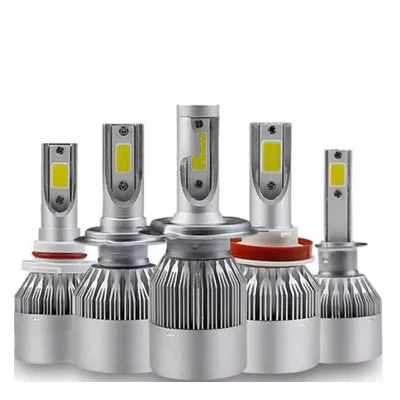
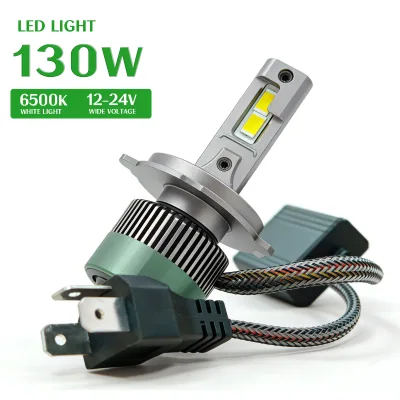
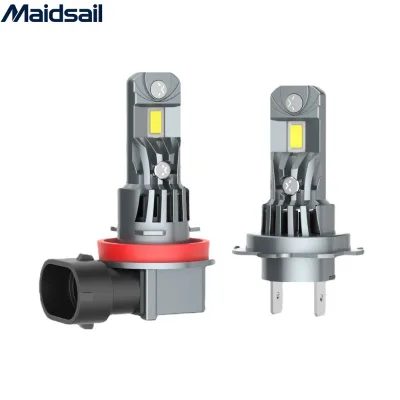
$3.6896 - $4.3038
MOQ: 10 Minimum
Guangzhou Xm Auto Parts Co., Ltd.
- Verified by SGS Group
- Trading Company
- Lead time0 days
- Avg. response≤ 2h
Main productsControl Arm, Ball Joint, Tie Rod End, Clutch Cover, Clutch Disc
Main marketsSouth America(50%), Southeast Asia(20%), South Asia(10%)

Hebei Purefine Auto Parts Co., Ltd.
- Verified by TUVRHEINLAND
- Trading Company
- China Hebei
- Lead time15 days
- Avg. response≤ 1h
Main productsFilter, Auto Filter, Air Filter, Fuel Filter, Cabin Filter, Oil Filter, Brake, Brake Drum, Spark Plug, Water Pump
Main marketsDomestic

Super Bright 96W 8000lm LED Headlamp H1 H3 H4 H7 9004 5202 8000 LED Headlight for Car
$9.90 - $10.80
MOQ: 10 Pieces

H11 Car Headlights H7 Auto Headlight 80W 9000lm LED Headlight Bulbs High Power
$7.50 - $8.30
MOQ: 10 Pieces
Guangzhou DD Lighting Co., Ltd.
- Manufacturer, Trading Company
- Guangdong, China
- Lead time0 days
- Avg. response≤ 1h
Main productsLED Fog Light, LED Work Light, LED Head Light, LED Bar Light, Motorcycle Light
Main marketsSouth America(45.00%), Eastern Europe(30.00%), Mid East(10.00%), South Asia(5.00%), Domestic Market(5.00%), Southeast Asia(5.00%)

Dongguan G-View Lighting Technology Co., Limited
- Trading Company,Manufacturer/Factory
- China Guangdong
- Lead time0 days
- Avg. response≤ 8h
Main productsLED Headlight, Fog Lights, Tail Lights, License Plate Lights, Reading Lights, Back Lights, Brake Lights, LED Projector Headlight, Rear Fog Lights, Turn Signal Lights
Main marketsSouth America,Eastern Europe,Mid East,North America,Southeast Asia,Eastern Asia,Oceania,Western Europe,Africa
Guangzhou Haizhiguang Lighting Technology Co., Ltd.
- Verified by Intertek
- Manufacturer, Trading Company
- Lead time10 days
- Avg. response≤ 2h
Main productsCar Led Headlight Light, Car Led Work Light, Bi-Lens Projector Led Headlight, Motorcycle Spotlight, Car Decoration Light
Main marketsSouth America(25%), Mid East(25%), North America(15%)

Guangzhou Brad Auto Accessories Co., Ltd.
- Manufacturer, Trading Company
- Guang Dong, China
- Lead time0 days
- Avg. response≤ 7h
Main productsled headlight,led work light,projector light,drl light,courtesy
Main marketsSouth America(18.00%), North America(18.00%), Mid East(9.00%), Central America(9.00%), Domestic Market(9.00%), Eastern Europe(6.00%), Southern Europe(5.00%), Northern Europe(5.00%), Eastern Asia(4.00%), Africa(4.00%), Southeast Asia(4.00%), Western Europe(4.00%), South Asia(3.00%), Oceania(2.00%)
Guangzhou Aoyi Electronic Technology Co., Ltd.
- Verified by Intertek
- Manufacturer, Trading Company
- Lead time30 days
- Avg. response≤ 1h
Main productsLED Headlight Bulbs, Bi-LED Fog Light Projector Lenses, LED Work Lights, Car Interior Ambient Llighting, HID Xenon Headlight Kits
Main marketsNorth America(40%), South America(25%), Domestic Market(17%)

Ningbo Autocare Car Accessory Co., Ltd.
- Trading Company
- China Zhejiang
- Lead time30 days
- Avg. response≤ 18h
Main productsAuto Accessories, Car Accessories, Car Steering Wheel Cover, Steering Wheel Cover, Seat Cushion, Sun Shade
Main marketsSouth America,Africa,Southeast Asia/ Mideast,East Asia(Japan/ South Korea),Europe,Australia,North America

Auto Head Lamps C6 LED Headlight 9005 9006 9007 H1 H3 H4 H7 H11 Auto LED Light C6 LED Headlight
$1.80 - $4.25
MOQ: 200 Sets

Auto Head Lamps C6 LED Headlight 9005 9006 9007 H1 H3 H4 H7 H11 Auto LED Light C6
$1.80 - $4.25
MOQ: 200 Sets

Auto Lamps C6 LED Headlight 9005 9006 9007 H1 H3 H4 H7 H11 Auto LED Light C6
$1.80 - $2.25
MOQ: 200 Sets
Shaanxi Jinglian M&E Tech. Co., Ltd.
- Manufacturer, Trading Company
- Shaanxi, China
- Lead time0 days
- Avg. response≤ 5h
Main productsEngine System,Electrical System,Suspension System,Transmission System,Auto Steering System
Main marketsWestern Europe(25.00%), North America(25.00%), South America(10.00%), Southeast Asia(10.00%), Eastern Europe(10.00%), Northern Europe(9.00%), Southern Europe(9.00%), Africa(2.00%)

Chongqing Shiwei Technology Co., Ltd
- Verified by SGS
- Trading Company,Manufacturer/Factory
- China Chongqing
- Lead time0 days
- Avg. response≤ 5h
Main productsAuto Parts, Auto Spare Parts, Li Car Parts, Byd Car Parts, Geely Car Parts, Chery Car Parts, Nio Car Parts
Main marketsSouth America,Eastern Europe,Mid East,North America,Southeast Asia,Eastern Asia,Oceania,Western Europe,Africa

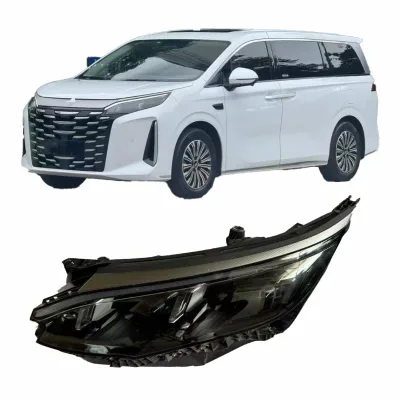
Byd Denza D9 Car LED Headlamp Left Right Head Light Lamp for D9 N7 N9 Z9 Headlight Accessories
$12.00 - $356.00
MOQ: 10 Pieces

Byd Qin Plus EV LED Headlight Headlamp Front Left Right Head Light Lamp
$98.00 - $435.00
MOQ: 10 Pieces

New Original Used Byd Han LED Headlight Headlamp Front Left Right Head Light Lamp
$98.00 - $435.00
MOQ: 10 Pieces

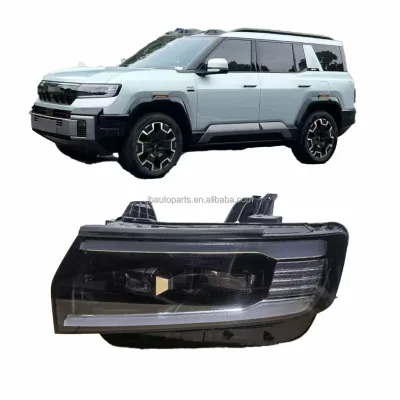
Wholesale Byd Yangwang U8 LED Headlight Front Head Light Lamp Auto Parts
$5.36 - $523.00
MOQ: 10 Pieces


$5.36 - $528.00
MOQ: 10 Pieces

Guangzhou B-King Auto Electronics Limited
- Verified by TUVRHEINLAND
- Trading Company
- China Guangdong
- Lead time15 days
- Avg. response≤ 8h
Main productsLED Headlight, LED Headlight Bulb, Auto Lights, Car Lights, HID, Car Camera, LED Work Light, Turn Signal Light, LED Fog Light
Main marketsSouth America

Guangzhou Roadstar Car Accessories Co., Ltd.
- Manufacturer, Trading Company, Agent
- Guangdong, China
- Lead time30 days
- Avg. response≤ 5h
Main productsCAR MAT,STEERING WHEEL COVER,CAR SEAT CUSION,CONSOLE BOX,BRAKE PAD
Main marketsAfrica(40.00%), Oceania(10.00%), South America(10.00%), Southeast Asia(10.00%), Mid East(10.00%), Southern Europe(5.00%), Northern Europe(5.00%), Western Europe(5.00%), Eastern Europe(5.00%)
Guangzhou Aijiehe Electronic Technology Co., Ltd.
- Manufacturer, Trading Company
- Guangdong, China
- Lead time0 days
- Avg. response≤ 3h
Main productsLED work light,LED headlight,Motorcycle lamp,Led light Bar,LED T10 W5W
Main marketsWestern Europe(15.00%), Mid East(15.00%), South America(15.00%), Southern Europe(10.00%), Northern Europe(10.00%), North America(10.00%), South Asia(5.00%), Oceania(5.00%), Southeast Asia(5.00%), Central America(5.00%), Eastern Europe(5.00%), Eastern Asia(5.00%)
$4.7367 - $6.3845
MOQ: 4 Minimum

Guangzhou Jashine Technology Co., Ltd.
- Verified by TUVRHEINLAND
- Manufacturer/Factory
- China Guangdong
- Lead time30 days
- Avg. response≤ 8h
Main productsLED Headlight, LED Light Bar, LED Offroad Lamp, LED Strip, LED Projector Lens, SRS Gas Inflator, PVC Car Leather, Car Safety Seat Belt Parts
Main marketsSouth America,Eastern Europe,Mid East,North America,Southeast Asia,Eastern Asia,Oceania,Western Europe,Africa


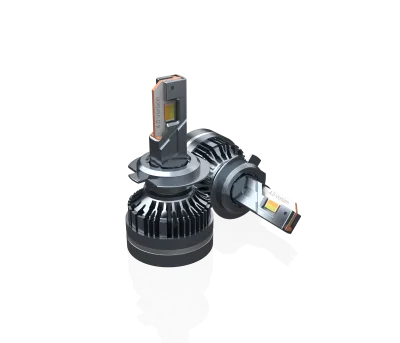
S5 Dual Color LED Headlight H7 H8 H11 H16 9005 9006 9012 H1 H3 LED Headlight Kit
$24.00 - $29.50
MOQ: 10 Pieces












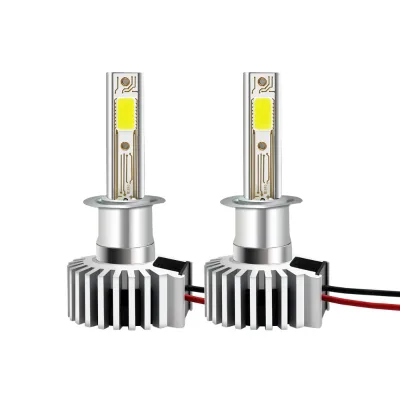
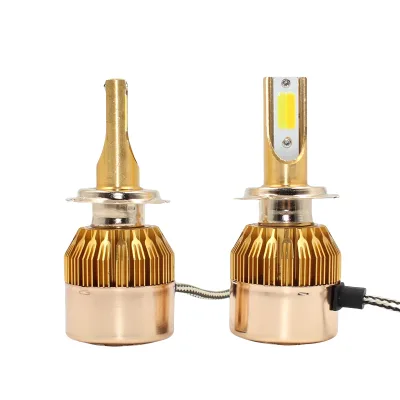
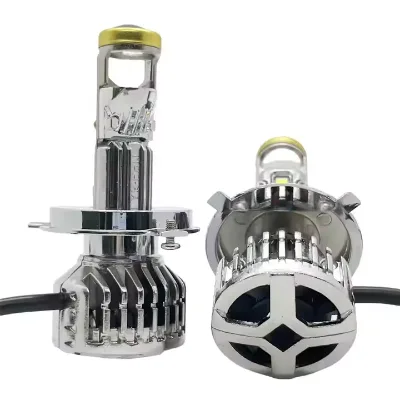
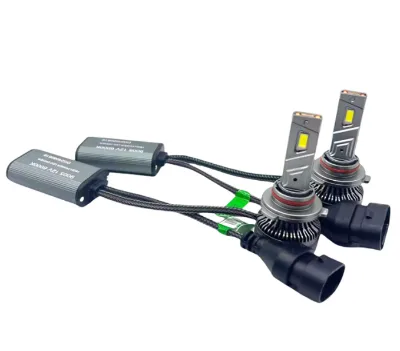



Comprehensive Sourcing Guide
H9 LED Headlights for BYD Supplier Concentration and Factory Types
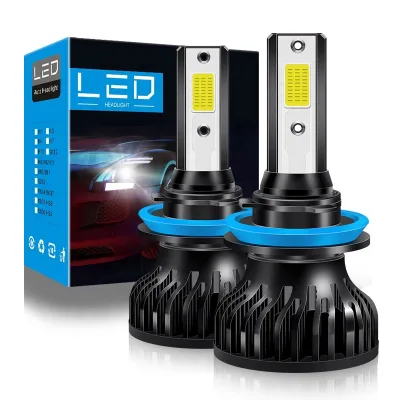
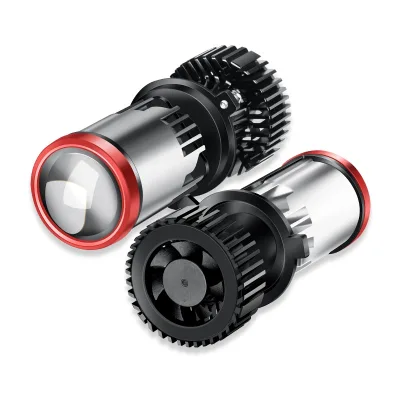
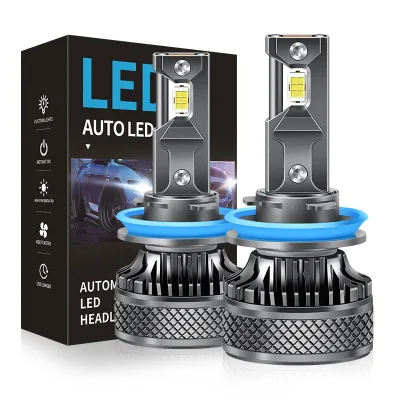
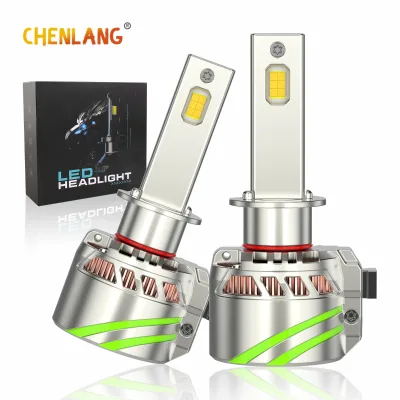
The current supplier landscape for automotive lighting components reveals a distinct geographic and operational structure that buyers must navigate carefully. Evidence indicates that a significant portion of the manufacturing base is concentrated in Guangdong, China, where companies operate as both manufacturers and trading entities. This dual nature of the supplier base means that buyers may encounter factories that also handle their own sales logistics or trading companies that source from these same regional hubs. The presence of Guangdong-based suppliers suggests a mature industrial cluster for LED automotive parts, yet the specific location of Shanghai is also noted for trading companies dealing in broader car accessories. This geographic spread implies that while production may be centralized in the south, distribution and sales operations might be managed from different logistical centers. Buyers should recognize that the "manufacturer" label does not always guarantee direct factory access, as many entities in this region blend production capabilities with trading services. Understanding this concentration helps in anticipating supply chain dynamics, as Guangdong’s established infrastructure for electronics and automotive parts likely influences lead times and production capacity. However, the existence of trading companies in Shanghai highlights that not all suppliers are directly involved in the manufacturing process, which can impact communication efficiency and quality control protocols.
In addition to geographic concentration, the types of companies listed provide insight into the available sourcing models. The data shows a mix of manufacturers and trading companies, each offering different advantages depending on the buyer’s volume and customization needs. Manufacturers typically offer more direct control over production specifications and potentially lower unit costs for larger orders, while trading companies may provide greater flexibility in product variety and smaller minimum order quantities. The main products listed for these suppliers include a wide array of automotive lighting solutions, such as LED headlights, rock lights, and HID xenon kits, indicating that many suppliers are specialized in vehicle illumination rather than general auto parts. This specialization suggests that suppliers focusing on LED headlights likely have more refined testing and quality assurance processes for these specific items. Buyers should assess whether their need for H9 specific bulbs aligns with the supplier’s primary product focus, as some may offer H9 as part of a broader LED headlight portfolio. The coexistence of these company types means that buyers must verify the actual source of the goods, especially when dealing with trading companies that may act as intermediaries. This verification is crucial for ensuring that the technical specifications of the H9 headlights meet the stringent requirements of BYD vehicles, as the manufacturing origin directly affects the consistency and reliability of the final product.
How to Verify H9 LED Headlights for BYD Suppliers
Verifying the authenticity and capability of suppliers requires a rigorous examination of their stated credentials and operational metrics. Buyers should prioritize suppliers who provide clear evidence of their company type, whether they are manufacturers or trading companies, as this distinction impacts the entire procurement process. The presence of specific certifications such as CE, ROHS, FCC, CCC, E-mark, and SONCAP on product listings serves as a preliminary indicator of compliance with international and regional safety standards. However, buyers must not assume that these certifications automatically apply to every SKU or that they are current. It is essential to request valid certification documents directly from the supplier and verify their authenticity with the issuing bodies. Additionally, the response time and lead time metrics provided in supplier profiles offer valuable insights into their operational efficiency. A response time of around four to five hours suggests a responsive sales team, while lead times ranging from four to thirty days indicate varying production capacities. Buyers should use these metrics to gauge whether the supplier can meet their specific delivery schedules, especially for urgent replacement parts or large-scale fleet upgrades. Cross-referencing these operational data points with the supplier’s stated location, such as Guangdong or Shanghai, can help identify potential discrepancies between claimed capabilities and actual performance.
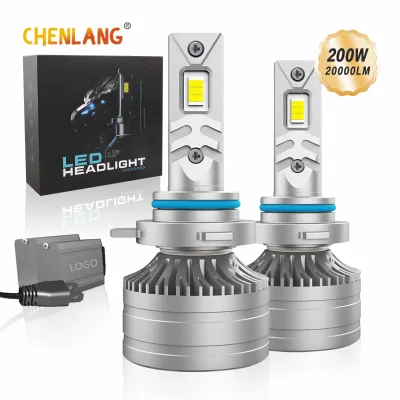
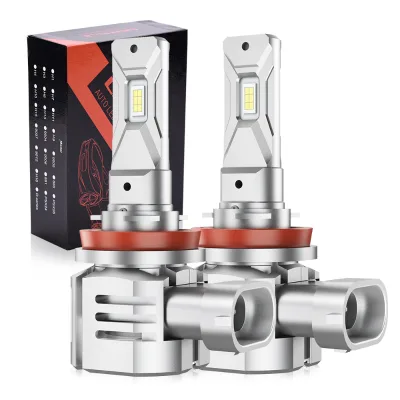
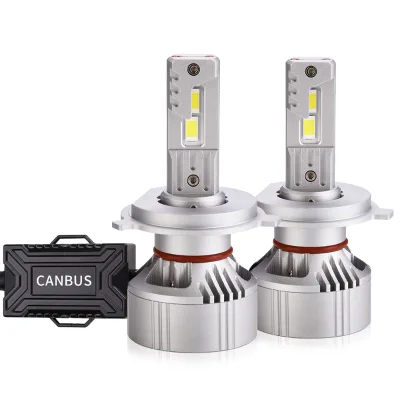
Furthermore, buyers must scrutinize the product attributes and specifications listed for LED headlights to ensure they match the technical requirements for BYD vehicles. Key attributes such as voltage (12V or 9-36V), wattage (ranging from 12W to 200W), and color temperature (6000K) must be carefully evaluated to ensure compatibility with the vehicle’s electrical system. The luminous flux, measured in lumens, is another critical factor, with some products claiming up to 8000LM, which buyers should verify through independent testing or third-party reports. Warranty periods, such as 1.5 years or 18 months, provide a measure of the supplier’s confidence in their product’s durability, but buyers should also inquire about the terms and conditions of these warranties. The material composition, including aluminum and fiber optics, and the waterproof rating (IP68) are important for ensuring longevity in various environmental conditions. Buyers should also check for canbus compatibility, as many modern vehicles, including BYD models, require error-free LED installations to avoid dashboard warnings. By systematically verifying these technical details and operational metrics, buyers can build a reliable shortlist of suppliers who are not only compliant with safety standards but also capable of delivering high-quality, compatible H9 LED headlights. This due diligence process minimizes the risk of receiving substandard products and ensures that the sourcing decision is based on concrete evidence rather than marketing claims.
What to Compare Across H9 LED Headlights for BYD Suppliers
When evaluating multiple suppliers, buyers should focus on comparing key commercial and operational dimensions to identify the most suitable partner for their needs. One of the primary factors to compare is the minimum order quantity (MOQ), which can vary significantly across different suppliers. Some suppliers may require an MOQ of 10 units, while others might demand 50 pieces or more. This variation is crucial for buyers who are testing the market or have limited storage capacity, as lower MOQs allow for smaller, more manageable initial orders. Additionally, the price range for LED headlights is another critical comparison point, with costs varying based on specifications such as wattage, lumens, and certification levels. Buyers should analyze the price per unit in relation to the quality attributes offered, ensuring that they are not overpaying for unnecessary features or underpaying for potentially inferior products. The response time of the supplier is also a vital metric, as faster responses indicate a more attentive sales team that can address queries and resolve issues promptly. Comparing response times across suppliers can help buyers identify those who are likely to provide better customer service throughout the procurement process. Furthermore, the lead time for production and delivery should be compared, as longer lead times may impact inventory management and project timelines. Buyers should seek suppliers who offer a balance between competitive pricing, reasonable MOQs, and efficient lead times to ensure a smooth sourcing experience.
In addition to commercial terms, buyers should compare the breadth and depth of the suppliers’ product portfolios to assess their specialization and reliability. Suppliers that focus primarily on LED headlights and automotive lighting systems may offer more specialized knowledge and higher quality control standards compared to those with a broader range of unrelated car accessories. The main products listed for each supplier can provide insight into their core competencies, with many highlighting LED headlights, rock lights, and HID xenon kits as their primary offerings. Buyers should also compare the warranty periods offered, as longer warranties often reflect greater confidence in product durability and quality. Additionally, the availability of customization options, such as specific color temperatures or beam patterns, can be a deciding factor for buyers with unique requirements. The condition of the products, whether new or refurbished, and the packaging details, such as color boxes or bulk packaging, should also be compared to ensure they meet the buyer’s logistical needs. By systematically comparing these attributes, buyers can create a weighted scoring system to objectively evaluate suppliers and select the one that best aligns with their specific requirements for H9 LED Headlights for BYD vehicles. This comparative approach ensures that the final decision is based on a comprehensive assessment of all relevant factors, rather than relying on a single metric or superficial impression.
Common H9 LED Headlights for BYD Sourcing Risks
Sourcing H9 LED Headlights for BYD vehicles involves several inherent risks that buyers must proactively manage to avoid costly mistakes. One significant risk is the potential mismatch between the supplier’s product specifications and the actual requirements of the BYD vehicle’s electrical system. Many LED headlights are designed for general compatibility, but specific vehicle models may have unique voltage fluctuations or canbus protocols that require specialized bulbs. If a supplier does not explicitly state canbus compatibility or voltage stability features, there is a high risk of installation errors, dashboard warnings, or even damage to the vehicle’s electrical components. Another risk is the variability in product quality, as LED headlights can differ significantly in terms of heat dissipation, luminous flux consistency, and lifespan. Suppliers may claim high lumens output, but without independent verification, these claims may be exaggerated. Buyers should be cautious of products with extremely low prices, as they may indicate the use of inferior components that fail prematurely. Additionally, the risk of receiving counterfeit or non-compliant products is heightened when dealing with trading companies that may not have direct oversight of the manufacturing process. Buyers must ensure that the certifications listed, such as CE or E-mark, are valid and applicable to the specific product batch, as fake certifications are a common issue in the automotive parts industry.
Furthermore, logistical and communication risks can disrupt the sourcing process, leading to delays or misunderstandings. Suppliers with longer lead times, such as those indicating thirty days, may not be suitable for urgent orders, potentially causing inventory shortages for buyers. Miscommunication regarding product specifications, such as the difference between H9 and other bulb types like H11 or H7, can result in the delivery of incorrect items. Buyers must clearly specify the exact bulb type and vehicle model to avoid such errors. Another risk is the lack of after-sales support, as some suppliers may not provide adequate warranty service or technical assistance if issues arise post-purchase. Buyers should verify the supplier’s warranty terms and ensure that they have a clear process for handling returns or replacements. Additionally, the risk of currency fluctuation and shipping cost increases can impact the final landed cost of the products, especially for international buyers. Buyers should factor in these potential cost variations when negotiating prices and planning their budgets. By identifying and mitigating these common risks through thorough due diligence and clear communication, buyers can protect their interests and ensure a successful sourcing experience for H9 LED Headlights for BYD vehicles. This proactive approach helps in building a resilient supply chain that can withstand potential disruptions and deliver consistent quality.
H9 LED Headlights for BYD Regional Sourcing and Logistics
The geographic location of suppliers plays a crucial role in determining the logistics and shipping dynamics for H9 LED headlights. Evidence indicates that a significant number of suppliers are located in Guangdong, China, a region known for its robust manufacturing infrastructure and efficient export logistics. Sourcing from Guangdong-based suppliers often results in shorter transit times to major ports and streamlined customs clearance processes, which can benefit buyers seeking faster delivery. However, the presence of trading companies in Shanghai introduces another logistical layer, as these entities may consolidate goods from multiple manufacturers before shipping. This consolidation can simplify the buyer’s logistics by providing a single point of contact, but it may also add complexity to the supply chain if the trading company does not have direct control over production schedules. Buyers should consider the proximity of the supplier to their target market when evaluating shipping costs and delivery times. For buyers in regions close to China, sourcing from Guangdong may offer the most cost-effective and efficient logistics solution. Additionally, the type of company, whether manufacturer or trading company, can influence the packaging and labeling requirements, which in turn affect shipping efficiency. Manufacturers may offer more standardized packaging, while trading companies might provide customized packaging options that could impact the volume and weight of the shipment.
Logistics planning also involves understanding the supplier’s ability to handle international shipping requirements, including documentation and compliance with destination country regulations.
FAQs
What is the price range for H9 LED headlights?
Prices for H9 LED headlights typically range from $7.00 to $13.50 per unit. This variation depends on specific wattage, lumens output, and included certifications. Buyers should verify exact pricing based on order quantity and customization requirements before finalizing procurement decisions.
What certifications are available for these LED headlights?
Available certifications include CE, ROHS, FCC, CCC, E-mark, and SONCAP. These ensure compliance with international safety and quality standards. Buyers must confirm specific certification requirements with suppliers to meet local regulatory standards for automotive lighting products in their target markets.
What is the minimum order quantity for LED headlights?
Minimum order quantities vary by supplier, with some requiring as few as 10 units while others demand 50 pieces. Buyers should check specific supplier listings for exact MOQs. Lower MOQs are often available for standard models, while customized options may require higher volumes.
Where are these LED headlights manufactured?
These LED headlights are primarily manufactured in Guangdong, China, with some suppliers located in Shanghai. Guangdong is a major hub for automotive lighting production. Buyers should verify the specific place of origin for each product to ensure supply chain reliability and logistics planning.
What is the typical response time for suppliers?
Supplier response times typically range from 4 to 5.17 hours. Faster response times indicate active customer service teams. Buyers should prioritize suppliers with quicker response rates to ensure efficient communication during the sourcing process and timely resolution of any pre-order inquiries.
What is the lead time for LED headlight orders?
Lead times vary significantly, with some suppliers offering 4 days and others requiring up to 30 days. The difference often depends on stock availability and production capacity. Buyers should confirm lead times early to align with their inventory needs and delivery schedules.
What warranty periods are offered for LED headlights?
Warranty periods typically range from 1.5 years to 18 months. Some suppliers offer extended warranties for specific models. Buyers should verify warranty terms, including coverage details and claim procedures, to ensure adequate protection for their purchased automotive lighting products.