american standard bi-led projector lens Suppliers and Manufacturers
Compare 24 verified suppliers of american standard bi-led projector lens based on location, response time, and certifications. Review product specs like wattage and lumens, then request quotes to confirm lead times and MOQs for your project; review the available evidence before requesting comparable quotations from suitable candidates.
Updated
Suppliers List

Changzhou Jiecheng Photoelectric Technology Co., Ltd
- Verified by CTI
- Trading Company,Manufacturer/Factory
- China Jiangsu
- Lead time0 days
- Avg. response≤ 4h
Main productsHeadlight Projector Lens, Foglamp Projector Lens, Bi LED Projector Lens, Car Headlight Lens, LED Headlight Bulb, Bi LED Lens, LED Projector Lens, Fog Lamp, Car Fog Lamp, Universal Fog Lamp


High Quality Bi LED Laser Projector Lens 5800K Laser LED Headlight Projector Lens
$6.61 - $8.74
MOQ: 4 Pieces

Bi LED Fog Light Projector Lens High Brightness Waterproof LED Fog Lamp Projector Lens
$17.44 - $23.07
MOQ: 4 Pieces

High Quality Bi LED Headlight Projector 6000K LED Headlight Projector Lens
$12.50 - $16.54
MOQ: 4 Pieces

Bi LED Fog Light Projector Lens High Brightness IP68 Waterproof LED Fog Lamp Projector Lens
$16.97 - $22.45
MOQ: 4 Pieces

Guangdong Liangjian Lighting Co., Ltd.
- Verified by CTI
- Combined
- China Guangdong
- Lead time23 days
- Avg. response≤ 4h
Main productsLED headlight
Main marketsSouth America,Africa,Southeast Asia/ Mideast,East Asia(Japan/ South Korea),Domestic,Europe,Australia,North America

Bi LED Projector Headlights Lens High Beam Universal Projector Lens for Car Lights
$23.68 - $25.68
MOQ: 10 Sets

Bi LED Projector Lens for Car Headlight Upgrades Universal Factory Custom
$23.68 - $25.68
MOQ: 10 Sets

New Arrival Bi LED Projector Lens Car Headlights High Low Beam Projector Lens
$38.88 - $40.88
MOQ: 10 Sets

3inches Bi-LED Projector Lens Bi LED General Purpose Bi-LED Laser Lens Super Bright
$23.68 - $25.68
MOQ: 10 Sets


Nanjing Jiuguang Lighting Technology Co., Ltd.
- Verified by TüVRheinland
- Manufacturer, Trading Company
- Lead time10 days
- Avg. response≤ 2h
Main productsLed Driving Light, Led Light Bar, Motorcycle Spotlight, Led Work Lamp, Led Headlight
Main marketsNorth America(45%), South America(15%), Oceania(10%)
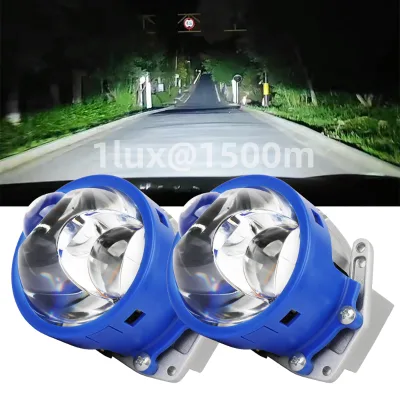
Led Headlight Dual 1500M High Low Beam 3 Inch Laser Bi Led Projector Lens
$74.00 - $78.00
MOQ: 5 pairs
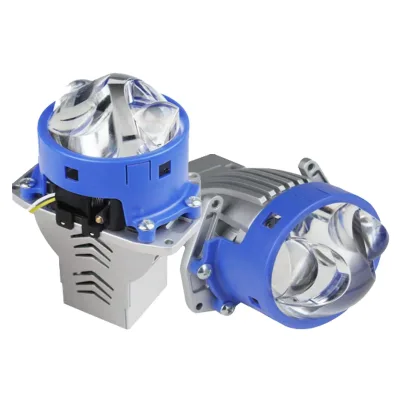
High Low Laser Spot Beam Dual Bi Led Projector Lens 3.0
$85.10 - $89.70
Guangzhou Weixin Auto Accessories Co., Ltd.
- Trading Company
- Guangdong, China
- Lead time7 days
- Avg. response≤ 6h
Main productsLED Fog Lamp,High Beam LED Lens,Mini LED Projector Lens,led angel eye,HID Projector Lens Kit
Main marketsSouthern Europe(8.33%), Northern Europe(8.33%), Central America(8.33%), Western Europe(8.33%), Eastern Asia(8.33%), Mid East(8.33%), Oceania(8.33%), Africa(8.33%), Southeast Asia(8.33%), Eastern Europe(8.33%), South America(8.33%), North America(8.33%)
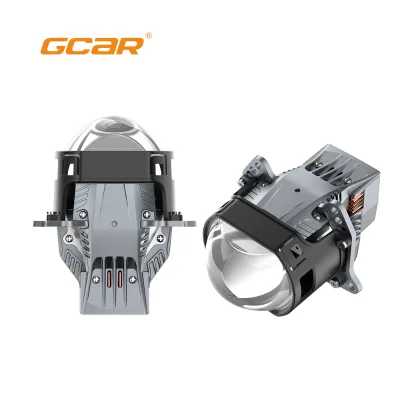
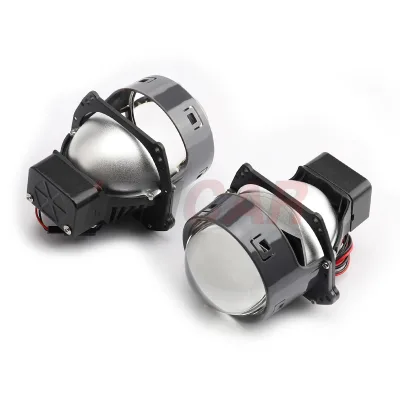
3.0 Inch 45W Lamp Lighting System Fast Heat Dissipation Projector Bi Led Lenses
$17.2345 - $21.0918
MOQ: 20 pieces
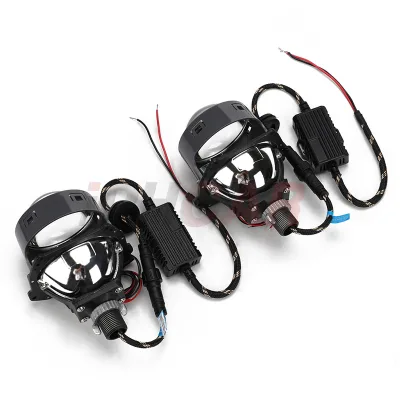
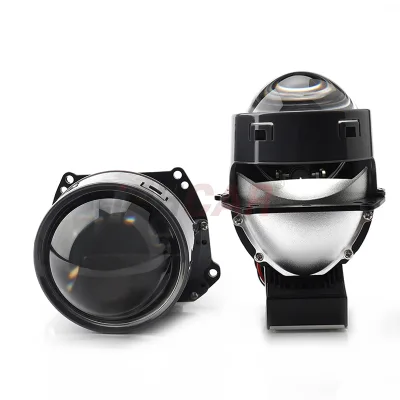
Super Bright 3.0 Inch 65W Headlights System Flexible Projector Bi Led Lenses
$28.25 - $32.00
MOQ: 20 pieces
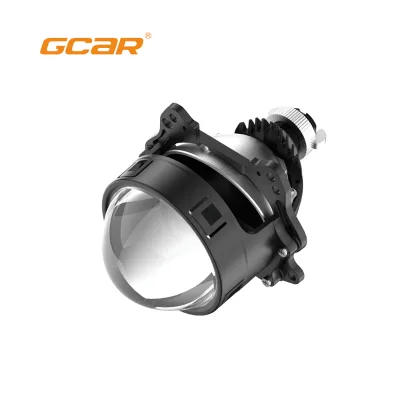

Foshan Woye Lighting Technology Co., Ltd
- Verified by CTI
- Combined
- China Guangdong
- Lead time30 days
- Avg. response≤ 2h
Main marketsSouth America,Africa,Southeast Asia/ Mideast,Domestic
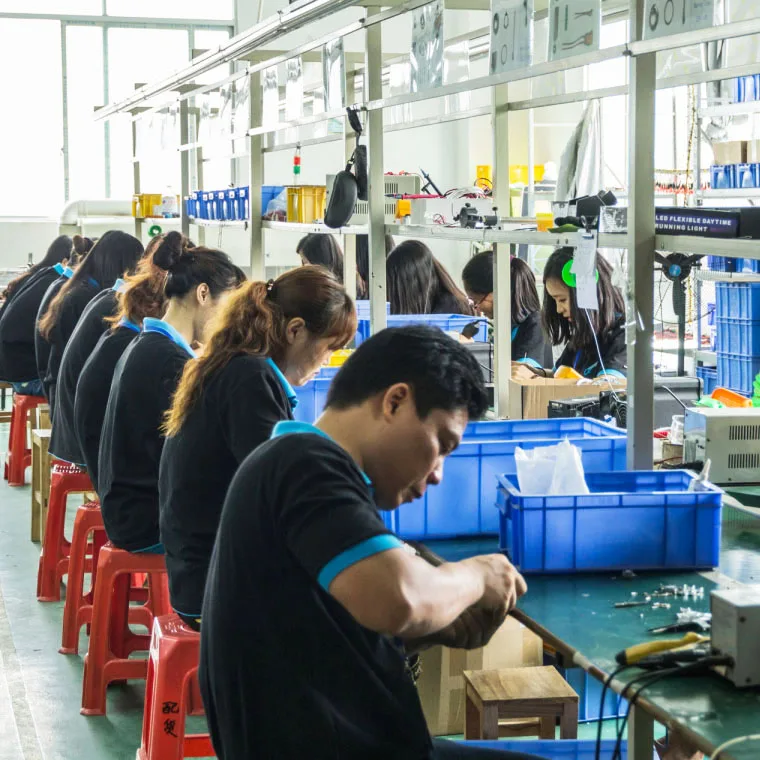
Guangzhou B-Deals Electronic Technology Co., Ltd.
- Manufacturer, Trading Company
- Guangdong, China
- Lead time30 days
- Avg. response≤ 7h
Main productsLed Angel Eye,LED Gear Shift Knob,LED DRL,LED Mirror Lights,Projector Lens
Main marketsWestern Europe(28.00%), South America(20.00%), Eastern Europe(15.00%), Eastern Asia(10.00%), North America(5.00%), Southeast Asia(5.00%), Mid East(5.00%), Oceania(5.00%), Africa(5.00%), South Asia(2.00%)
Changzhou Jiecheng Photoelectric Technology Co., Ltd.
- Manufacturer, Trading Company
- Jiangsu, China
- Lead time30 days
- Avg. response≤ 1h
Main productsAuto Parts
Main marketsDomestic Market(75.00%), North America(5.00%), South America(5.00%), Western Europe(5.00%), Mid East(5.00%), Southeast Asia(5.00%)
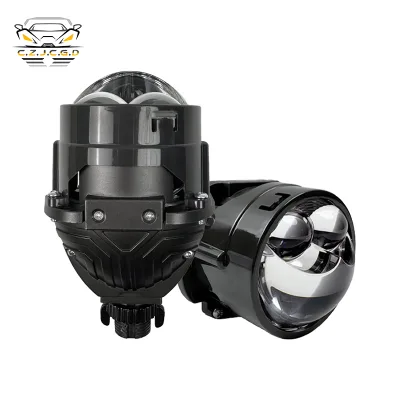
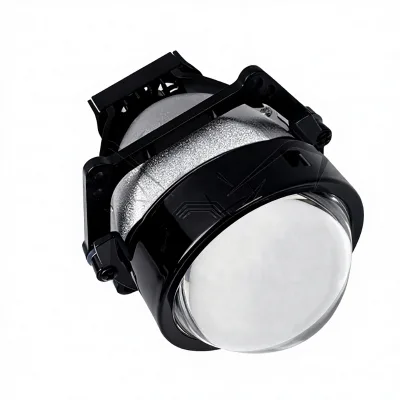
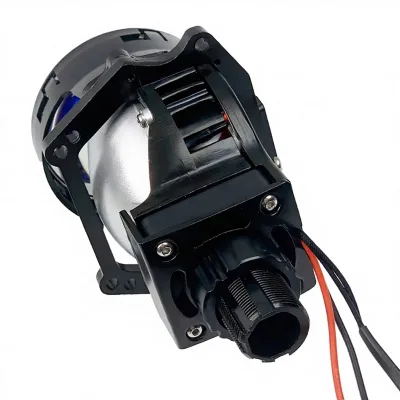
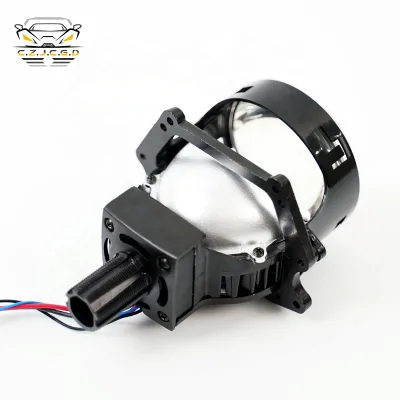
China Factory Mini Bi-led Projector Lens 2.5 3.0 Inch Bi Led Projectors Lens with DRL Turning Light
$12.005 - $15.0834
MOQ: 4 pieces
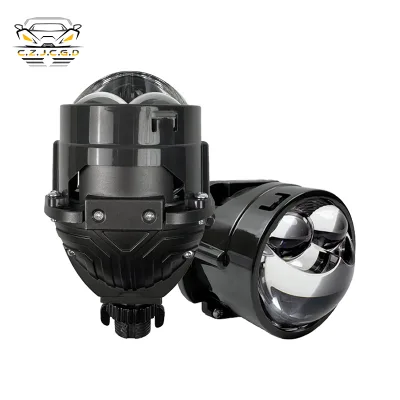

- Verified by BV
- Combined
- China Guangdong
- Lead time15 days
- Avg. response≤ 2h
Main productsAuto Headlight Bulb, Auto Miniature Bulb, LED Lighting, Halogen Headlamp, HID, Sealed Beam, Auto Part, Auto Fuse, Auto Car Light, Auto Lighting
Main marketsSoutheast Asia/ Mideast,East Asia(Japan/ South Korea),Europe,North America


High Quality 3-Color LED Bi Projector Lens W32eco 2.0 Inch High/Low Beam
$38.98 - $41.56
MOQ: 10 Pieces

Wholesale Bi LED Headlight Projector Reflector Lens 3.0inch 12V 55W 65W 8000lm
$25.20 - $28.00
MOQ: 10 Pairs
Guangzhou Guangshen Import And Export Co., Ltd.
- Manufacturer, Trading Company
- Guangdong, China
- Lead time30 days
- Avg. response≤ 3h
Main productsFog Lamp Lens,Laser Projector Lens,LED Light Bulb,Motorcycle Spotlights,Matrix Module Headlights
Main marketsAfrica(30.00%), Domestic Market(15.00%), Southeast Asia(10.00%), Eastern Europe(10.00%), Southern Europe(5.00%), Central America(5.00%), Eastern Asia(5.00%), Mid East(5.00%), Oceania(5.00%), North America(5.00%), South America(5.00%)
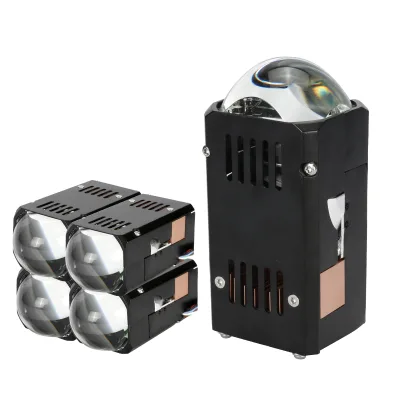
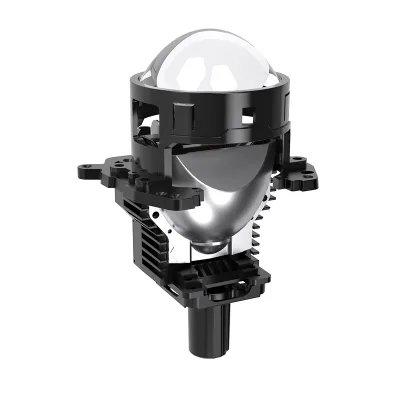
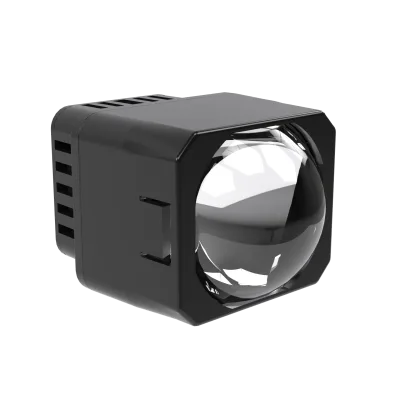
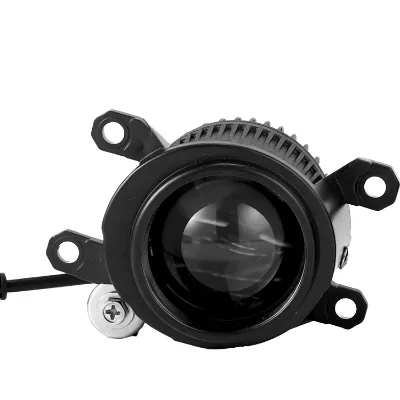
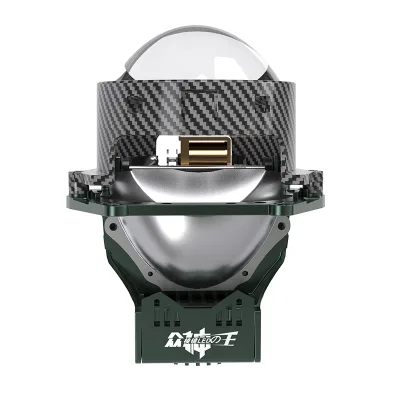
$51.4428 - $58.6452
MOQ: 2 pairs
Guangzhou Aoyi Auto Part Co.,limited
- Manufacturer, Trading Company
- Guangdong, China
- Lead time15 days
- Avg. response≤ 5h
Main productsLED Projector Lens,Projector Shrouds,Headlight Covers,LED DRL,for BMW Angel Eyes
Main marketsNorthern Europe(20.00%), Southeast Asia(20.00%), North America(20.00%), Africa(10.00%), Central America(10.00%), Mid East(10.00%), Oceania(10.00%)
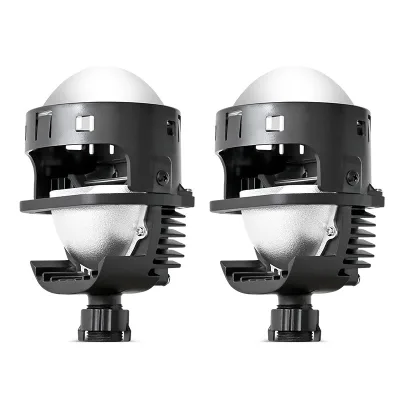
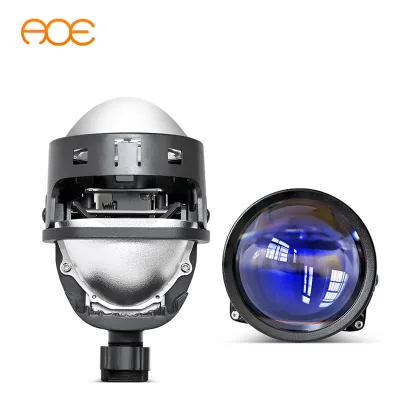
New 65W LED Projector Lens for 2.5inch 3inch Headlights Premium Product Type
$38.60 - $44.90
MOQ: 5 sets
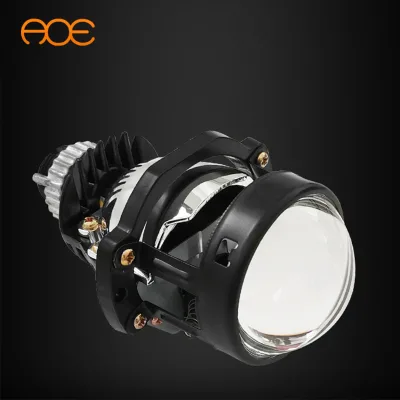
$25.6368 - $29.4462
MOQ: 10 sets
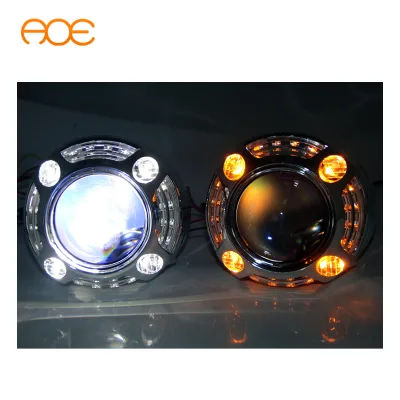
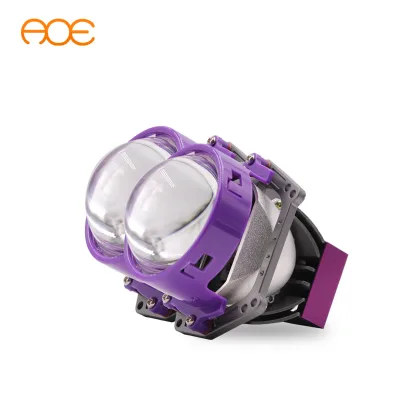
Huizhou Aikashi Technology Co., Ltd.
- Trading Company
- Guangdong, China
- Lead time15 days
- Avg. response≤ 2h
Main productsBi-led projector lens light,Biled projector fog lamp,Projector bracket/adapter frame,LED Headlight Lamp,Motorcycle led headlight lamp
Main marketsSouthern Europe(15.00%), Northern Europe(12.50%), Western Europe(12.50%), Mid East(12.50%), Eastern Europe(12.50%), South America(12.50%), North America(12.50%), Eastern Asia(10.00%)
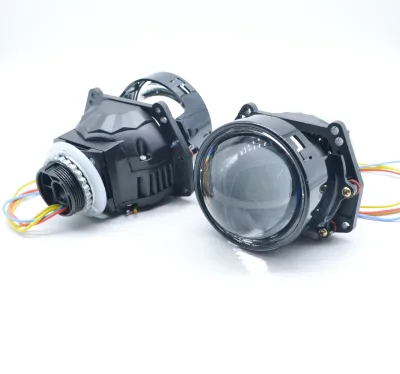
$45.5197 - $47.59
MOQ: 10 sets
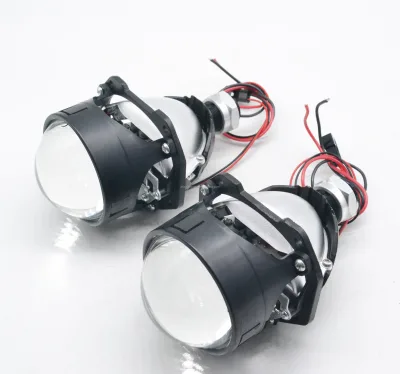
$25.6518 - $29.6319
MOQ: 10 sets
Guangzhou Ilovecar Auto Parts Co., Ltd.
- Verified by TüVRheinland
- Trading Company
- Lead time7 days
- Avg. response≤ 8h
Main productsCar LED Projector, Car HID Projector, Car LED Fog Lights, Car Headlight, Car Headlight Ballast
Main marketsSoutheast Asia(20%), Eastern Europe(13%), Oceania(12%)
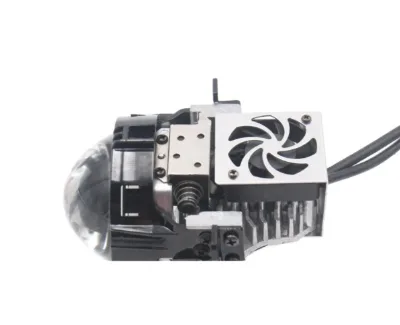
DIY Headlight 35W 6000K High and Low Beam Bi Led Projector Lens 3.0 Inch Headlight Projector Lens
$27.50 - $35.00
MOQ: 2 pairs
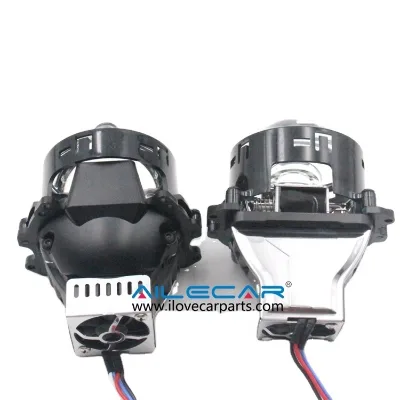
Rectangular High Beam Light 3.0''inch 55W Bi-LED Projector Lens for Sale
$55.00 - $60.00
MOQ: 5 Minimum
$12.00 - $15.00
MOQ: 10 pieces
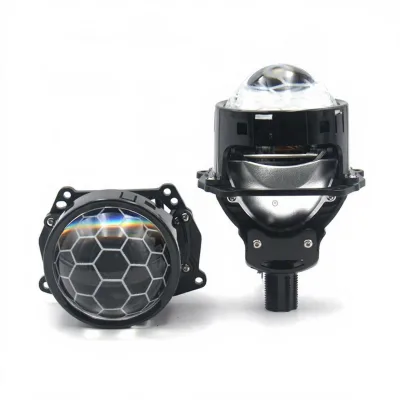
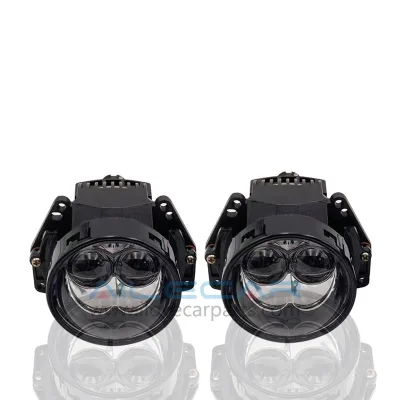
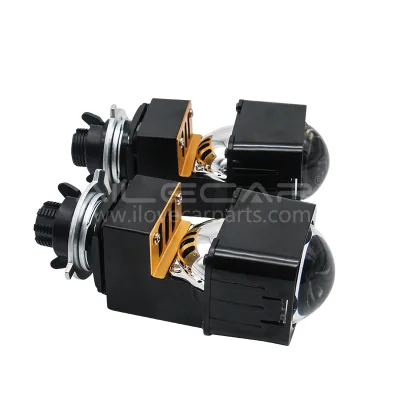
$63.00 - $66.00
MOQ: 2 pairs
Danyang Hengwei Automotive Parts Co., Ltd.
- Manufacturer, Trading Company
- Jiangsu, China
- Lead time7 days
- Avg. response≤ 2h
Main productsFog Lamp Lens,Laser Projector Lens,Motorcycle Spotlights,Matrix Module Headlights,LED Automotive headlight
Main marketsDomestic Market(66.00%), Southeast Asia(30.00%), Mid East(2.00%), Eastern Asia(2.00%)
Guangzhou Dland Auto Parts Co., Ltd.
- Trading Company
- Guangdong, China
- Lead time5 days
- Avg. response≤ 11h
Main productsheadlight,tail light,led daylight,projector lens,other parts
Main marketsNorth America(22.00%), Mid East(12.00%), Western Europe(11.00%), Eastern Europe(11.00%), Domestic Market(10.00%), Southeast Asia(8.00%), South America(6.00%), Oceania(5.00%), Southern Europe(5.00%), Northern Europe(5.00%), Central America(5.00%)
Guangzhou Good Driver Automotive Electronics Co., Ltd.
- Verified by TüVRheinland
- Manufacturer, Trading Company
- Lead time15 days
- Avg. response≤ 4h
Main productsLED Headlight Bulbs, H4 Mini Projector Lens, Fog Lamp, Motorcycle Auxiliary Spotlights, Bi Led Projector Lens
Main marketsSouth America(15%), Southeast Asia(15%), North America(10%)

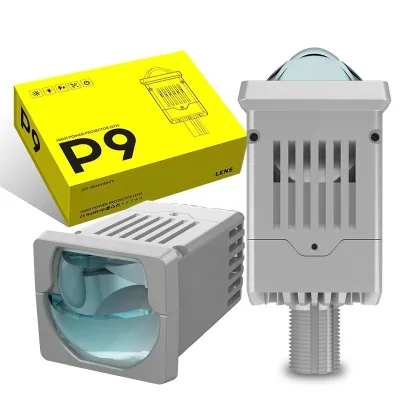
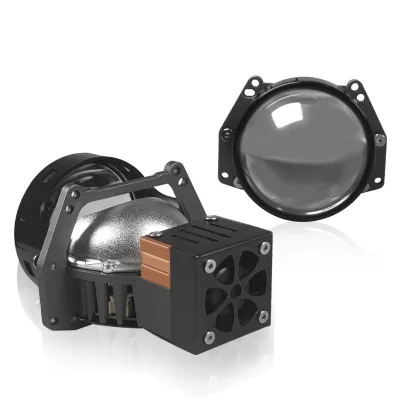
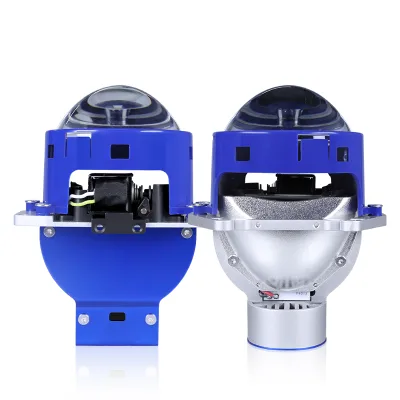
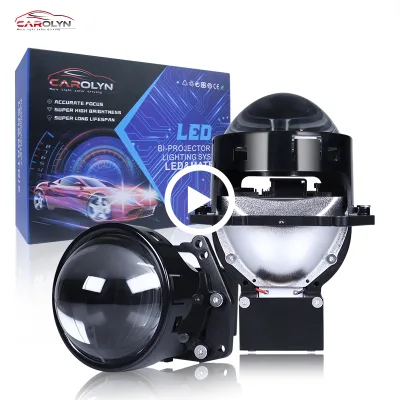
$19.2613 - $20.5855
MOQ: 10 pieces
Guangzhou Aoyi Electronic Technology Co., Ltd.
- Verified by Intertek
- Manufacturer, Trading Company
- Lead time30 days
- Avg. response≤ 1h
Main productsLED Headlight Bulbs, Bi-LED Fog Light Projector Lenses, LED Work Lights, Car Interior Ambient Llighting, HID Xenon Headlight Kits
Main marketsNorth America(40%), South America(25%), Domestic Market(17%)

Shenzhen Goongo Technology Co., Ltd.
- Verified by BV
- Trading Company,Manufacturer/Factory
- China Guangdong
- Lead time30 days
- Avg. response≤ 8h
Main productsLED Headlight Bulb, Car LED Light, LED Light Bar, Jeep Headlight Light, Offroad Light Bar, LED Bulb, Signal Bulb, LED Headlight, Jeep Headlight, Work Light
Main marketsSouth America,Eastern Europe,Mid East,North America,Southeast Asia,Eastern Asia,Oceania,Western Europe,Africa

1.6 Inch 75W Projector Lens Bi LED Laser Projector Lens for Automotive Headlight
$36.60 - $39.90
MOQ: 5 Pairs


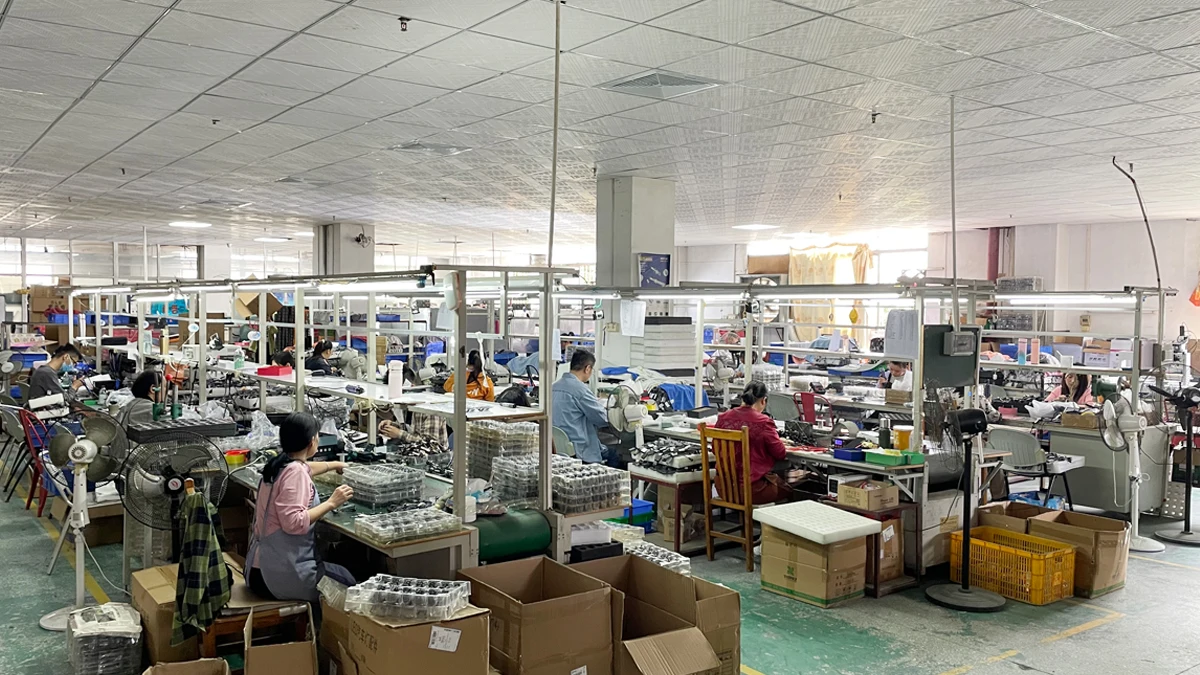
Guangzhou Jiaming Electronic Technology Co., Ltd.
- Manufacturer, Trading Company, Distributor/Wholesaler
- guangdong, China
- Lead time5 days
- Avg. response≤ 2h
Main productscar led headlight bulb,HID Bulb,Halogen Bulb,led auto headlight,LED Fog Lamp
Main marketsNorth America(20.00%), Eastern Europe(18.00%), Southeast Asia(18.00%), Central America(15.00%), South America(10.00%), South Asia(5.00%), Western Europe(3.00%), Africa(3.00%), Southern Europe(2.00%), Northern Europe(2.00%), Eastern Asia(2.00%), Domestic Market(1.00%), Oceania(1.00%)
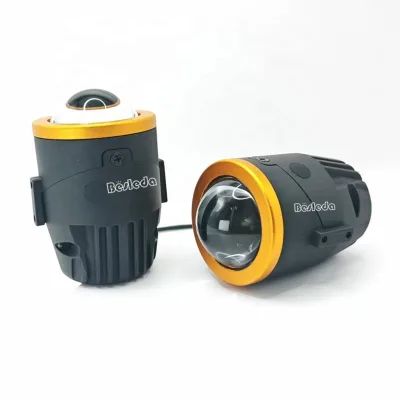
New and Original 2.0 Inch Bi-LED Projector Lens with High Low Beam 6000K White 45W/bulb LM Beam
$29.7548 - $35.9116
MOQ: 2 sets
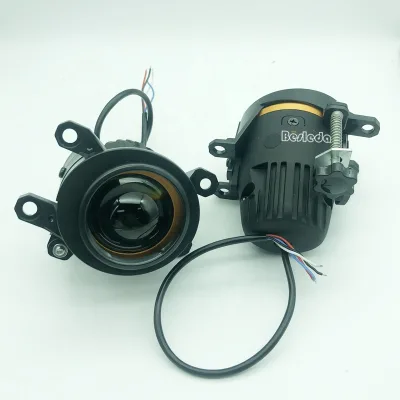
OEM/ODM 2.0 Inch LED Projector Lens LED Projector Lens with High Low Beam 40w 45w 6000K LM White
$29.00 - $35.00
MOQ: 2 sets
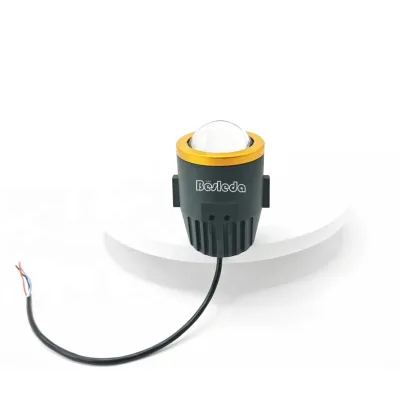
2.0 Inch Bi LED Projector Lens with Hi/Lo Beam 6000K White,Sliver Shrouds Mask Fit H4 H7 9005 HB3
$29.00 - $35.00
MOQ: 2 sets
Guangzhou Hongy Trading Co., Ltd.
- Trading Company
- guangdong, China
- Lead time10 days
- Avg. response≤ 2h
Main productsLED Headlight,car led light,3.0 bi led,Hid kit,hid ballast
Main marketsCentral America(30.00%), North America(30.00%), Mid East(20.00%), Western Europe(20.00%)
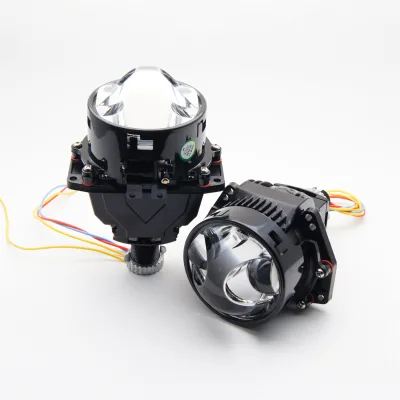
Newest 3 Inch Bi LED Projector Lens Laser Bi Led Proyector H4 Dual Projector
$50.8331 - $62.2449
MOQ: 1 pairs
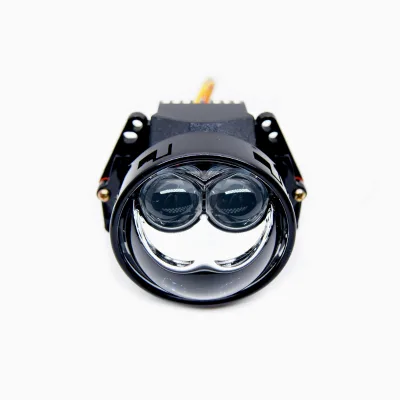
$46.6837 - $51.8697
MOQ: 1 pairs
Star Technology (puyang City) Co., Ltd.
- Manufacturer, Trading Company
- Henan, China
- Lead time30 days
- Avg. response≤ 4h
Main productsCompliant with IATF 16949 standard Lens Highlight,Auto Car Light,Fog Lamp,Led Optical Projector,Car Spotlight
Main marketsSoutheast Asia(20.00%), South America(20.00%), North America(20.00%), South Asia(10.00%), Western Europe(10.00%), Mid East(10.00%), Eastern Europe(10.00%)
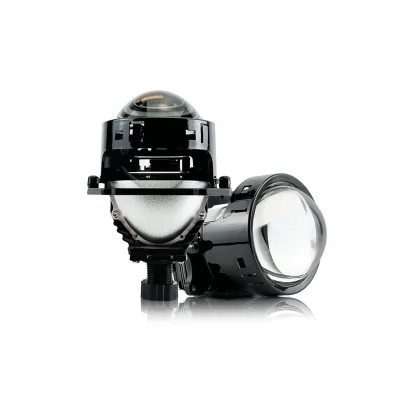
3.0 Inch Bi-LED Projector Lens with High Low Beam Focus Beam with Sharp Cut Off Line
$15.5507
MOQ: 50 Minimum
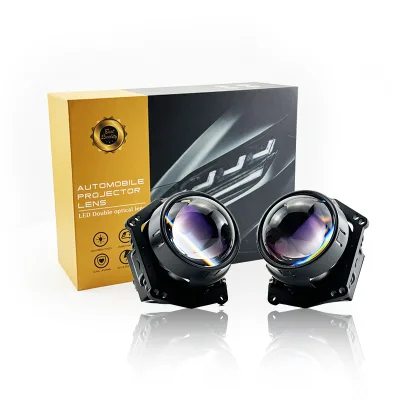
$30.1458 - $47.3083
MOQ: 1 pairs
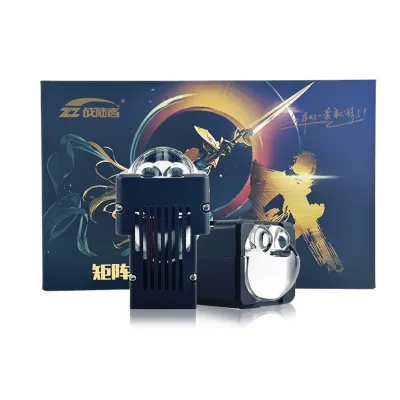
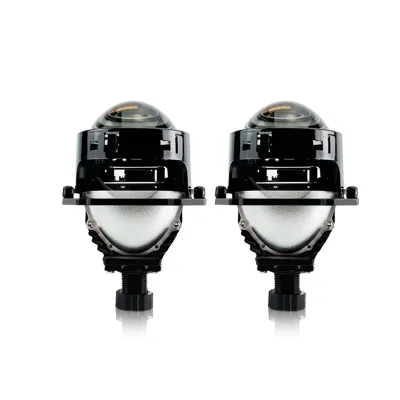
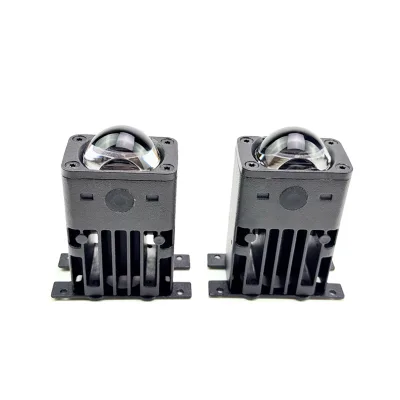
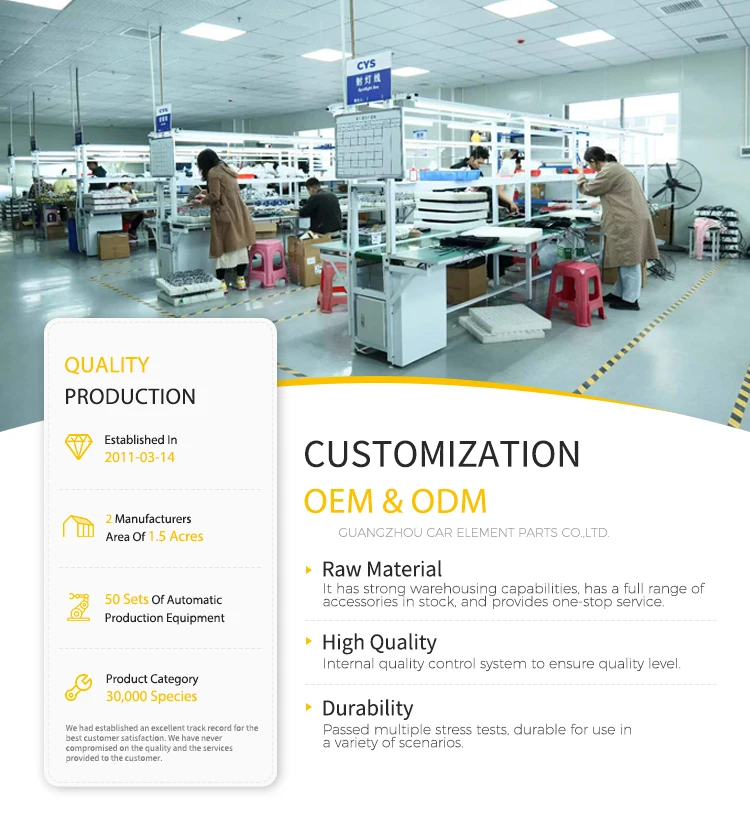
Guangzhou Automotive Element Parts Co., Ltd.
- Manufacturer, Trading Company, Distributor/Wholesaler
- Guangdong, China
- Lead time7 days
- Avg. response≤ 3h
Main productsAuto Lighting Systems,LED headlights,LED car base,LED decoder,Xenon lamp
Main marketsEastern Asia(25.00%), Mid East(19.00%), South America(18.00%), North America(15.00%), Africa(10.00%), Eastern Europe(6.00%), Southeast Asia(4.00%), Oceania(3.00%)
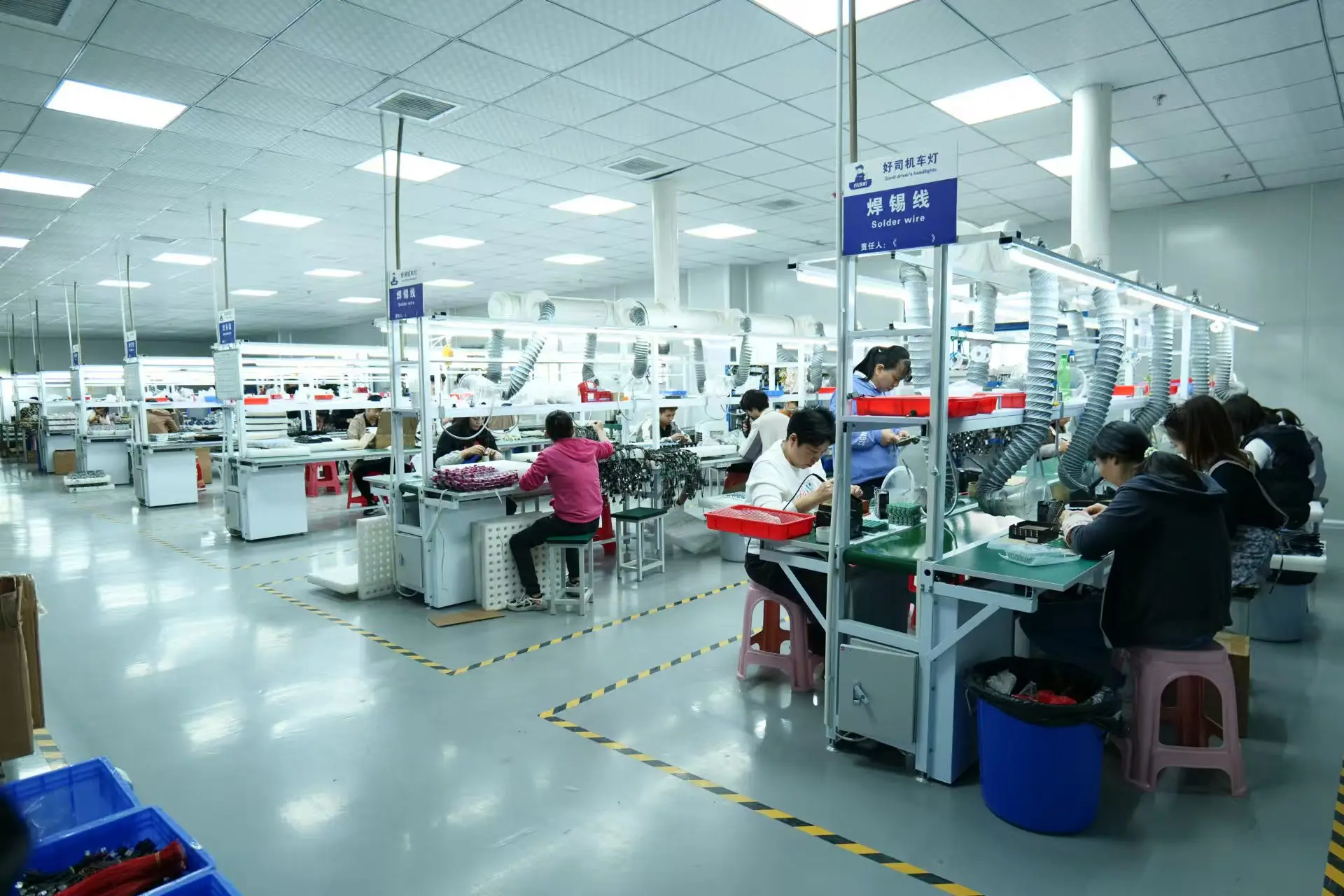
Foshan Guangji Technology Co., Ltd.
- Manufacturer
- Guangdong, China
- Lead time20 days
- Avg. response≤ 2h
Main productsLED headlight,BI-led Projector lens,LED work light,motorcycle light,LED laser spotlight
Main marketsEastern Asia(25.00%), South Asia(20.00%), South America(15.00%), North America(10.00%), Africa(10.00%), Eastern Europe(5.00%), Central America(5.00%), Mid East(5.00%)
Guangzhou Aes Car Parts Co., Ltd.
- Manufacturer
- Guangdong, China
- Lead time20 days
- Avg. response≤ 3h
Main productsbi led headlight projector lens,bi led fog lens,bi led auxiliary lens,bi led matrix lens,led bulbs
Main marketsSoutheast Asia(35.00%), Domestic Market(16.00%), Mid East(8.00%), Western Europe(5.00%), Africa(5.00%), Eastern Europe(5.00%), South America(5.00%), Eastern Asia(5.00%), South Asia(5.00%), Central America(3.00%), Southern Europe(3.00%), Northern Europe(2.00%), North America(2.00%), Oceania(1.00%)
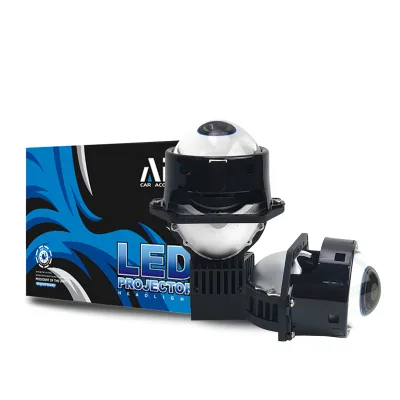
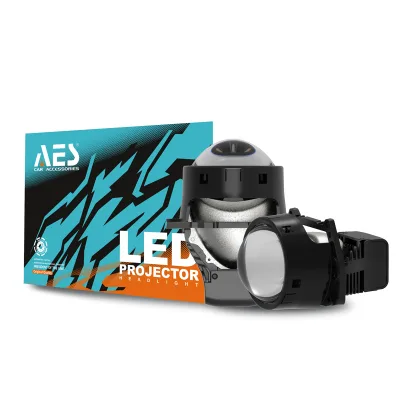
Auto Headlamp Short Size 3.0 Inch Led Projector Lens A14 X Bi Led Lens for D1s D2s Car Led Headlight
$37.00 - $43.00
MOQ: 50 sets
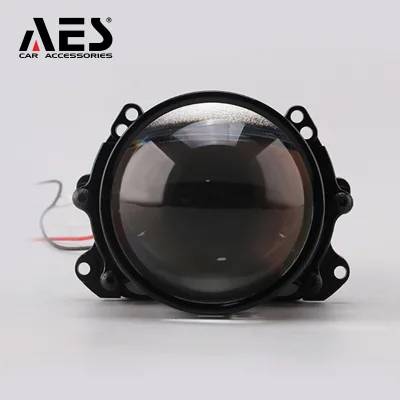
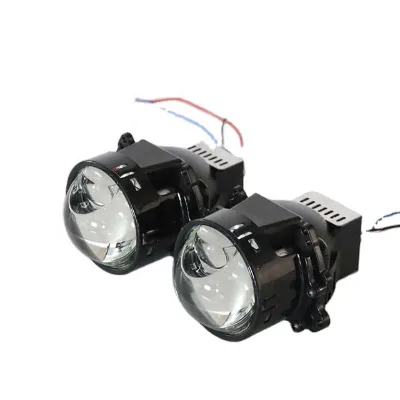
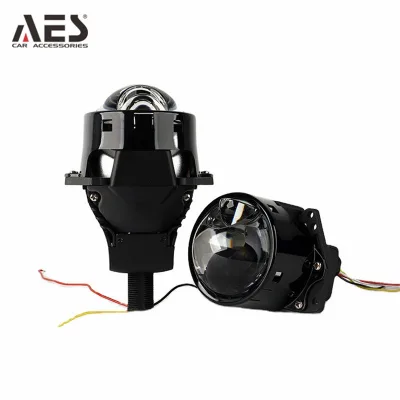
$45.00 - $55.00
MOQ: 5 pairs
Guangzhou Lanjuren Electronic Technology Co., Ltd.
- Manufacturer, Distributor/Wholesaler
- Guangdong, China
- Lead time30 days
- Avg. response≤ 10h
Main productsLighting Product (Projector Lens,LED Headlight,HID Xenon Bulb)
Main marketsNorth America(30.00%), Southeast Asia(30.00%), South America(20.00%), Eastern Europe(10.00%), Mid East(10.00%)


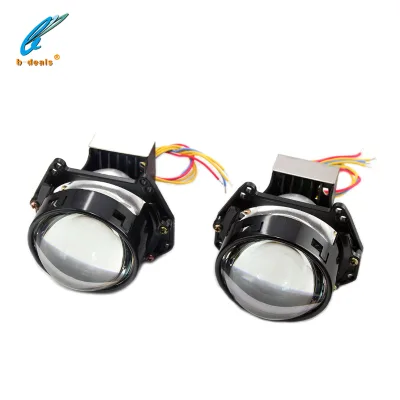
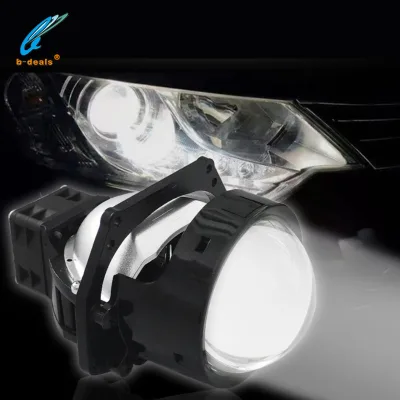
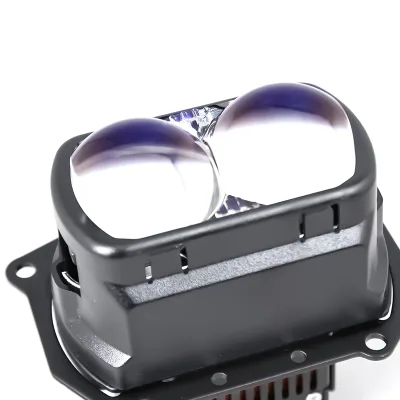
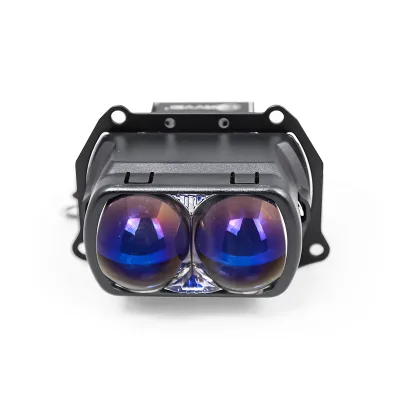
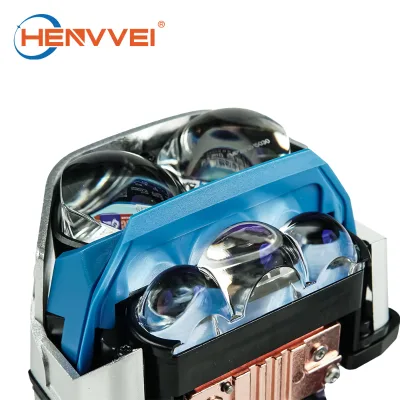
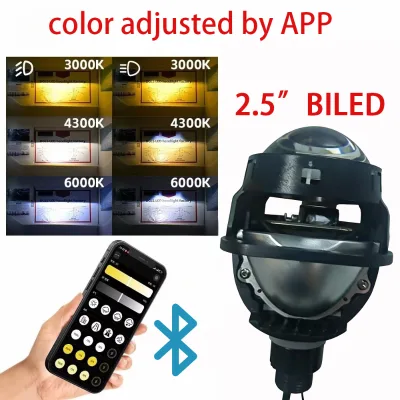
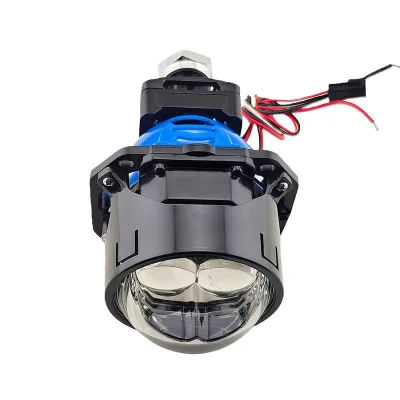
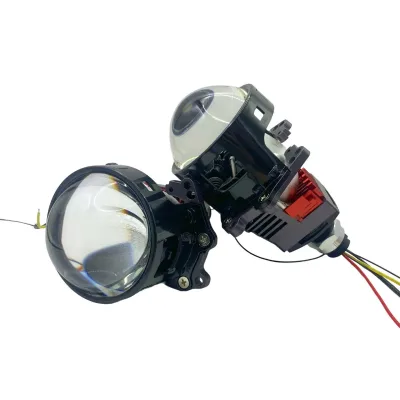
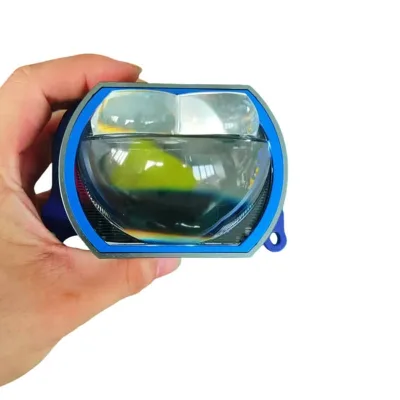
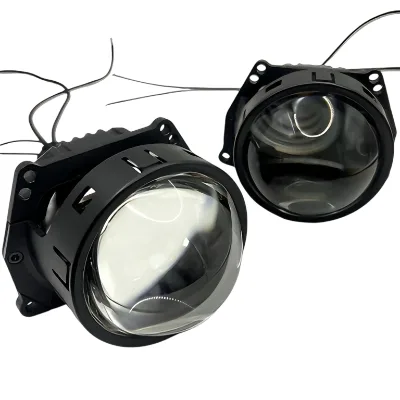
Comprehensive Sourcing Guide
American Standard Bi-Led Projector Lens Supplier Concentration and Factory Types
The current supplier landscape for American standard bi-led projector lenses reveals a distinct geographic concentration within China, specifically highlighting manufacturing hubs in Jiangsu and Guangdong provinces. Suppliers located in Jiangsu often operate as either trading companies or manufacturer/factory entities, providing a dual advantage of direct production capabilities and flexible commercial structures. This region is particularly noted for its extensive range of automotive lighting components, including headlight projector lenses, fog lamp projectors, and universal bi-led lens kits. The presence of ISO 9001 system certification among these Jiangsu-based suppliers indicates a baseline commitment to quality management systems, which is crucial for maintaining consistency in optical clarity and electrical safety for automotive applications. Buyers seeking suppliers in this cluster should verify whether the entity is primarily a factory with direct control over the production line or a trading company that aggregates products from multiple workshops. The distinction matters significantly for custom orders, as factories typically offer more direct engineering support for modifications, while trading companies may provide broader product variety and consolidated shipping options.
In contrast, suppliers based in Guangdong, such as those in Zhongshan, often present as combined entities with strong capabilities in original design manufacturing (ODM) and original equipment manufacturing (OEM). These suppliers frequently emphasize their ability to produce own brands and offer customized services, including custom packaging with specific minimum order quantities. The Guangdong cluster is known for its robust electronics supply chain, which supports the production of high-performance LED components like the 3570 LED chips and aluminum alloy housings seen in various listings. When evaluating suppliers from this region, buyers should look for evidence of research and development capacity, as this often correlates with the ability to innovate on thermal management and optical design. The combination of trading and manufacturing functions in these entities allows for greater flexibility in handling small to medium-sized orders while still maintaining the technical expertise required for complex automotive lighting projects. Understanding the specific operational model of each supplier helps buyers align their sourcing strategy with their need for either volume production or specialized customization.
How to Verify American Standard Bi-Led Projector Lens Suppliers
Verification of suppliers requires a multi-layered approach that goes beyond basic profile checks, focusing on tangible evidence of quality and reliability. One critical step is to examine third-party verification badges, such as CTI verification, which indicates that an independent inspection agency has validated the supplier’s business credentials and operational status. Buyers should also scrutinize product certifications, specifically looking for E-mark and DOT compliance, which are essential for ensuring that the bi-led projector lenses meet the legal safety standards required for road use in various markets. These certifications are not merely decorative; they represent rigorous testing of light output, beam pattern, and electrical safety. Additionally, buyers should verify the supplier’s response time, as a quick and professional reply often reflects a well-organized internal team capable of handling complex inquiries and after-sales support. A response time metric, such as the 3.81 hours observed in some Jiangsu suppliers, can serve as a proxy for operational efficiency and customer service readiness.
Beyond digital metrics, buyers must request and review actual test reports and product specifications to confirm that the supplier’s claims match reality. This involves checking detailed product attributes, such as wattage, lumens, color temperature, and waterproof ratings, to ensure they align with the buyer’s technical requirements. For instance, verifying that a supplier’s bi-led lens offers the correct high and low beam power distribution is crucial for proper vehicle integration. Buyers should also inquire about the supplier’s establishment year and track record, although this information may not always be explicitly displayed. If specific data is missing, buyers should ask for references or case studies from previous clients to gauge the supplier’s experience and reliability. Furthermore, checking for any history of disputes or negative feedback can provide valuable insights into the supplier’s business practices. By combining these verification steps, buyers can build a comprehensive profile of each potential supplier, reducing the risk of partnering with unreliable or non-compliant manufacturers.
What to Compare Across American Standard Bi-Led Projector Lens Suppliers
When comparing suppliers, buyers should focus on key operational dimensions such as lead time, minimum order quantity (MOQ), and pricing structures to determine the best fit for their business needs. Lead times vary significantly, with some suppliers offering immediate availability while others, particularly those in Guangdong, may have lead times around 23 days due to production scheduling or customization requirements. Understanding these timelines is vital for inventory planning and meeting customer delivery expectations. Similarly, MOQs can range from small quantities, such as four units for certain Jiangsu suppliers, to larger volumes like ten units or even one thousand units for custom packaging services. Buyers with limited capital or testing needs may prefer suppliers with lower MOQs, while those planning large-scale deployments should negotiate for volume discounts and flexible terms. Comparing these factors side-by-side helps buyers identify suppliers that align with their operational capacity and financial constraints.
Pricing and product specifications are another critical area for comparison, as they directly impact profitability and product performance. Prices for bi-led projector lenses can vary widely, with some models ranging from approximately $6.61 to $25.68 depending on features like wattage, lumens, and certification status. Buyers should compare not just the unit price but also the total cost of ownership, including shipping, tariffs, and potential return costs. Product attributes such as color temperature, beam pattern, and material quality should be evaluated to ensure they meet the desired performance standards. For example, a lens with 9900 lumens and a 5800K color temperature may offer superior visibility compared to a lower-output model. Additionally, buyers should assess the supplier’s main product focus, as those specializing in LED headlights may offer more advanced technology and better support than general trading companies. By systematically comparing these dimensions, buyers can make informed decisions that balance cost, quality, and service.
Common American Standard Bi-Led Projector Lens Sourcing Risks
One of the primary risks in sourcing bi-led projector lenses is the potential mismatch between advertised specifications and actual product performance. Suppliers may claim high lumens output or specific color temperatures that are not consistently achieved in mass production, leading to customer dissatisfaction and returns. This risk is exacerbated when buyers rely solely on product listings without requesting physical samples or independent test results. Another significant risk is the lack of proper certification, particularly E-mark and DOT compliance, which can result in legal issues if the products are sold in regulated markets. Buyers must ensure that the supplier provides valid certification documents and that the products are manufactured in accordance with these standards. Failure to verify these aspects can lead to costly recalls and damage to the buyer’s brand reputation.
Additionally, buyers face risks related to supply chain disruptions and quality control inconsistencies. Suppliers with long lead times or limited production capacity may struggle to meet sudden increases in demand, causing delays in delivery. Quality control issues, such as inconsistent beam patterns or premature failure of LED components, can also arise if the supplier lacks robust manufacturing processes. Buyers should be cautious of suppliers who offer extremely low prices, as this may indicate the use of substandard materials or components. Furthermore, the risk of intellectual property infringement exists when working with suppliers who offer custom designs without proper agreements. Buyers should ensure that all customizations are protected by clear contracts and that the supplier respects intellectual property rights. By identifying and mitigating these risks early in the sourcing process, buyers can protect their business interests and ensure a smoother procurement experience.
American Standard Bi-Led Projector Lens Regional Sourcing and Logistics
Sourcing from different regions in China offers distinct logistical advantages and challenges that buyers must consider when planning their supply chain. Suppliers in Jiangsu, for instance, are often located in industrial zones with well-developed infrastructure, facilitating efficient transportation to major ports like Shanghai. This proximity can reduce transit times and shipping costs for buyers targeting North American or European markets. However, buyers should also consider the potential for higher labor costs in this region, which may be reflected in the unit price. On the other hand, suppliers in Guangdong, particularly in Zhongshan, benefit from a mature electronics manufacturing ecosystem, which can lead to faster production cycles and greater flexibility in handling custom orders. The logistical network in Guangdong is also highly optimized for international shipping, with numerous freight forwarders and logistics providers offering competitive rates.
Buyers should evaluate the total logistics cost, including inland transportation, customs clearance, and final delivery, when comparing suppliers from different regions. While some suppliers may offer lower unit prices, their location might result in higher shipping costs or longer transit times. Additionally, buyers should consider the supplier’s experience with international shipping and their ability to handle documentation and compliance requirements. Suppliers with a strong track record in exporting to specific markets can provide valuable insights and support, ensuring that the products arrive safely and on time. Buyers should also assess the supplier’s packaging standards, as proper packaging is crucial for protecting the delicate optical components during transit. By carefully evaluating these logistical factors, buyers can optimize their supply chain and minimize the risks associated with international sourcing.
American Standard Bi-Led Projector Lens Commercial Terms and Order Planning
Commercial terms and order planning are critical components of a successful sourcing strategy, requiring careful negotiation and alignment with supplier capabilities. Buyers should pay close attention to payment terms, such as the availability of escrow services, which provide an additional layer of security for transactions. Escrow ensures that funds are only released to the supplier upon confirmation of order fulfillment, reducing the risk of fraud or non-delivery. Additionally, buyers should negotiate clear terms for returns, warranties, and after-sales support, as these are essential for maintaining product quality and customer satisfaction. Understanding the supplier’s return policy and warranty period can help buyers plan for potential issues and minimize financial losses. Buyers should also consider the supplier’s flexibility in handling order modifications, such as changes in quantity or specifications, which can be crucial for adapting to market demands.
Order planning involves forecasting demand and aligning it with the supplier’s production capacity and lead times. Buyers should establish a regular communication schedule with their suppliers to stay informed about production progress and potential delays. This proactive approach helps in managing inventory levels and avoiding stockouts or overstock situations. Buyers should also consider the supplier’s ability to scale production, especially if they anticipate growth in demand. Suppliers with strong R&D capabilities and flexible manufacturing lines are better positioned to handle volume increases and custom requests. By developing a comprehensive order plan that includes clear communication, secure payment terms, and flexible production arrangements, buyers can build a resilient and efficient supply chain for American standard bi-led projector lenses.
FAQs
What certifications do Bi LED projector lenses have?
Most Bi LED projector lenses listed carry E-mark and DOT certifications, ensuring compliance with international automotive lighting standards. These credentials verify that the units meet specific safety and performance requirements for road use. Buyers should always request valid certification documents from suppliers before placing bulk orders to confirm regulatory adherence.
What is the typical price range for these lenses?
Prices for Bi LED projector lenses generally range from approximately $6.61 to $25.68 per unit depending on specifications. Lower wattage models like the 100W/Pair variant start near $6.61, while higher output options such as 160W/Pair units can reach up to $25.68. Costs vary based on lumens, color temperature, and packaging requirements.
What is the minimum order quantity for these products?
The minimum order quantity varies by supplier and product model. Some listings require a minimum of four units, while others specify ten units for standard orders. Custom packaging services often demand a significantly higher minimum, such as one thousand pieces. Buyers should verify the specific MOQ with the supplier before finalizing purchase agreements.
Where are these Bi LED lenses manufactured?
These Bi LED projector lenses are primarily manufactured in China, with specific production hubs located in Jiangsu and Guangdong provinces. Jiangsu suppliers often produce universal fitment lenses, while Guangdong manufacturers may offer vehicle-specific or custom options. The origin location can influence shipping logistics and lead times for international buyers sourcing these components.
What is the response time for supplier inquiries?
Supplier response times for these Bi LED lenses typically average between 3.39 and 3.81 hours. This indicates a relatively quick turnaround for initial communications and quotation requests. Faster response times suggest active sales teams ready to assist with technical specifications and order processing. Buyers can expect timely replies when contacting verified manufacturers directly.
What certifications are required for automotive LED lenses?
Automotive LED lenses typically require E-mark and DOT certifications for legal road use in many regions. These certifications ensure the lighting output meets safety standards for brightness and beam pattern. Buyers should verify that the supplier provides valid test reports for these credentials to avoid compliance issues during vehicle registration or inspection processes.
What is the lead time for manufacturing orders?
Lead times for Bi LED projector lenses vary by supplier location and order volume. Some Guangdong-based suppliers report a lead time of 23 days for production and delivery. Other manufacturers may have different schedules depending on stock availability. Buyers should confirm the exact lead time with the supplier to ensure timely delivery for their specific project requirements.