Source Waterproof Night View Reverse Camera for Trucks, SUVs, and Tractors
Compare 30 Waterproof Night View Reverse Camera options featuring CCD or CMOS sensors, IP68 ratings, and shockproof designs for diverse vehicles. Buyers can evaluate specifications like viewing angles, power supply, and applicable models including agricultural and engineering vehicles.
Key considerations
Products List


Truck Surface Mounted Waterproof Color Night Vision Side View Reverse Camera
$15.00 - $18.00
MOQ: 10 Pieces


Night Vision 720p 1080P Car Camera System IP68 Waterproof Reversing Camera
$15.00 - $29.00
MOQ: 10 Pieces


High-Definition 4MP Outdoor Waterproof Security Camera with Night Vision
$15.87 - $16.87
MOQ: 100 Pieces

Night Vision Waterproof Break Lamp Reverse View Universal Break Light Camera
$5.79 - $5.90
MOQ: 1000 Pieces

Night Vision Break Lamp Reverse View Universal Break Light Camera Waterproof
$5.79 - $5.90
MOQ: 1000 Pieces


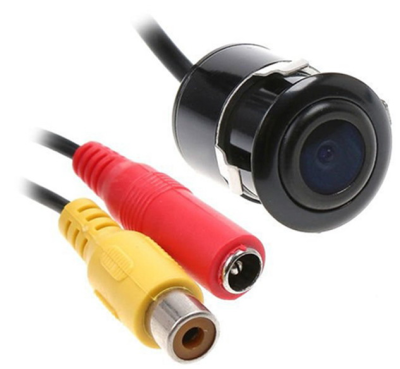


$15000.00 - $20000.00
MOQ: 1 Pieces

Comprehensive Sourcing Guide
Strategic Sourcing Guide for Waterproof Night View Reverse Cameras
The global demand for enhanced vehicle safety systems has elevated the importance of reliable reverse camera solutions, particularly those engineered for low-light environments and harsh operating conditions. For procurement professionals in the automotive, agricultural, and heavy machinery sectors, identifying a Waterproof Night View Reverse Camera requires a disciplined approach to technical verification and supply chain due diligence. This guide outlines the critical parameters, compliance frameworks, and operational considerations necessary for sourcing high-performance units that meet rigorous industrial standards without relying on unverified marketing claims.
Technical Architecture and Sensor Performance
The core functionality of a night view reverse camera relies heavily on the image sensor architecture and the optical properties of the lens. In the current market, two primary sensor technologies dominate: CCD (Charge-Coupled Device) and CMOS (Complementary Metal-Oxide Semiconductor). Procurement specifications must explicitly define the required sensor type, as each offers distinct advantages in low-light sensitivity and power consumption. Market data indicates that CCD sensors, such as the 1/3 Nvp Sony CCD or 1/4 480tvl Sony CCD variants, are frequently specified for applications requiring superior image clarity in dark conditions. These sensors often deliver resolution metrics ranging from 520 to 600 TV lines, ensuring that the reverse image is crisp enough for precise maneuvering.
Conversely, CMOS sensors are increasingly common in cost-sensitive applications, offering a balance between performance and energy efficiency. When evaluating technical specifications, buyers must scrutinize the resolution and effective pixel count. Units with a resolution of 720p and an effective pixel count of 1280(H) x 960(V) provide a significant advantage over lower-resolution counterparts, particularly for large vehicles where blind spots are more extensive. The viewing angle is another critical dimension; specifications should be verified against the physical constraints of the vehicle. While some models offer a wide 170-degree field of view, others are optimized at 120 or 130 degrees. The choice depends on the specific vehicle geometry and the need for peripheral visibility versus depth perception.
Environmental Durability and Protection Standards
For vehicles operating in agricultural, engineering, or off-road environments, environmental resilience is not a luxury but a necessity. The primary defense mechanism is the waterproof rating, which must be rigorously verified. The industry standard for high-durability units is IP68, indicating complete protection against dust ingress and the ability to withstand prolonged immersion in water. This rating is essential for reverse cameras mounted on harvesters, forklifts, and trucks that frequently traverse muddy or wet terrain.
Beyond waterproofing, the physical construction of the camera housing dictates its ability to withstand shock and vibration. Alloy and aluminum shell materials are preferred over plastic composites for heavy-duty applications, as they offer superior structural integrity against impacts. The product specifications often list attributes such as "Shockproof" and "Dustproof" in conjunction with the waterproof rating. Buyers should verify that the sealing mechanisms are designed to prevent moisture ingress at the cable entry points, a common failure mode in lower-quality units. Additionally, the physical dimensions of the camera, such as a standard profile of 3.25" (H) x 3" (L) x 1" (D), must be compatible with the mounting locations on the specific vehicle models, including SUVs, RVs, and agricultural machinery.
Compliance, Certification, and Regulatory Alignment
Navigating the regulatory landscape is a critical step in the procurement process. While specific certification statuses vary by manufacturer, reputable suppliers typically align their products with international safety and environmental standards. Key certifications to verify include ISO for quality management systems, CE for compliance with European health, safety, and environmental protection standards, and RoHS for the restriction of hazardous substances. These certifications ensure that the electronic components within the camera do not contain lead, mercury, or other toxic materials, which is increasingly a requirement for export to regulated markets.
It is important to note that certification claims must be backed by valid documentation from the supplier. Buyers should not assume that a product listed with "Night Vision" and "Waterproof" features automatically meets these regulatory benchmarks. The presence of certifications like ISO, CE, and RoHS should be explicitly confirmed in the product datasheet or through direct supplier inquiry. Furthermore, the electrical interface must comply with the vehicle's power system. Most heavy-duty vehicles operate on DC 12V or 24V systems, and the camera's power supply specifications must match these requirements to prevent electrical failures. The inclusion of an "Air Plug" interface is a common standard that facilitates secure and weather-resistant connections, further enhancing the system's reliability.
Cost Drivers and Procurement Economics
The pricing of waterproof night view reverse cameras is influenced by a complex interplay of factors, including sensor quality, housing material, and production volume. The observed market price range spans from $1 to $20,000, reflecting the vast difference between basic consumer-grade units and specialized industrial solutions. High-cost units typically incorporate advanced sensors like the Sony CCD, robust alloy housings, and higher resolution capabilities (720p or 1080p). In contrast, lower-priced options may utilize CMOS sensors with standard resolution and plastic or lighter alloy casings.
Minimum Order Quantity (MOQ) is another significant economic factor. The market exhibits an MOQ range from 1 unit to 1,000 units, allowing flexibility for both small fleet operators and large-scale manufacturers. Buyers must balance the unit cost against the MOQ to optimize their total cost of ownership. For instance, purchasing in bulk often reduces the per-unit cost but increases inventory holding costs. Additionally, packaging standards play a role in logistics costs. Products are typically shipped in cartons, gift boxes, or carton boxes, with specific packing densities such as 10 or 20 pieces per carton. Understanding these logistical parameters is essential for accurate budgeting and supply chain planning.
Application-Specific Suitability and Integration
The versatility of modern reverse cameras allows them to be deployed across a wide spectrum of vehicle types. Specifications indicate applicability for cars, SUVs, trucks, RVs, and specialized machinery including agricultural vehicles, engineering vehicles, harvesters, corn machines, forklifts, and sightseeing cars. Each application presents unique integration challenges. For example, agricultural vehicles and corn machines require cameras with extended viewing angles and high shock resistance to handle the vibrations and debris associated with field operations. Similarly, forklifts and engineering vehicles often operate in low-light warehouses or construction sites, necessitating robust night vision capabilities.
The display type is another critical integration point. Most reverse cameras utilize a "Reverse Image" display, which mirrors the view to match the driver's perspective when reversing. This feature is standard across the product range but must be confirmed to ensure compatibility with the vehicle's existing monitor systems. The screen size, typically 7 inches for larger displays, should be matched to the driver's line of sight and the vehicle's interior layout. For smaller vehicles, compact units with dimensions around 2.75" x 2.75" x 1" may be more appropriate. Buyers must ensure that the camera's power supply requirements (DC 12V or 24V) align with the vehicle's electrical architecture to avoid the need for complex conversion systems.
Supplier Evaluation and Quality Assurance Protocols
Selecting a reliable supplier is paramount to ensuring the long-term performance of the reverse camera system. The sourcing process should prioritize suppliers who provide transparent technical documentation and clear evidence of their manufacturing capabilities. Key evaluation criteria include the consistency of product attributes, such as the "Alloy" or "ABS" shell material, and the accuracy of the stated specifications like the "IP68" waterproof grade. Buyers should request samples to verify the physical build quality, including the sealing of the housing and the durability of the cable connections.
Quality control measures should be a central component of the supplier agreement. This includes verifying the "Sensor" type, ensuring it matches the claimed specifications (e.g., 1/3 Nvp Sony CCD), and confirming the "TV Line" resolution. For high-volume procurement, establishing a clear quality assurance protocol is essential. This may involve third-party testing for waterproofing and shock resistance, as well as regular audits of the supplier's production lines. The "Customization" availability should also be assessed, as many industrial applications require tailored solutions, such as specific mounting brackets or cable lengths. A supplier's ability to accommodate these customizations without compromising quality is a strong indicator of their operational maturity.
Long-Term Procurement and Lifecycle Management
Sourcing waterproof night view reverse cameras is not merely a transactional activity but a strategic decision that impacts vehicle safety and operational efficiency over the long term. Buyers should consider the lifecycle of the product, including the availability of spare parts and the supplier's support for firmware updates or technical troubleshooting. The "Launch Distance" of night vision systems, which can extend up to 150 meters in open areas, is a performance metric that should be validated under actual operating conditions to ensure it meets the safety requirements of the specific application.
Furthermore, the standardization of components across a fleet can simplify maintenance and reduce downtime. By selecting cameras with consistent specifications, such as a uniform 7-inch screen size or a standardized 12V/24V power supply, fleet managers can streamline their inventory and repair processes. The "Carton" or "Gift Box" packaging should also be evaluated for its suitability for long-term storage and transportation, ensuring that the units remain protected until installation. Ultimately, the goal is to procure a system that delivers reliable performance in diverse environments, from the quiet streets of a city to the rugged terrain of a construction site, while adhering to all relevant safety and environmental standards.
FAQs
Which sensor types are available for waterproof night view reverse cameras?
Available sensors include CCD and CMOS chips, with specific models featuring 1/3 Nvp Sony CCD or 1/4 480tvl Sony CCD variants. These sensors support resolutions ranging from 520 to 600 TV lines or 720p to ensure clear visibility in low-light conditions.
What waterproof rating do these cameras typically have?
Most units achieve an IP68 waterproof grade, ensuring complete protection against dust and prolonged water immersion. This rating is essential for vehicles operating in harsh environments like agricultural fields or construction sites where moisture and debris are common.
Can these cameras be customized for specific vehicle models?
Yes, customization is available to meet specific integration needs for various vehicle types. Buyers can request tailored solutions for cars, SUVs, trucks, or heavy machinery like harvesters and forklifts without compromising the core night vision and durability features.
What is the minimum order quantity for purchasing these cameras?
The minimum order quantity ranges from 1 unit up to 1000 units depending on the supplier and product model. This flexibility allows small fleet operators to purchase single units while large manufacturers can secure bulk orders for their entire fleet needs.
Which certifications are verified for these reverse camera products?
Reputable products often carry ISO, CE, and RoHS certifications to ensure quality and environmental compliance. These standards verify that the devices meet international safety requirements and restrict hazardous substances like lead and mercury in their electronic components.
How does the viewing angle vary across different camera models?
Viewing angles vary significantly, with some models offering a wide 170-degree field of view while others provide 120 or 130 degrees. The choice depends on the vehicle geometry, as wider angles help detect peripheral obstacles during reversing maneuvers.
What materials are used for the camera shell construction?
Shell materials typically include alloy, aluminum, or ABS plastic to ensure durability and shock resistance. Alloy and aluminum housings are preferred for heavy-duty applications like engineering vehicles to withstand impacts and vibrations in rugged operating environments.