Source Waterproof Quilted Mattress Topper for Home Hotel Hospital
Find 30 verified options for the Waterproof Quilted Mattress Topper suitable for home, hotel, and hospital use. Buyers can compare features like anti-bacteria protection, material composition, and customization availability to select the right product.
Key considerations
Products List

Water Proof Mattress Protector Waterproof Mattress Cover Mattress Topper
$5.00 - $15.00
MOQ: 300 Pieces


Quilted Fitted Waterproof Mattress Pad Non-Allergic Polyester Mattress Pad
$8.00 - $8.50
MOQ: 200 Pieces


Quilted Breathable Mattress Pad Queen Waterproof Mattress Pad with Elastic Straps
$7.50 - $8.00
MOQ: 200 Pieces


Premium Waterproof Quilted Hollow Fiber Mattress Topper Protector for Hotel
$4.00 - $10.99
MOQ: 50 Pieces


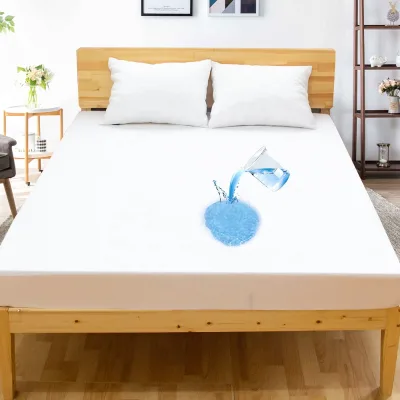


Comprehensive Sourcing Guide
Strategic Sourcing Guide for Waterproof Quilted Mattress Toppers
The global market for bedding solutions has seen a sustained shift toward multifunctional products that prioritize hygiene, durability, and comfort. Among these, the Waterproof Quilted Mattress Topper stands out as a critical asset for commercial hospitality, healthcare, and residential sectors. Sourcing this specific category requires a nuanced understanding of material composition, manufacturing techniques, and the specific performance attributes that define a high-quality product. Buyers must navigate a landscape where "waterproof" and "quilted" are not merely marketing terms but technical specifications that dictate the product's lifecycle and suitability for its intended environment. This guide provides a structured approach to evaluating suppliers and products, ensuring that procurement decisions are grounded in verifiable data and industry best practices rather than unverified claims.
Technical Specifications and Material Composition
The foundation of a reliable Waterproof Quilted Mattress Topper lies in its material composition and construction method. Based on available market data, the primary material for these products is predominantly 100% Polyester or a blend of Polyester and Cotton. Polyester is favored for its inherent durability, resistance to moisture, and ability to hold a quilted structure without sagging. The fabric surface often utilizes a Jacquard or Plain knitting method, with Stitch Knitting and Woven techniques also appearing in the supply chain. The quilting process itself is frequently described as "Handmade" or "Knitted," which directly impacts the texture and the distribution of the filling material.
The filling weight is a critical technical parameter that influences both comfort and insulation. Specifications indicate a filling weight of 800GSM (grams per square meter) for certain high-end models, suggesting a plush, substantial feel suitable for hotel and home use. The filling material is typically Superfine Polyester, chosen for its softness and hypoallergenic properties. When evaluating technical specifications, buyers should verify the exact GSM, as lower weights may compromise the "quilted" aesthetic and thermal retention. Furthermore, the standard size specifications vary, with "Queen" and "Full" being common dimensions, though many suppliers offer "Any Size" or "Customized" options to meet specific mattress requirements. The product model numbers, such as GLD-90013, GLD-9006, and AQ-2001, serve as unique identifiers for these variations, allowing buyers to track specific configurations across different batches.
Functional Features and Performance Attributes
The functional performance of a Waterproof Quilted Mattress Topper is defined by a suite of protective features designed to extend the life of the underlying mattress and ensure a hygienic sleeping environment. The core attribute is, unsurprisingly, Waterproof capability, which prevents liquids from penetrating the mattress core. However, this feature is often paired with Anti-Bacteria and Anti Dust Mite properties, addressing the dual concerns of moisture control and allergen reduction. These features are particularly vital for applications in hospitals and hotels where sanitation standards are rigorous.
Additional performance attributes observed in the market include Air-Permeability and Flame Retardancy. Air-permeability ensures that the waterproof barrier does not create a "sweaty" sleeping environment, maintaining thermal comfort during use. Flame retardancy is a safety standard that is increasingly mandatory for commercial bedding. Some product listings also highlight Disposable and Anti-Pull features, indicating specialized variants designed for single-use scenarios or high-traffic areas where durability against tearing is essential. The color options, such as White, are standard for institutional use to facilitate visual inspection of cleanliness. Buyers must verify that the specific model they select possesses the full spectrum of these features, as not all waterproof toppers include flame retardancy or anti-bacterial treatments.
Compliance, Certification, and Standard Verification
Navigating the compliance landscape for bedding products requires careful attention to standards and certifications. While specific certification statuses like Oeko-Tex are mentioned in background contexts, buyers should not assume a product is certified unless explicitly verified by the supplier. Instead, the focus should be on verifying that the product meets the relevant regional safety and quality standards. The provided data indicates that product standards can range from specific dimensions like 120*175cm to "All Size(Customized)" or "Polyester" as a material standard.
When evaluating compliance, buyers should request documentation confirming that the materials used, particularly the polyester and any chemical treatments for waterproofing or flame retardancy, meet international safety regulations. The "prod_standard" field often lists the size or material composition, but it is the buyer's responsibility to cross-reference this with local building codes and health regulations. For instance, in healthcare settings, the "Anti-Bacteria" and "Flame Retardant" claims must be backed by third-party test results. Since specific test data is not universally provided in the general product listings, procurement teams must treat these attributes as claims that require validation through sample testing or supplier-provided certificates of analysis before placing a large order.
Cost Drivers and Pricing Dynamics
The pricing of waterproof quilted mattress toppers is influenced by several variable factors, including material quality, customization level, and order volume. The observed price range in the market spans from $3 to $69.9 USD, a significant variance that reflects differences in quality and specification. Lower-priced items likely correspond to basic polyester blends with standard quilting and minimal customization. In contrast, the higher end of the price spectrum likely includes products with higher GSM filling, advanced waterproof membranes, and specialized treatments like flame retardancy or anti-bacterial coatings.
The Minimum Order Quantity (MOQ) is another critical cost driver, with observed ranges between 10 and 300 units. Some suppliers offer an MOQ of 50 sets, while others may require higher volumes for custom configurations. The cost per unit typically decreases as the order volume increases, but buyers must balance this with storage and cash flow considerations. Customization options, such as adding a specific logo or altering the size, often incur additional setup costs and may affect the MOQ. The packaging method, whether PVC Bag, Carton, or Export Carton, also contributes to the final cost, as specialized packaging adds to the unit price but may be necessary for protecting the product during long-distance shipping.
Typical Applications and Usage Scenarios
Waterproof quilted mattress toppers are versatile products designed for a wide array of applications. The primary usage sectors identified include Home, Hotel, Hospital, Travel, and Picnic environments. In the hospitality sector, these toppers are essential for protecting mattresses from spills and stains, thereby reducing replacement costs and maintaining a premium guest experience. The "Quilted" and "Jacquard" styles are particularly popular in hotels, where aesthetics play a role in guest satisfaction.
In healthcare settings, the emphasis shifts to hygiene and safety. The "Anti-Bacteria," "Anti Dust Mite," and "Disposable" features make these toppers ideal for hospitals where infection control is paramount. The "All Season" attribute ensures that the product remains comfortable regardless of the climate, making it suitable for year-round use in various regions. For travel and picnic scenarios, the lightweight and portable nature of certain models, often packed in PVC bags, makes them convenient for temporary bedding solutions. The "Spring and Autumn" seasonal designation suggests that some models are optimized for moderate temperatures, while others are designed for all-season comfort. Buyers should align the product's specific features with the intended environment to ensure optimal performance.
Supplier Evaluation and Quality Control Protocols
Selecting the right supplier involves a rigorous evaluation of their production capabilities, origin, and quality control processes. The data indicates that many suppliers originate from Hangzhou, China, a region known for its textile manufacturing prowess. When evaluating suppliers, buyers should verify their production standards, such as whether they offer "Export Carton" packaging and if they adhere to specific "prod_packing" requirements like PVC bags with color inserts. The ability to provide "Customized" logos and sizes is a key differentiator, indicating a flexible manufacturing process.
Quality control should be a central part of the sourcing strategy. Buyers must inspect samples for consistency in the "Handmade" or "Knitted" techniques, ensuring that the quilting is even and the filling is distributed correctly. The "Waterproof" claim should be tested physically to ensure no leakage occurs under pressure. Additionally, verifying the "Anti-Bacteria" and "Flame Retardant" claims through independent testing is crucial. Suppliers should be transparent about their production timeline and lead times, although specific figures are not universally provided. Establishing a clear communication channel regarding quality expectations and inspection protocols before production begins can prevent costly disputes and ensure that the final product meets the buyer's specifications.
Long-Term Procurement Considerations
Sourcing waterproof quilted mattress toppers is not just a one-time transaction but a long-term partnership that requires strategic planning. Buyers should consider the lifecycle of the product, including its durability and maintenance requirements. Products with "Anti-Pull" and "Waterproof" features are designed for longevity, but the frequency of replacement depends on the usage intensity. In high-traffic environments like hospitals and hotels, a higher initial investment in a more durable product may result in lower total cost of ownership over time.
Customization and branding opportunities also play a role in long-term procurement. Suppliers offering "Customized" logos and sizes allow buyers to maintain brand consistency across their properties. The availability of "Any Size" options ensures that the supply chain can adapt to changing mattress dimensions or new product lines. Furthermore, buyers should monitor the market for changes in material standards and safety regulations. As environmental and health standards evolve, suppliers who are proactive in updating their product lines to meet new requirements will be more valuable partners. Establishing a relationship with a supplier who offers reliable "Export Carton" packaging and consistent quality will facilitate smoother operations and reduce the risk of supply chain disruptions.
FAQs
What materials are used for waterproof quilted mattress toppers?
These toppers are primarily made from 100% Polyester or a blend of Cotton and Polyester. The filling typically consists of Superfine Polyester with a weight of 800GSM to ensure comfort and durability for home or hotel use.
Which features protect the mattress from damage and bacteria?
Key protective features include waterproofing, anti-bacteria, and anti-dust mite properties. Many models also offer flame retardancy and air permeability to maintain hygiene and safety standards in hospitals and hotels.
Can buyers customize the size and logo of the product?
Yes, customization is available for both size and logo. Suppliers offer options ranging from specific dimensions like Queen or Full to any size, and they can print custom logos on the packaging or product.
How does the MOQ vary for different product models?
The Minimum Order Quantity ranges from 10 to 300 units depending on the supplier and model. Some specific listings indicate an MOQ of 50 sets, while others may require higher volumes for custom configurations.
What are the common packaging methods for these toppers?
Products are typically packed in PVC bags, cartons, or export cartons. Some specific models use a PVC bag with a color insert, while others utilize standard carton packaging for protection during shipping.
Where are these products typically manufactured?
The majority of these products originate from Hangzhou, China. This region is a known hub for textile manufacturing, offering various suppliers who produce quilted mattress toppers for global export.
What is the price range for waterproof quilted mattress toppers?
The observed price range in the market spans from 3 to 69.9 USD per unit. Prices vary based on material quality, filling weight, and the level of customization or specific features included in the order.