Source Waterproof Rip-Stop Training Uniform for Outdoor, Hunting, and Security
Find and compare 30 Waterproof Rip-Stop Training Uniform options featuring rip-stop, breathable, and quick-dry properties. Buyers can evaluate specifications like thickness, material, and customization support for tactical sports, outdoor sports, and security applications.
Key considerations
Products List


Outdoor Combat Mountain Climbing Sports Rip-Stop Clothes Camouflage Acu Uniform
$13.50 - $14.80
MOQ: 100 Sets


Ripstop Black Grid Security Training Uniform Multi-Functional Training Uniforms
$15.00 - $22.00
MOQ: 100 Pieces


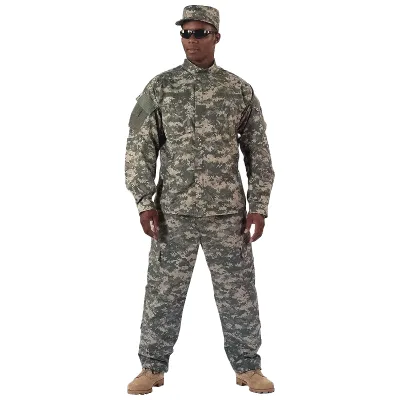


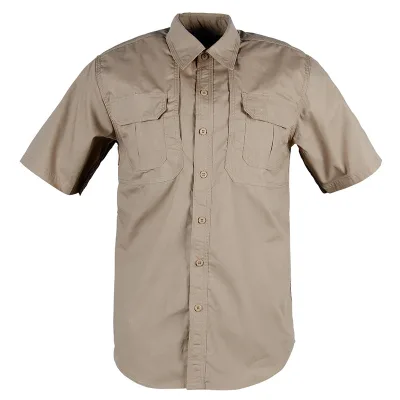


Comprehensive Sourcing Guide
Strategic Sourcing Guide for Waterproof Rip-Stop Training Uniforms
Procuring tactical and training uniforms that balance durability with environmental protection requires a rigorous understanding of material science, supply chain logistics, and specific product attributes. The core keyword "Waterproof Rip-Stop Training Uniform" points to a specialized category of apparel designed for high-intensity environments where fabric integrity and weather resistance are paramount. Buyers must navigate a market where product attributes vary significantly between listings, necessitating a disciplined approach to verification. This guide outlines the essential technical specifications, compliance frameworks, and procurement strategies required to secure reliable supply chains for these critical garments.
Technical Specifications and Material Composition
The foundation of a high-performance training uniform lies in its material composition and structural design. Based on available product data, the most common material blend for these uniforms is a combination of Cotton and Polyester. This hybrid approach aims to leverage the breathability and comfort of natural fibers while utilizing the strength and moisture-wicking capabilities of synthetic polyester. Some listings specifically highlight Polyester as the primary material, often paired with "Quick Dry" functionality, which is essential for maintaining body temperature regulation during rigorous physical activities.
The fabric structure is equally critical. The term "Rip-Stop" refers to a specific weaving technique that incorporates a reinforced grid pattern, typically using thicker threads at regular intervals. This design prevents small tears from propagating across the fabric, a vital feature for training environments involving rough terrain, brush, or equipment contact. In the observed product range, "Rip-Stop" is listed as a primary feature alongside "Waterproof" and "Breathable." It is important to note that while "Waterproof" is a frequently cited attribute, the degree of water resistance can vary. Buyers should verify whether the waterproofing is a coating applied to the fabric or an inherent property of the weave, as this impacts long-term durability and breathability.
Thickness is another key specification. Observed data indicates a range from "Normal" to "Medium" thickness. For tactical training, a "Medium" thickness often provides the necessary balance between protection and mobility. The weight of the uniform set is also a defining characteristic, with observed values ranging between 1.25kg and 1.4kg per set. This weight range suggests a substantial garment that offers coverage without being overly burdensome. The structural design is typically "Open Fronted," allowing for ease of movement and layering, which is crucial for adaptability in changing weather conditions.
Functional Attributes and Seasonal Adaptability
The functionality of a training uniform extends beyond mere fabric properties to include how the garment performs in specific environmental contexts. The observed product attributes highlight a strong focus on "Comfortable" and "Quick Dry" performance. These features are non-negotiable for training scenarios where sweat management and physical ease are critical to performance. The "Anti-Static" feature is also listed, which is particularly relevant for environments where static electricity could pose a risk or interfere with sensitive equipment.
Seasonal adaptability is a complex factor in uniform sourcing. The data shows a diverse range of seasonal suitability, including "Spring/Autumn," "Summer," and "Normal" classifications. This variation suggests that buyers must carefully match the uniform's thermal properties to their specific operational climate. A "Summer" rated uniform likely prioritizes maximum breathability and lightweight construction, whereas a "Spring/Autumn" version may offer slightly more insulation or wind resistance. The "Waterproof" attribute is particularly relevant for Spring and Autumn seasons where precipitation is common, but it must be balanced against the risk of overheating if the fabric is not sufficiently breathable.
Color and camouflage patterns are also functional attributes. The observed color options include "Urban Camo," "Snow Camo," "Green Camo," and "Desert Camo," as well as "Multi-color" and "Black grid" variations. These patterns are not merely aesthetic; they are designed for specific operational environments. For training purposes, the ability to select a pattern that matches the training ground is essential for realism. The "Printing Methods" are noted as "Digital Printing," which allows for high-fidelity reproduction of complex camouflage patterns and customization of unit insignias or names.
Compliance, Standards, and Certification Verification
In the B2B procurement of tactical and training gear, verifying compliance and standards is a critical step that often separates generic products from professional-grade equipment. While the supplied data lists specific packaging standards such as "22kg/carton" and dimensions like "56CM40CM38CM," these are logistical standards rather than safety or performance certifications. Buyers must understand that the presence of a product on a marketplace does not imply it meets international safety standards for flame resistance, chemical safety, or environmental impact unless explicitly stated.
There is no mention of specific third-party certifications (such as ISO, CE, or specific military standards) in the provided facts. Therefore, buyers must treat all compliance claims as observations that require independent verification. When evaluating a supplier, the procurement team should request documentation regarding the chemical treatments used for waterproofing and anti-static properties. These treatments often involve fluorinated compounds or other chemicals that are subject to strict environmental regulations in many jurisdictions.
Furthermore, the "Standard" field in the product data often refers to packaging dimensions or weight limits rather than product performance standards. For instance, "624433CM" and "553838" are clearly packaging specifications. Buyers should not assume that a product meets a specific performance standard based on these figures. Instead, the verification process should involve requesting test reports for the "Waterproof" and "Rip-Stop" claims. These reports should detail the hydrostatic head pressure for waterproofing and the tear strength for rip-stop capabilities. Without such documentation, the buyer assumes the risk that the product may not perform as advertised under extreme conditions.
Cost Drivers and Economic Considerations
The cost of sourcing waterproof rip-stop training uniforms is influenced by several interconnected factors. The observed price range in the market is between $3.55 and $29.30 USD. This wide disparity indicates significant variation in quality, brand positioning, and the extent of customization. The lower end of the spectrum likely represents basic polyester blends with standard rip-stop construction, while the higher end may include advanced waterproof membranes, specialized camouflage printing, and higher-grade cotton-polyester blends.
Material costs are a primary driver. The shift from 100% polyester to a cotton-polyester blend typically increases the cost due to the higher price of natural fibers and the complexity of blending them. Additionally, the "Digital Printing" method used for camouflage patterns adds to the cost compared to traditional screen printing, especially for complex, multi-color designs. Customization is another significant cost factor. The data confirms that "Customization" is "Available" and "Customized Service" is "Support." This includes adding logos, names, or specific unit markings, which requires additional setup time and labor.
Minimum Order Quantity (MOQ) also plays a crucial role in the unit cost. The observed MOQ range is from 2 to 2000 units, with a specific attribute listing an MOQ of 100. Suppliers with lower MOQs may charge a premium per unit to cover setup costs, while larger orders benefit from economies of scale. The packaging standard, such as "Individually Packed" versus "Carton" packing, also affects the final price. Individually packed units reduce the risk of damage and simplify distribution but increase labor and material costs. Buyers must balance their budget constraints with their volume requirements to optimize the cost per unit.
Typical Applications and Usage Scenarios
The versatility of waterproof rip-stop training uniforms makes them suitable for a wide array of applications. The primary usage categories identified in the data include "Outdoor," "Leisure," "Hunting," "Sport," and "Tactical Sports." These applications require a garment that can withstand physical stress, environmental exposure, and varying weather conditions.
In a tactical training context, the "Rip-Stop" and "Waterproof" features are essential for field exercises that involve crawling, climbing, or moving through wet vegetation. The "Open Fronted" structure allows for the layering of body armor or other protective gear, which is a common requirement in security and military training. The "Quick Dry" functionality ensures that the uniform does not become heavy and restrictive when wet, maintaining the wearer's mobility.
For security personnel, the "Applicable" attribute lists "Security" and "Office" as potential workplaces. While "Office" usage might seem counterintuitive for a tactical uniform, the "Anti-Wrinkle" and "Comfortable" features make these garments suitable for security roles that require a professional appearance alongside functional durability. The "Black grid security training uniform" mentioned in the data suggests a specific design for training scenarios where visibility and distinct identification are required.
The "Workplace" attribute also includes "Outdoor Sports," indicating that these uniforms are suitable for recreational activities that demand high performance. Whether for hunting, hiking, or competitive sports, the combination of breathability, water resistance, and durability ensures that the wearer remains protected and comfortable.
Supplier Evaluation and Quality Control Protocols
Evaluating suppliers for tactical uniforms requires a multi-faceted approach that goes beyond price comparisons. The origin of the products is listed as "China," with specific mentions of "Wuhan, China." While this provides a geographic baseline, buyers should verify the specific capabilities of the manufacturing facility. Key evaluation criteria include the supplier's experience with "Digital Printing," their capacity for "Customization," and their adherence to quality control standards.
Quality control should be a continuous process rather than a final inspection. Buyers should implement a protocol that includes pre-production sample approval, in-process quality checks, and final random sampling. Given the "Rip-Stop" and "Waterproof" claims, visual inspection alone is insufficient. Test samples should be subjected to physical stress tests to verify the integrity of the weave and the effectiveness of the waterproof coating. The "Weight" of the uniform (1.25-1.4kg/Set) should also be verified to ensure consistency across batches.
The "Product Name" and "Model" variations, such as "M161," "M121," and "uniform," suggest that suppliers may have different product lines. Buyers must ensure that the specific model ordered matches the required specifications. The "Structure" being "Open Fronted" and the "Gender" being "Unisex" are standard attributes, but buyers should confirm that the sizing (S-3XL) aligns with their target demographic. The "Packing" method, whether "Carton" or "Individually Packed," should be agreed upon in advance to prevent damage during transit.
Long-Term Procurement and Supply Chain Resilience
Sourcing training uniforms is not a one-time transaction but a long-term relationship that requires strategic planning. The "Customization" and "Support" attributes indicate that suppliers are willing to adapt to changing needs, which is a positive sign for long-term partnerships. However, buyers must consider the lead times and the reliability of the supply chain. The "Season" attributes (Spring/Autumn, Summer) suggest that demand may fluctuate, and suppliers should be able to ramp up production to meet peak seasonal needs.
Inventory management is another critical consideration. The "MOQ" of 100 units, or as low as 2, offers flexibility, but buyers should plan for buffer stock to mitigate the risk of supply disruptions. The "Standard" packaging dimensions (e.g., 56CM40CM38CM) are essential for logistics planning, as they determine storage requirements and shipping costs.
Finally, buyers should maintain open communication with suppliers regarding any changes in material standards or regulatory requirements. As environmental regulations regarding waterproofing chemicals evolve, suppliers must be able to adapt their production processes. By establishing a robust supplier evaluation framework and maintaining a focus on quality and compliance, buyers can ensure a steady supply of high-performance training uniforms that meet the rigorous demands of tactical and outdoor applications.
FAQs
What material blends are used for waterproof rip stop training uniforms?
The most common material blend is Cotton and Polyester, combining breathability with strength. Some listings specify Polyester as the primary material for quick-dry functionality. This hybrid approach ensures durability during rigorous physical activities while maintaining comfort.
Can I customize the camouflage patterns on these tactical uniforms?
Yes, customization is available with support for digital printing methods. Buyers can select from Urban, Snow, Green, or Desert Camo patterns. This allows for high-fidelity reproduction of complex designs and unit insignias tailored to specific operational environments.
Which seasonal conditions are suitable for these training uniforms?
These uniforms are designed for Spring/Autumn and Summer conditions. Some listings also classify them as suitable for Normal seasons. Buyers should match the uniform's thermal properties to their specific climate, noting that waterproof features are vital for wet weather.
How much does a set of waterproof rip stop training uniforms weigh?
A set typically weighs between 1.25kg and 1.4kg. This weight range suggests a substantial garment offering coverage without being overly burdensome. The medium thickness provides necessary protection while maintaining mobility for tactical training scenarios.
What is the minimum order quantity for these tactical uniforms?
The minimum order quantity is 100 units, though observed ranges vary from 2 to 2000. Suppliers with lower MOQs may charge a premium per unit to cover setup costs. Larger orders benefit from economies of scale, reducing the final unit price.
Where are these training uniforms manufactured and shipped from?
The products originate from China, with specific mentions of Wuhan as a production location. Buyers should verify the specific capabilities of the manufacturing facility. The origin is a key geographic baseline for evaluating logistics and supply chain reliability.
Which features ensure comfort and safety during outdoor sports?
Key features include Anti-Static, Quick Dry, and Rip-Stop capabilities. The open fronted structure allows for layering and ease of movement. These attributes ensure the wearer remains protected and comfortable during high-intensity activities in varying weather conditions.