Source Waterproof Roll Stickers for Food, Shipping, and Medicine
Compare 30 listings for Waterproof Roll Stickers designed for food, shipping, and medicine applications. Buyers can evaluate customization options, printing types, and packaging standards to find the right adhesive labels for their specific needs; compare the available evidence and request quotations based on your requirements.
Key considerations
Products List


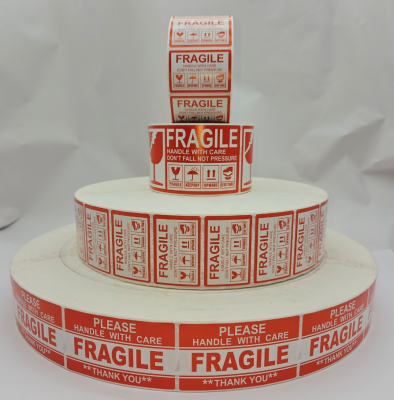


$0.27 - $0.30
MOQ: 4590 Square Meters


Comprehensive Sourcing Guide
Waterproof Roll Stickers Sourcing Guide
Sourcing Waterproof Roll Stickers requires a strategic approach that balances material durability with printing precision. Buyers must first define the specific environmental conditions the labels will face, such as exposure to moisture, chemicals, or extreme temperatures. The core keyword highlights a demand for adhesive solutions that maintain integrity in wet environments, making material selection the primary decision point. Procurement teams should evaluate whether paper-based or synthetic substrates best suit their operational needs, ensuring the adhesive remains effective without peeling or degrading over time.
The second critical step involves verifying the printing technology and finish compatibility. Different printing methods, such as offset, letterpress, or screen printing, offer varying levels of detail and cost-efficiency. Buyers need to confirm that the chosen printing process aligns with the waterproof requirements, particularly when considering features like UV coating or embossing. This alignment ensures that the visual appeal and functional durability of the sticker are not compromised, providing a reliable solution for branding or product identification in challenging conditions.
Product Scope and Observed Listing Signals
The observed market signals indicate a diverse range of waterproof sticker options, with prices ranging from zero to 4.53 USD per unit. This wide variance suggests that buyers can find solutions for both high-volume, low-cost applications and specialized, premium-grade labels. The minimum order quantities (MOQ) observed span from one to 10,000 units, offering flexibility for small batch prototyping as well as large-scale industrial deployment. This range allows procurement teams to scale their orders efficiently without being locked into excessive inventory commitments, facilitating agile supply chain management.
Product attributes reveal a strong emphasis on customization, with many suppliers offering tailored designs and sizes. Common features include barcode capabilities, anti-counterfeit measures, and heat-sensitive properties, catering to industries like food, beverage, and pharmaceuticals. The materials listed include paper, which may require specific waterproof treatments, and other substrates designed for harsh environments. Buyers should carefully review these attributes to ensure the selected product meets their specific functional requirements, such as resistance to water, oil, or abrasion, rather than assuming all listed products possess every feature.
Technical Specifications to Verify
Verifying the adhesive type and backing material is essential for ensuring long-term performance. Buyers must confirm that the adhesive is specifically formulated for wet environments, preventing delamination when exposed to condensation or direct water contact. The backing material, whether paper or synthetic, should be evaluated for its tensile strength and tear resistance. Additionally, the surface finish, such as gloss, matte, or UV coating, plays a crucial role in protecting the printed ink from fading or smudging. These technical details directly impact the label's lifespan and readability in real-world applications.
Printing resolution and color accuracy are also critical technical specifications to validate. High-quality waterproof stickers require precise registration and vibrant color reproduction, which depend on the printing technology used, such as offset or digital printing. Buyers should request samples to assess the clarity of fine details, such as barcodes or small text, ensuring they remain scannable and legible. Furthermore, the compatibility of the label with the intended printing equipment, whether thermal transfer or direct thermal, must be confirmed to avoid operational disruptions and ensure seamless integration into existing workflows.
Compliance and Safety Documentation
Ensuring regulatory compliance is paramount, especially for labels used in food, beverage, and pharmaceutical industries. Buyers must verify that the materials used in the sticker production meet relevant safety standards, such as FDA compliance for food contact surfaces. This includes checking for the absence of harmful substances like phthalates or heavy metals in the adhesive and ink. Documentation should clearly state the material composition and any relevant certifications, providing assurance that the product is safe for its intended use and does not pose health risks to consumers.
Environmental regulations are increasingly influencing procurement decisions, with a growing demand for sustainable and recyclable materials. Buyers should inquire about the recyclability of the sticker components, including the adhesive and backing, to align with corporate sustainability goals. Some suppliers may offer eco-friendly options, such as biodegradable papers or water-based adhesives. Understanding the end-of-life disposal requirements for the labels is crucial for managing waste effectively and complying with local environmental laws, thereby reducing the overall environmental impact of the procurement.
Cost Drivers and Commercial Terms
Several factors influence the total cost of ownership for Waterproof Roll Stickers, including material quality, printing complexity, and order volume. High-performance adhesives and specialized coatings can increase unit costs but offer greater durability and longevity. Buyers should analyze the trade-off between initial price and long-term value, considering how often labels need to be replaced due to failure. Additionally, custom design services, such as logo creation or unique shapes, may incur additional fees, which should be factored into the budget planning process to avoid unexpected expenses.
Commercial terms, including payment methods, shipping costs, and lead times, significantly impact the procurement strategy. Buyers should negotiate favorable terms that align with their cash flow requirements and production schedules. Clear agreements on quality assurance and return policies are essential to mitigate risks associated with defective products. Understanding the supplier's capacity to handle rush orders or volume fluctuations is also crucial for maintaining supply chain resilience. Transparent communication regarding these terms helps build a reliable partnership and ensures smooth transaction processes.
Supplier Qualification and Quality Control
Evaluating supplier qualifications is a critical step in mitigating procurement risks. Buyers should assess the supplier's manufacturing capabilities, including their equipment, production capacity, and quality control processes. Certifications such as ISO 9001 can indicate a commitment to quality management, although buyers should verify the current status and scope of these certifications. Requesting references from existing clients and reviewing case studies can provide insights into the supplier's reliability and consistency in delivering high-quality waterproof stickers.
Implementing a robust quality control plan is essential to ensure product consistency. Buyers should define clear acceptance criteria for defects, such as misalignment, color variation, or adhesive failure, and communicate these standards to the supplier. Regular audits and inspections, either on-site or through third-party agencies, can help monitor production quality and identify potential issues early. Establishing a feedback loop for continuous improvement ensures that the supplier remains aligned with the buyer's evolving needs and maintains high standards of product integrity throughout the partnership.
Long-Term Procurement Checks
Continuous monitoring of supplier performance is vital for maintaining a stable supply chain. Buyers should track key performance indicators (KPIs) such as on-time delivery, defect rates, and responsiveness to issues. Regular reviews of these metrics help identify trends and areas for improvement, allowing for proactive management of potential disruptions. Building a strong relationship with the supplier through open communication and collaborative problem-solving can enhance trust and ensure mutual success in the long run.
Adapting to market changes and technological advancements is another key aspect of long-term procurement strategy. Buyers should stay informed about new materials, printing technologies, and regulatory updates that may impact their sticker requirements. Periodically reassessing the supplier base and exploring alternative options can help mitigate risks and leverage competitive advantages. By maintaining a flexible and informed approach, buyers can ensure that their waterproof sticker procurement remains efficient, cost-effective, and aligned with their strategic business objectives over time.
FAQs
Can I customize the size and design of Waterproof Roll Stickers?
Yes, custom sizes and designs are accepted for these adhesive labels. The product page confirms that custom size acceptance is available, allowing buyers to specify exact dimensions. Additionally, logo design and printing options like letterpress, offset, or screen printing can be tailored to meet specific branding requirements for food, beverage, or shipping applications.
What printing types are available for these custom stickers?
Multiple printing methods are supported, including letterpress, transfer, offset, and screen printing. These techniques allow for versatile application on various surfaces such as bottled beverages, food packaging, and shipping labels. Buyers can select the most suitable printing type based on their specific design needs and the desired finish for their Waterproof Roll Stickers.
What is the minimum order quantity for these adhesive labels?
The minimum order quantity varies, with some listings accepting orders as low as 100 pieces. Other options may require up to 10,000 units depending on the specific supplier and product model. Buyers should check the specific MOQ requirements for their chosen sticker model, as packaging and standard configurations can influence the minimum purchase threshold.
Are these stickers suitable for medicine and food packaging?
Yes, these Waterproof Roll Stickers are suitable for medicine, food, and bottled beverage applications. The product features include waterproof and anti-counterfeit properties, making them ideal for secure labeling. They are designed to adhere well to various packaging films and surfaces, ensuring durability and legibility in diverse storage and shipping environments for regulated industries.
What packaging options are provided for bulk orders?
Packaging options include boxes, carton boxes, wooden cases, and strong export cartons. Some models are packed in individual PP bags with 100 pieces per bag, while others use pallets for larger shipments. These secure packaging methods ensure that the Waterproof Roll Stickers remain protected during transit, maintaining their adhesive quality and print integrity until delivery.
Do these labels offer anti-counterfeit features?
Yes, certain models of these adhesive labels include anti-counterfeit features. These specialized stickers are designed to prevent unauthorized duplication, making them suitable for high-value products like medicine and premium beverages. The combination of waterproof materials and secure printing techniques ensures that the labels remain intact and verifiable throughout the supply chain.