Source Waterproof Right Angle Conduit Connector for Wiring
Compare 30 Waterproof Right Angle Conduit Connector options from verified suppliers. Evaluate specifications like IP ratings, materials, and connection types for wire and cable protection in industrial and commercial applications.
Key considerations
Products List


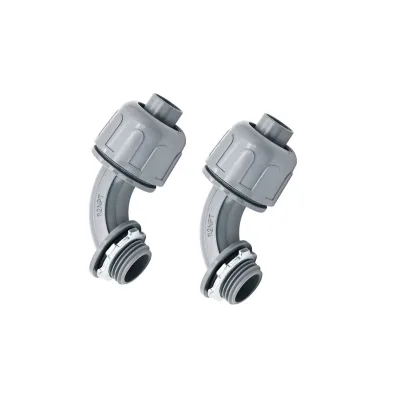
Waterproof Plastic Flexible Corrugated Conduit Pipe Right Angle Connector Union
$0.20 - $3.00
MOQ: 1000 Pieces




Comprehensive Sourcing Guide
Strategic Sourcing Guide for Waterproof Right Angle Conduit Connectors
Understanding Technical Specifications and Material Composition
When sourcing waterproof right angle conduit connectors, the primary objective is to identify components that ensure the integrity of electrical wiring systems in environments where moisture, dust, and physical stress are prevalent. The technical specifications for these connectors vary significantly based on the underlying conduit material and the intended application environment. Buyers must first distinguish between rigid and flexible conduit systems, as the connector design is intrinsically linked to the conduit type. For rigid systems, the connector often utilizes a zinc die-cast construction, which provides robust mechanical strength and durability. The surface treatment for these metallic components frequently involves polishing or baking paint to enhance corrosion resistance, a critical feature for longevity in harsh conditions.
In contrast, flexible conduit systems, such as corrugated conduits used for wire and cable protection, require connectors that accommodate movement while maintaining a seal. These are often constructed from materials like nylon or carbon steel, with specific attention paid to the IP rating to ensure water ingress is prevented. The observed product data indicates that working temperature ranges are a vital specification, with some units rated for environments spanning from -40°C to 110°C, while others operate effectively between -10°C and +80°C. Selecting a connector with a temperature rating that exceeds the maximum expected operational temperature of the installation site is essential to prevent material degradation or seal failure.
The physical geometry of the connector is equally critical. The "right angle" designation implies a 90-degree bend, which is standard for navigating corners in conduit runs. The head code is typically round, and the connection type can be either male or female, depending on whether the connector attaches to the conduit end or the equipment entry point. The shape of the connector body is often described as "equal," suggesting a uniform diameter throughout the connection point, which simplifies the mating process. For flexible applications, the outer diameter ranges can be extensive, spanning from 8.2mm up to 164.5mm, necessitating precise matching with the conduit's outer diameter to ensure a watertight fit.
Compliance and Certification Verification Protocols
Navigating the compliance landscape for electrical conduit connectors requires a rigorous verification process to ensure that the products meet international safety and environmental standards. While specific certification statuses for every listed product cannot be universally asserted without direct verification, buyers should look for explicit mentions of recognized standards in the product documentation. The observed data highlights certifications such as RoHS, which restricts the use of specific hazardous materials, and CE marking, indicating conformity with health, safety, and environmental protection standards for products sold within the European Economic Area.
Furthermore, specific product models may adhere to industry standards like UL 6A ANSI C80.5, which governs the construction and performance of conduit fittings. It is imperative for procurement teams to verify that the supplier can provide valid test reports or certification documents that correspond to the specific model number being purchased. The presence of standards such as IEC 61386, which relates to cable management systems, should be confirmed if the application falls under strict European or international regulatory frameworks. However, buyers must remain cautious; the mere mention of a standard in a general product description does not guarantee that every unit in a specific batch is certified. Verification should be a prerequisite for order placement.
Environmental compliance is another dimension of certification. The "Non-Conductive" feature observed in certain product attributes is a safety requirement that prevents the connector from becoming a path for electrical current, reducing the risk of short circuits. Additionally, features like "Fire Resistance" and "Corrosion Resistance" are not merely marketing terms but critical performance metrics that must be validated through third-party testing. Buyers should request evidence of these claims, particularly for projects located in high-risk environments such as chemical plants or coastal areas where salt spray corrosion is a significant concern. The absence of a specific certification claim in the provided data for a particular item should be treated as a gap in information rather than a negative attribute, prompting a direct inquiry to the supplier.
Cost Drivers and Pricing Structure Analysis
The pricing structure for waterproof right angle conduit connectors is influenced by a complex interplay of material costs, manufacturing processes, and order volume. The observed price range for these products spans from $0.01 to $102.66, a wide variance that reflects differences in size, material quality, and certification levels. Smaller, standard-sized connectors made from basic zinc or nylon may fall at the lower end of this spectrum, while larger, heavy-duty units with specialized coatings or high-temperature ratings will command higher prices.
Material composition is a primary cost driver. Zinc die-cast components generally cost more than plastic alternatives due to the raw material price and the energy-intensive casting process. Similarly, connectors with advanced surface treatments like PVC coating or baking paint add to the manufacturing cost but offer superior protection against environmental factors. The "Process" attribute, such as "Hot-pressed" or "Casting," also impacts the unit price, as more complex manufacturing techniques often require higher capital investment and tighter quality control.
Order volume plays a decisive role in the final cost per unit. The Minimum Order Quantity (MOQ) ranges from 1 to 50,000 units, indicating that suppliers offer flexibility for small-scale procurement but provide significant economies of scale for bulk buyers. For large-scale projects, negotiating based on volume can drastically reduce the per-unit cost. However, buyers must balance the savings from bulk purchasing against the risk of inventory holding costs. Additionally, customization options, such as specific packing requirements (e.g., wooden boxes for heavy items or custom polybagging), can introduce additional costs. While some suppliers offer "Carton or According to Customers' Request" packing, others may have fixed packaging standards that limit flexibility but ensure cost efficiency.
Typical Applications and Environmental Suitability
Waterproof right angle conduit connectors are indispensable in a wide array of industrial and commercial applications where electrical wiring must be protected from moisture and physical damage. One of the most common applications is in the protection of wire and cable in outdoor installations, such as street lighting, traffic signals, and telecommunications infrastructure. In these scenarios, the connectors must withstand exposure to rain, humidity, and temperature fluctuations. The observed working temperature range of -10°C to +80°C is suitable for many temperate climates, while the -40°C to 110°C range is necessary for extreme environments, such as arctic regions or industrial furnaces.
In industrial settings, these connectors are frequently used in manufacturing plants, chemical processing facilities, and power generation stations. The "Corrosion Resistance" and "Fire Resistance" features are particularly valuable here, as these environments often contain corrosive chemicals or pose fire hazards. The "Non-Conductive" property is critical in these applications to prevent electrical hazards in wet conditions. For flexible conduit systems, the connectors are used in machinery where vibration or movement is present, allowing the conduit to flex without breaking the electrical connection. The "Universal" structure mentioned in some product attributes suggests adaptability to various conduit types, making them versatile for retrofitting existing systems.
Residential and commercial building construction also relies heavily on these connectors for concealed wiring in walls and ceilings. The "Grey" and "Black" color options allow for aesthetic integration or high-visibility marking in different areas. The "Straight Head" and "Round Head" designs cater to different mounting requirements, ensuring that the conduit can be routed efficiently around obstacles. The ability to handle outer diameters from 8.2mm to 164.5mm means that these connectors can accommodate everything from small control cables to large power feeders, making them a staple in comprehensive electrical distribution systems.
Supplier Evaluation and Sourcing Strategy
Evaluating suppliers for waterproof right angle conduit connectors requires a multi-faceted approach that goes beyond price comparison. The origin of the product is a key factor, with the majority of observed products originating from China. While this region is a global hub for electrical component manufacturing, buyers must verify the supplier's manufacturing capabilities and quality assurance processes. The "Customization" availability indicates that many suppliers are willing to tailor products to specific needs, but this requires clear communication of technical requirements to avoid mismatches.
Buyers should prioritize suppliers who provide transparent information about their production processes. The distinction between "Hot-pressed" and "Casting" techniques, as well as the specific surface treatments like "Polishing" or "PVC Coating," should be clearly documented. A supplier that can demonstrate expertise in these processes is more likely to deliver consistent quality. Additionally, the "Packing" options, ranging from simple cartons to wooden boxes and bundles, should align with the logistics requirements of the buyer. For international shipments, export-standard packaging is essential to prevent damage during transit.
The "Standard" and "Model Number" details provided in the product data are crucial for supplier verification. Buyers should cross-reference the model numbers, such as "BYEF-0116" or "LTS," with the supplier's catalog to ensure authenticity. The presence of specific standards like "1/2" to 4"" or "3/8''-4'' Inch" helps in narrowing down the search to suppliers who specialize in the required size ranges. It is also advisable to check the supplier's history of compliance with certifications like RoHS and CE, as this indicates a commitment to meeting international regulatory standards.
Quality Control and Long-Term Procurement Considerations
Implementing a robust quality control (QC) regime is essential for ensuring the reliability of waterproof right angle conduit connectors over the long term. Buyers should establish clear acceptance criteria based on the observed product attributes, such as the "IP Rating" (though specific numerical ratings were not fully detailed in the provided text, the concept of water ingress protection is paramount), "Working Temperature," and "Corrosion Resistance." Regular sampling and testing of incoming shipments can help identify defects early, preventing costly failures in the field.
Long-term procurement considerations involve building a sustainable relationship with suppliers who can guarantee consistent supply and quality. The "Lead Time" and "MOQ" flexibility are important factors in maintaining a steady supply chain. Suppliers who offer a range of MOQs from 1 to 50,000 units allow buyers to scale their orders according to project needs without being locked into excessive inventory. Furthermore, the availability of "Customized" options ensures that the procurement strategy can adapt to changing project requirements or new technical standards.
Sustainability is also becoming a key consideration in procurement. The use of materials like "Zinc" and "Nylon" and the adherence to "RoHS" standards reflect a move towards environmentally responsible manufacturing. Buyers should encourage suppliers to adopt sustainable practices, such as recycling waste materials and reducing energy consumption during the "Zinc Die Cast" and "Moulding" processes. By prioritizing suppliers who demonstrate a commitment to quality and sustainability, buyers can mitigate risks and ensure the long-term performance of their electrical infrastructure.
Comparative Analysis of Connector Attributes
To facilitate informed decision-making, the following table summarizes key attributes observed in the product data, highlighting the variations in specifications that buyers should consider during the sourcing process.
| Attribute Category | Observed Variations | Sourcing Implication |
|---|---|---|
| Material | Zinc, Carbon Steel, Nylon | Select based on corrosion resistance needs and mechanical strength requirements. |
| Surface Treatment | Polishing, Baking Paint, PVC Coating | Choose coatings that match the environmental exposure (e.g., chemical vs. marine). |
| Connection Type | Male, Female | Ensure compatibility with existing conduit ends and equipment entry points. |
| Temperature Range | -10°C to +80°C, -40°C to 110°C | Verify operational limits against the specific site climate and process temperatures. |
| Size Standards | 1/2" to 4", 3/8''-4'', 8.2mm-164.5mm | Match connector outer diameter precisely to the conduit size to ensure a seal. |
| Certification | RoHS, CE, UL 6A ANSI C80.5 | Confirm specific certifications required by local regulations and project specifications. |
| Packing | Carton, Wooden Box, Bundle, Polybag | Select packaging that protects the product during shipping and storage. |
This comparative analysis underscores the importance of detailed specification matching. A connector that performs well in one application may fail in another if the material or temperature rating is not appropriate. By systematically evaluating these attributes against project requirements, buyers can optimize their procurement strategy and ensure the selection of high-quality, reliable waterproof right angle conduit connectors.
FAQs
What materials are used for waterproof right angle conduit connectors?
Connectors are typically made from zinc or nylon, with some options using carbon steel. Zinc die-cast construction provides robust strength, while nylon offers non-conductive properties suitable for various electrical environments.
Which certifications should I verify for these connectors?
Look for RoHS and CE certifications to ensure compliance with safety and environmental standards. Some models may also adhere to specific industry standards like UL 6A ANSI C80.5 for construction and performance verification.
How do temperature ratings affect connector selection?
Select connectors based on their specific working temperature range, such as -10°C to +80°C or -40°C to 110°C. Choosing a rating that exceeds your installation site's maximum temperature prevents material degradation and seal failure.
Can I find custom packaging options for these products?
Yes, customization is available for packaging, including cartons, wooden boxes, or specific customer requests. Suppliers often offer flexible packing solutions like bundles or export cartons to suit different logistics requirements.
What surface treatments are common for corrosion resistance?
Common treatments include polishing, baking paint, and PVC coating to enhance durability. These processes protect the zinc or steel components against corrosion, making them suitable for harsh industrial or outdoor environments.
Which connection types are available for these connectors?
Both male and female connection types are available depending on the application needs. The shape is often equal, and the head code is typically round to ensure a secure fit with various conduit systems.
What is the typical price range for these connectors?
Prices range from 0.01 to 102.66 USD depending on size, material, and certification levels. Smaller standard units cost less, while larger heavy-duty units with specialized coatings command higher prices.