Source Waterproof Rip-Stop Tactical Jacket for Outdoor, Sport, Body Use
Find 30 verified options for the waterproof rip-stop tactical jacket designed for outdoor activities, sports, and body protection. Buyers can compare features like breathability, windproofing, and customization availability across suppliers in China.
Key considerations
Products List

Men′ S Combat Jacket Water Repellent Rip-Stop Jacket Outdoor Tactical Jacket
$28.00 - $29.00
MOQ: 1000 PCS


Waterproof Tactical Jacket Waterproof Rain-Proof Material Tactical Jacket
$20.05 - $22.49
MOQ: 1000 piece


Men's Outdoor Waterproof Jacket Multi-Pocket Jacket Training Tactical Jacket
$21.00 - $22.00
MOQ: 1000 Pieces

Reversible Jacket Customized Product Waterproof Warmth Tactical Jacket
$32.60 - $38.20
MOQ: 3000 Pieces


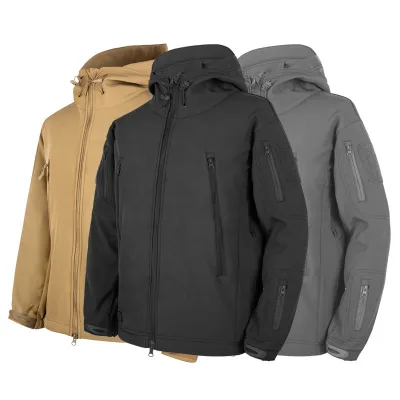
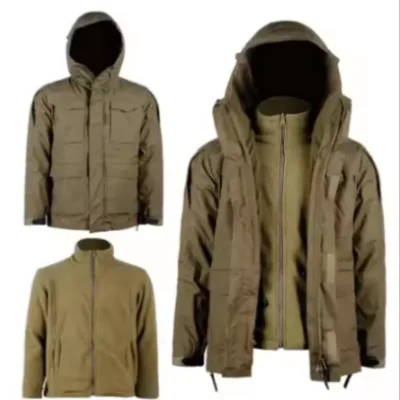
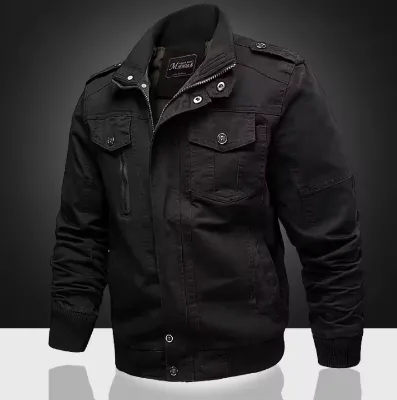
Manufacturer wholesale of customizable waterproof fleece-lined tactical jackets
$12.98 - $13.80
MOQ: 100 pieces


Men's Tactical Waterproof Camo Windbreaker Jacket for Outdoor Activities
$14.00 - $16.00
MOQ: 100 Pieces

Outdoor Professional Tactical Windbreaker Breathable G8 Ripstop Jacket
$14.00 - $15.50
MOQ: 200 Pieces


Men's Windbreaker Jacket Winter Coats Water Resistant Tactical Jacket
$12.85 - $13.97
MOQ: 3000 Pieces


Comprehensive Sourcing Guide
Strategic Sourcing Guide for Waterproof Rip-Stop Tactical Jackets
Understanding Core Technical Specifications and Material Composition
When sourcing a waterproof rip-stop tactical jacket, the primary objective is to identify products that balance durability with environmental protection. The term "rip-stop" refers to a specific weaving technique designed to prevent small tears from spreading, a critical feature for tactical gear subjected to abrasion. Based on observed market data, the shell material for these garments is predominantly a blend of polyester and nylon, or occasionally cotton and polyester. This combination is selected to maximize tensile strength while maintaining the flexibility required for active movement. The fabric type is consistently identified as polyester, often processed through dyeing techniques to achieve specific color profiles, including solid tones, camouflage patterns, or multi-color sports variations.
The construction of the jacket must also account for its intended function. The observed specifications indicate a "medium" thickness, which suggests a balance between thermal insulation and breathability. The closure type is typically a zipper, often accompanied by a hooded design to provide additional weather protection. For tactical applications, the garment is frequently categorized as a coat or a specific tactical jacket, with features explicitly listed as windproof and waterproof. It is important to note that while some listings describe the fabric as "non-woven," the functional requirement for a tactical jacket usually implies a woven structure to ensure the rip-stop integrity holds under stress. Buyers must verify that the "non-woven" label does not refer to the inner lining or a specific component, as the outer shell requires a woven structure to effectively repel water and resist tearing.
Compliance Standards and Certification Verification
In the B2B procurement of tactical gear, verifying compliance with international standards is as critical as the physical attributes of the product. The supply chain for these items is heavily concentrated in China, with specific origins noted in Jiangsu and Hubei provinces. When evaluating suppliers, buyers should look for adherence to recognized social compliance standards. One specific standard observed in the market data is BSCI (Business Social Compliance Initiative), which indicates that the supplier has undergone audits regarding labor practices and working conditions. However, the presence of a BSCI certification on a listing should be treated as a verification point rather than a guarantee for every unit in a bulk order.
Beyond social compliance, the physical standards of the product must be scrutinized. Some listings reference weight standards, such as a range of 1-1.2kg, which serves as a benchmark for the overall mass of the garment. Buyers must ensure that the weight specifications align with the operational requirements of the end-user; a tactical jacket that is too heavy may impede mobility, while one that is too light may lack the necessary durability. Additionally, packaging standards are often cited, with variations ranging from individual polybag packaging to carton configurations of 20 sets per box. The packaging dimensions, such as 563937 cm, are vital for logistics planning and calculating shipping costs. Procurement teams should request current certification documents directly from the supplier to confirm that the BSCI status and other quality metrics are active and applicable to the specific production batch being ordered.
Cost Drivers and Pricing Dynamics
The pricing landscape for waterproof rip-stop tactical jackets is influenced by several variable factors, resulting in a wide observed range from $0.50 to $42.99 USD. This significant variance is not merely a reflection of brand markup but is driven by the complexity of the material blend, the level of customization, and the order volume. The lower end of the price spectrum often corresponds to basic models with standard polyester shells and minimal customization. In contrast, the higher price points are associated with advanced features such as multi-color camouflage patterns, specific tactical accessories like badges, and complex processing types like custom dyeing.
Customization is a major cost driver in this category. The market data confirms that customization is available, allowing buyers to tailor the product model, such as the ZA048 or 10888, to specific requirements. Custom orders often involve higher Minimum Order Quantities (MOQ), with observed ranges spanning from 10 to 3000 units. The MOQ directly impacts the unit cost; higher volumes typically yield lower per-unit prices due to the amortization of setup and tooling costs. Furthermore, the inclusion of specific accessories, such as badges, or the use of specialized materials like cotton/polyester blends instead of pure polyester, will increase the base cost. Buyers must also consider the packaging requirements, as custom packaging solutions, such as separate packages for each piece, add to the overall logistics cost. Understanding these drivers allows procurement teams to negotiate more effectively and allocate budget appropriately based on the specific needs of the tactical operation.
Typical Applications and Functional Performance
The functional versatility of waterproof rip-stop tactical jackets makes them suitable for a diverse range of applications. The primary usage is identified as "outdoor," but the specific application extends to sports, body protection, and general tactical operations. The observed features, including wearproof, warmth, and comfort, indicate that these garments are designed for environments where weather conditions are unpredictable and physical activity is high. The "spring/autumn" season designation suggests that these jackets are optimized for moderate climates, providing protection against wind and rain without causing overheating during intense activity.
The "tactical" designation implies a need for reliability in high-stress scenarios. The rip-stop feature ensures that the jacket can withstand contact with rough surfaces, such as brush, rocks, or equipment, without developing large tears. The waterproof and windproof attributes are essential for maintaining body temperature and dryness in wet or windy conditions. For sports applications, the quick-dry and anti-wrinkle properties observed in some listings are particularly valuable, ensuring that the garment remains functional and presentable after exposure to sweat or moisture. The "unisex" and "adult" age group specifications highlight the broad demographic appeal, making these jackets suitable for a wide range of users, from law enforcement personnel to outdoor enthusiasts. Buyers should match the specific functional requirements of their end-users with the observed features, ensuring that the selected jacket provides the necessary protection for the intended environment.
Supplier Evaluation and Production Capabilities
Evaluating a supplier for tactical jacket production requires a deep dive into their manufacturing capabilities and quality control processes. The supply chain data indicates that many suppliers are located in Jiangsu and Hubei, China, regions known for their textile manufacturing infrastructure. When assessing a potential partner, buyers should verify the supplier's ability to handle the specific processing types required, such as dyeing or custom printing. The availability of customization is a key indicator of a supplier's flexibility; however, buyers must ensure that the supplier has the technical capacity to execute these customizations without compromising the structural integrity of the rip-stop fabric.
The production model is another critical factor. Some suppliers offer standard models like the G8C031D, while others specialize in custom products. The ability to produce custom models suggests a more agile manufacturing process, but it also requires closer collaboration on design specifications. Buyers should inquire about the supplier's experience with the specific material blends, such as polyester/nylon or cotton/polyester, to ensure they can deliver the desired performance characteristics. Additionally, the supplier's adherence to the observed standards, such as the BSCI certification, should be validated through recent audit reports. It is also essential to verify the supplier's capacity to meet the required MOQs, which can range from small batches of 10 units to large-scale orders of 3000 units. A supplier's ability to scale production while maintaining quality is a decisive factor in the long-term success of the procurement relationship.
Quality Control and Long-Term Procurement Considerations
Implementing a robust quality control (QC) strategy is essential for mitigating risks associated with the procurement of tactical gear. Given the wide range of observed specifications, from weight variations of 1.5-1.8 kg to different fabric types, a standardized QC protocol is necessary to ensure consistency across the order. Buyers should establish clear acceptance criteria for key attributes, including the integrity of the rip-stop weave, the effectiveness of the waterproof coating, and the durability of the zipper closures. Testing for water resistance and windproof capabilities should be conducted on a sample basis before full production commences.
Long-term procurement considerations extend beyond the initial order to include supply chain resilience and product lifecycle management. The availability of spare parts, such as replacement zippers or badges, should be discussed with the supplier to ensure future maintenance is feasible. Additionally, buyers should monitor the supplier's ability to maintain consistent quality over multiple production runs, as variations in dyeing processes or material sourcing can lead to inconsistencies. The packaging standards, such as the 1PC/Polybag or 20 Sets/Carton configurations, should be reviewed to ensure they protect the product during transit and meet the storage requirements of the end-user. By focusing on these long-term factors, buyers can build a sustainable supply chain that delivers high-quality tactical jackets consistently, reducing the risk of product failure and ensuring the safety and comfort of the end-users.
Comparative Analysis of Product Attributes
To facilitate decision-making, the following table summarizes the key attributes observed in the market for waterproof rip-stop tactical jackets. This comparison highlights the variability in specifications and helps buyers identify the features that align with their specific requirements.
| Attribute Category | Observed Variations | Key Considerations for Buyers |
|---|---|---|
| Material Composition | Polyester/Nylon, Polyester/Cotton, Cotton/Polyester | Verify the blend ratio for desired durability vs. comfort balance. |
| Fabric Features | Rip-Stop, Waterproof, Windproof, Breathable, Quick-Dry | Ensure all critical features are present for the intended environment. |
| Design & Style | Hoody, Solid/Camouflage, Multi-color, Regular Length | Confirm pattern and style match operational or aesthetic needs. |
| Packaging | 1PC/Polybag, 20 Sets/Carton, Separate Package | Check packaging dimensions and unit count for logistics planning. |
| Certifications | BSCI, Weight Standards (1-1.2kg) | Request valid audit reports and verify weight specifications. |
| Customization | Available (Model, Color, Accessories) | Clarify MOQ requirements and lead times for custom orders. |
| Origin | China (Jiangsu, Hubei) | Assess logistics costs and lead times based on specific origin. |
| Target Usage | Outdoor, Sport, Tactical, Body Protection | Match product features to the specific application environment. |
This comparative overview underscores the importance of detailed specification verification. While the core keyword "waterproof rip-stop tactical jacket" defines the general category, the specific attributes listed above determine the suitability of the product for a particular use case. Buyers must rigorously cross-reference these attributes against their operational requirements to ensure the selected supplier can deliver a product that meets all functional and compliance criteria.
FAQs
What materials are used for the shell of these jackets?
The shell material is predominantly a blend of polyester and nylon, or occasionally cotton and polyester. This combination maximizes tensile strength while maintaining flexibility for active movement in tactical environments.
Which certifications should I verify for social compliance?
You should verify adherence to the BSCI standard, which indicates audits regarding labor practices and working conditions. Buyers must request current certification documents directly from the supplier to confirm the status is active for the specific batch.
Can I customize the product model and packaging?
Customization is available for product models like ZA048 or 10888, as well as specific packaging configurations. Custom orders often involve higher minimum order quantities, so buyers must ensure the supplier has the capacity to execute these requirements.
How does the MOQ affect the unit price?
The minimum order quantity ranges from 10 to 3000 units, directly impacting the unit cost. Higher volumes typically yield lower per-unit prices due to the amortization of setup and tooling costs associated with the production process.
What are the typical weight specifications for these jackets?
Observed weight specifications range from 1 to 1.8 kilograms depending on the specific model and material blend. Buyers must ensure these weight specifications align with operational requirements to avoid impeding mobility or lacking necessary durability.
Which features are essential for outdoor tactical use?
Essential features include waterproof, windproof, and rip-stop capabilities to withstand abrasion and weather. Additional functional attributes like warmth, comfort, and breathability are critical for maintaining body temperature during unpredictable outdoor conditions.
Where are the primary manufacturing locations for these items?
The supply chain is heavily concentrated in China, with specific origins noted in Jiangsu and Hubei provinces. Buyers should verify the supplier's location to ensure they have access to the necessary textile manufacturing infrastructure.