Source Waterproof Watch Protective Case for Hiking, Travel, and Storage
Find 30 waterproof watch protective cases designed for outdoor activities and secure storage. Compare specifications including IP67 ratings, foam options, and dimensions from verified manufacturers to select the ideal protective solution for your needs.
Key considerations
Products List
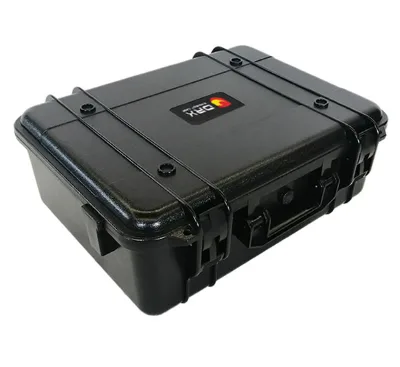
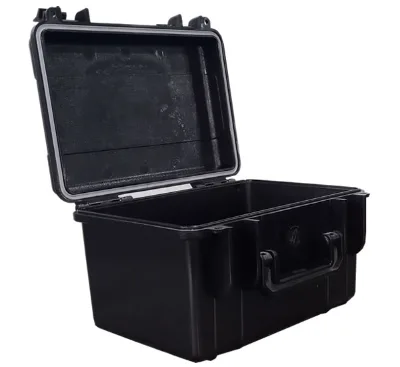
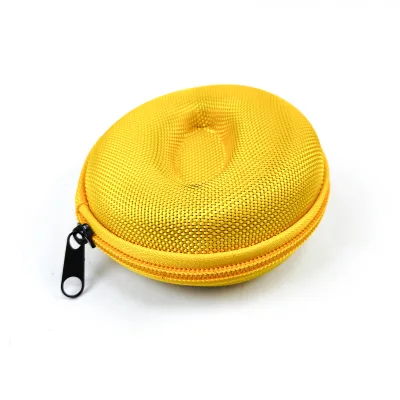
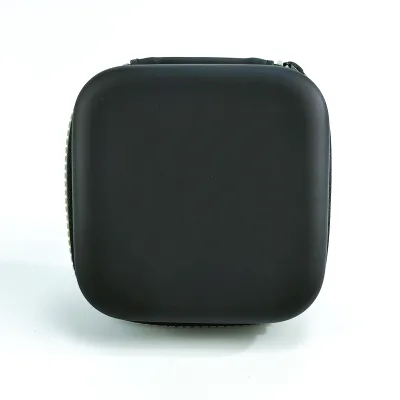
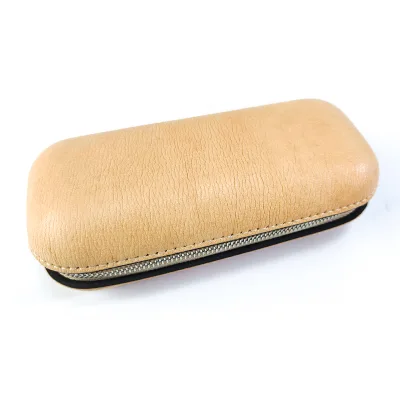
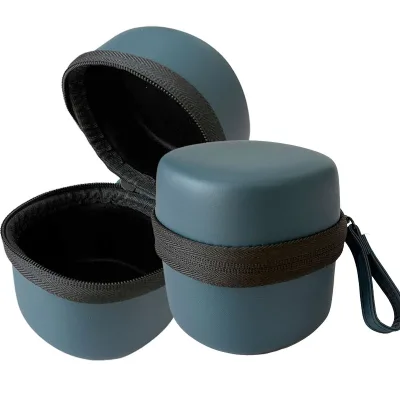
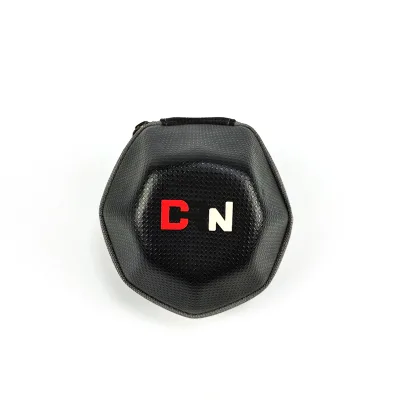
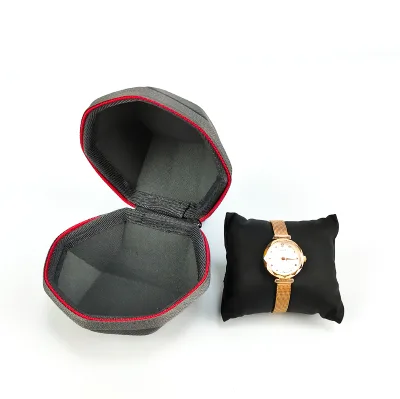
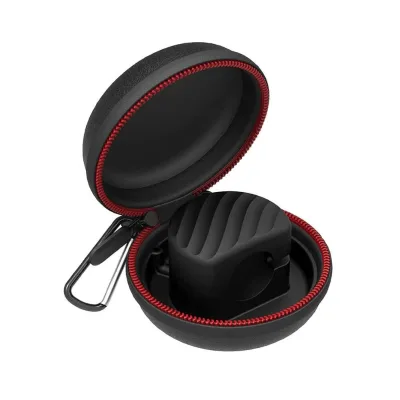
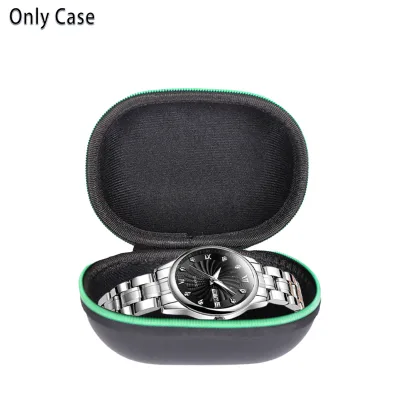
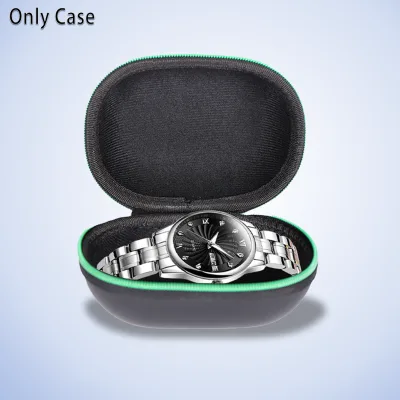
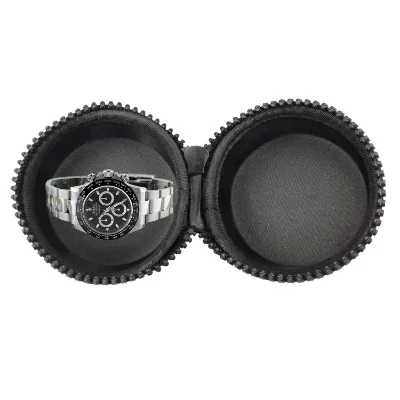
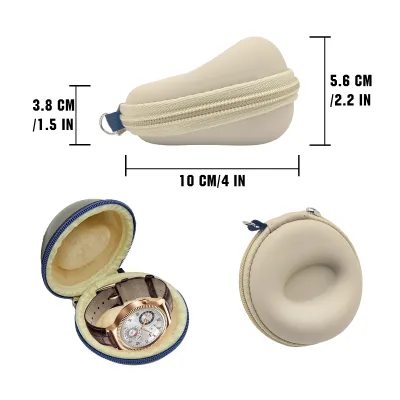
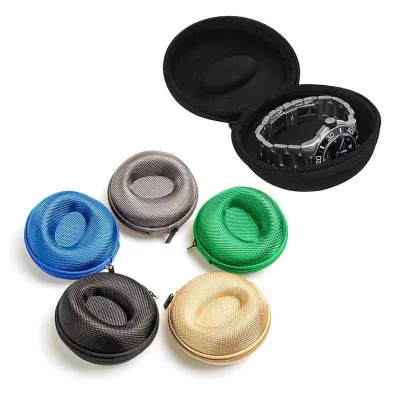


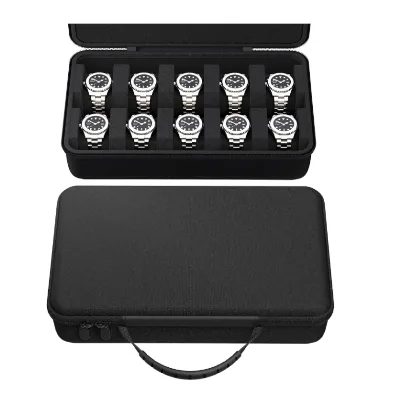
10slots Waterproof Watch Box Tool Box Hard Plastic Case Watch Hard Case
$18.50 - $20.15
MOQ: 50 Pieces


10slots Premium Black Watch Box Aluminum Case for Watch Hard Case with Soft Foam for Men
$11.85 - $13.50
MOQ: 300 Pieces


High Quality Watch Case Jewelry Protective Lightweight Plastic Hard Case
$9.00 - $18.00
MOQ: 20 Pieces

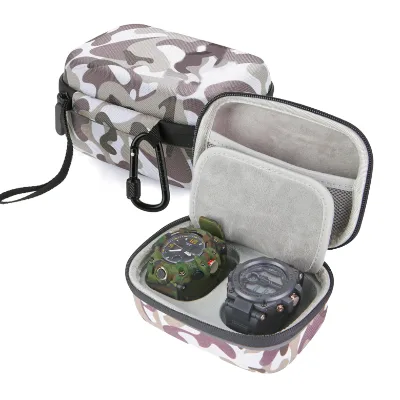
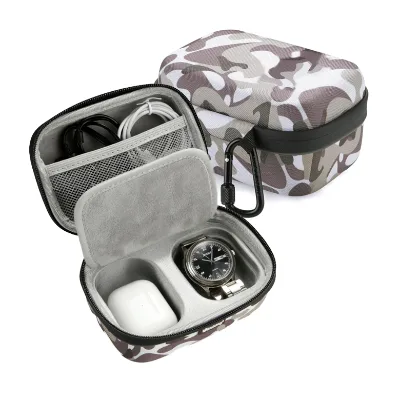
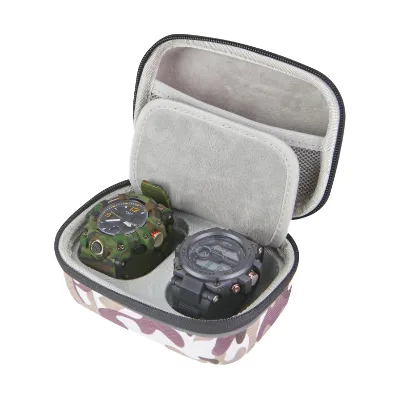
EVA Watch Storage Box Anti-Collision Waterproof and Shockproof Watch Case
$0.79 - $1.79
MOQ: 1000 Pieces

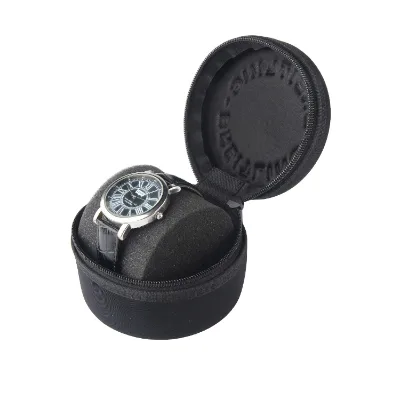
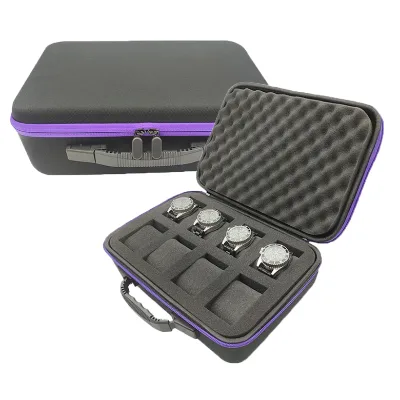
Comprehensive Sourcing Guide
Strategic Sourcing Guide for Waterproof Watch Protective Cases
Selecting the right protective enclosure for sensitive timepieces requires a rigorous evaluation of material integrity, sealing mechanisms, and environmental resilience. In the B2B procurement landscape, the term "Waterproof Watch Protective Case" often encompasses a spectrum of products ranging from compact, single-item containers to large-scale transport solutions designed for field operations. Buyers must navigate a complex matrix of specifications, including IP ratings, foam customization, and dimensional tolerances, to ensure the selected supplier can deliver equipment that meets exact operational demands. This guide outlines the critical factors for sourcing these protective solutions, focusing on evidence-based criteria derived from current market offerings and technical standards.
Technical Specifications and Material Integrity
The foundation of any reliable protective case lies in its construction materials and dimensional accuracy. High-impact ABS plastic is the predominant material observed in the current market for this category, offering an optimal balance between weight reduction and structural rigidity. This material choice is critical for applications requiring portability without sacrificing the ability to withstand significant mechanical stress. The internal dimensions of these cases vary significantly based on the intended use; for instance, larger transport units may feature outer dimensions around 475381174 mm with an internal capacity of 434323158 mm, while compact watch-specific models may have internal dimensions as small as 215145115 mm.
Buyers must verify the specific inner size against the dimensions of the watch or equipment being stored. The presence of pre-cut foam or custom foam inserts is a standard feature that enhances protection. The market offers a variety of foam types, including PU, Hard PU, EVA, XPE, EPS, and EPE. The selection of foam density and type directly influences the shock absorption capabilities. Standard configurations often include egg foam in the lid and pre-cut foam in the base, but custom foam solutions are widely available to accommodate irregular shapes. Additionally, the closure mechanism is a vital technical component; buckles and latches are the primary methods used to secure the case, ensuring a tight seal that is essential for maintaining the IP67 rating.
Environmental Resistance and Certification Standards
Environmental resilience is the primary differentiator for waterproof cases, particularly those rated for extreme conditions. The IP67 rating is a frequently cited standard in this sector, indicating that the product is dust-tight and capable of withstanding immersion in water up to 1 meter for 30 minutes. This rating is not merely a marketing claim but a specific performance benchmark that must be verified during the supplier evaluation process. The operating temperature range is another critical parameter; observed data suggests a functional range from -40°C to 98°C, which is essential for equipment deployed in harsh climates or high-heat environments.
Compliance with international standards is equally important for B2B buyers. Certifications such as ISO9001, ROHS, and REACH are commonly associated with reputable manufacturers in this space. ISO9001 indicates a commitment to quality management systems, while ROHS and REACH ensure that the materials used are free from hazardous substances, aligning with global environmental regulations. Buyers should request valid certification documents from potential suppliers rather than relying solely on product descriptions. The IP67 rating, combined with these certifications, forms a robust baseline for assessing the reliability of the protective case in demanding scenarios.
Cost Drivers and Pricing Structures
Understanding the cost structure of waterproof protective cases is essential for effective budgeting and negotiation. The observed price range in the market spans from approximately $0.79 to $47 per unit, a variance driven by several key factors. The primary cost driver is the level of customization required. Standard models with fixed dimensions and basic foam inserts generally occupy the lower end of the price spectrum. Conversely, cases featuring custom foam cutouts, specific branding via silk screen, rubber, or PVC logos, and unique color schemes command higher prices.
The Minimum Order Quantity (MOQ) also plays a significant role in the final unit cost. The market shows an MOQ range from 1 to 1000 units. Buyers purchasing small quantities may face higher per-unit costs, while bulk orders can leverage economies of scale to reduce the price. The weight of the product is another factor; for example, a larger case may weigh 2.74 kg empty, while a smaller watch case might weigh only 0.75 kg. Shipping costs, which are often calculated based on the single gross weight and package dimensions (e.g., 50.5x41.1x20.4 cm for larger units), must be factored into the total landed cost. Buyers should analyze the trade-off between customization features and the resulting price increase to determine the most cost-effective solution for their specific needs.
Typical Applications and Usage Scenarios
The versatility of waterproof watch protective cases allows them to serve a wide array of applications. While the core keyword suggests a focus on timepieces, the functional design supports multi-purpose usage, including tool storage, portable equipment transport, and protection for sensitive instruments. The "Camping & Hiking" activity type highlights the suitability of these cases for outdoor enthusiasts who require durable, weather-resistant storage for their gear. The square shape and robust construction make them ideal for stacking and organizing in confined spaces, such as vehicle trunks or field camps.
For professional users, the "Protective" and "Shockproof" attributes are paramount. Industries such as photography, surveying, and emergency response often rely on these cases to protect expensive equipment from the elements. The ability to customize the interior foam allows for the secure transport of specific tools or watch collections, preventing movement and potential damage during transit. The "Multi-purpose Usage" designation underscores the adaptability of these products, making them suitable for both commercial logistics and personal recreational activities. Buyers should align the specific application requirements with the case's functional attributes, such as the wheel type (customized or none) and the closure mechanism, to ensure the selected product fits the operational workflow.
Supplier Evaluation and Verification Protocols
Evaluating a supplier for waterproof protective cases requires a systematic approach to verify their capabilities and reliability. The place of origin, often cited as Anhui, China for this category, provides context regarding the manufacturing ecosystem, but it does not guarantee quality on its own. Buyers must assess the supplier's capacity to deliver consistent quality, particularly regarding the IP67 rating and material integrity. Requesting samples is a critical step in this process, allowing for physical inspection of the ABS plastic quality, the precision of the foam cuts, and the effectiveness of the sealing mechanism.
The warranty period is another key indicator of supplier confidence. A standard warranty of one year is commonly observed, but buyers should clarify the terms and conditions of this warranty, including coverage for manufacturing defects versus damage from misuse. The ability to provide custom logo services, such as silk screen printing or rubber logos, demonstrates the supplier's flexibility and attention to detail. Buyers should also verify the supplier's ability to meet specific lead times and handle variations in order volume, as the MOQ can range significantly. A reliable supplier will provide clear documentation regarding their production processes, quality control measures, and compliance with relevant standards.
Quality Control and Long-Term Procurement Considerations
Ensuring long-term value in the procurement of waterproof cases involves establishing robust quality control protocols. The "Single gross weight" and "Single package size" are critical data points for logistics planning and inventory management. Consistency in these metrics across batches is essential for efficient supply chain operations. Buyers should implement a quality control plan that includes random sampling of incoming shipments to verify the IP rating, material thickness, and foam density. Testing the closure mechanisms for durability and the seals for water resistance can prevent costly failures in the field.
Long-term procurement considerations also include the scalability of the supplier's production capabilities. As business needs evolve, the ability to adjust order volumes and customize designs becomes increasingly important. The availability of different foam types and color options allows for future product differentiation. Furthermore, maintaining a relationship with a supplier who adheres to strict quality standards ensures that the protective cases continue to meet the evolving demands of the market. By focusing on technical specifications, compliance, and supplier reliability, buyers can secure a supply chain that delivers high-performance protective solutions for their waterproof watch and equipment needs.
Comparative Analysis of Case Features
To facilitate informed decision-making, the following table summarizes key features observed in the market for waterproof watch protective cases. This comparison highlights the variations in dimensions, materials, and functional attributes that buyers should consider when selecting a supplier.
| Feature Category | Standard/Compact Model | Large Transport Model | Custom/High-Spec Model |
|---|---|---|---|
| Primary Material | High Impact ABS | High Impact ABS | High Impact ABS |
| IP Rating | IP67 | IP67 | IP67 |
| Inner Dimensions | ~215145115 mm | ~434323158 mm | Customizable |
| Foam Type | Pre-cut / Egg Foam | Pre-cut / Custom | Custom (EVA, XPE, etc.) |
| Weight (Empty) | ~0.75 kg | ~2.74 kg | Variable |
| Closure Type | Latch / Buckle | Buckle | Customized |
| Temperature Range | -40°C to 98°C | -40°C to 98°C | -40°C to 98°C |
| Customization | Logo, Color | Logo, Color, Foam | Full Customization |
| Typical MOQ | 1 - 100 units | 100 - 500 units | 500 - 1000 units |
This table illustrates that while the core material and IP rating remain consistent across the category, the dimensions, weight, and customization options vary significantly. Buyers should use this framework to align their specific requirements with the appropriate product tier, ensuring that the selected case offers the necessary protection without unnecessary cost or complexity. By adhering to these evidence-based criteria, procurement professionals can confidently navigate the market for waterproof watch protective cases, securing reliable solutions that meet both immediate and long-term operational needs.
FAQs
What certifications do waterproof watch protective cases typically have?
These cases typically hold ISO9001, ROHS, and REACH certifications. Buyers should verify these documents to ensure compliance with international quality and environmental standards before placing orders.
How is the waterproof rating defined for these protective cases?
The IP67 rating indicates the case is dust-tight and can withstand immersion in water up to one meter for thirty minutes. This standard ensures reliable protection against harsh environmental conditions during transport.
Which foam types are available for customizing the interior?
Available foam options include PU, Hard PU, EVA, XPE, EPS, and EPE. Standard configurations often feature egg foam in the lid and pre-cut foam in the base for shock absorption.
Can buyers customize the logo and color of the case?
Yes, logos can be applied via silk screen, rubber, or PVC methods. Colors such as black, orange, or custom shades are available to match specific branding requirements.
What is the operating temperature range for these ABS cases?
The functional temperature range spans from -40°C to 98°C. This wide range allows the high-impact ABS plastic cases to perform reliably in extreme cold or high-heat environments.
How does the minimum order quantity affect the unit price?
The MOQ ranges from one to one thousand units, influencing the final cost per piece. Bulk orders often leverage economies of scale to reduce the price compared to single-item purchases.
What dimensions are standard for the large transport models?
Large transport models often feature outer dimensions of 475 by 381 by 174 millimeters. The internal size for these units is typically 434 by 323 by 158 millimeters.