Source Waterproof Water Walking Ball with Air Blower for Parks
Find and compare 30 Waterproof Water Walking Ball with Air Blower options from Guangzhou suppliers. Evaluate PVC models with EN14960 standards, customizable sizes, and logo printing for theme parks and outdoor events.
Key considerations
Products List


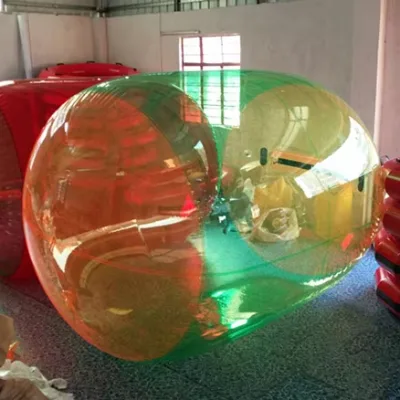
Inflatable Water Toys Water Walking Roller Ball Water Air Roll Ball For Sale
$203.56 - $356.23
MOQ: 1 Minimum


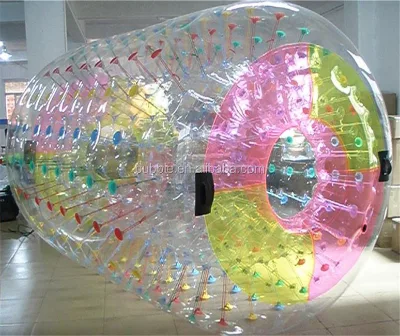
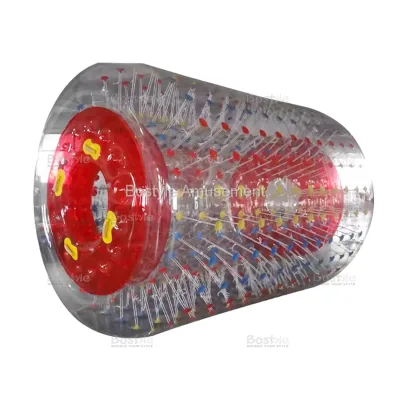
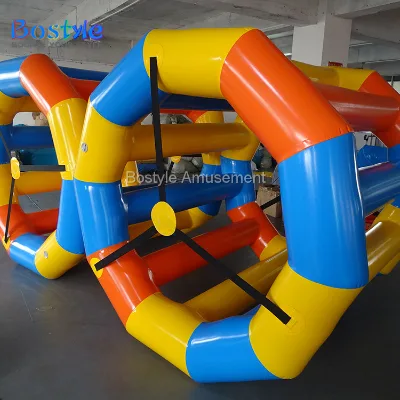


Inflatable PVC Water Walking Ball Clear Ball for Pool Water Recreation
$100.00 - $300.00
MOQ: 1 Pieces


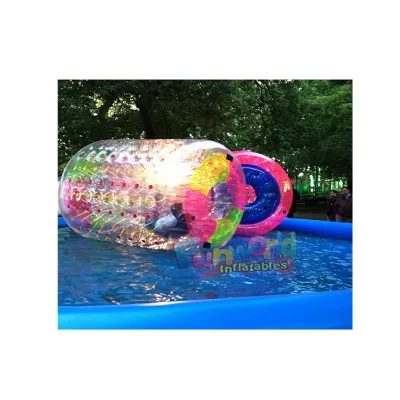


Wholesale Inflatable Water Roller Water Rolling Ball Inflatable Water Walking Ball
$178.00 - $288.00
MOQ: 1 Pieces
Comprehensive Sourcing Guide
Waterproof Water Walking Ball with Air Blower Sourcing Guide
Procuring inflatable water walking balls requires a disciplined approach to material verification and safety compliance, as these products involve direct human interaction with pressurized structures. Buyers must prioritize suppliers who demonstrate rigorous quality control over PVC or TPU materials, ensuring that the final product meets international safety standards such as EN14960 or EN15649. The inclusion of an air blower is a critical component that affects both operational convenience and long-term maintenance costs, making it essential to evaluate the blower’s durability and compatibility with the ball’s valve system. This guide outlines the key technical, commercial, and compliance factors that procurement professionals should consider when sourcing these recreational items for parks, theme parks, or commercial events.
The market for inflatable water walking balls is characterized by a wide range of customization options, from size and color to logo printing, which can significantly impact the final unit cost and lead time. Buyers should be aware that while many suppliers offer customizable features, the core structural integrity of the ball depends on the quality of the stitching, the thickness of the material, and the reliability of the inflation system. Understanding the specific requirements for your intended application, whether it be for a shopping mall, an outdoor park, or a private event, will help narrow down the supplier pool and ensure that the selected product aligns with your operational needs and safety expectations.
Product Scope and Observed Listing Signals
The product scope for waterproof water walking balls typically includes various models designed for different user capacities and environmental conditions. Observed listings indicate that these products are often marketed under names such as "inflatable water ball," "water walking ball," or "inflatable roll ball," with model numbers like WT-S-008, RD-30, and RD-28 being common identifiers. The materials used are predominantly PVC or TPU, with PVC tarpaulin bags being the standard packing method to protect the items during shipping. Buyers should note that while many suppliers claim customization is available, the actual material thickness, valve type, and blower specifications can vary significantly between different models and suppliers, requiring careful verification before placing an order.
Size and capacity are critical factors that define the product’s suitability for specific use cases. Listings show a range of sizes, including diameters of 1 meter, 1.2 meters, 1.5 meters, and 2 meters, with some models offering customized sizes for adults or kids. The allowable passenger capacity is often listed as less than 100kg or less than 5 people, depending on the design and intended use. Additionally, the color options are frequently customizable, with many suppliers offering colorful designs or digital printing for logos and graphics. Buyers should verify the exact dimensions and weight limits for each model to ensure that the product meets the physical requirements of their target audience and the spatial constraints of their installation site.
Technical Specifications to Verify
When evaluating technical specifications, the material composition and construction quality are paramount. Buyers should verify whether the ball is made from PVC or TPU, as TPU generally offers better durability and environmental resistance, although PVC is more common due to its cost-effectiveness. The thickness of the material, often measured in denier or millimeters, is a key indicator of the ball’s strength and ability to withstand punctures and abrasion. Additionally, the stitching and welding processes should be inspected to ensure that the seams are secure and watertight, preventing air leaks that could compromise the ball’s integrity during use. Suppliers should provide detailed material specifications and construction details to allow buyers to assess the product’s longevity and safety.
The inflation system, including the air blower and valve design, is another critical technical aspect that requires careful verification. The air blower should be powerful enough to inflate the ball quickly and maintain the required pressure during operation, while also being energy-efficient and durable. Buyers should check the blower’s power rating, noise level, and compatibility with the ball’s valve system to ensure seamless operation. Furthermore, the valve design should be secure and easy to use, allowing for quick inflation and deflation while preventing accidental air loss. Suppliers should provide information on the blower’s specifications, including its voltage, wattage, and expected lifespan, to help buyers make informed decisions about the product’s operational requirements.
Compliance and Safety Documentation
Compliance with international safety standards is essential for inflatable water walking balls, as these products are used in recreational settings where user safety is a top priority. Buyers should verify that the products meet relevant standards such as EN14960 or EN15649, which specify safety requirements for inflatable amusement devices. These standards cover aspects such as material strength, structural integrity, and safety instructions, ensuring that the product is safe for use by consumers. Additionally, buyers should check for certifications such as CE, UL, RoHS, and REACH, which indicate that the product meets specific safety and environmental requirements. Suppliers should provide copies of these certifications and test reports to demonstrate compliance and build trust with buyers.
Safety documentation should also include clear instructions for use, maintenance, and emergency procedures. Buyers should ensure that the supplier provides comprehensive user manuals that cover inflation and deflation procedures, weight limits, and safety warnings. These manuals should be written in clear and concise language, with diagrams and illustrations to aid understanding. Additionally, buyers should verify that the supplier offers a warranty period, typically one year, to cover any defects or issues that may arise during use. This warranty should include provisions for repair or replacement of defective parts, ensuring that buyers are protected against potential losses.
Cost Drivers and Commercial Terms
The cost of waterproof water walking balls is influenced by several factors, including material quality, customization options, and order quantity. Buyers should be aware that higher-quality materials, such as TPU, and more complex customization options, such as digital printing of logos, can increase the unit price. Additionally, the order quantity plays a significant role in pricing, with larger orders often benefiting from economies of scale and lower unit costs. Buyers should request detailed quotes that break down the costs of materials, labor, and customization to understand the cost structure and identify potential areas for negotiation.
Commercial terms, including payment terms, shipping methods, and lead times, are also important considerations for buyers. Buyers should negotiate favorable payment terms, such as a deposit followed by payment upon completion of production, to mitigate financial risk. Additionally, buyers should clarify the shipping methods and costs, as inflatable products can be bulky and expensive to ship. Lead times can vary depending on the order quantity and customization requirements, so buyers should plan accordingly to ensure that the products are delivered in time for their intended use. Suppliers should provide clear and transparent commercial terms to facilitate smooth transactions and build long-term partnerships.
Supplier Qualification and Quality Control
Supplier qualification is a critical step in the sourcing process, as it ensures that the selected supplier has the necessary capabilities and experience to produce high-quality inflatable water walking balls. Buyers should verify the supplier’s production capacity, quality control processes, and track record in the industry. This can be done by requesting references from previous clients, visiting the supplier’s facility, or conducting third-party audits. Additionally, buyers should check the supplier’s certifications and compliance with international standards to ensure that they meet the required safety and quality benchmarks.
Quality control measures should be implemented throughout the production process to ensure that the final product meets the specified requirements. Buyers should work with suppliers to establish clear quality control checkpoints, including material inspection, production monitoring, and final product testing. These checkpoints should be documented and reviewed regularly to identify and address any issues that may arise during production. Additionally, buyers should request samples of the final product before placing large orders to verify the quality and performance of the product. This proactive approach to quality control can help minimize the risk of defects and ensure that the products meet the buyer’s expectations.
Long-Term Procurement Checks
Long-term procurement checks are essential for maintaining the quality and reliability of the supply chain for waterproof water walking balls. Buyers should establish regular communication with their suppliers to monitor performance, address any issues, and explore opportunities for improvement. This can include periodic reviews of product quality, delivery times, and customer feedback, as well as discussions about new product developments and market trends. Additionally, buyers should maintain a diversified supplier base to mitigate the risk of supply chain disruptions and ensure that they have access to alternative sources if needed.
Continuous improvement is key to staying competitive in the inflatable amusement device market. Buyers should stay informed about industry developments, such as new materials, technologies, and safety standards, and work with their suppliers to incorporate these advancements into their products. This can include investing in research and development, participating in industry trade shows, and collaborating with suppliers on product innovation. By staying proactive and engaged in the procurement process, buyers can ensure that they continue to offer high-quality, safe, and innovative products to their customers, thereby building a strong and sustainable business.
FAQs
What certifications do the inflatable water balls have?
The products hold CE, UL, RoHS, REACH, and ISOCE certifications. Some listings also reference EN14960 and EN15649 standards. These ensure safety and compliance for outdoor park usage.
Can I customize the size and color of the ball?
Yes, customization is available for both size and color. Sizes range from 1 meter to 2 meters or can be fully customized. Buyers can also request specific colorful designs or digital printing for logos.
What is the maximum weight capacity for one person?
The allowable passenger capacity is less than 100kg. Some models specify a limit of fewer than five passengers. This ensures safe operation for adults or kids in water walking activities.
How are the inflatable balls packed for shipping?
Items are packed in PVC tarpaulin bags designed for inflatable products. This packaging protects the material during transit. The condition of the product remains new upon arrival at the destination.
Where are these water walking balls manufactured?
The products originate from Guangzhou, Guangdong, China. This location is a known hub for inflatable playground equipment. Buyers can expect consistent quality from these established manufacturing sources.
What is the minimum order quantity for these items?
The minimum order quantity starts at one piece. Some listings indicate an MOQ of up to 250 units depending on the specific model. This flexibility supports both single-item purchases and bulk orders.
Is logo printing available on the inflatable balls?
Yes, customized logo printing is available with digital printing options. Buyers can add their branding to the colorful surface. This service allows for personalized marketing on the outdoor playground equipment.