Source Waterproof Windproof Leather Jacket for Riding, Walking, Outdoor
Find 30 verified options for a Waterproof Windproof Leather Jacket suitable for riding, walking, and outdoor activities. Buyers can compare features like breathability, customization, and material specifications from multiple suppliers in China.
Key considerations
Products List


Women's Waterproof Jacket Windproof Rain Windbreaker Winter Coat Hooded Coat
$15.00 - $20.00
MOQ: 800 pcs


Stylish Waterproof PU Leather Women's Rainwear Raincoat Windbreaker Jacket
$3.49 - $4.49
MOQ: 500 Pieces


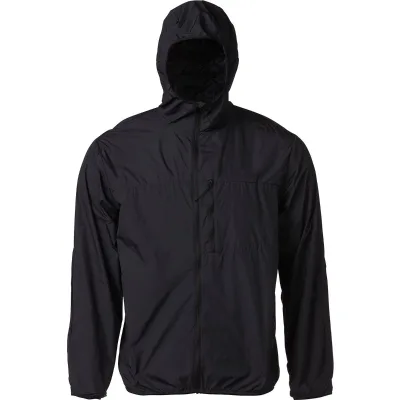
Waterproof Windbreaker Jacket Mens Rain Jacket Lightweight Packable Travel
$9.19 - $15.99
MOQ: 100 Pieces


Fashionable Waterproof Windbreaker Jacket with Hood for All Weather Protection
$13.60 - $15.30
MOQ: 500 Pieces




Comprehensive Sourcing Guide
Strategic Sourcing Guide for Waterproof Windproof Leather Jackets
Understanding Technical Specifications and Material Composition
When sourcing waterproof and windproof leather jackets, buyers must first distinguish between genuine leather constructions and synthetic alternatives that mimic leather aesthetics while offering superior weather resistance. The supplied product data indicates a diverse range of material compositions available in the current market. While the core keyword specifies "leather," the observed inventory includes significant quantities of PU (Polyurethane) materials, which are frequently marketed as leather-like or faux leather alternatives. These PU-based products are often highlighted for their specific performance attributes, including windproof, waterproof, dust-proof, and breathable capabilities.
The technical performance of these garments relies heavily on the fabric construction and coating technologies employed. For instance, observed specifications list tensile strength values exceeding 2000n, a critical metric for ensuring the jacket can withstand mechanical stress without tearing during active use. Additionally, weight specifications range from 180 to 300g/m², indicating that buyers can select jackets based on their intended climate severity; lighter weights are suitable for transitional seasons like Spring/Autumn, while heavier constructions may be preferred for Winter conditions.
Breathability is a paramount feature in modern waterproof outerwear to prevent moisture buildup from perspiration. The available product data explicitly lists "Breathable" as a standard feature alongside windproof and waterproof claims. This suggests that the sourcing strategy should prioritize suppliers who utilize advanced membrane technologies or micro-porous coatings that allow vapor transmission while blocking liquid water. Furthermore, the presence of Anti-UV and Anti-Static features in the product attributes indicates that high-performance jackets are designed to offer protection against environmental elements beyond just rain and wind. Buyers should verify if the specific leather or PU material selected includes these additional protective layers, as they significantly impact the garment's longevity and comfort in varied environments.
Compliance, Certification, and Safety Standards
Navigating the regulatory landscape is essential for B2B procurement, particularly when importing apparel from international markets. The supplied data reveals that certain products in the category carry specific certifications, including CE, ENSASO, and REACH. These certifications are critical for ensuring that the garments meet safety and environmental standards required for sale in major markets, particularly the European Union. CE marking, for example, often indicates conformity with health, safety, and environmental protection standards for products sold within the EEA. REACH compliance ensures that the chemicals used in the manufacturing process, including those in the PU coatings and leather treatments, do not pose risks to human health or the environment.
Beyond certifications, buyers must scrutinize the chemical safety parameters of the materials. The product data provides specific numerical ranges for pH levels, noting a range of 4-7.5, which is generally considered safe for skin contact and indicates a balanced chemical environment that minimizes the risk of irritation. Similarly, formaldehyde content is listed as less than 75, a crucial metric for ensuring the absence of harmful volatile organic compounds that could off-gas from the jacket. When evaluating potential suppliers, procurement teams should request test reports that verify these specific values rather than relying on general claims.
It is important to note that not all products in the category may carry the same certification status. The data shows a mix of certified and non-certified items, meaning that a buyer's selection process must include a rigorous verification step. For instance, while some models are explicitly marked with CE and REACH compliance, others may lack these designations. Buyers should establish a clear requirement matrix that mandates specific certifications based on their target market regulations. Additionally, the "Workmanship: Welded Seams" attribute observed in the data suggests a construction method that enhances waterproof integrity by eliminating needle holes, a feature that should be verified against the specific standards required for the intended application, such as riding or walking in heavy rain.
Cost Drivers and Pricing Dynamics
The pricing structure for waterproof and windproof jackets is influenced by a complex interplay of material costs, customization requirements, and order volumes. The observed price range in the market spans from $2.80 to $57.54 USD, a significant variance that reflects differences in material quality, brand positioning, and production complexity. The lower end of this spectrum likely corresponds to basic PU-based jackets with standard features, while the higher end may involve genuine leather, advanced membrane technologies, or extensive customization.
Minimum Order Quantity (MOQ) is a primary driver of unit cost. The data indicates an MOQ range from 2 to 1000 pieces. Suppliers with higher MOQ requirements, such as the 1000-piece threshold observed for certain models, typically offer lower per-unit costs due to economies of scale. Conversely, suppliers offering low MOQs (e.g., 2 pieces) often charge a premium to cover the setup costs of small-batch production. Buyers must balance their inventory needs against their budget constraints; a strategy that requires a large initial investment to secure lower unit prices may be viable for established brands, whereas startups might prioritize flexibility over cost efficiency.
Customization is another significant cost factor. The product data confirms that customization is available, with options for customized labels, logos via printing, and even customizable yarn counts (e.g., 400d, 900d). These value-added services require additional production steps, tooling, and quality control measures, which inevitably increase the final price. The "Design: ODM/OEM" attribute further suggests that buyers can engage in co-development, which adds to the cost but allows for unique product differentiation. When negotiating with suppliers, buyers should clearly define the scope of customization to avoid unexpected cost overruns. Additionally, packaging requirements, such as the use of cartons versus plastic bags, can impact logistics costs and should be factored into the total landed cost calculation.
Typical Applications and User Segmentation
The versatility of waterproof and windproof jackets allows them to serve a wide array of applications, ranging from casual wear to specialized industrial use. The product data highlights several distinct usage scenarios, including "For Riding" and "For Walking," as well as an application category of "On Foot." This indicates that the market offers specialized designs tailored to specific activities. For example, jackets designed for riding may feature reinforced stitching, specific cut patterns for ergonomic movement, and enhanced durability to withstand abrasion.
Gender and age segmentation also play a crucial role in product selection. The observed inventory includes options for "Men," "Women," and "Unisex" users, with an age group specification of "Adult." This diversity allows buyers to target specific demographics based on their market strategy. The "Free Size" specification suggests a one-size-fits-all approach for certain models, which can simplify inventory management but may limit fit options for specific body types. Buyers should evaluate whether their target market requires a broad size range or if a limited size strategy is sufficient.
Seasonal considerations are equally important. The data lists products suitable for "Winter" as well as "Spring / Autumn." Winter-specific jackets likely incorporate thicker insulation or more robust waterproofing to handle extreme conditions, while Spring/Autumn models may prioritize breathability and lighter weight for milder weather. The "Raincoat Capacity: Single" attribute further clarifies that these garments are designed for individual use, distinguishing them from bulk protective gear. Understanding these application nuances helps buyers align their procurement with the specific needs of their customer base, ensuring that the selected jackets perform effectively in their intended environments.
Supplier Evaluation and Quality Control Protocols
Selecting the right supplier requires a rigorous evaluation process that goes beyond price and basic product descriptions. The observed product data reveals that manufacturers are located in various regions, including "Made in China" and specifically "Hubei, China (Mainland)." While these locations indicate a concentration of manufacturing capability, buyers should not assume uniform quality across all facilities. Instead, they should conduct due diligence on specific factories, verifying their production capacity, quality control systems, and track record.
Quality control should be a continuous process rather than a one-time check. The "Workmanship: Welded Seams" feature observed in the data is a specific quality indicator that buyers should verify through physical inspection or third-party testing. Welded seams are superior to stitched seams for waterproofing, as they eliminate potential leak points. Buyers should request samples that demonstrate this construction method and test them for water penetration under pressure. Additionally, the "Disposable: Non-Disposable" attribute confirms that these are durable goods, but buyers must ensure that the durability claims are backed by actual performance data.
Testing for physical properties is essential. The data lists specific metrics such as tensile strength (>2000n) and pH levels (4-7.5). Buyers should require suppliers to provide recent test reports that validate these figures. For materials like Cordura Fabric, which is mentioned in the data, verification of the fabric's origin and quality is necessary to ensure it meets the expected durability standards. Furthermore, the "Sample: Can Provide" attribute indicates that suppliers are willing to send samples, which is a critical step in the evaluation process. Buyers should order samples to personally assess the fit, finish, and performance of the jackets before committing to a large order.
Long-Term Procurement and Supply Chain Resilience
Building a sustainable procurement strategy involves more than just securing a single order; it requires establishing a resilient supply chain that can adapt to changing market demands. The availability of customization options, such as "Customized" labels and "Printing" logos, suggests that suppliers are capable of supporting long-term branding efforts. However, buyers should assess the supplier's ability to maintain consistency in these customizations over time. Variations in logo printing quality or label placement can damage brand reputation, so clear quality standards must be established and enforced.
Lead times and production capacity are critical factors for long-term planning. While the supplied data does not explicitly state lead times, the MOQ and production standards (e.g., "604030" or "504037" cm packaging dimensions) provide clues about the scale of operations. Buyers should negotiate clear delivery schedules and build in buffer time for potential delays. The "Cartons" and "Plastic Bag and Carton Box" packaging options also impact logistics; standardized packaging can reduce shipping costs and damage rates, making it a priority for long-term contracts.
Finally, the ability to scale production is vital for growth. The wide range of observed MOQs (2 to 1000) indicates that the market offers flexibility for both small and large orders. However, buyers should identify suppliers who can scale up production without compromising quality. This might involve evaluating the supplier's factory capacity, workforce stability, and raw material sourcing capabilities. By fostering strong relationships with reliable suppliers and maintaining open communication channels, buyers can ensure a steady supply of high-quality waterproof and windproof jackets that meet their evolving business needs.
FAQs
Can I customize the label and logo on these jackets?
Yes, customization is available for labels and logos via printing. Buyers can request customized labels and printing options to align with their brand identity, though specific design requirements may affect the final unit cost and production timeline.
What certifications do these jackets meet for international markets?
Some models carry CE, ENSASO, and REACH certifications for safety and environmental compliance. Buyers should verify specific test reports for these standards as not all products in the category may hold the same certification status.
What is the typical minimum order quantity for these jackets?
The minimum order quantity ranges from 2 to 1000 pieces depending on the supplier and model. Higher MOQs like 1000 pieces often result in lower per-unit costs, while lower MOQs offer flexibility for smaller inventory needs.
How is the waterproof integrity ensured in the construction?
Certain models utilize welded seams to enhance waterproof integrity by eliminating needle holes. This construction method prevents potential leak points, making the jackets suitable for riding or walking in heavy rain conditions.
Which materials are used for these waterproof windproof jackets?
Materials include PU, Cordura Fabric, and various synthetic alternatives mimicking leather aesthetics. The fabric weight typically ranges from 180 to 300g/m², allowing selection based on intended climate severity and durability requirements.
Are these jackets suitable for winter and spring seasons?
Yes, the inventory includes options for both Winter and Spring/Autumn seasons. Buyers can select lighter weights for transitional weather or heavier constructions for winter conditions based on the specific seasonal requirements of their target market.