Source Waveform Synthesis Signal Generator for testing, R&D, and calibration
Explore 30 Waveform Synthesis Signal Generator options from verified suppliers. Compare specifications like frequency range, output types, and modulation features to find the right device for testing, R&D, and calibration applications; compare the available evidence and request quotations based on your requirements.
Updated
Key considerations
Products List




Comprehensive Sourcing Guide
Waveform Synthesis Signal Generator Sourcing Guide
Procuring waveform synthesis signal generators requires a disciplined approach to align technical performance with specific test and measurement needs. These devices are essential for validating electronic circuits, ensuring signal integrity, and characterizing component behavior across various frequency ranges. Buyers must distinguish between basic module-level components and complete benchtop instruments, as the sourcing strategy differs significantly for each category. Understanding the distinction between simple function generators and high-precision sine wave synthesizers is critical for defining accurate technical requirements.
The market offers a diverse range of options, from compact PCB-integrated modules to robust desktop units with advanced modulation capabilities. Sourcing decisions should be driven by the intended application environment, whether it involves laboratory bench testing, industrial rack mounting, or embedded system integration. Buyers need to evaluate the trade-offs between portability, output power, and spectral purity to select the most appropriate hardware for their specific engineering challenges.
Product Scope and Observed Listing Signals
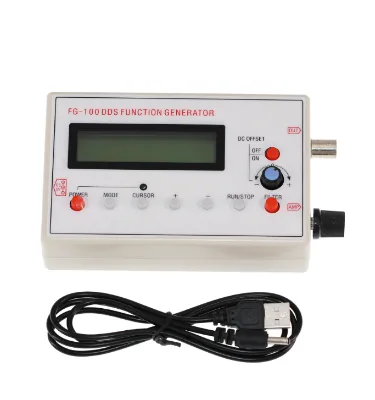
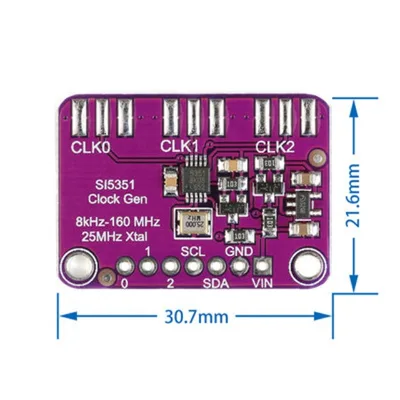
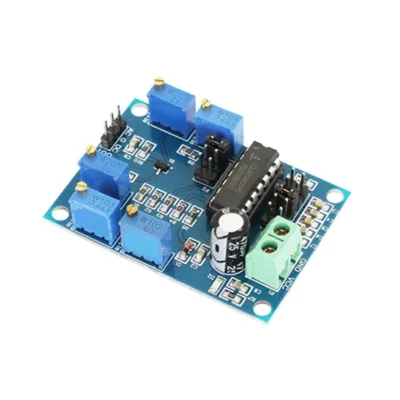
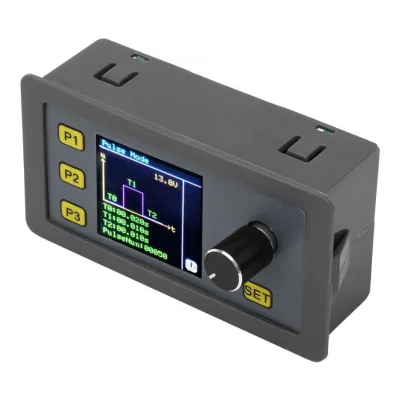
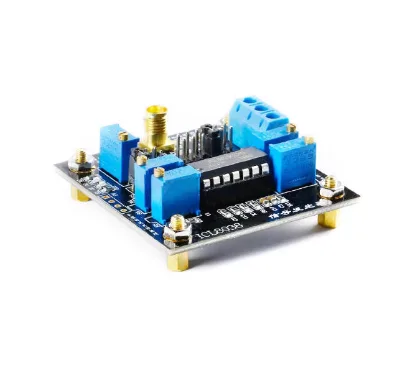
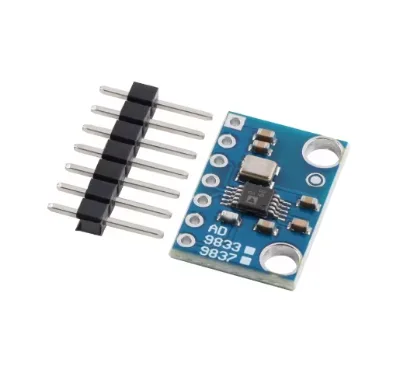
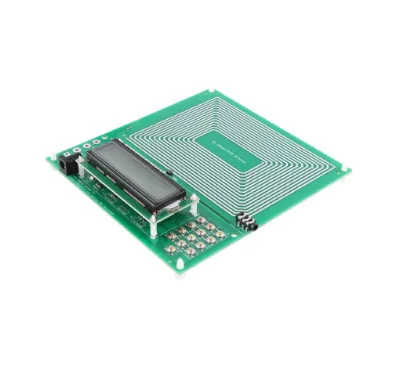
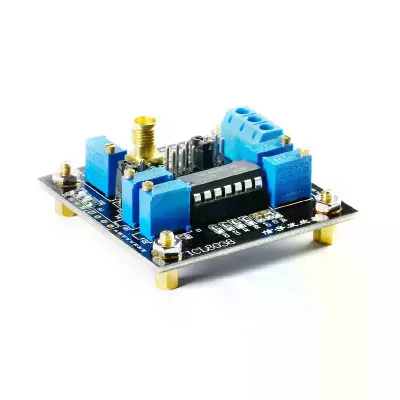
The observed product landscape includes both integrated modules and standalone signal generators, reflecting a broad spectrum of buyer needs. Listings indicate the presence of function signal generator modules with specific PCB dimensions, such as 30.7mm by 21.6mm and 54.5mm by 37.8mm, which are suitable for embedded applications. These modules typically support triangular, square, and sinusoidal outputs, providing essential waveform synthesis capabilities for circuit development and testing in compact form factors.
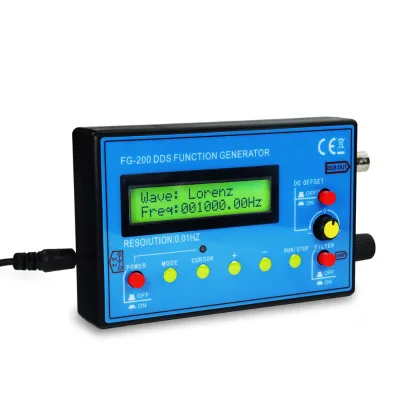
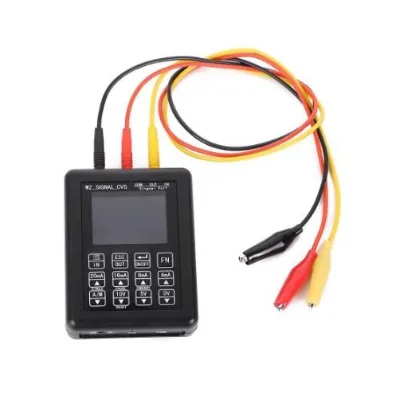
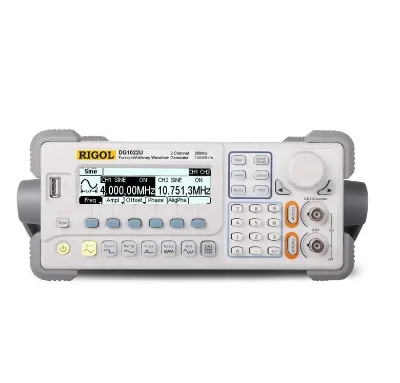
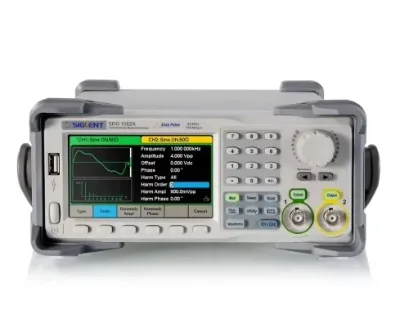
In contrast, complete benchtop units like the TFG series offer more comprehensive features, including digital or TFT displays and metal chassis housing. These instruments often support advanced modulation types, such as pulse modulation, and provide precise frequency resolution down to 3Hz. Buyers should note that product models vary significantly, ranging from standard modules to complex synthesizers with phase noise specifications as low as -115dBc, indicating a wide range of performance tiers available in the market.
Technical Specifications to Verify
Frequency range and output impedance are primary technical parameters that must be verified against application requirements. Observed listings show frequency ranges extending from 10Hz to 450kHz for certain modules, while other units may support broader spans. Output impedance values, such as 85MΩ, and input voltage ranges between 3.3V and 15V, dictate compatibility with existing test setups. Buyers must ensure that the signal generator’s electrical characteristics match the input requirements of the devices under test to prevent loading effects or signal degradation.
Waveform purity and stability metrics, including duty cycle range and low temperature drift, are equally critical for precision applications. Specifications such as a duty cycle range of 2% to 98% and low temperature drift of 50ppm/℃ indicate the stability of the generated signals under varying environmental conditions. Additionally, phase noise performance, observed in some units to be between -90dBc and -115dBc, is vital for applications requiring high spectral purity. Buyers should verify these parameters to ensure the signal generator meets the stringent requirements of sensitive electronic measurements.
Compliance and Safety Documentation
Safety and regulatory compliance are mandatory for any electronic test equipment entering commercial or industrial environments. Listings indicate that some manufacturers hold ISO9001 and CCC certifications, which provide assurance of quality management systems and regional safety standards. Buyers must request valid certification documents to verify that the equipment meets the necessary electrical safety and electromagnetic compatibility requirements for their specific market. This verification process helps mitigate risks associated with non-compliant hardware and ensures operational safety.
Physical safety features, such as anti-static protection and robust metal chassis housing, contribute to the longevity and reliability of the equipment. These features protect both the instrument and the user from electrostatic discharge and physical damage during routine handling. Buyers should also consider the installation options, such as desktop or rack-mountable configurations, to ensure the equipment fits seamlessly into existing laboratory or production line infrastructure. Proper documentation of these safety attributes is essential for maintaining a compliant and safe testing environment.
Cost Drivers and Commercial Terms
Pricing for waveform synthesis signal generators varies widely based on complexity, features, and brand reputation. Observed price ranges span from approximately $1.24 for basic modules to over $19,000 for high-end benchtop synthesizers. This significant variance reflects differences in output power, frequency resolution, and modulation capabilities. Buyers should align their budget with the specific technical requirements of their projects, avoiding over-specification for simple tasks or under-specification for critical measurements.
Minimum order quantities (MOQ) and customization options also influence commercial terms. Listings show MOQs ranging from 1 to 10 units, with OEM/ODM services available for larger orders. Buyers seeking custom solutions should engage suppliers early to discuss packaging, branding, and specific technical modifications. Understanding these commercial terms helps in negotiating favorable contracts and managing inventory levels effectively, ensuring that procurement aligns with both technical needs and financial constraints.
Supplier Qualification and Quality Control
Supplier qualification is a critical step in ensuring the reliability and consistency of waveform synthesis signal generators. Buyers should verify the supplier’s manufacturing capabilities, including their ability to provide OEM/ODM services and maintain consistent quality standards. The presence of certifications like ISO9001 suggests a structured quality management system, but buyers should also assess the supplier’s track record and customer feedback. Engaging with suppliers who offer comprehensive technical support and after-sales service can enhance the overall procurement experience.
Quality control measures, such as rigorous testing of output signal duty cycle and frequency accuracy, are essential for maintaining product performance. Buyers should request detailed test reports and calibration certificates to verify that each unit meets the specified technical parameters. Additionally, considering the supplier’s location, such as Guangdong, China, can provide insights into the supply chain dynamics and potential lead times. Establishing clear quality expectations and verification processes helps mitigate the risk of receiving non-conforming products.
Long-Term Procurement Checks
Long-term procurement success depends on establishing robust relationships with suppliers and implementing continuous performance monitoring. Buyers should regularly review supplier performance metrics, including delivery times, product quality, and responsiveness to technical queries. Maintaining open communication channels allows for timely resolution of issues and facilitates future collaborations on custom projects. Regular audits of supplier quality systems can also help ensure ongoing compliance with agreed-upon standards and specifications.
Technological advancements in signal generation require buyers to stay informed about emerging trends and new product offerings. Periodic reviews of the market landscape can help identify opportunities for upgrading equipment or optimizing costs. Buyers should also consider the lifecycle management of their signal generators, including maintenance, calibration, and eventual replacement strategies. By proactively managing these aspects, organizations can ensure that their test and measurement infrastructure remains reliable, efficient, and aligned with evolving engineering requirements.
FAQs
What output waveforms does the module generate?
The module generates triangular, square, and sinusoidal waveforms. It supports a frequency range of 10Hz to 450kHz with a duty cycle range of 2% to 98%. The output signal duty cycle is 50%, and the triangular wave output linearity is 0.1%. This ensures versatile signal generation for various testing applications.
What are the input voltage requirements?
Input voltage requirements vary by model. Some modules operate on 3.3V to 5V, while others require 12V to 15V. The operating temperature ranges from -40℃ to +85℃ or 0℃ to +70℃ depending on the specific unit. This flexibility allows integration into diverse electronic systems with different power standards.
Can the product be customized for OEM projects?
Yes, OEM and ODM customization is available. The product supports OEM/ODM customization, allowing buyers to tailor specifications to their needs. This service is suitable for businesses requiring specific functional applications or branding. Buyers can contact suppliers directly to discuss custom requirements and ensure the module meets their exact project specifications.
What certifications do the signal generators hold?
The signal generators hold ISO9001 and CCC certifications. These certifications indicate compliance with quality management and safety standards. Buyers can rely on these credentials for regulatory compliance in various markets. The products are manufactured in Guangdong, China, ensuring consistent quality control throughout the production process for reliable performance.
What is the packaging and shipping standard?
Products are packed in cartons or carton packages. Standard dimensions vary, such as 386*256*123 mm or 392*452*272 mm, depending on the model. This packaging ensures safe transport and storage. Buyers should verify specific packaging dimensions with suppliers to optimize logistics and storage space for their inventory requirements.
What is the minimum order quantity for these modules?
The minimum order quantity ranges from 1 to 10 units. This low MOQ allows buyers to test samples or order small batches. It is ideal for prototyping or small-scale production runs. Buyers can start with minimal investment to evaluate product performance before committing to larger orders with their suppliers.
What is the price range for these generators?
The observed price range is 1.24 to 19412 USD. Prices vary significantly based on model specifications, features, and order volume. Basic modules are affordable, while advanced units with digital displays and lower phase noise cost more. Buyers should request quotes for specific models to get accurate pricing for their budget.