Source Wedding Glass Vase for Home Decor, Events, and Tabletop
Compare 28 Wedding Glass Vase options from verified suppliers in China. Buyers can review sizes, styles, and customization details for home decor, events, and tabletop arrangements. These items feature clear glass, blown processing, and various dimensions suitable for modern settings.
Key considerations
Products List


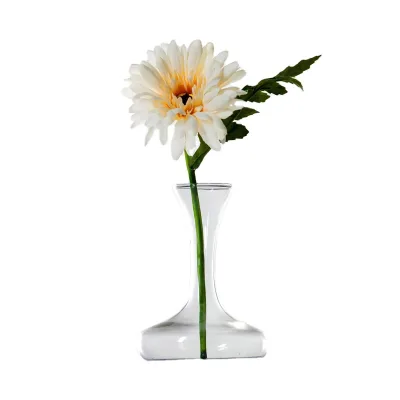
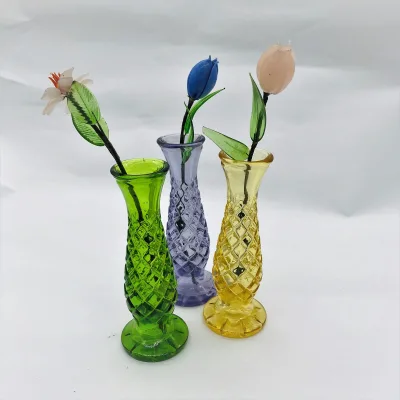
Wedding Glass Vases Wholesale Decor Many Style Glass Flower Vase Home Decoration
$0.50 - $2.00
MOQ: 3000 Pieces


Comprehensive Sourcing Guide
Wedding Glass Vase Sourcing Guide
Sourcing wedding glass vases requires balancing aesthetic precision with logistical reliability, as these items serve as central decorative elements for high-stakes events. Buyers must navigate a market where style, size, and material transparency directly impact the final visual impact of table settings. The observed product landscape indicates a strong preference for modern, everyday designs that can be customized to fit specific wedding themes, ranging from minimalist clear glass to bold black finishes. Understanding these stylistic nuances is the first step in defining a successful procurement strategy that aligns with the event's overall design narrative.
Procurement teams should also consider the functional aspects of these vases, such as their suitability for tabletop use and their capacity to hold floral arrangements securely. The availability of customization options, including logo printing and OEM/ODM services, allows for branded or thematic consistency across large wedding parties. However, this flexibility introduces complexity in quality control, as each custom variation must meet strict dimensional and aesthetic standards. Buyers need to establish clear communication channels with suppliers to ensure that custom requests are accurately interpreted and executed without compromising the structural integrity of the glass.
Product Scope and Observed Listing Signals
The current market signals reveal a diverse range of glass vase models, with specific product codes like GA278-42K and JT0362P-1 indicating varied dimensions and styles. Listings frequently highlight attributes such as "blown" processing and "transparent" glaze types, which are critical for achieving the desired light refraction and elegance in wedding decor. The presence of both large and small size options suggests that buyers can source complementary sets for different table arrangements, from centerpieces to side tables. This variety allows for a cohesive yet dynamic visual experience, provided that the selected models share consistent design language and quality standards.
Color options observed include clear and black finishes, catering to both traditional and contemporary wedding palettes. The "modern" age classification and "fashion" style attributes suggest that these vases are designed to appeal to current trends rather than classic, timeless aesthetics. Additionally, the mention of "wedding" as a specific occasion confirms their targeted application, while the "carton" packing method indicates standard industrial packaging suitable for bulk shipping. Buyers should verify that the observed colors and styles match the physical samples provided, as digital representations may not accurately reflect the true hue or finish of the glass.
Technical Specifications to Verify
Dimensional accuracy is paramount when sourcing wedding glass vases, as even minor deviations can disrupt the symmetry of table arrangements. Buyers must verify specific height and diameter measurements, such as the 2042cm H or 188*25cm H standards observed in listings, to ensure compatibility with floral designs and table space. The "customized" size option offers flexibility but requires precise technical drawings and approval processes to avoid production errors. It is essential to confirm that the supplier can maintain tight tolerances across large orders, as inconsistent sizing can lead to significant logistical and aesthetic issues during event setup.
Material composition and processing methods also require close scrutiny, with "normal glass" and "blown" techniques being common in the observed data. Buyers should request material safety data sheets to confirm the type of glass used, ensuring it is free from harmful substances and suitable for long-term display. The "clear grav" and "amhargroondainhow" attributes, while unclear, suggest potential surface treatments or engraving options that may affect durability and appearance. Verifying these technical details through sample testing and supplier documentation is crucial to ensuring that the vases meet both aesthetic and functional requirements for wedding use.
Compliance and Safety Documentation
While specific certifications like REACH are mentioned in background data, buyers must independently verify the compliance status of each supplier to ensure adherence to international safety standards. Wedding vases often come into contact with water and floral preservatives, so it is critical to confirm that the glass is chemically stable and does not leach harmful substances. Buyers should request test reports from accredited laboratories to validate the safety of the materials used, particularly if the vases are intended for use in regions with strict regulatory requirements. This due diligence protects both the buyer and the end consumer from potential health risks associated with non-compliant products.
Additionally, buyers should ensure that the packaging materials used for shipping are also compliant with environmental regulations, especially if the supplier is located in regions with varying environmental standards. The "carton" packing observed in listings should be evaluated for its durability and recyclability, as sustainable packaging is increasingly important to modern consumers. Suppliers should provide documentation confirming that their packaging processes do not involve prohibited substances and that the materials are suitable for international shipping. This comprehensive approach to compliance ensures that the procurement process aligns with both safety and sustainability goals.
Cost Drivers and Commercial Terms
Pricing for wedding glass vases is influenced by several factors, including material quality, processing complexity, and customization requirements. The observed price range of 0.1-5 USD suggests a wide spectrum of options, from basic mass-produced items to higher-end custom designs. Buyers should analyze the cost breakdown to understand how factors like logo printing, OEM/ODM services, and specific size requirements impact the final price. It is important to negotiate clear pricing structures that account for volume discounts and potential additional fees for customizations, ensuring that the total cost remains within budget constraints.
Minimum Order Quantities (MOQs) vary significantly, with observed ranges from 2 to 15,000 units, reflecting the flexibility of different suppliers. Buyers with smaller orders may face higher per-unit costs, while those with larger volumes can leverage economies of scale. It is crucial to clarify the MOQ requirements and any associated penalties for order deviations, as these can impact overall procurement costs. Additionally, buyers should inquire about sample costs and lead times, as these factors can affect the timeline and budget for the procurement process. Clear commercial terms help mitigate financial risks and ensure a smooth transaction.
Supplier Qualification and Quality Control
Selecting a reliable supplier is critical for ensuring the quality and consistency of wedding glass vases. Buyers should conduct thorough due diligence, including verifying the supplier's production capabilities, quality control processes, and past performance. The observed "Guangdong, China" origin suggests a concentration of manufacturing expertise in this region, but buyers should still assess individual supplier credentials. Requesting references and conducting factory audits can provide valuable insights into the supplier's operational standards and commitment to quality. This proactive approach helps identify potential risks and ensures that the supplier can meet the buyer's expectations.
Quality control measures should be established early in the procurement process, including clear specifications for materials, dimensions, and finishes. Buyers should implement a robust inspection regime, including pre-production samples and final random inspections, to catch any defects before shipment. The observed "sample time" of 10 days indicates that suppliers can provide samples relatively quickly, allowing for timely feedback and adjustments. Establishing a clear communication channel for quality issues and defining acceptable defect rates are essential steps in maintaining product consistency and customer satisfaction.
Long-Term Procurement Checks
Building a long-term relationship with a reliable supplier requires ongoing monitoring and evaluation of performance metrics. Buyers should track key indicators such as on-time delivery, product quality, and responsiveness to issues to ensure that the supplier continues to meet expectations. Regular communication and feedback sessions can help identify areas for improvement and strengthen the partnership. Additionally, buyers should stay informed about market trends and technological advancements in glass manufacturing to ensure that their procurement strategy remains competitive and aligned with evolving customer preferences.
Sustainability and ethical sourcing practices should also be considered in long-term procurement strategies. Buyers should evaluate the supplier's environmental policies and social responsibility initiatives to ensure alignment with their own corporate values. This may include assessing the supplier's waste management practices, energy usage, and labor standards. By prioritizing sustainable and ethical sourcing, buyers can enhance their brand reputation and contribute to a more responsible supply chain. Continuous improvement and adaptation are key to maintaining a successful and resilient procurement operation in the long run.
FAQs
What sizes of wedding glass vases are available for bulk orders?
Listed Wedding Glass Vase sizes range from small 9*12.7cm pieces to large 20*42cm heights, with medium options around 13*22.5cm and 14.6*22.3cm. Many listings also support customized dimensions, so you can request specific heights and diameters for table centerpieces or floor arrangements. Confirm the exact size specification with the factory before sampling, since tolerances on hand-blown glass can vary slightly.
Can I customize the shape, color, or logo on wedding glass vases?
Yes, customization is available on these clear blown-glass vases, including fashion shapes, colors such as black, and branded logo options. Suppliers list OEM and ODM services as acceptable, with sample time around 10 days. Provide your artwork and desired dimensions early, since custom molds or finishes may extend the sampling and production timeline compared with stocked clear designs.
What is the typical MOQ for wedding glass vases?
MOQs vary widely by design and supplier. Some listings state a low MOQ of 5 pieces for larger statement vases, while other stocked models require 2000 units. Smaller decorative pieces often sit between these ranges. Always confirm the MOQ for your chosen model, because size, customization level, and whether the item is stocked all affect the minimum order requirement.
How are wedding glass vases packed for shipping?
These vases are packed in cartons as single items, which is the standard packing method shown in the listings. Because glass is fragile, buyers should confirm inner packaging such as bubble wrap or dividers when discussing bulk orders. For sea freight, request reinforced cartons and clearly state destination requirements so the supplier can match packing to transit conditions.
Where are these wedding glass vases produced?
The vases are made in China, with several listings specifically from Guangdong province. This region is a major hub for glassware manufacturing, offering blown-glass processing and customization services. When comparing candidates, ask each factory for production capacity, sample lead time around 10 days, and shipping options from Guangdong ports to your destination market.
What material and finish are used in these wedding glass vases?
The vases are made of normal glass with a transparent glaze and a clear finish, processed by glass blowing. Some models come in black or gray-tinted finishes for modern styling. Clear glass suits wedding floral arrangements because it showcases stems and water levels. Request material specifications and finish samples before mass production to verify clarity and consistency.
How long does it take to get a Wedding Glass Vase sample?
Listed sample times are around 10 days, and suppliers state samples can be provided. For customized shapes or colors, sampling may take longer because new molds or finishing setups must be prepared. Budget for shipping time in addition to the production of the sample, and approve the sample in writing before confirming the bulk order.
Which occasions and settings suit these glass vases besides weddings?
Although marketed for weddings, these vases suit everyday home use as decorative tabletop pieces. Sizes from small 12.7cm to large 42cm heights work for dining tables, event halls, hotel lobbies, and retail displays. The fashion styling and transparent or black finishes blend with modern decor themes, making them practical for wedding planners and home decor retailers alike.