Find Wedding Flower Vase for Home Decor, Events, and Personal Care
Source 30 options for a Wedding Flower Vase featuring glass and ceramic materials with blown processing. Buyers can compare sizes, glaze types, and customization support from suppliers in China.
Key considerations
Products List


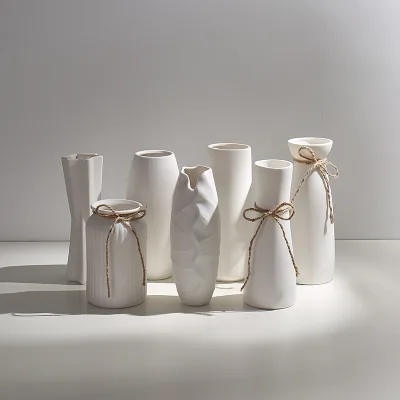

Custom Ceramic Flower Vase Simple Gift Flower Vase Indoor Decoration Flower Vase
$1.00 - $3.00
MOQ: 3000 Pieces


Round Ceramic Decorative Vase Custom Gift Flower Vase Modern Ceramic Vase
$1.00 - $3.00
MOQ: 3000 Pieces


Wedding Glass Vases Wholesale Decor Many Style Glass Flower Vase Home Decoration
$0.50 - $2.00
MOQ: 3000 Pieces


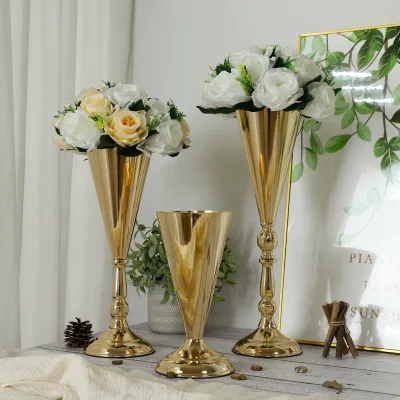


Comprehensive Sourcing Guide
Strategic Sourcing Guide for Wedding Flower Vases
Understanding Product Attributes and Material Composition
When sourcing wedding flower vases, the primary distinction lies in the material composition and the intended aesthetic application. The market offers a diverse range of options, but for wedding contexts, the most prevalent materials observed are glass and ceramic. Glass vases are frequently characterized by a blown processing method, which allows for unique, organic shapes that are highly desirable for floral arrangements. These products often feature a transparent or clear glaze type, ensuring that the water level and stem arrangement remain visible, adding a layer of elegance to the centerpiece. The style is consistently categorized as "Fashion," indicating that these items are designed to align with current interior design trends rather than serving purely utilitarian purposes.
In contrast, ceramic options present a different visual profile. These vases often come in specific colors such as white or clear, with a conical shape that provides a modern, streamlined look. The processing for ceramic items differs significantly from blown glass, typically involving molding and firing. A critical observation in the current market is the availability of customization. Buyers can often request specific glaze types, including color glazed finishes, to match a wedding's color palette. The "Age" attribute for these products is generally listed as "Modern" or "Everyday," suggesting that while they are suitable for high-end events, they possess a timeless quality that prevents them from appearing dated in future settings.
The size specifications are equally critical for wedding planning. Vases are typically categorized into small, medium, and large sizes, with specific dimensions provided for each model. For instance, some models are defined by precise height and width measurements, such as 1315.5cm H for smaller arrangements or 1537cm H for larger, statement pieces. The "Suitable for" attribute confirms that these items are designed for home and event use, making them versatile for both the rehearsal dinner and the main reception. The theme often revolves around flowers, reinforcing their primary function as a vessel for floral displays.
Technical Specifications and Dimensional Standards
Precision in technical specifications is paramount when ordering wedding vases, as the dimensions directly impact the floral design and table layout. The product data indicates a variety of standard sizes, ranging from compact dimensions like 1030cm to larger formats such as 188*25cm H. These specifications are not merely descriptive; they are functional constraints that buyers must adhere to when coordinating with florists. The "prod_model" identifiers, such as 10628, 2025-25, and 2171-25, serve as unique references for specific design iterations, ensuring that the ordered item matches the visual sample provided.
The "Size" attribute is further broken down into specific categories: Small, Medium, and Large. This classification helps buyers quickly identify the scale of the vase relative to the venue and the floral arrangement. For example, a "Large" vase might be required for a grand entrance or a long banquet table, while "Small" vases are ideal for intimate settings or as part of a mixed arrangement. The "Standard" field often provides the exact height and width, such as 16.725cm H or 14.533cm H, which are essential for calculating the volume of water needed and the stability of the arrangement.
Packaging standards also play a significant role in the technical evaluation of the product. Most vases are packed in cartons, with some larger or more fragile items requiring a "Carton+Pallet" configuration to ensure safe transport. The "Number of Pieces" is typically listed as 1, indicating that these are sold as individual units rather than sets, which allows for greater flexibility in mixing and matching different styles for a wedding theme. The "Item Weight" is another critical technical specification; for instance, a ceramic vase might weigh 1.6 Pounds, a factor that influences shipping costs and the structural requirements of the table setup. Buyers must verify these weights to ensure that the chosen vases can support the weight of the flowers and water without tipping.
Compliance, Certification, and Safety Standards
In the B2B procurement of wedding supplies, compliance with safety and environmental standards is a non-negotiable requirement. While the specific certification status of every supplier varies, the market does include products that have undergone rigorous testing. One notable certification observed in the product data is REACH, which stands for Registration, Evaluation, Authorisation and Restriction of Chemicals. This regulation is particularly relevant for products intended for the European market or for buyers who prioritize chemical safety. Ensuring that the vases meet REACH standards guarantees that the materials used, including the glaze and the glass or ceramic body, do not contain harmful substances that could leach into the water or pose a health risk to guests.
Buyers must also verify the "prod_standard" listed for each item. In some cases, this standard refers to the physical dimensions, such as 18825cm H, while in others, it may refer to a broader material standard like "glass." It is crucial to distinguish between these two types of standards. A dimension-based standard ensures the product fits the design brief, while a material-based standard confirms the quality and safety of the raw materials. For wedding events, where the vases are often in close proximity to food and guests, the integrity of the glaze is paramount. The "Glaze Type" is listed as "as Shown in The Picture" or "Transparent," but buyers should request specific test results to confirm that the glaze is food-safe and lead-free, especially if the vases are intended for holding water that might be accidentally ingested or if they are used in conjunction with food displays.
The "Sealing Type" attribute is listed as "No," indicating that these vases are open-top vessels. This design choice simplifies the cleaning process and allows for easier arrangement of flowers, but it also means that buyers must ensure the material is non-porous to prevent water absorption and bacterial growth. For ceramic vases, the firing process must be sufficient to create a vitrified surface that is impervious to water. Buyers should inquire about the specific firing temperatures and the quality control measures taken to ensure that no micro-cracks exist, which could compromise the vase's structural integrity during transport or use.
Cost Drivers and Pricing Dynamics
The pricing of wedding flower vases is influenced by a complex interplay of factors, including material cost, processing complexity, and customization requirements. The observed price range in the market spans from $0.30 to $5.50 USD, a wide spectrum that reflects the diversity of product quality and design. The lower end of this range typically corresponds to mass-produced, standard-sized glass or ceramic vases with minimal customization. These items often utilize automated blowing or molding processes and are sold in high volumes, which drives down the unit cost.
Conversely, the higher end of the price range is associated with vases that feature custom glazes, unique shapes, or specialized packaging. The "Customization" attribute is a significant cost driver; buyers who request specific colors, logos, or dimensions will incur higher costs due to the setup fees and the slower production rates associated with bespoke manufacturing. The "OEM/ODM" support offered by many suppliers further complicates the pricing structure, as it involves additional engineering and design time.
The "MOQ" (Minimum Order Quantity) is another critical factor in determining the final cost. The observed MOQ range is between 5 and 5000 units. For small weddings or boutique event planners, an MOQ of 5 or 2000 units might be manageable, but for large-scale events requiring hundreds of identical vases, the economies of scale become more apparent. Suppliers often offer tiered pricing, where the unit cost decreases as the order volume increases. However, buyers must balance the cost savings against the risk of overstocking, as wedding vases are often single-use items for the event, though they can be reused for home decor.
The "Sample" availability is also a cost consideration. While many suppliers offer samples, the cost of these samples and the shipping fees can add to the initial procurement budget. Buyers should factor in the time and cost required to evaluate samples before committing to a large order. Additionally, the "prod_packing" method, whether it is a simple carton or a more elaborate color box, will impact the overall cost. Premium packaging is often necessary for high-end weddings but will increase the per-unit price significantly.
Supplier Evaluation and Procurement Strategy
Selecting the right supplier is a critical step in the procurement process, requiring a thorough evaluation of their capabilities, reliability, and alignment with the buyer's needs. The "prod_origin" is listed as China or Jiangsu, indicating that the majority of these products are manufactured in these regions. While this provides access to a vast network of manufacturers, it also necessitates a robust due diligence process to ensure quality and compliance. Buyers should verify the supplier's production capacity, especially if they have tight deadlines for a wedding event. The "Lead Time" is not explicitly provided in the data, but buyers must inquire about this metric to ensure that the vases will arrive in time for the event.
The "Stocked" attribute is a valuable indicator of a supplier's readiness. Suppliers who list their products as "Stocked" can often ship immediately, which is beneficial for last-minute orders or events with tight schedules. However, for custom orders, the "Sample" and "OEM/ODM" support become more relevant. Buyers should request samples to verify the quality of the glaze, the clarity of the glass, and the sturdiness of the ceramic. The "Logo" availability, with options for six different logos, suggests that suppliers are willing to customize branding, which can be useful for corporate weddings or events with specific branding requirements.
When evaluating suppliers, buyers should also consider the "prod_packing" standards. A supplier that uses "Carton+Pallet" packaging demonstrates a commitment to safe transport, which is essential for fragile items like glass and ceramic vases. The "Number of Pieces" being 1 indicates that the vases are sold individually, which allows for greater flexibility in ordering but requires careful inventory management. Buyers should also check the "Certification" status, ensuring that the supplier can provide documentation for any claimed standards, such as REACH.
Quality Control and Long-Term Procurement Considerations
Quality control is the backbone of successful procurement, particularly for wedding vases where the visual presentation is paramount. Buyers should implement a rigorous inspection process that includes checking for defects in the glaze, such as bubbles, cracks, or uneven coloring. The "Glaze Type" should match the sample exactly, and any deviations should be rejected. For glass vases, the "Blown" process should result in a smooth, consistent shape without sharp edges that could damage flowers or hands. For ceramic vases, the "Conical" shape should be symmetrical, and the weight should be consistent across all units to ensure stability.
Long-term procurement considerations involve building a relationship with suppliers who can provide consistent quality over time. The "Customization" and "OEM/ODM" capabilities suggest that suppliers are willing to work with buyers on future projects, which can lead to better pricing and more flexible terms. However, buyers must ensure that the supplier has the capacity to scale production if the demand increases. The "MOQ" of 2000 units, for example, might be a barrier for small buyers but a requirement for large-scale events.
Buyers should also consider the "Age" attribute, which is listed as "Modern" or "Everyday." This indicates that the vases are designed to be timeless, reducing the risk of them appearing outdated in future events. The "Theme" of flowers ensures that the vases are versatile and can be used for various floral arrangements. By focusing on these long-term attributes, buyers can ensure that their procurement strategy is sustainable and aligned with their brand values.
In conclusion, sourcing wedding flower vases requires a meticulous approach that balances technical specifications, compliance, cost, and supplier reliability. By adhering to the guidelines outlined above, buyers can secure high-quality vases that enhance the aesthetic appeal of their wedding events while maintaining cost efficiency and operational integrity.
FAQs
What materials are used for wedding flower vases?
The primary materials observed are glass and ceramic. Glass vases often feature a blown processing method, while ceramic options may come in white or clear colors with a conical shape. Both materials are suitable for home and decorative use.
Can I customize the glaze type on these vases?
Yes, customization is available for glaze types including transparent, color glazed, or as shown in the picture. Buyers can request specific finishes to match wedding themes, though the exact glaze depends on the selected model and supplier capabilities.
Which certifications are available for these products?
Some products carry the REACH certification to ensure chemical safety. This standard is relevant for buyers prioritizing non-toxic materials, especially for items used in close proximity to food or guests during wedding events.
How are the vases packaged for shipping?
Most vases are packed in cartons, while larger or fragile items may use carton plus pallet configurations. This packaging ensures safe transport, and the number of pieces is typically one unit per package for flexibility.
What is the minimum order quantity for these vases?
The minimum order quantity ranges from 5 to 5000 units depending on the supplier and product model. Some specific models list an MOQ of 2000, while others may accept smaller orders for stock items.
Where are these wedding vases manufactured?
The products originate from China, with specific manufacturing locations including Jiangsu. This regional sourcing provides access to a wide network of manufacturers capable of producing glass and ceramic decorative items.