Source Wedding Outdoor Artificial Flowers for events, venues, and decor
Explore 30 listings for Wedding Outdoor Artificial Flowers designed for events, venues, and home decor. Buyers can compare specifications, sizes, and customization options from suppliers in Guangdong, Shandong, and Henan.
Key considerations
Products List


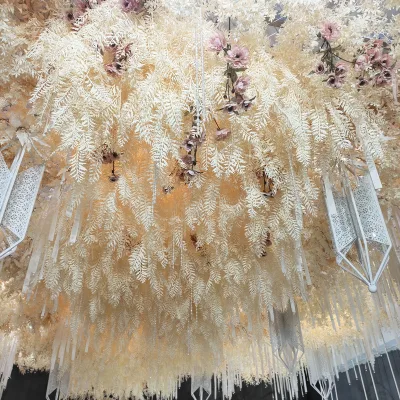


Beautiful Design Table Decoration Wedding Decoration Artificial Flower
$90.00 - $300.00
MOQ: 10 Pieces


Popular Wedding Room Decoration, Artificial Flower Arrangement, Wedding Artificial Flowers
$2.10 - $2.20
MOQ: 500 Pieces

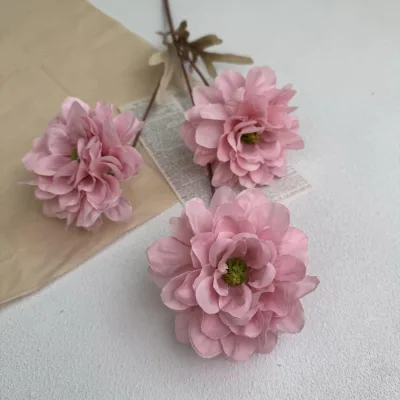

Hot Sale Outdoor Indoor Home Wedding Party Decorate Craft Artificial Plant Flowers
$0.25 - $0.25
MOQ: 800 Pieces


Comprehensive Sourcing Guide
Strategic Sourcing Guide for Wedding Outdoor Artificial Flowers
Procuring artificial flowers for outdoor wedding environments requires a nuanced understanding of material durability, aesthetic consistency, and supply chain reliability. Unlike indoor decor, outdoor arrangements face exposure to sunlight, wind, rain, and temperature fluctuations, necessitating rigorous selection criteria. This guide synthesizes available product data and industry standards to assist buyers in navigating the market for high-quality wedding decoration flowers. The focus remains on evidence-based evaluation, ensuring that procurement decisions are grounded in verified specifications rather than marketing assertions.
Material Composition and Durability Standards
The foundation of any successful outdoor floral arrangement lies in the material composition. Based on the observed product data, the primary material identified for these items is plastic. While this is a broad category, the specific application context—wedding events and outdoor decoration—demands a closer look at the polymer type and surface treatment. The data indicates that surface treatments such as printing are utilized to achieve specific visual effects. For outdoor longevity, buyers must verify that the plastic formulation includes UV stabilizers to prevent rapid fading under direct sunlight. The observed product attributes list "Artificial" and "Lifelike" as key features, suggesting that the manufacturing process aims to mimic natural textures. However, without specific certification data regarding UV resistance or weatherproofing, buyers should treat these claims as observations requiring validation.
When evaluating materials, the distinction between "Light pink-small" and "Pink-bunch" variations in the color data suggests a range of SKU complexities. A single item might be a small accent piece, while a bunch serves as a centerpiece. The material must be robust enough to maintain its shape in wind. The observed "Single Gross Weight" of 0.300kg for certain models provides a baseline for density; heavier items may offer better wind resistance but could be more difficult to install. Buyers should request material safety data sheets (MSDS) to confirm the plastic type, ensuring it does not become brittle in cold temperatures or deform in heat. The absence of specific polymer names (e.g., PE, PVC, Silk) in the provided data means that the procurement team must explicitly ask suppliers for this detail to ensure the material matches the outdoor exposure requirements.
Technical Specifications and Dimensional Consistency
Precision in dimensions is critical for event planners who need to coordinate floral arrangements with venue layouts. The product data reveals a significant variance in standard lengths, ranging from 50cm (20in) to 109cm (43in), with specific models like 164005, 164006, and 164008 adhering to these measurements. Other models, such as MC-FR16, offer a size of 200*50cm, indicating that some products are designed as large-scale decorative panels or garlands rather than individual stems. The data also notes "Customized" as a standard specification, implying that suppliers can alter dimensions to fit specific design briefs.
The following table summarizes the observed standard lengths and model numbers to assist in quick reference during the sourcing process:
| Product Model | Standard Length | Standard Width/Depth | Notes |
|---|---|---|---|
| 164005 | 50cm / 20in | N/A | Standard stem length |
| 164006 | 55cm / 22in | N/A | Slightly longer variant |
| 164008 | 109cm / 43in | N/A | Extra long stem |
| 157021 | 59cm / 23in | N/A | Mid-range length |
| AT25001-Spr | 75cm / 29.52in | Customized | Spray type, customizable |
| MC-FR16 | 200cm | 50cm | Large panel/garland format |
Buyers must verify that the "Customized" size option does not incur prohibitive lead times or minimum order quantities (MOQs) that exceed budget constraints. The observed MOQs vary widely, from 5 pieces for certain items to 720 for others. This discrepancy highlights the importance of matching the order volume to the specific product line. For large outdoor installations requiring 100+ units, the lower MOQ items may be more cost-effective, whereas the higher MOQ items might be necessary for bulk consistency. Furthermore, the "Single Package Size" of 45x35x25 cm for specific models indicates the storage and shipping footprint. Logistics planners should use these dimensions to calculate container loading efficiency, as outdoor events often require rapid on-site assembly, making compact, pre-packaged units highly desirable.
Compliance, Certification, and Safety Verification
In the realm of event decoration, safety and compliance are paramount, particularly when flowers are placed near food service areas or high-traffic guest zones. The provided data lists "ROHS" and "CE" as low-confidence background certifications. It is crucial to interpret this status correctly: these certifications are not confirmed for the specific products listed in the dataset. Therefore, buyers cannot assume that any given unit of wedding artificial flowers meets these standards without explicit verification from the supplier.
ROHS (Restriction of Hazardous Substances) compliance is essential to ensure that the plastic materials do not contain prohibited levels of lead, mercury, or other toxic substances, which is a common requirement for products used in public gatherings. CE marking indicates conformity with health, safety, and environmental protection standards for products sold within the European Economic Area. If the wedding venue is located in Europe or if the event caters to an international audience with strict safety expectations, buyers must demand valid, up-to-date certification documents for the specific batch of flowers being purchased.
The data also mentions "Printing" as a surface treatment. Buyers should inquire about the ink safety standards used in this printing process. Water-based, non-toxic inks are preferable for outdoor events where guests may have close contact with the flowers. Without confirmed certification data, the procurement strategy must include a pre-shipment inspection protocol to verify that the physical products match the claimed safety standards. Relying on unverified background data can lead to compliance failures at the venue, potentially resulting in event disruptions or legal liabilities.
Cost Drivers and Minimum Order Quantity Analysis
Understanding the cost structure of artificial wedding flowers requires analyzing the relationship between product complexity, customization, and volume. The observed price range is extensive, spanning from $0.25 to $500,000. This wide variance suggests that the market includes both simple, single-stem accents and large-scale, custom-engineered installations. The lower end of the price spectrum likely corresponds to basic plastic stems with standard colors, while the higher end may involve complex, multi-layered arrangements or bulk orders of specialized designs.
The Minimum Order Quantity (MOQ) is a significant cost driver. The data shows an MOQ range of 2 to 1000 units, with specific instances of 5 PCS and 720 PCS. This disparity often correlates with the product model and the level of customization. For example, the model with an MOQ of 720 may be a standard, mass-produced item where the supplier requires high volume to maintain profitability. Conversely, the 5 PCS MOQ suggests a sample or a highly customized item where the setup cost is amortized over a smaller run.
Buyers should calculate the "cost per unit" rather than looking solely at the total price. If a project requires 500 units, an item with a $0.25 price point and a 720 MOQ might be inaccessible, forcing the buyer to pay a premium for a lower MOQ item or to negotiate a custom run. Additionally, the "Supply Ability" of 10,000 sets per month indicates that the supplier has the capacity for large orders, but buyers must confirm if this capacity is dedicated to their specific timeline. Lead times, though not explicitly detailed in the data, are often influenced by the MOQ and customization level. High customization typically extends lead times, which can impact the overall project budget if expedited shipping is required.
Supplier Evaluation and Geographic Considerations
The geographic origin of the products plays a vital role in logistics, cost, and communication. The data identifies three primary production locations: Guangdong, China; Shandong; and Henan, China. Guangdong is a major manufacturing hub known for its extensive supply chains and experience in exporting decorative items. Shandong and Henan are also significant industrial regions in China, often specializing in specific types of manufacturing.
When evaluating suppliers based on these locations, buyers should consider the following factors:
- Logistics Efficiency: Suppliers in Guangdong often have established relationships with major ports, potentially reducing shipping times and costs for international buyers.
- Specialization: Different regions may specialize in different types of plastic molding or assembly techniques. A supplier in Shandong might have specific expertise in certain flower types compared to a supplier in Henan.
- Communication: While all listed locations are in China, the time zone and language proficiency of the sales team can vary. Buyers should verify that the supplier has a dedicated English-speaking team to handle technical queries regarding dimensions and materials.
The data lists "Fayfun" as a brand name. While this provides a reference point, buyers should not limit their search to a single brand. Instead, they should use the brand as a benchmark for quality and style. When contacting potential suppliers, buyers should ask for their production facility location and request photos or videos of the manufacturing process to verify the claims. The "Customization" attribute is available across the board, but the degree of customization varies. Some suppliers may only offer color changes, while others might allow for structural modifications. Clear communication regarding the scope of customization is essential to avoid misunderstandings.
Quality Control and Long-Term Procurement Strategy
Ensuring consistent quality for outdoor wedding events requires a robust quality control (QC) framework. The observed attributes such as "Lifelike," "Floral Style," and "Western Modern" style indicate that aesthetic consistency is a priority. However, visual appeal alone is insufficient for outdoor use. Buyers must implement a multi-stage QC process.
First, a pre-production sample review is necessary to verify that the "Lifelike" claim translates to the physical product. This involves checking the texture, color accuracy against the provided palette (e.g., 1# Light pink-small vs. 10# Light pink-bunch), and the structural integrity of the stems. Second, a production line audit should be conducted to ensure that the "Printing" process is consistent and that the plastic material is free from defects like warping or discoloration. Third, a final inspection of the packed goods should verify that the "Carton Box" or "Master Carton with Inner Boxes" packaging is sufficient to protect the flowers during transit. The "Single Package Size" data suggests that items are packed individually or in small groups, which is beneficial for preventing damage.
For long-term procurement, buyers should establish a relationship with suppliers who offer "Customized" options and have a proven track record of meeting "Wedding Event Party" requirements. The ability to scale production, as indicated by the "10,000 Set/Sets Per Month" supply ability, is a strong indicator of a reliable partner. However, buyers must remain vigilant about the "Low-confidence" nature of the background certifications. Regular third-party testing should be scheduled to ensure that the products continue to meet safety and durability standards over time.
In conclusion, sourcing Wedding Outdoor Artificial Flowers involves a careful balance of aesthetic requirements, technical specifications, and supply chain logistics. By focusing on verified material properties, confirming safety certifications, and understanding the nuances of MOQ and pricing, buyers can secure high-quality products that enhance their events. The data provided offers a solid foundation for these decisions, but active verification and clear communication with suppliers remain the keys to a successful procurement outcome.
FAQs
What material is used for Wedding Outdoor Artificial Flowers?
The primary material identified for these items is plastic. While the data confirms this broad category, buyers must verify specific polymer types like PE or PVC to ensure UV stability and weather resistance for outdoor longevity.
Which sizes are available for wedding decoration flower models?
Standard lengths range from 50cm to 109cm, with specific models like 164005 measuring 50cm and 164008 measuring 109cm. Some products also offer customized dimensions, such as the MC-FR16 model which measures 200 by 50cm.
Can buyers customize the logo and dimensions of these flowers?
Yes, customization is available for both logos and product dimensions. Buyers can request specific sizes and logo printing, though they must verify if these customizations affect the minimum order quantity or lead time before placing an order.
How does the minimum order quantity vary for these products?
The minimum order quantity varies significantly, ranging from 5 pieces to 720 pieces depending on the specific model. Buyers should match their order volume to the specific product line to ensure cost-effectiveness and availability.
Where are these artificial flower products manufactured in China?
Products originate from multiple regions including Guangdong, Shandong, and Henan. Guangdong is a major hub for export, while Shandong and Henan also host significant manufacturing facilities for these decorative items.
What packaging methods are used for shipping these flowers?
Packaging typically includes carton boxes or master cartons with inner boxes. Specific models may come in boxed packaging with a single gross weight of 0.300kg and package dimensions of 45 by 35 by 25 cm.