Source Welding Torch Gas Nozzles for MIG, TIG, and CO2 Welding
Find and compare 30 Welding Torch Gas Nozzles from Chinese manufacturers. Options include copper, brass, and nickel-plated variants with CE and ISO9001 certifications. Compare specifications, packaging, and lead times for MIG, TIG, and CO2 welding applications.
Key considerations
Products List


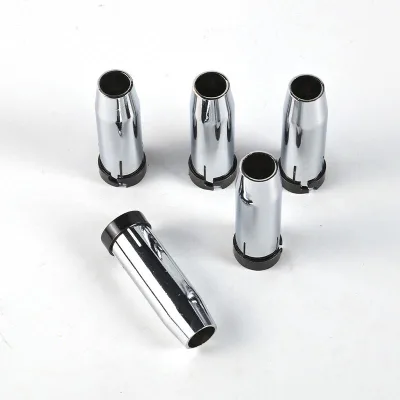


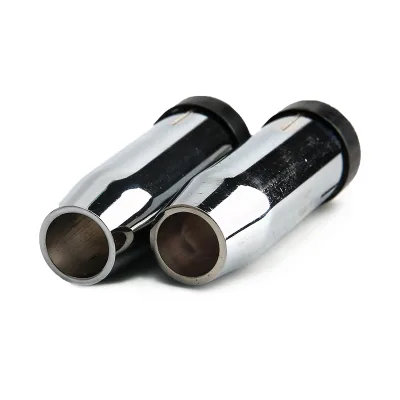
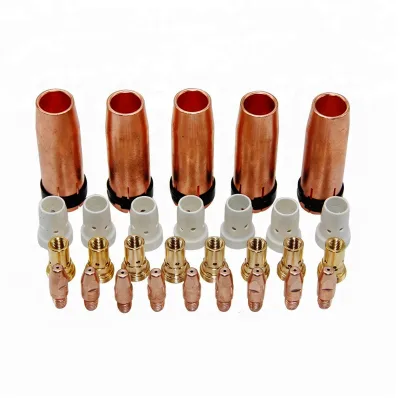
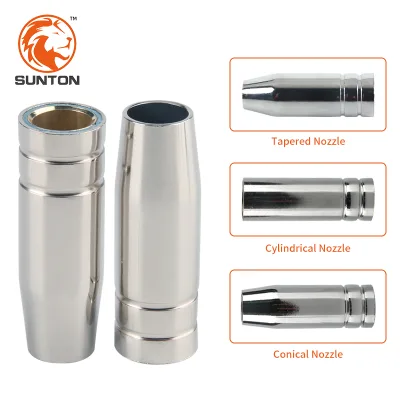
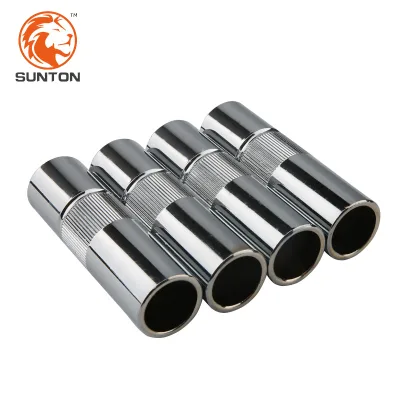
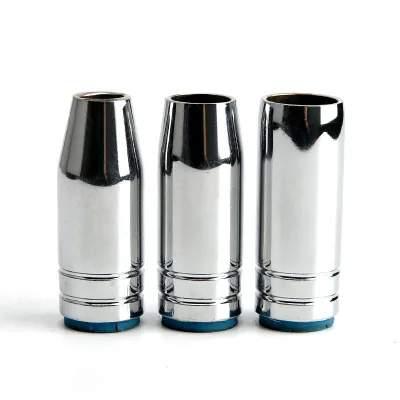
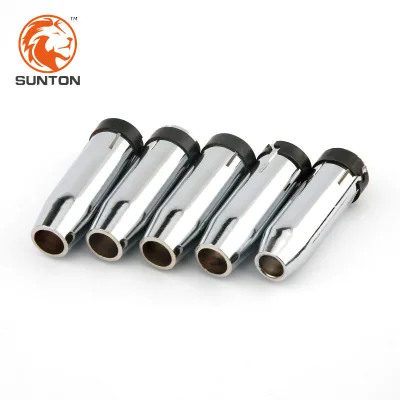


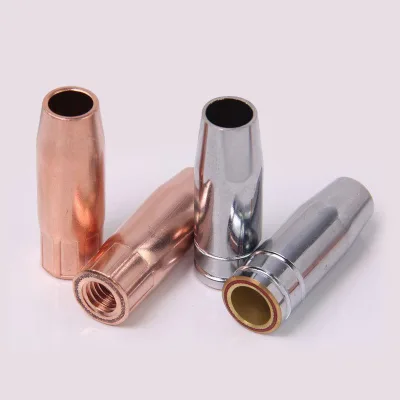


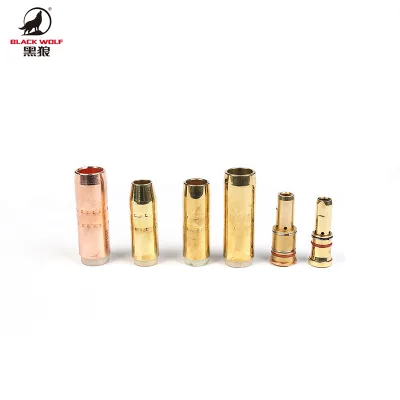
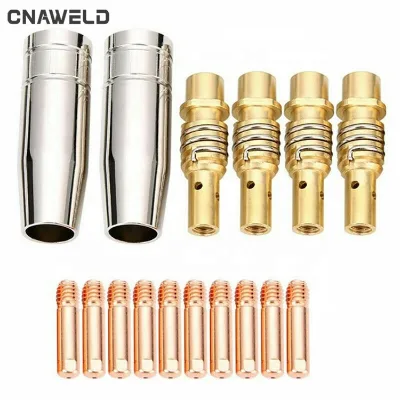
Comprehensive Sourcing Guide
Welding Torch Gas Nozzles Sourcing Guide
Sourcing Welding Torch Gas Nozzles requires a disciplined approach to aligning component specifications with operational demands. These critical consumables direct shielding gas flow to protect the weld pool from atmospheric contamination, directly influencing weld quality, penetration, and overall process stability. Buyers must navigate a market characterized by diverse model numbers, material compositions, and regional manufacturing hubs, primarily concentrated in industrial centers such as Changzhou and Wuxi in Jiangsu, China. Understanding the specific technical requirements of your welding equipment is the first step in identifying compatible nozzles that ensure consistent performance and minimize downtime.
The procurement landscape for these components is defined by high customization potential and varied commercial terms. Suppliers frequently offer OEM support and flexible packaging options, ranging from standard bagged quantities to custom requirements tailored to specific production lines. However, this flexibility introduces complexity in verification, as product attributes like model numbers (e.g., 401-7-62, 21-37, ME517) and material grades (copper, brass, nickel-plated) must be cross-referenced with existing inventory and machinery manuals. A rigorous sourcing strategy ensures that the selected nozzles not only fit physically but also withstand the thermal and electrical stresses of continuous welding operations.
Product Scope and Observed Listing Signals
The current market listings reveal a broad spectrum of gas nozzle variants, each tailored to specific welding torch configurations and operational needs. Products are identified by distinct model codes such as 401-7-62 HRTR, 21-37 Self Insulated, and HRTweco-compatible designs, indicating a need for precise matching with torch brands and types. Observations show that materials vary significantly, with options including pure copper, brass, and nickel-plated copper, each offering different trade-offs between conductivity, durability, and resistance to spatter buildup. Buyers should note that some listings specify compatibility with specific torch series, such as those compatible with Panasonic welding systems, highlighting the importance of verifying interface standards before bulk purchasing.
Commercial signals indicate a wide range in minimum order quantities (MOQ) and delivery expectations, reflecting the fragmented nature of the supply chain. MOQs observed range from single units for sampling to 2000 pieces for standard industrial orders, with some suppliers setting specific thresholds like 1000 pieces for certain models. Delivery times vary from 5-15 days for standard items to 20 days for customized or larger orders, suggesting that lead time management is crucial for maintaining uninterrupted production schedules. Additionally, packaging methods differ, with options including neutral packages, standard seaworthy packaging, and custom bagging (e.g., 1PCS/Bag or 5PCS/Bag), which can impact storage efficiency and handling costs on the shop floor.
Technical Specifications to Verify
Verifying the physical and material specifications of gas nozzles is essential to ensure compatibility and performance. Key attributes to confirm include the nozzle diameter, which may range from 1.2mm to 1.6mm or larger, and the internal geometry designed to optimize gas flow dynamics. Material composition is a critical factor; copper and brass nozzles offer excellent thermal conductivity, while nickel-plated variants provide enhanced resistance to spatter adhesion and corrosion. Buyers must also check for specific design features, such as self-insulated properties or compatibility with specific torch models like Hrmd490, Hrme514, or Hrme521, to prevent electrical arcing and ensure secure attachment to the torch body.
Electrical and operational parameters further define the suitability of a nozzle for specific welding tasks. Some listings indicate voltage requirements (e.g., 220V/50Hz) and condition status (New), which are relevant for integrated systems or replacement parts. Performance claims, such as the ability to weld a specific number of cylinders per nozzle or withstand certain diameters, should be treated as observations rather than guaranteed metrics, requiring validation through pilot testing. Additionally, the presence of specific model numbers like 15AK, 24KD, or 36KD suggests a standardized nomenclature that buyers should map against their existing inventory to avoid confusion and ensure seamless integration into their supply chain.
Compliance and Safety Documentation
Compliance with international standards is a non-negotiable aspect of sourcing welding consumables, ensuring that products meet safety and quality benchmarks. Listings frequently cite certifications such as CE, CCC, RoHS, ISO9001, and TUV, which indicate adherence to specific regulatory frameworks regarding electrical safety, environmental restrictions, and quality management systems. Buyers should request valid certification documents to verify that the supplier’s quality management processes are independently audited and that the products comply with the legal requirements of their target markets. This verification is particularly important for exports to regions with strict environmental or safety regulations, where non-compliant products could face customs delays or rejection.
Beyond formal certifications, buyers must assess the supplier’s commitment to consistent quality control and documentation. While certifications provide a baseline, the actual production process must align with these standards to ensure batch-to-batch consistency. Buyers should inquire about the supplier’s internal testing protocols, including checks for dimensional accuracy, material purity, and plating thickness, to mitigate the risk of defective parts entering the production line. Additionally, understanding the warranty terms, such as the 1-year warranty mentioned in some listings, provides insight into the supplier’s confidence in their product’s durability and their willingness to support post-purchase issues.
Cost Drivers and Commercial Terms
The cost of Welding Torch Gas Nozzles is influenced by several factors, including material prices, manufacturing complexity, and order volume. Copper and nickel-plated materials are subject to market fluctuations, which can impact unit prices, while customized designs or specialized coatings may incur additional tooling or processing fees. Buyers should analyze the total cost of ownership, considering not just the unit price but also the lifespan of the nozzle, frequency of replacement, and impact on weld quality. Higher-quality nozzles with better spatter resistance may have a higher upfront cost but can reduce downtime and material waste, offering a better long-term value proposition.
Commercial terms, including MOQs, payment conditions, and delivery schedules, play a significant role in the overall procurement strategy. Suppliers with lower MOQs may charge higher unit prices to cover setup and handling costs, while larger orders can leverage economies of scale to reduce per-unit costs. Delivery times, ranging from 5 to 20 days, should be factored into inventory planning to avoid stockouts or excess holding costs. Buyers should also consider packaging options, as standard seaworthy packaging may be more cost-effective for bulk shipments, while custom packaging might be necessary for specific handling or storage requirements on the customer’s site.
Supplier Qualification and Quality Control
Qualifying suppliers for Welding Torch Gas Nozzles requires a thorough evaluation of their manufacturing capabilities and quality assurance processes. Buyers should verify the supplier’s place of origin, with many manufacturers located in industrial hubs like Changzhou and Wuxi in Jiangsu, China, known for their expertise in welding consumables. Assessing the supplier’s production capacity, equipment, and workforce expertise is essential to ensure they can meet volume demands and maintain consistent quality. Additionally, reviewing the supplier’s history of compliance with certifications and their ability to provide detailed product specifications helps build confidence in their reliability and professionalism.
Quality control measures should be integrated into the procurement process to minimize the risk of receiving defective or non-conforming products. Buyers should request samples for initial testing to verify fit, function, and durability before committing to larger orders. Establishing clear acceptance criteria, including dimensional tolerances, material composition, and surface finish, ensures that both parties have a shared understanding of quality expectations. Furthermore, implementing regular audits or third-party inspections for ongoing orders can help maintain quality standards and identify any potential issues early in the supply chain, protecting the buyer’s production efficiency and end-product quality.
Long-Term Procurement Checks
Establishing long-term procurement relationships with welding torch gas nozzle suppliers requires continuous monitoring and evaluation of performance metrics. Buyers should track key indicators such as delivery reliability, product consistency, and responsiveness to issues to assess the supplier’s overall value. Regular communication and feedback loops can help identify areas for improvement and foster a collaborative partnership that benefits both parties. Additionally, staying informed about market trends, technological advancements, and regulatory changes ensures that the procurement strategy remains aligned with evolving industry standards and operational needs.
Sustainability and ethical sourcing practices are increasingly important considerations in long-term procurement. Buyers should evaluate suppliers’ commitments to environmental responsibility, such as adherence to RoHS standards and efficient waste management practices, to align with corporate sustainability goals. Furthermore, diversifying the supplier base can mitigate risks associated with single-source dependencies, ensuring business continuity in the event of supply chain disruptions. By maintaining a proactive approach to supplier management and quality assurance, buyers can secure a reliable supply of high-quality Welding Torch Gas Nozzles that support their operational efficiency and competitive advantage.
FAQs
What certifications do these Welding Torch Gas Nozzles have?
These nozzles carry CE, CCC, RoHS, ISO9001, and TUV certifications. The product specifications confirm compliance with CE standards and ISO9001 quality management systems for reliable industrial use.
Which specifications are available for the gas nozzles?
Available models include 401-7-62, 21-37, ME517, and MD490. Specific sizes range from 1.2mm to 1.6mm, with options like HRTweco and Hrmd490 compatible designs for various welding torches.
Can I request custom packaging for these welding nozzles?
Yes, customization is available for packaging requirements. Standard options include 1PCS or 5PCS per bag, but buyers can specify neutral packages or other custom packing arrangements to suit their needs.
What is the minimum order quantity for these products?
The minimum order quantity varies by supplier, ranging from 1 to 2000 pieces. Some listings specify an MOQ of 1000 or 2000 pieces, while others allow smaller trial orders starting at one unit.
How long does delivery take for these welding nozzles?
Delivery times typically range from 5 to 20 days depending on the supplier. Some manufacturers offer a 7-day lead time, while others require up to 20 days for production and shipping.
Where are these Welding Torch Gas Nozzles manufactured?
These products originate from Jiangsu, China, specifically Changzhou and Wuxi. The manufacturing locations are confirmed as Changzhou Jiangsu and Wuxi Jiangsu in the mainland of China.
What materials are used to make these gas nozzles?
The nozzles are constructed from copper, brass, or copper-zirconium alloys. Some variants feature nickel plating to enhance durability and conductivity during high-temperature welding operations.