Source WF2 Explosion Proof Electrical Connector for Industry, Auto, Audio
Compare 30 verified listings for the WF2 Explosion Proof Electrical Connector suitable for industrial, automotive, and audio applications. Buyers can review specifications, certifications, and pricing from suppliers in China to find the right solution.
Key considerations
Products List


Connector Electric Wire Resistance Corrosion Resistance Stable Electrical Performance
$0.69 - $39.00
MOQ: 1000 Meters


with Excellent Corrosion Connector Electric Cable Resistance Mechanical Protection
$4.50 - $6.00
MOQ: 1000 Meters


Durable Performance Electrical Connectors for Reliable Auto Connector Terminals
$0.01 - $0.01
MOQ: 2500 Pieces


Durable Cellular Type Connectors for Secure Electrical Connection Solutions
$0.03 - $0.04
MOQ: 1500 Pieces


Reliable Terminal Connectors for Enhanced Electrical Performance and Safety
$0.03 - $0.04
MOQ: 4500 Pieces

Efficient 1.5mm Terminal Connectors for Reliable Electrical Connections
$0.03 - $0.04
MOQ: 3000 Pieces


Durable Electrical Terminal Connectors for Reliable Power Transmission
$37.00 - $39.00
MOQ: 500 Pieces


Explosion Proof Industrial Socket IP65 Socket & Plug 63A Explosion Proof 380V
$49.00 - $107.00
MOQ: 1 Pieces


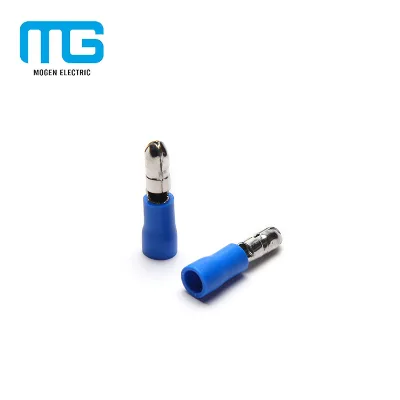
Waterproof Quick Disconnect Wire Electrical Bullet Male Terminal Connectors Male
$0.86 - $0.97
MOQ: 100 Minimum


16A AC48V 1p+N+PE Wf1 Wf2 Explosion-Proof Industrial Socket and Plug Connector
$18.00 - $102.50
MOQ: 10 Pieces
Comprehensive Sourcing Guide
Strategic Sourcing Guide for WF2 Explosion Proof Electrical Connectors
The procurement of specialized industrial components, specifically the WF2 explosion-proof electrical connector, requires a rigorous approach that balances technical precision with supply chain reliability. Buyers in the hazardous environment sector must navigate a complex landscape where safety compliance is non-negotiable. This guide synthesizes available product attributes and industry standards to provide a structured framework for sourcing these critical connectors. The focus remains on verifying specifications, understanding cost drivers, and establishing robust quality control protocols without relying on unverified supplier claims or speculative market data.
Technical Specifications and Interface Standards
When evaluating a WF2 explosion-proof electrical connector, the primary objective is to ensure the component meets the rigorous demands of hazardous locations. Based on observed product attributes, these connectors are designed for the transmission of electrical signals and the conduction of electricity in demanding environments. The physical interface is a critical determinant of compatibility. The observed data indicates a rectangular shape with a variety of pin configurations, including 3-pin, 4-pin, and 5-pin options for plug assemblies. This variability suggests that buyers must carefully match the pin count to their specific machinery or control panel requirements to avoid integration failures.
The electrical capacity of these connectors is another vital technical parameter. Available data points to a current rating range of 19A, 27A, 27A, 37A, and 48A. This wide spectrum implies that the "WF2" designation may apply to a family of connectors with varying load capacities rather than a single fixed rating. Procurement teams must verify the specific current rating required for their application against the manufacturer's datasheet. Furthermore, the rated voltage is typically observed as AC 220V or AC 380V, which aligns with standard industrial power distribution systems. The wire range accommodates conductors from 0.5mm² to 25mm², indicating versatility in handling different cable gauges, though the exact compatibility depends on the specific terminal type selected.
The physical construction often involves copper materials for the conductive elements, ensuring low resistance and high conductivity. The housing material is frequently noted as industrial plastics, which provide necessary insulation and mechanical durability. The connection mechanism often utilizes a threaded inlet system, with observed specifications including G3/4, G1, and G1 1/2 threads. These thread standards are crucial for ensuring a tight seal against dust and moisture, a prerequisite for explosion-proof integrity. Buyers should verify that the cable outer diameter, which ranges from 10mm to 33mm depending on the specific model, matches the strain relief capabilities of the connector to prevent mechanical stress on the internal contacts.
Compliance and Certification Verification
In the realm of explosion-proof equipment, certification is not merely a formality but a legal and safety imperative. The observed product attributes list several key certifications, including CE, RoHS, UL, SGS, TUV, and CQC. While these marks appear in the product data, buyers must treat them as observations to be verified rather than guaranteed attributes for every unit. The presence of "Rohs" and "CE" suggests compliance with European environmental and safety directives, while "UL" indicates adherence to North American safety standards. "SGS" and "TUV" represent third-party testing and quality assurance, which are essential for validating the explosion-proof rating.
The "WF2" designation often implies a specific level of protection against dust and water ingress, typically aligning with IP ratings. However, the provided text does not explicitly state the IP rating number. Therefore, buyers must request explicit proof of the Ingress Protection rating from the supplier. The standard grounding feature mentioned in the attributes is a critical safety mechanism that must be maintained throughout the installation. The "Explosion Proof Connector" and "Explosion Proof Outlet" aliases found in the data confirm the intended application for hazardous areas where flammable gases, vapors, or dusts may be present.
It is essential to distinguish between the product's origin and its certification validity. The observed origin is listed as China, specifically Zhejiang, with some entries noting "Cn" or "China." While the manufacturing location is known, the certification validity depends on the specific testing facility and the scope of the certificate. Buyers should not assume that a product labeled with a standard automatically carries a valid, current certificate for their specific jurisdiction. Verification of the certificate number and the issuing body against the relevant national registry is a mandatory step before finalizing any purchase order.
Cost Drivers and Pricing Dynamics
The pricing for explosion-proof electrical connectors is influenced by a complex interplay of factors, including material costs, certification fees, and production complexity. The observed price range in the market spans from $0.01 to $275.16 USD. This vast disparity highlights the difference between simple terminals and fully assembled, certified explosion-proof connector assemblies. The lower end of the spectrum likely represents individual terminals or basic components, while the higher end corresponds to complete, certified units with complex sealing mechanisms and higher current ratings.
Material quality is a primary cost driver. Connectors utilizing high-grade copper and industrial plastics with superior flame-retardant properties will command a higher price. The production process, identified as cold pressing, is a standard method for forming terminals, but the precision and tooling required for explosion-proof components add to the cost. Additionally, the cost of maintaining certifications such as UL, TUV, and CE is often factored into the unit price. Products that undergo rigorous third-party testing and hold multiple international certifications will naturally be more expensive than those with limited compliance.
Minimum Order Quantity (MOQ) also significantly impacts the effective cost per unit. The observed MOQ range is from 1 to 10,000 units. For small-scale projects or prototyping, buyers may face higher per-unit costs due to low-volume production runs. Conversely, large-scale industrial deployments can leverage economies of scale, reducing the unit cost significantly. The customization options available, such as OEM packing or specific branding, can also introduce additional costs. Buyers must balance the need for customization against the budget constraints, understanding that bespoke solutions often require higher MOQs and longer lead times.
Typical Applications and Operational Environments
The versatility of the WF2 explosion-proof electrical connector is evident in its diverse application areas. The data indicates usage in the automobile, industrial, and audio/video sectors. However, the primary application for explosion-proof connectors is in hazardous industrial environments where the risk of ignition is present. These include oil and gas refineries, chemical processing plants, mining operations, and pharmaceutical manufacturing facilities where flammable substances are handled.
In the automotive sector, these connectors may be utilized in specialized vehicles or equipment operating in explosive atmospheres, such as fuel transport trucks or mining machinery. The "Transmission of Electrical Signals" and "Conduct Electricity" attributes confirm their role in power distribution and control systems. The rectangular shape and various pin counts make them suitable for connecting control panels, sensors, and actuators in complex machinery. The ability to handle voltages up to 380V and currents up to 48A allows them to serve as robust links in heavy-duty industrial power circuits.
The market reach for these components is global, with observed distribution in Asia, America, Europe, the Middle East, and Africa. This global presence underscores the universal need for reliable explosion-proof solutions across different regulatory frameworks. The "Industrial" application tag reinforces their role in manufacturing and processing industries. Buyers should ensure that the selected connector is not only technically compatible with their equipment but also certified for the specific hazard class and zone of their operational environment.
Supplier Evaluation and Selection Criteria
Selecting a reliable supplier for explosion-proof connectors requires a due diligence process that goes beyond price comparison. The availability of customization services, including ODM and OEM support, is a positive indicator of a supplier's flexibility and capability. The observed "Customization: Available" and "Customized Support: Software Reengineering" attributes suggest that some suppliers offer tailored solutions, though the latter may be more relevant to control systems than the physical connector itself. Buyers should prioritize suppliers who demonstrate a clear understanding of the technical requirements and can provide detailed engineering support.
The production process and quality control measures are critical evaluation points. The "Cold Pressing" process mentioned is standard, but the consistency and precision of this process determine the final product's reliability. Suppliers should be able to provide evidence of their quality management systems, such as ISO certifications, and describe their inspection protocols. The "Condition: New" attribute is a basic expectation, but buyers must verify that the products are indeed new and not refurbished or surplus items, which could compromise safety.
Packaging is another aspect of supplier evaluation. The observed packaging options include bags, cartons, and customer-brand OEM packing boxes. Proper packaging is essential to prevent damage during transit, especially for precision components. Suppliers offering robust packaging solutions, such as carton boxes with internal protection, demonstrate a commitment to product integrity. Additionally, the supplier's ability to provide documentation, including test reports and certification copies, is a key differentiator. Buyers should request these documents before placing an order to ensure the supplier maintains transparency and accountability.
Quality Control and Long-Term Procurement Strategy
Ensuring the long-term reliability of explosion-proof connectors requires a proactive quality control strategy. The "Character: Insulation" and "Grounding: Standard Grounding" attributes highlight the importance of electrical safety features. Buyers should implement incoming quality inspections that verify these characteristics, including insulation resistance and grounding continuity. The use of copper and industrial plastics must be confirmed through material analysis if necessary, especially for high-volume contracts.
Long-term procurement considerations involve building a sustainable relationship with suppliers who can guarantee consistent quality and supply. The "Serives: ODM/OEM" attribute suggests that suppliers are capable of long-term partnerships. Buyers should establish clear communication channels for technical support and issue resolution. The "Same Series Model" data, such as Bcz8030-16, Bcz8030-32, and Bcz8030-63, indicates that suppliers offer a range of compatible products. This modularity allows for easier maintenance and replacement over the product lifecycle.
Buyers must also consider the lead times and inventory management. While specific lead times are not provided in the data, the MOQ range of 1 to 10,000 suggests that suppliers may have varying production capacities. For critical applications, maintaining a safety stock of essential connectors is advisable to prevent downtime. Regular audits of the supplier's quality control processes and certification status should be part of the long-term strategy. By focusing on verified specifications, robust compliance, and reliable supplier relationships, buyers can secure a steady supply of high-quality WF2 explosion-proof electrical connectors that meet the stringent demands of hazardous environments.
FAQs
What certifications are available for WF2 explosion proof connectors?
Available certifications include CE, RoHS, UL, SGS, TUV, and CQC. Buyers must verify specific certificate validity for their jurisdiction rather than assuming all listed marks apply to every unit.
Which pin counts are supported for the WF2 connector plugs?
Plug assemblies support 3-pin, 4-pin, and 5-pin configurations. Procurement teams must match the specific pin count to machinery requirements to ensure integration compatibility.
Can the WF2 connector handle high current loads up to 48A?
Yes, the connectors support current ratings of 19A, 27A, 37A, and 48A. Buyers must verify the specific current rating required for their application against the manufacturer datasheet.
What is the rated voltage for these industrial explosion proof connectors?
The rated voltage is typically AC 220V or AC 380V. This aligns with standard industrial power distribution systems used in hazardous environments like refineries and chemical plants.
How does the MOQ affect the pricing for WF2 connectors?
The MOQ ranges from 1 to 10,000 units, influencing the effective cost per unit. Small orders may have higher per-unit costs, while large deployments leverage economies of scale.
Which materials are used for the conductive elements in these connectors?
Conductive elements are made of copper to ensure low resistance and high conductivity. The housing often uses industrial plastics for insulation and mechanical durability.
What thread standards are used for the cable inlet connections?
Inlet threads include G3/4, G1, and G1 1/2 standards. These ensure a tight seal against dust and moisture, which is a prerequisite for explosion-proof integrity.