Source Wf2 Explosion Proof LED Headlamp for Mining, Oil, and Emergency Use
Find and compare 30 Wf2 Explosion Proof LED Headlamp options from Chinese manufacturers. Evaluate key specs like IP66 ratings, 5-year warranties, and CE/CCC certifications to ensure safety and reliability for industrial and emergency lighting applications; compare the available evidence and request quotations based on your requirements.
Updated
Key considerations
Products List


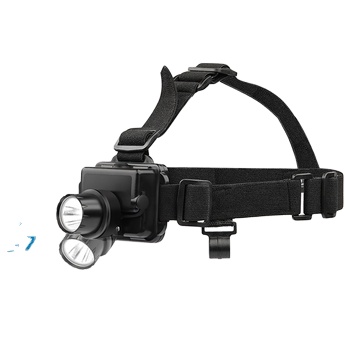


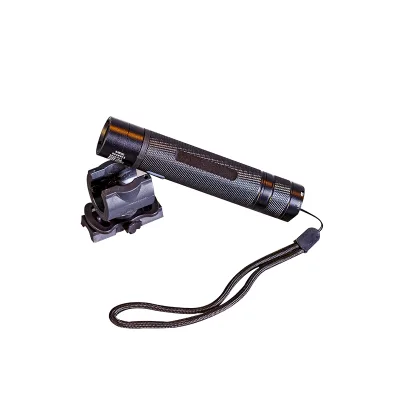
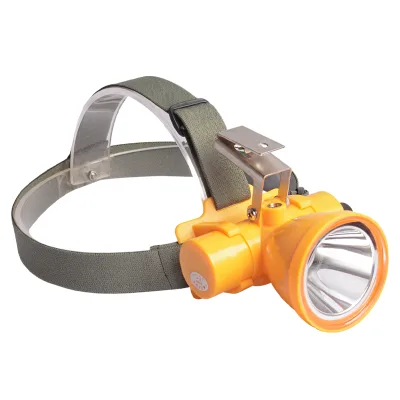


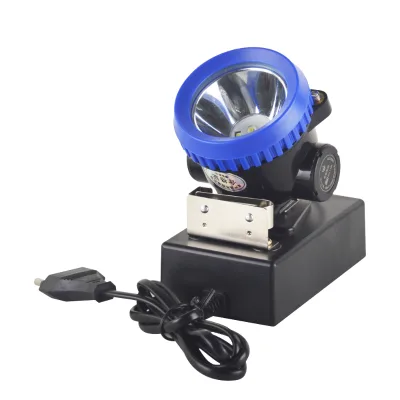
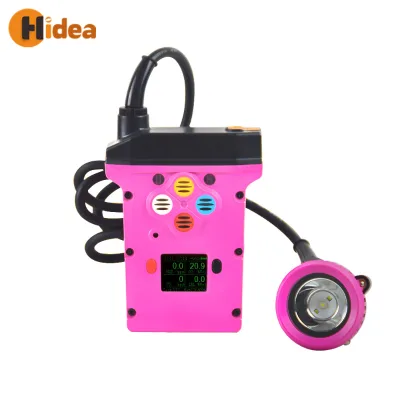
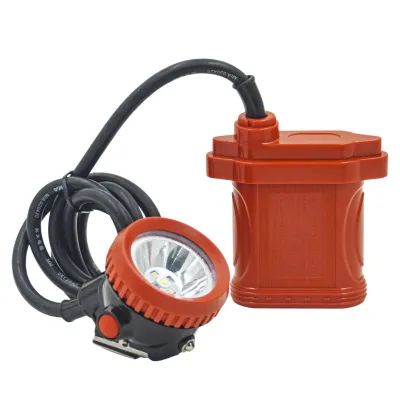
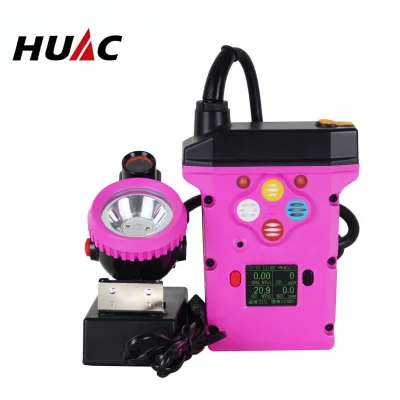

Comprehensive Sourcing Guide
Wf2 Explosion Proof LED Headlamp Sourcing Guide
Sourcing industrial-grade emergency lighting requires careful attention to material integrity and operational reliability. The WF2 anti-corrosion grade indicates a specific resistance level suitable for harsh environments, making it a critical selection criterion for buyers operating in corrosive atmospheres. Procurement teams must verify that the aluminum alloy construction meets the stated material specifications to ensure long-term durability against chemical exposure and physical wear.
Buyers should prioritize products that combine robust physical construction with certified electrical safety standards. The presence of CE, CCC, and RoHS certifications suggests adherence to international safety and environmental regulations, which is essential for global supply chain compliance. Understanding the interplay between the WF2 corrosion rating and the IP66 ingress protection rating helps in selecting headlamps that can withstand both environmental degradation and water or dust intrusion during critical operations.
Product Scope and Observed Listing Signals
The observed market data reveals a diverse range of LED headlamps with varying specifications and price points. Listings indicate a price range from $2.39 to $190.05 USD, reflecting differences in battery capacity, luminous flux, and certification levels. Minimum order quantities (MOQ) vary significantly, ranging from single units to 300 pieces, allowing buyers to scale procurement based on immediate needs or long-term inventory strategies. This variability necessitates a clear definition of volume requirements before engaging with suppliers.
Product attributes observed include pure white color temperature, 6000K daylight alert options, and high color rendering indices up to 80 Ra. Some models feature rechargeable lead-acid or lithium batteries with rated capacities of 2Ah and voltages of 3.7V. Buyers should note that while some listings claim high luminous efficacy of 140lm/W, others specify lower CRI values, indicating a spectrum of quality. Verifying the exact model number, such as ZIW5133 or HL10, is crucial to aligning product features with specific operational requirements.
Technical Specifications to Verify
Technical verification must focus on the electrical and optical performance metrics that directly impact worker safety and visibility. Buyers should confirm the power source type, whether it is mains electricity or rechargeable battery, and ensure the recharging time aligns with shift schedules. The working temperature range of -30°C to 50°C is a critical specification for extreme environment operations, ensuring the headlamp remains functional in both freezing and hot conditions without performance degradation.
Optical performance metrics such as Lamp Luminous Flux, Total Harmonic Distortion (THD), and Power Factor (PF) are essential for evaluating efficiency and grid compatibility. A PF greater than 0.93 and THD less than 15% indicate high electrical efficiency, reducing energy waste and heat generation. Additionally, the lifespan of 50,000 hours and battery cycle life of 500 cycles provide long-term value projections. Buyers must verify these figures against independent test reports to ensure they reflect real-world performance rather than idealized laboratory conditions.
Compliance and Safety Documentation
Compliance documentation is non-negotiable for explosion-proof and industrial lighting equipment. Buyers must request valid certificates for CE, CCC, and RoHS to ensure the product meets regional safety and environmental standards. The WF2 anti-corrosion grade should be supported by material test reports or manufacturer declarations confirming the aluminum alloy's resistance to specific corrosive agents found in the buyer's operating environment.
Ingress protection ratings, specifically IP66, must be verified through independent testing to guarantee dust tightness and protection against powerful water jets. For explosion-proof applications, additional certifications such as ATEX or IECEx may be required depending on the hazard zone classification. Buyers should ensure that the supplier provides a comprehensive compliance package, including test reports for electromagnetic compatibility (EMC) and electrical safety, to mitigate liability and ensure regulatory adherence in the destination market.
Cost Drivers and Commercial Terms
Cost structures are influenced by material quality, certification breadth, and customization options. Products with higher luminous efficacy, longer battery life, and broader temperature ranges typically command higher prices. Customization availability, including OEM packing and brand logo application, adds to the unit cost but can enhance brand visibility and inventory management for large-scale buyers. Understanding these drivers helps in negotiating fair pricing based on specific feature requirements.
Commercial terms such as MOQ, lead times, and warranty periods significantly impact total cost of ownership. A five-year warranty period indicates supplier confidence in product durability, reducing long-term replacement costs. Buyers should clarify packaging standards, such as normal export cases or custom boxes, to avoid unexpected logistics expenses. Negotiating volume discounts based on the observed MOQ range of 1-300 units can optimize procurement budgets while maintaining supply chain flexibility.
Supplier Qualification and Quality Control
Supplier qualification requires a thorough assessment of manufacturing capabilities and quality management systems. Buyers should verify the supplier's origin, whether from Jiangsu or Guangdong, and assess their production capacity to meet order volumes. The availability of lighting and circuitry design services indicates a higher level of technical expertise, which can be valuable for custom projects or specialized industrial applications.
Quality control processes must include incoming material inspections, in-process testing, and final product verification. Buyers should request samples to test physical attributes such as weight, dimensions, and build quality before placing bulk orders. Establishing clear communication channels for addressing defects or non-conformities is essential. Suppliers with a track record of consistent output and responsive customer service are better positioned to support long-term procurement relationships and ensure product reliability.
Long-Term Procurement Checks
Long-term procurement success depends on continuous monitoring of product performance and supplier reliability. Buyers should establish key performance indicators (KPIs) related to failure rates, battery degradation, and customer feedback to evaluate ongoing product suitability. Regular audits of supplier quality systems and compliance documentation ensure that products continue to meet evolving regulatory standards and operational requirements.
Building a diversified supplier base mitigates risks associated with single-source dependencies. Buyers should periodically review market trends and technological advancements to identify opportunities for upgrading to more efficient or durable lighting solutions. Maintaining open dialogue with suppliers regarding future product developments and customization options ensures that procurement strategies remain aligned with changing business needs and technological innovations in the industrial lighting sector.
FAQs
What certifications does the Wf2 Explosion Proof LED Headlamp have?
The Wf2 Explosion Proof LED Headlamp carries CE, CCC, and RoHS certifications. These marks confirm compliance with international safety and environmental standards. Buyers can verify these credentials to ensure the product meets regulatory requirements for industrial use in hazardous environments.
How long is the warranty period for this LED headlamp?
The warranty period for this LED headlamp is five years. This coverage provides long-term assurance for industrial buyers. The product also features a lifespan of 50,000 hours, reducing maintenance frequency and total cost of ownership for emergency lighting applications.
What is the IP rating and material construction of the headlamp?
The headlamp has an IP66 rating and is constructed from aluminium alloy. This combination ensures it is waterproof, dustproof, and corrosion-resistant. The WF2 anti-corrosion grade further enhances durability, making it suitable for harsh industrial environments where exposure to elements is common.
Can the headlamp be customized for specific industrial requirements?
Yes, customization is available for this LED headlamp. Buyers can request specific packaging options, including normal export cases or customer brand OEM packing boxes. This flexibility allows companies to tailor the product to their branding and logistical needs while maintaining industrial-grade performance.
What is the battery type and charging time for the headlamp?
The headlamp uses a lead acid battery with a rated capacity of 2ah. It requires approximately four hours to recharge fully. This setup supports over twelve hours of lighting period, ensuring reliable emergency lighting performance during power outages or extended industrial shifts.
Where is the Wf2 Explosion Proof LED Headlamp manufactured?
The headlamp is manufactured in China, with origins in Jiangsu and Guangdong provinces. This location supports efficient production and export logistics. Buyers can leverage this geographic advantage for sourcing, ensuring timely delivery and competitive pricing for bulk industrial lighting orders.