Source White Plastic Cube IBC Tank for Chemical, Medical, Food
Find 30 listings for the White Plastic Cube IBC Tank designed for chemical, medical, and food applications. Buyers can compare specifications, prices, and customization options from verified suppliers in China.
Key considerations
Products List




Comprehensive Sourcing Guide
Sourcing Guide for White Plastic Cube IBC Tanks
Understanding the Product Architecture and Technical Specifications
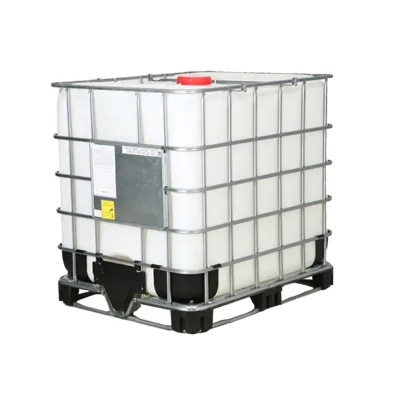
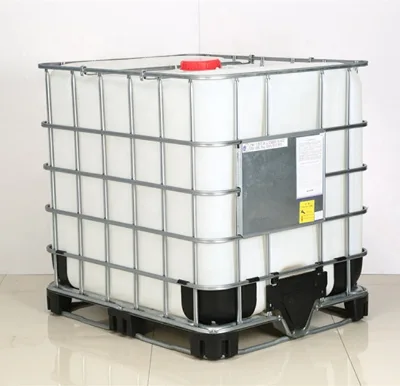
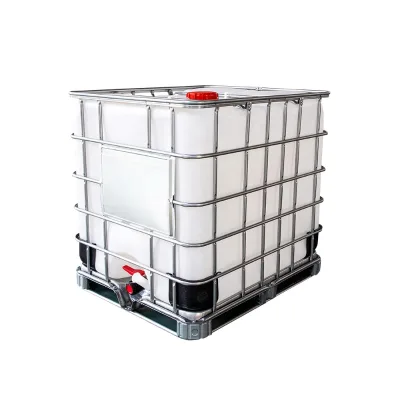
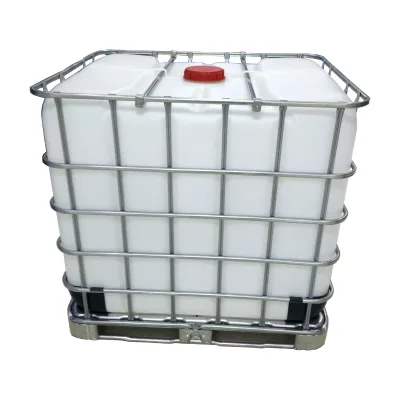
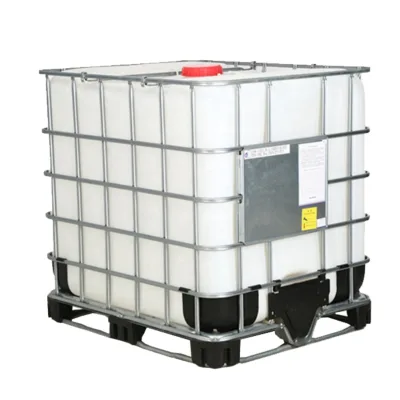
When sourcing a White Plastic Cube IBC Tank, buyers must first distinguish between the structural components and the material composition that define the unit's integrity. The core of this product is typically constructed from high-density polyethylene (HDPE), specifically noted as 100% new material in verified listings, which ensures resistance to chemical degradation and physical stress. The standard configuration for these units often adheres to a cubic or square shape, designed to maximize storage density while maintaining stability during transport.
The physical dimensions are critical for logistics planning and warehouse fitment. Verified data indicates a standard footprint of approximately 1200mm in length and 1000mm in width, with a height ranging between 1150mm and 1160mm. This specific dimensional profile is consistent across models labeled as 1000L capacity units. The total volume capacity is generally standardized at 1000 liters, though some variations may list capacities of 1200L or 1300L depending on the specific model number, such as YR-076. The tank itself is supported by a metal cage, often featuring corner protectors, with four pieces typically included to safeguard the plastic vessel during stacking and handling.
Operational features are equally vital for functional procurement. The discharge opening is commonly sized at 50mm, facilitating controlled liquid release, while the filling opening is significantly larger, typically around 150mm, to allow for efficient top-loading. The unit is designed with a fork opening of 100mm, ensuring compatibility with standard pallet jacks and forklifts. The weight of the empty inner tank is a key metric for shipping calculations, often cited around 15kg for the plastic vessel alone, with the total gross weight of a single package reaching approximately 56kg. The maximum working pressure for these units is generally low, typically ranging from 0.02 MPa to 0.1 MPa, indicating their suitability for gravity-fed storage rather than high-pressure applications.
Compliance, Certification, and Safety Standards
In the industrial procurement of IBC tanks, verifying compliance with international safety and quality standards is non-negotiable. Buyers should expect suppliers to provide documentation confirming adherence to specific regulatory frameworks. Verified product attributes indicate that reputable units often carry certifications such as UN, ISO9001, TQM, and ISO14001. These certifications are not merely marketing terms but represent adherence to rigorous quality management systems and international transport safety standards for hazardous goods.
The "UN" certification is particularly significant for tanks intended to transport or store hazardous chemicals. It implies that the tank has passed specific drop, stacking, and pressure tests required for international shipping of dangerous goods. For food-grade applications, the material must be verified as food-safe, a feature explicitly mentioned in product descriptions as "Food Grade." This ensures that the HDPE material does not leach harmful substances into potable water or consumable liquids.
Buyers must also scrutinize the machinery test reports provided by the supplier. These reports serve as empirical evidence of the tank's structural integrity and performance under stress. The presence of a core component labeled as a "Pressure Vessel" suggests that the tank is engineered to withstand internal pressure, albeit within the low limits observed (0.02-0.1 MPa). When evaluating a supplier, request these test reports to confirm that the specific batch of tanks meets the stated standards. Do not rely solely on verbal assurances; the documentation must be current and specific to the model being purchased. Additionally, verify the origin of the product, as many high-volume IBC tanks are manufactured in regions like Shandong, China, where specialized industrial clusters support large-scale production.
Cost Drivers and Pricing Dynamics
The pricing of white plastic cube IBC tanks is influenced by a complex interplay of material costs, manufacturing complexity, and order volume. The observed price range for these units in the market spans from $50 to $3,000 USD. This wide variance is not arbitrary but reflects differences in capacity, material thickness, certification levels, and the inclusion of additional accessories like corner protectors or specialized valves.
The primary cost driver is the quality and quantity of the HDPE resin used. Units specified as "1000% new HDPE" generally command a higher price point than those utilizing recycled materials, as the virgin resin offers superior durability and chemical resistance. The manufacturing process, specifically rotational molding, requires significant energy and time, which factors into the base cost. Furthermore, the inclusion of a steel cage and the specific design of the discharge and filling valves add to the material and assembly costs.
Order volume plays a decisive role in the final unit price. The Minimum Order Quantity (MOQ) varies significantly among suppliers, ranging from a single unit (1 PC) to bulk orders of 20 or even 42 pieces. Buyers purchasing at the lower end of the MOQ spectrum often face a higher per-unit cost due to the fixed overheads of production and logistics. Conversely, larger orders allow for economies of scale, potentially lowering the cost per unit. The "Selling Units" are typically listed as single items, but the transactional reality often favors bulk purchasing. Buyers should also consider the "Single Package Size" of 120x100x115 cm when calculating shipping costs, as the volumetric weight of the tank can significantly impact freight charges, especially for international procurement.
Typical Applications and Operational Environments
The versatility of the White Plastic Cube IBC Tank makes it suitable for a diverse array of industrial and commercial applications. The primary use cases include the storage and transportation of chemical liquids, water, and food-grade liquids. The material's resistance to corrosion and chemical attack makes it ideal for holding aggressive substances, provided the specific chemical compatibility is verified against the HDPE properties.
In the chemical industry, these tanks are used for storing acids, bases, and solvents. The "Long Service Life" attribute, often cited as exceeding 25 years, is a critical selling point for industries looking to minimize capital expenditure on storage infrastructure. The temperature resistance range of -20°C to 110°C allows these tanks to operate in varied climates, from freezing outdoor environments to heated industrial facilities.
For the food and beverage sector, the "Food Grade" certification is essential. These tanks are frequently used for storing potable water, juices, and other consumable liquids where hygiene is paramount. The smooth interior surface of the HDPE tank prevents bacterial growth and facilitates easy cleaning. In the agricultural sector, they serve as reservoirs for fertilizers and pesticides, while in the pharmaceutical industry, they are used for storing bulk liquid ingredients. The square shape of the tank is particularly advantageous in these applications as it maximizes floor space utilization in warehouses and processing plants.
Supplier Evaluation and Verification Protocols
Selecting the right supplier requires a rigorous evaluation process that goes beyond price comparison. Buyers should prioritize suppliers who provide transparent technical data and comprehensive documentation. The presence of a "Machinery Test Report" is a strong indicator of a supplier's commitment to quality control. When engaging with potential vendors, request these reports to verify that the tanks meet the specified pressure and structural requirements.
The origin of the product is another critical factor. Many high-quality IBC tanks originate from established manufacturing hubs in China, such as Shandong. Buyers should verify the "Place of Origin" to ensure the supplier is operating from a region with a robust industrial infrastructure capable of maintaining consistent quality. The brand name, such as "Forward," may appear on the product, but buyers should focus on the manufacturer's reputation and track record rather than just the branding.
Lead times and production capacity are also vital considerations. While specific lead times are not universally standardized, buyers should inquire about the production schedule to ensure timely delivery. The "Warranty" period, which can range from 6 months to 1 year, offers insight into the supplier's confidence in their product. A longer warranty period often correlates with higher quality materials and better manufacturing processes. Additionally, check the "Customization" options available. Suppliers that offer customized colors and specific dimensions demonstrate flexibility and a customer-centric approach, which is beneficial for unique procurement needs.
Quality Control and Long-Term Procurement Strategy
Ensuring the long-term reliability of IBC tanks requires a proactive approach to quality control. Buyers should implement a receiving inspection protocol that checks for physical defects, such as cracks, warping, or improper sealing of the discharge and filling openings. The "Corner Protector" count and condition should be verified, as these components are essential for preventing damage during stacking.
For long-term procurement, consider the "Life Span" of the tank. Products with a verified lifespan of over 25 years represent a significant investment in durability. However, this longevity is contingent on proper usage and maintenance. Buyers should establish a maintenance schedule that includes regular inspections for UV degradation, especially if the tanks are stored outdoors. The color of the tank, typically white, blue, or black, can also affect its resistance to UV radiation, with white often being the standard for general-purpose use.
When planning for future procurement, maintain a relationship with suppliers who offer consistent quality and reliable after-sales support. The availability of spare parts, such as replacement valves or seals, is crucial for extending the operational life of the tank. Additionally, consider the environmental impact of the product. HDPE is recyclable, and sourcing from suppliers who adhere to ISO14001 environmental management standards can align with corporate sustainability goals.
Strategic Considerations for Bulk Procurement
For organizations requiring large quantities of IBC tanks, strategic procurement planning is essential to optimize costs and ensure supply chain stability. The observed MOQ range of 1 to 42 pieces suggests that buyers have flexibility in their ordering strategy. However, for large-scale operations, consolidating orders to meet higher volume thresholds can result in significant cost savings.
Buyers should also evaluate the logistics of the "Single Package Size" and "Single Gross Weight" when planning for bulk shipments. The dimensions of 120x100x115 cm and a weight of 56kg per unit must be factored into container loading plans to maximize space utilization and minimize shipping costs. The "Wooden Tray" packing method provides additional protection during transit, but buyers should verify that this packaging meets the specific requirements of their destination country's import regulations.
Finally, consider the "Key Selling Points" such as "Competitive Price" and "Long Service Life" when negotiating with suppliers. While these are marketing terms, they should be backed by tangible evidence in the form of warranties, test reports, and material specifications. By focusing on these verified attributes, buyers can make informed decisions that balance cost efficiency with operational reliability, ensuring that their procurement of white plastic cube IBC tanks meets the rigorous demands of their specific industry applications.
FAQs
What is the standard capacity and material of this tank?
The standard capacity is 1000 liters, constructed from 100% new HDPE plastic. Some models offer capacities of 1200L or 1300L, ensuring durability for chemical, food, and water storage applications.
How does the temperature resistance affect usage?
The tank operates safely between -20°C and 110°C, making it suitable for diverse climates. This range supports gravity-fed storage without requiring high-pressure systems or specialized heating.
Which certifications verify safety for hazardous goods?
Reputable units carry UN, ISO9001, TQM, and ISO14001 certifications. These documents confirm compliance with international transport safety standards and quality management systems for storing chemicals and liquids.
Can I customize the color and dimensions?
Yes, customization is available for colors like white, blue, and black. Specific dimensions such as 1200x1000x1150mm are standard, but suppliers may offer tailored options for unique storage needs.
What is the typical warranty period for these tanks?
Warranty periods typically range from 6 months to 1 year depending on the supplier. A longer warranty often indicates higher confidence in the structural integrity and material quality of the HDPE vessel.
How much does the empty tank weigh?
The inner tank weight is approximately 15kg, while the total single gross weight is 56kg. This weight includes the plastic vessel and the supporting metal cage with corner protectors.
What is the minimum order quantity for purchase?
Minimum order quantities vary from 1 piece to 20 pieces depending on the vendor. Bulk orders often yield better pricing, while single-unit purchases allow for smaller trial orders.
How long is the expected service life of the tank?
The expected service life exceeds 25 years under normal operating conditions. This longevity is achieved through the use of virgin HDPE material and robust construction designed for repeated use.