Source Windproof Blue Shooting Sunglasses for hunting, cycling, and driving
Compare 30 listings of Windproof Blue Shooting Sunglasses designed for outdoor activities like hunting, cycling, and driving. These unisex options feature PC frames, UV400 lenses, and customizable logos from suppliers in Zhejiang, China.
Key considerations
Products List

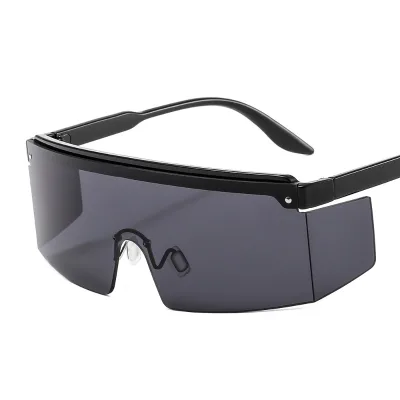
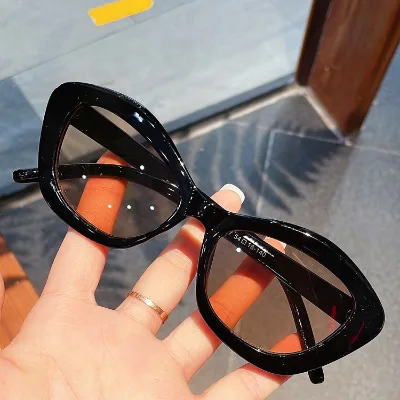
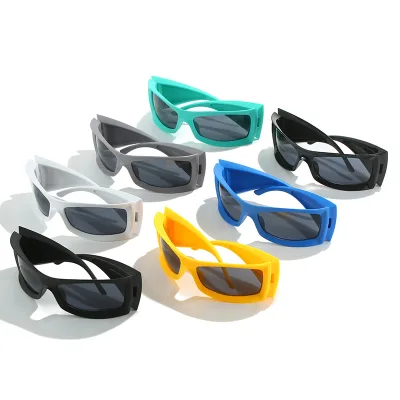


Protective Goggles Sport Goggles Men Tactical Sun Glasses Shooting Glasses
$0.50 - $1.50
MOQ: 500 Pieces


Comprehensive Sourcing Guide
Strategic Sourcing Guide for Windproof Blue Shooting Sunglasses
The procurement of specialized eyewear, specifically Windproof Blue Shooting Sunglasses, requires a rigorous approach that balances optical performance, environmental durability, and supply chain reliability. In the B2B market, buyers often seek products that offer high visibility and protection against wind and debris while maintaining a distinct aesthetic profile. The core keyword "Windproof Blue Shooting Sunglasses" implies a need for eyewear designed for active environments, likely involving tactical, sporting, or industrial applications where wind resistance and specific lens tints are critical. This guide synthesizes available product attributes and industry standards to provide a structured framework for sourcing these items without relying on unverified supplier claims.
Technical Specifications and Material Composition
When evaluating potential inventory for Windproof Blue Shooting Sunglasses, the foundational technical specifications must align with the demands of high-velocity environments. The frame material is a primary determinant of durability and weight. Available data indicates that Polycarbonate (PC) is a prevalent material for frames in this category. PC is favored in the industry for its high impact resistance and lightweight nature, making it suitable for shooting sports where equipment weight can affect stability. The frame construction must be robust enough to withstand physical stress without compromising the fit.
Regarding the optical components, the lens material is equally critical. While some listings suggest Acrylic (AC) lenses, the industry standard for high-performance shooting eyewear often leans toward polycarbonate due to its superior shatter resistance. However, buyers must verify the specific lens material for each SKU, as variations exist. The lens color is a defining feature for the "blue" requirement. The available data lists a wide spectrum of lens color codes (C1 through C13) and specific color names including Blue, Cyan, and various tints. For shooting applications, blue-tinted lenses are often selected to enhance contrast against specific backgrounds or to reduce glare in bright conditions.
The UV protection capability is a non-negotiable technical specification. The provided facts confirm that UV400 protection is a standard attribute for these products. This specification ensures that the lenses block 100% of UVA and UVB rays, which is essential for prolonged outdoor exposure. Buyers should verify that the "windproof" claim correlates with a secure fit, often achieved through adjustable nose pads and temple tips, although specific fit mechanisms were not explicitly detailed in the source data. The frame shape, identified as "Ellipse" in some records, suggests a design that covers a broader area of the eye, potentially offering better peripheral protection against wind and debris compared to smaller, round frames.
Compliance, Certification, and Safety Standards
In the realm of protective eyewear, compliance with safety standards is paramount. The sourcing process must prioritize products that carry recognized certifications. The available data explicitly mentions PPE (Personal Protective Equipment) and CE (Conformité Européenne) certifications. These are significant indicators that the eyewear meets specific European safety standards for impact resistance and optical quality. For buyers targeting markets in Europe or those requiring international safety compliance, the presence of CE marking is a critical verification point.
However, the data also contains conflicting or ambiguous information regarding ultraviolet protection, with one entry stating "Not Ultraviolet" alongside another confirming "UV400." This discrepancy highlights the necessity for rigorous due diligence. Buyers cannot assume that all "blue shooting sunglasses" in a catalog possess UV400 protection; this must be verified on a per-unit basis. The "PPE" designation suggests the product is intended for safety applications, which often implies adherence to impact standards such as ANSI Z87.1 in the United States or EN166 in Europe. Since specific numerical standards beyond the general "PPE, CE" labels are not provided in the source text, procurement teams must request test reports or certification documents from the supplier to confirm the exact standard met.
Furthermore, the "Windproof" attribute, while implied by the product type, is not a standalone certification. It is a functional claim that must be supported by the physical design of the frame and the quality of the lens-to-frame bond. Buyers should inquire about the testing protocols used to validate wind resistance, such as airflow testing or impact testing under simulated wind conditions. The absence of specific test data in the general product facts means that the buyer must treat the "windproof" claim as a performance requirement to be validated through sample testing rather than a guaranteed specification.
Cost Drivers and Pricing Dynamics
Understanding the cost structure of Windproof Blue Shooting Sunglasses is essential for effective budgeting and negotiation. The observed price range in the market data spans from $0.50 to $60.00 USD. This wide variance indicates a highly segmented market with products ranging from basic fashion accessories to high-performance tactical gear. The lower end of the spectrum likely corresponds to generic fashion sunglasses with basic UV protection and standard PC frames, while the higher end may include specialized shooting eyewear with advanced lens coatings, superior impact ratings, and custom branding.
Several factors drive these cost variations. First, the customization level significantly impacts price. The data confirms that customization is available, including OEM (Original Equipment Manufacturer) services and logo acceptance. Products with custom logos, specific color codes (C1-C13), or tailored frame shapes will incur higher unit costs due to the setup and tooling expenses involved. Second, the packaging plays a role; the standard "Box" packaging is noted, but custom packaging solutions can increase the overall cost.
The Minimum Order Quantity (MOQ) is another critical cost driver. The observed MOQ range is between 2 and 3000 units. A lower MOQ allows for smaller, more flexible orders but often results in a higher per-unit cost due to the fixed costs of production runs. Conversely, higher volume orders can leverage economies of scale to reduce the unit price. Buyers must balance their inventory needs against their budget constraints. For instance, an order of 100 units (as noted in one specific attribute) might be the threshold for accessing certain price tiers or customization options. The "Single package size" varies from 17x8x3 cm to 19x9x8 cm, which affects shipping costs, particularly for international procurement. Buyers should calculate the total landed cost, including freight, rather than focusing solely on the unit price.
Typical Applications and Usage Scenarios
The versatility of Windproof Blue Shooting Sunglasses extends across multiple sectors, driven by their functional attributes. The primary application is in shooting sports and tactical training. In these environments, windproofing is crucial to prevent debris from entering the eyes and to maintain a clear line of sight in windy conditions. The blue lens tint is particularly useful for enhancing contrast in outdoor settings, helping shooters distinguish targets from backgrounds. The "Unisex" and "Adult" age group specifications indicate that these products are designed for a broad demographic of adult users, suitable for both professional and recreational shooters.
Beyond shooting, the "Outdoor" usage attribute suggests applicability in other high-exposure activities. These include cycling, hiking, and motorsports, where wind protection and UV safety are essential. The "Decoration" usage noted in the data also points to a fashion-oriented application, where the "Fashion Sunglasses" and "Fahion" (Fashion) style attributes are leveraged. The availability of numerous frame colors (Red, Blue, Black, etc.) and lens colors supports the use of these sunglasses as lifestyle accessories.
The "Both" function attribute implies that the eyewear may serve dual purposes, perhaps combining safety features with everyday wearability. This dual functionality is valuable for buyers looking to source products that can be marketed to multiple segments. For example, a tactical gear retailer might stock these for professional use, while a fashion retailer could market them as stylish outdoor accessories. The "Newest Fashional Sunglasses" and "Sunglasses 2024 Fashionable" keywords suggest that the product line is updated regularly to align with current trends, making them suitable for seasonal procurement strategies.
Supplier Evaluation and Verification Protocols
Selecting the right supplier for Windproof Blue Shooting Sunglasses requires a meticulous evaluation process that goes beyond the product listing. The data indicates that the products originate from Zhejiang, China, a major manufacturing hub for eyewear. While this region is known for its supply chain efficiency, buyers must verify the specific capabilities of the supplier. The "Brand: Non" and "Brand Name: OEM" attributes suggest that many products are unbranded or produced under private label arrangements. This offers flexibility for buyers to create their own brand identity but requires a supplier with strong quality control and branding capabilities.
Buyers should prioritize suppliers who demonstrate transparency regarding their certifications. The mention of PPE and CE certifications is a positive signal, but it must be validated. A reliable supplier will provide up-to-date certification documents and be willing to undergo third-party audits. The "Accept Customized Logo" and "OEM: Acccepted" attributes indicate that the supplier is capable of handling private label orders, but the buyer must confirm the lead times and minimums for these custom services.
Quality control is another critical factor. The "Feature: High Quallity" (High Quality) claim is a common marketing statement and should not be taken at face value. Instead, buyers should request samples to test the physical attributes, such as the impact resistance of the PC frame and the clarity of the blue lenses. The "Condition: New" attribute confirms that the products are not refurbished, but the buyer must ensure that the manufacturing process maintains consistency. The "Single gross weight" of 0.100 kg provides a baseline for shipping calculations, but variations in packaging and components can affect the actual weight.
Quality Control and Long-Term Procurement Considerations
Establishing a robust quality control (QC) protocol is essential for maintaining the integrity of the supply chain. Given the wide range of observed prices and the potential for variation in lens materials (PC vs. AC), a standardized QC checklist is necessary. This checklist should include visual inspections for frame defects, optical tests for UV400 compliance, and impact tests for frame durability. The "Model Number" variations (HNB-239, HNB-275, HNB-82) suggest that different models may have different specifications. Buyers must ensure that the specific model ordered matches the required technical parameters, particularly regarding lens color and frame shape.
Long-term procurement considerations involve building a sustainable relationship with the supplier. The "Customization: Available" and "Customized: Customized" attributes indicate that the supplier is open to ongoing collaboration. Buyers should negotiate terms that allow for iterative improvements based on feedback. For instance, if the initial batch of blue shooting sunglasses receives feedback regarding the fit or wind resistance, the supplier should be able to adjust the design for future production runs.
The "Selling Units: Single item" attribute suggests that the supplier is flexible with order sizes, which can be beneficial for testing the market before committing to large volumes. However, for long-term stability, buyers should aim to consolidate orders to secure better pricing and ensure consistent supply. The "Place of Origin: Zhejiang, China" is a fixed attribute, but buyers should monitor the supply chain for any disruptions or changes in production capacity.
Finally, the "Keyword: Sunglasses 2024 Fashionable" and "Sunglasses 2023 Fashionable" entries highlight the importance of staying current with market trends. Procurement strategies should include regular reviews of the product line to ensure that the inventory remains relevant. By focusing on technical verification, certification validation, and supplier collaboration, buyers can effectively source high-quality Windproof Blue Shooting Sunglasses that meet the demands of their specific market segments.
Comparative Analysis of Product Attributes
To facilitate decision-making, the following table summarizes key attributes observed in the product data, highlighting the variations that buyers must navigate.
| Attribute | Observed Values | Procurement Implication |
|---|---|---|
| Frame Material | PC (Polycarbonate) | High impact resistance; standard for safety eyewear. |
| Lens Material | AC (Acrylic) or PC | Verify per SKU; PC preferred for shooting sports. |
| UV Protection | UV400 (Confirmed) | Essential for outdoor safety; verify on all units. |
| Lens Color | C1-C13, Blue, Cyan, etc. | "Blue" is specific; verify exact code for shooting needs. |
| Frame Shape | Ellipse | Offers broader coverage; suitable for wind protection. |
| Certification | PPE, CE | Indicates safety compliance; request documentation. |
| Customization | Logo, OEM, Colors | Available; impacts MOQ and unit cost. |
| Origin | Zhejiang, China | Major hub; verify supplier capacity and lead times. |
| MOQ | 2 - 3000 units | Flexible; higher volume reduces unit cost. |
| Price Range | $0.50 - $60.00 USD | Wide variance; correlates with quality and customization. |
This comparative analysis underscores the need for precise specification matching. Buyers cannot rely on general product descriptions alone; they must specify the exact model number, lens color code, and certification requirements to ensure the final product meets the "windproof blue shooting" criteria. By adhering to these rigorous standards, procurement teams can secure reliable, high-performance eyewear that satisfies both safety requirements and market demands.
FAQs
Can I get customized logos on these sunglasses?
Yes, customized logos are accepted for these products. The supplier offers OEM services allowing you to add your brand identity to the frames or lenses. This customization is available for orders meeting the minimum quantity requirements, enabling unique branding for your specific market needs.
What certifications do these sunglasses hold?
These sunglasses hold PPE and CE certifications. These marks indicate compliance with specific safety standards for personal protective equipment in Europe. Buyers should verify specific test reports to ensure the eyewear meets the exact impact and optical quality requirements for their intended use cases.
How much is the minimum order quantity?
The minimum order quantity ranges from 2 to 3000 units depending on the specific model and customization level. Some listings indicate a threshold of 100 units for certain options. Lower MOQs allow for smaller test orders, while higher volumes may reduce the per-unit cost through economies of scale.
What material are the frames made from?
The frames are primarily constructed from Polycarbonate (PC) material. This material is chosen for its high impact resistance and lightweight properties, making it suitable for active environments. Buyers should verify the specific lens material as some listings mention Acrylic, which differs in durability.
Do these sunglasses provide UV protection?
Many listings confirm UV400 protection for these sunglasses. This specification ensures blocking of 100% of UVA and UVB rays for outdoor safety. However, some data entries contain conflicting information, so buyers must verify UV protection levels on a per-unit basis before purchasing.
Where are these sunglasses manufactured?
These sunglasses originate from Zhejiang, China. This region is a major manufacturing hub for eyewear with established supply chains. The products are packaged in boxes with specific dimensions, and the origin location influences shipping logistics and lead times for international buyers.