Source Windows CE Laptop Diagnostic Tool for fleet, repair, and testing
Compare 30 Windows CE Laptop Diagnostic Tool options from verified suppliers. Buyers can evaluate specifications like screen size, processor type, and operating system compatibility for vehicle chassis simulation and OBD2 fault code scanning applications.
Key considerations
Products List

Automotive Diagnosis Machine Suspension Inspection Diagnostic Check Tool
$2859.00 - $4299.00
MOQ: 1 Pieces

Vehicle Suspension Inspection Tool Diagnosis Machine Equipment Diagnostic Diagnosis
$2859.00 - $4299.00
MOQ: 1 Pieces


15.6inch Laptop 16GB 32GB RAM Storage Windows 10 OS CE Certification Laptop
$185.00 - $198.00
MOQ: 1 Pieces

15.6inch Laptop 16GB 32GB RAM Storage Notebook CE Certification SSD Windows 10 Laptop
$185.00 - $198.00
MOQ: 1 Pieces


Laptop 14.1 Inch Notebook Camera USB Blue OEM WiFi Status Windows Computer Laptop
$210.00 - $230.00
MOQ: 1 Pieces


Portable Gaming Laptop Customized Laptop Computers Windows 10 Business Laptop Notebook
$210.00 - $230.00
MOQ: 1 Pieces


Industrial Computer Mini PC Office Embedded Compact Laptop Windows Linux
$229.00 - $339.00
MOQ: 1 Pieces


Industrial Computer Mini PC Office Desktop Automation Windows Linux Laptop
$239.00 - $349.00
MOQ: 1 Pieces
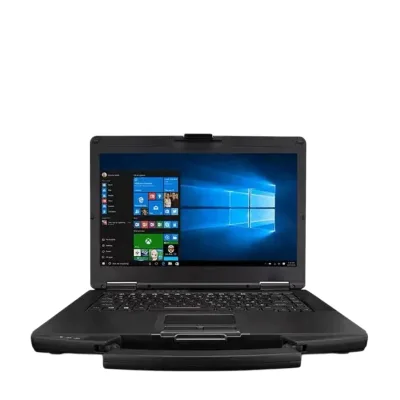


Hot Sale Auto Diagnostic Tool Garage Equipment Key Programmer Auto Diagnostic
$1380.00 - $1656.00
MOQ: 1 Pieces

Factory Direct Sales Professional Vehicle Diagnostic Tool for Auto Repair
$1380.00 - $1656.00
MOQ: 1 Pieces


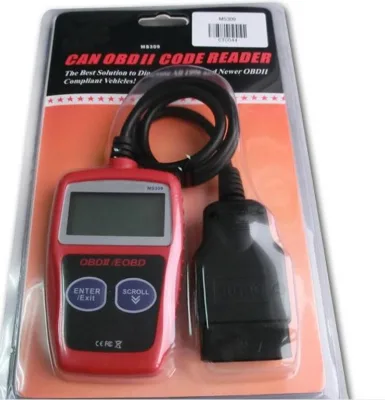

Notebook Laptop Tablet Inch IPS Intel 1tb SSD Windows Mini Computer Laptop
$150.00 - $2000.00
MOQ: 5 Pieces

OEM Computer Windows Graphics Card SSD 256g/512g/1tb Nvme Intel I5 Laptop
$350.00 - $1000.00
MOQ: 10 Pieces


High Quality Auto Diagnostic Tools/Auto Scanner for Car Repair with 10.1 Screen
$1380.00 - $1656.00
MOQ: 1 Pieces

Comprehensive Sourcing Guide
Windows CE Laptop Diagnostic Tool Sourcing Guide
Sourcing a Windows CE Laptop Diagnostic Tool requires a careful balance between legacy system compatibility and modern diagnostic utility. These devices are often deployed in automotive service centers, industrial maintenance facilities, and field engineering teams where ruggedized hardware and specific operating system environments are non-negotiable. The core keyword "Windows CE Laptop Diagnostic Tool" points to a niche segment of computing hardware that, while less common than modern Windows 10/11 or Android-based scanners, remains critical for legacy vehicle diagnostics, specialized industrial equipment, and environments where system stability outweighs the need for the latest software features. Buyers must understand that these tools are not generic consumer laptops but purpose-built instruments designed to run specific diagnostic software suites that may have strict OS dependencies.
The procurement process for these specialized devices involves navigating a market where specifications can vary significantly between suppliers. While many modern diagnostic tools have migrated to Android or standard Windows platforms, Windows CE devices persist in certain applications due to their deterministic behavior and lower resource requirements. This guide provides a structured approach to evaluating these tools, focusing on technical verification, compliance, and commercial terms. By adhering to the evidence-based criteria outlined below, procurement professionals can mitigate the risks associated with legacy hardware, ensuring that the selected devices meet the operational demands of their specific diagnostic workflows without compromising on safety or supportability.
Product Scope and Observed Listing Signals
The observed market signals for diagnostic tools indicate a diverse range of product types, from dedicated OBD2 fault code scanners to more complex multi-function testers. For instance, listings for devices like the T41 OBD2 Fault Code Diagnostic Scanner and the Ba670 2-in-1 OBD2 & Battery Tester highlight the prevalence of handheld or compact diagnostic interfaces. These devices typically feature an OBD connector interface and are designed for direct vehicle communication. While these specific models may not be laptops, they represent the broader category of diagnostic hardware that buyers often evaluate alongside computing devices. The presence of such tools in the same supply chain suggests that buyers may be looking for integrated solutions where the diagnostic interface and the processing unit are either combined or tightly coupled.
In the context of laptop-based diagnostic tools, the observed specifications reveal a focus on robust hardware configurations suitable for field use. Attributes such as a 13-inch widescreen display, quad-core processors, and integrated graphics cards suggest devices designed for visual data analysis and software execution. The inclusion of features like built-in Bluetooth and fingerprint security indicates a need for wireless connectivity and secure access, which are critical for protecting sensitive diagnostic data. Furthermore, the mention of high RAM capacities (128GB to 1TB) and substantial hard disk storage (500GB) points to devices capable of handling large diagnostic databases and multiple software instances simultaneously. Buyers should verify that the specific Windows CE version supported by the laptop is compatible with their required diagnostic software, as this is a primary constraint in device selection.
Technical Specifications to Verify
When evaluating a Windows CE Laptop Diagnostic Tool, the processor and memory configuration are paramount for ensuring smooth operation of diagnostic software. The observed data indicates that devices may utilize Intel processors with varying RAM capacities, ranging from 128GB to 1TB, although typical diagnostic laptops often have lower RAM requirements. Buyers must verify that the CPU architecture is compatible with the Windows CE version and that the RAM is sufficient for the specific diagnostic applications being used. Additionally, the storage capacity, such as the observed 500GB hard disk, should be assessed to ensure it can accommodate the operating system, diagnostic software, and any necessary data logs. It is crucial to confirm that the storage type, whether SSD or HDD, meets the durability requirements for field use.
Connectivity and display specifications are equally important for the usability of diagnostic tools. The observed inclusion of built-in Bluetooth and a 13-inch widescreen display with a resolution of 1920*1080 suggests a focus on user experience and peripheral connectivity. Buyers should verify the presence of necessary ports for connecting diagnostic cables, such as OBD connectors or serial interfaces, which are essential for vehicle or equipment communication. The operating system, specified as Windows in some contexts, must be confirmed to be the correct version of Windows CE required by the diagnostic software. Furthermore, the weight of the device, observed in the range of 1.5~2.0 kg for some tools, should be considered for portability, especially if the device is to be used in mobile service environments.
Compliance and Safety Documentation
Compliance with international standards is a critical factor in sourcing diagnostic tools, particularly those used in automotive and industrial settings. The observed certifications for related diagnostic equipment include CE, ISO, RoHS, CCC, and GS, indicating a range of safety and environmental standards that may apply to laptop-based diagnostic tools. Buyers must verify that the Windows CE laptop meets the relevant CE marking requirements for electromagnetic compatibility and safety, ensuring it can be legally sold and used in the European market. Additionally, ISO certifications, such as ISO 9001, may indicate that the manufacturer follows quality management principles, which can be a proxy for product reliability.
Environmental and safety standards, such as RoHS and CCC, are also important for ensuring that the device does not contain hazardous substances and meets regional safety requirements. The GS mark, a German safety certification, further reinforces the device's compliance with rigorous safety standards. Buyers should request documentation for these certifications from the supplier to verify their validity and scope. It is also important to check for any specific automotive or industrial certifications that may be required for the diagnostic software running on the laptop. Ensuring that the device and its software are fully compliant with local regulations helps avoid legal issues and ensures the safety of the operators using the equipment.
Cost Drivers and Commercial Terms
The cost of a Windows CE Laptop Diagnostic Tool is influenced by several factors, including hardware specifications, software licensing, and compliance certifications. The observed price range for diagnostic tools varies widely, from $12.57 to $4299, reflecting the diversity of products in the market. For laptop-based tools, the cost is likely to be higher due to the inclusion of a display, processor, and operating system. Buyers should expect to pay a premium for devices with higher RAM, larger storage, and robust build quality. Additionally, the cost may include licensing fees for the diagnostic software, which can be a significant recurring expense.
Commercial terms such as MOQ, lead time, and payment methods also impact the total cost of ownership. The observed MOQ range of 1-50 units suggests flexibility for both small and large orders, while lead times of 15-30 days are typical for customized or specialized equipment. Payment methods like T/T, Western Union, and PayPal offer various options for securing transactions. Buyers should negotiate clear terms regarding warranty, support, and software updates to ensure long-term value. It is also important to consider shipping costs, as devices may be shipped via air, sea, or express delivery, depending on the urgency and location.
Supplier Qualification and Quality Control
Supplier qualification is essential for ensuring the reliability and supportability of Windows CE laptop diagnostic tools. Buyers should verify the supplier's certifications, such as ISO and CE, to confirm their adherence to quality and safety standards. The observed mention of OEM services indicates that some suppliers may offer customization options, which can be valuable for specific diagnostic needs. Buyers should assess the supplier's ability to provide technical support, software updates, and spare parts to ensure the long-term viability of the diagnostic tools.
Quality control processes, including testing and inspection, are critical for minimizing defects and ensuring consistent performance. Buyers should request information on the supplier's quality management system and any third-party testing reports. The observed emphasis on high-quality products suggests that reputable suppliers prioritize rigorous testing procedures. Additionally, buyers should consider the supplier's reputation and track record in the market, as well as their ability to handle returns and repairs. Establishing a clear communication channel with the supplier for technical issues can also enhance the procurement experience.
Long-Term Procurement Checks
Long-term procurement checks involve monitoring the performance and supportability of Windows CE laptop diagnostic tools over time. Buyers should establish a schedule for regular maintenance and software updates to ensure the devices remain compatible with evolving diagnostic standards. The observed support for multiple languages, including English, French, German, and others, suggests that devices may be used in diverse international markets, requiring ongoing localization support. Buyers should verify that the supplier can provide timely updates and technical assistance to address any emerging issues.
Furthermore, buyers should assess the lifecycle status of the Windows CE operating system and the diagnostic software. As technology evolves, legacy systems may become obsolete, requiring migration to newer platforms. Buyers should plan for this transition by evaluating the availability of upgrade paths and the cost of migrating to modern diagnostic tools. Additionally, buyers should maintain a record of device performance and supplier responsiveness to inform future procurement decisions. By proactively managing the lifecycle of these tools, buyers can ensure continuous operational efficiency and minimize downtime in their diagnostic workflows.
FAQs
What certifications do the diagnostic tools have?
The diagnostic tools hold ISO, CE, RoHS, CCC, and GS certifications. Some models also include BV ECE110r and Is09001 certificates. These standards ensure compliance with international safety and quality requirements for vehicle diagnostics.
Can the diagnostic scanner support multiple languages?
Yes, the device supports English, French, German, Japanese, Chinese, and Spanish languages. This multilingual capability allows users from various regions to operate the diagnostic scanner effectively without language barriers during vehicle maintenance tasks.
What is the delivery time for these diagnostic tools?
The delivery time ranges from 15 to 30 days for most orders. This lead time accounts for processing and shipping via air, sea, or express delivery methods. Buyers should plan their procurement schedule accordingly to ensure timely arrival.
Which specifications apply to the vehicle chassis simulator?
The simulator supports vehicles up to 3000kg and has a maximum height of 1050mm. It operates within a temperature range of -10 to +50 degrees Celsius. The packing size is 580 by 740 by 1050mm for safe transport.
How much does the diagnostic scanner weigh?
The diagnostic scanner weighs between 1.5 and 2.0 kilograms. This lightweight design facilitates easy portability for technicians working on different vehicle models. The compact weight ensures convenient handling during on-site diagnostic procedures.
What operating system runs on the diagnostic laptop?
The device runs on the Windows operating system. It features a 13-inch widescreen with 1920 by 1080 resolution. The system includes a quad-core Intel processor and supports Android and iOS applications for enhanced functionality.
Is customization available for the diagnostic equipment?
Customization is available for the diagnostic equipment to meet specific buyer needs. OEM services are provided to tailor the product according to requirements. Buyers can request modifications to ensure the tool fits their exact operational specifications.