Source Windproof Waterproof Inverted Umbrella for Travel, Beach, and Auto
Find Windproof Waterproof Inverted Umbrella options from 30 verified listings. Compare features like aluminum alloy frames, polyester fabrics, and custom OEM services to identify the best fit for your specific sourcing needs.
Key considerations
Products List


Beach Windproof Umbrella Outdoor Promotion Umbrella Advertising Umbrella
$6.80 - $8.50
MOQ: 100 Pieces

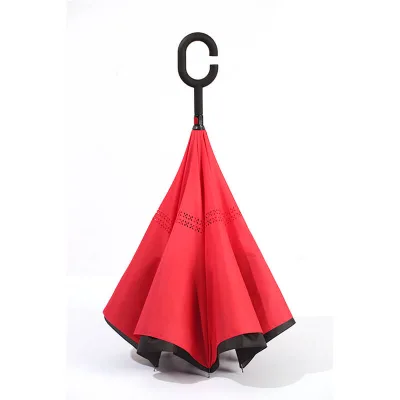
Inverted Umbrella Double Layer Reverse Rainy Sunny Umbrella with C Handle
$2.80 - $4.50
MOQ: 100 Pieces


Double Layer Inverted C-Shaped Handle Anti-UV Waterproof Windproof Straight Umbrella
$2.72 - $2.74
MOQ: 500 Pieces


Cross-Border Reverse Umbrella with Larger Windproof and Sunshade Reverse Umbrella
$2.02 - $2.26
MOQ: 500 Pieces




Waterproof and UV Protected Garden Umbrella with Rotating Canopy for Flexible Shade
$82.00 - $93.00
MOQ: 5 Dozen/Dozens
Comprehensive Sourcing Guide
Windproof Waterproof Inverted Umbrella Sourcing Guide
Sourcing specialized umbrellas requires a clear understanding of the distinct mechanical and material differences between standard folding models and more complex designs like inverted or beach variants. The market offers a wide array of options, ranging from compact advertising umbrellas with short handles to larger, straight-handle beach umbrellas designed for extended outdoor use. Buyers must carefully distinguish between these product types, as their structural integrity, fabric choices, and intended use cases vary significantly. For instance, while some listings highlight aluminum alloy frames for lightweight portability, others specify iron frames for durability in high-wind conditions, directly impacting the final product's performance and cost.
The procurement process is further complicated by the diversity of customization options available from manufacturers in regions such as Zhejiang and Yiwu. Suppliers frequently offer OEM services, allowing buyers to tailor elements like handle material, fabric type, and overall size to specific brand requirements. However, this flexibility comes with varying minimum order quantities (MOQs) and packing specifications that can affect logistics and inventory management. Understanding these baseline variations is crucial for establishing realistic expectations regarding lead times, unit costs, and the feasibility of custom branding efforts.
Product Scope and Observed Listing Signals
The current market landscape for umbrellas includes a broad spectrum of styles, from traditional folding umbrellas to specialized beach and sun umbrellas. Observed listings indicate a price range that reflects this diversity, with costs varying based on material quality and structural complexity. For example, standard folding umbrellas with polyester fabric and plastic handles are often positioned at the lower end of the price spectrum, while more robust models featuring anti-UV properties or unique designs like rainbow elements may command higher prices. Buyers should note that the presence of specific features, such as long handles or square shapes, often correlates with a different target audience and usage scenario.
Material composition plays a pivotal role in defining the product's value proposition and durability. Aluminum alloy frames are commonly associated with lightweight, portable designs, whereas iron frames are typically found in heavier, more durable models intended for harsher conditions. Fabric choices also vary, with polyester being a standard option for general use, while pongee fabric is often selected for its superior water repellency and premium feel. Additionally, some products feature specialized elements such as embroidery or pearl accents, which add aesthetic value but may also influence the manufacturing complexity and associated costs.
Technical Specifications to Verify
When evaluating technical specifications, buyers must prioritize the verification of frame material and handle design, as these components directly influence the umbrella's wind resistance and user comfort. The distinction between short and long umbrella handles is particularly important, as it affects portability and ease of use in different environments. For instance, short handles are ideal for compact folding umbrellas that fit easily into bags, while long handles are better suited for beach or straight umbrellas that require greater reach and stability. Confirming these details ensures that the product aligns with the intended user experience and functional requirements.
Size and structural dimensions are critical factors that must be precisely defined to avoid discrepancies between samples and bulk orders. Listings may specify sizes such as 23 inches for folding models or 1.8 cm for specific component dimensions, but these figures can vary significantly across different product lines. Buyers should request detailed technical drawings or physical samples to verify the actual dimensions, especially for customized orders where standard sizes may not apply. Additionally, the type of umbrella, whether it is classified as an advertising, beach, or sun umbrella, should be clearly documented to ensure that the product meets the specific performance standards associated with that category.
Compliance and Safety Documentation
Compliance with international standards is a key consideration for buyers aiming to distribute products in regulated markets. Many suppliers provide documentation indicating adherence to standards such as SGS, CE, and RoHS, which are essential for ensuring product safety and environmental compliance. However, the specific standards required can vary depending on the target market and the materials used in the umbrella's construction. Buyers should verify that the provided certifications are valid and relevant to the specific product model, as generic claims may not cover all aspects of the manufacturing process.
Quality assurance processes also play a vital role in maintaining product consistency and reliability. Suppliers often highlight their commitment to quality through various certifications and internal testing protocols. For example, some manufacturers may adhere to GEM standards or offer customized quality checks based on buyer requirements. It is essential for buyers to request detailed quality control reports and inspection results to ensure that the products meet the agreed-upon specifications. This due diligence helps mitigate the risk of receiving substandard goods and ensures that the final product performs as expected in real-world conditions.
Cost Drivers and Commercial Terms
Cost drivers in the umbrella market are influenced by a combination of material costs, manufacturing complexity, and customization requirements. The choice of frame material, such as aluminum alloy versus iron, significantly impacts the unit price, as does the type of fabric used, with pongee generally being more expensive than polyester. Additionally, features like anti-UV coatings, embroidery, or unique design elements can add to the overall cost. Buyers should carefully evaluate these factors to understand the true value proposition of each product and avoid overpaying for features that may not be necessary for their specific needs.
Commercial terms, including minimum order quantities (MOQs) and packing specifications, are critical components of the procurement strategy. MOQs can range widely, from as low as 500 pieces for customized orders to higher volumes for standard products, affecting the initial investment required. Packing methods also vary, with options ranging from individual polybags to bulk carton packaging, which can impact shipping costs and storage requirements. Buyers should negotiate these terms early in the process to ensure they align with their budget and logistical capabilities, avoiding unexpected expenses that could erode profit margins.
Supplier Qualification and Quality Control
Supplier qualification is a foundational step in the sourcing process, requiring a thorough assessment of the manufacturer's capabilities and reputation. Buyers should verify the supplier's location, with many reputable manufacturers operating in regions like Zhejiang and Yiwu, known for their expertise in umbrella production. It is also important to confirm the supplier's ability to handle OEM requests and provide customized solutions, as this flexibility can be crucial for meeting specific brand requirements. Engaging with suppliers who have a proven track record of delivering high-quality products can significantly reduce the risk of supply chain disruptions.
Quality control measures must be rigorously enforced to ensure that the final products meet the agreed-upon standards. Buyers should implement a comprehensive inspection process that includes pre-production samples, in-line checks, and final random inspections. This approach helps identify and address potential issues early in the manufacturing process, preventing costly delays and rejections. Additionally, maintaining open communication with the supplier regarding quality expectations and feedback can foster a collaborative relationship that leads to continuous improvement and better product outcomes.
Long-Term Procurement Checks
Long-term procurement success depends on establishing robust relationships with suppliers who can consistently deliver high-quality products at competitive prices. Buyers should regularly review supplier performance metrics, including on-time delivery rates, product quality consistency, and responsiveness to issues. This ongoing evaluation helps identify potential risks and opportunities for improvement, ensuring that the supply chain remains resilient and efficient. Building a diversified supplier base can also mitigate the risk of dependency on a single source, providing greater flexibility in managing market fluctuations and demand changes.
Continuous monitoring of market trends and technological advancements is essential for staying competitive in the umbrella industry. Buyers should stay informed about new materials, design innovations, and regulatory changes that may impact product development and compliance requirements. By proactively adapting to these changes, buyers can ensure that their product offerings remain relevant and appealing to consumers. Additionally, investing in supplier development programs and collaborative innovation initiatives can drive long-term value creation and strengthen the overall procurement strategy.
FAQs
Can I customize the fabric and handle for inverted umbrellas?
Yes, customization is available for fabric and handle materials. You can select from options like polyester or pongee fabrics and choose between plastic handles or short and long umbrella handles. This allows you to tailor the product to your brand identity while maintaining the core inverted design functionality.
What certifications are required for these umbrella products?
Products typically meet SGS, CE, and RoHS standards. Some items also comply with GEM standards. These certifications ensure safety and quality compliance for international markets. Verify specific model requirements, such as RG0828-19 or RG066-1, to confirm the exact documentation needed for your target region.
What is the typical MOQ for custom orders?
The minimum order quantity ranges from 5 to 3000 pieces depending on the model. Some specific items like the Nylon Children Umbrella-079M have an MOQ of 500 PCS. Flexible packaging options are available, allowing you to negotiate quantities that fit your inventory needs and budget constraints effectively.
Where are these umbrellas manufactured?
Manufacturing locations include Zhejiang and Yiwu in China. These regions are known for their robust supply chains and production capabilities. Origin details vary by model, so you should check specific product pages to confirm the exact factory location and associated logistics advantages for your shipment planning.
What frame materials are used in these umbrellas?
Frames are constructed from aluminum alloy or iron. Aluminum alloy frames offer lightweight durability, while iron frames provide sturdy support. The choice depends on the specific model, such as the Square Umbrella-033N or Invertible Umbrella-088R. Selecting the right material ensures the umbrella meets your strength and weight requirements.