Source Winter Outdoor Rabbit Fur Hat for Skiing Travel Daily
Explore 30 listings for the Winter Outdoor Rabbit Fur Hat suitable for skiing, travel, and daily wear. Buyers can compare features like adjustable head circumference, various colors, and customization options from verified suppliers; compare the available evidence and request quotations based on your requirements.
Key considerations
Products List
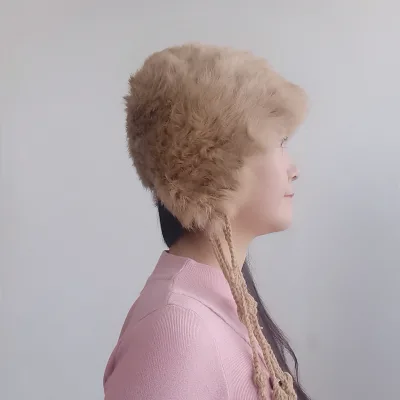
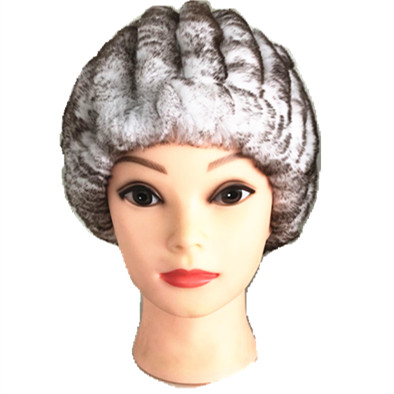


Fashion Fluffy Warm Bucket Hats Custom Women Outdoor Rabbit Fur Winter Hat
$1.00 - $4.00
MOQ: 100 Pieces


Women's Beret Fashionable Rabbit Fur Warm Hat Outdoor Travel Casual French Hat
$1.00 - $4.00
MOQ: 100 Pieces


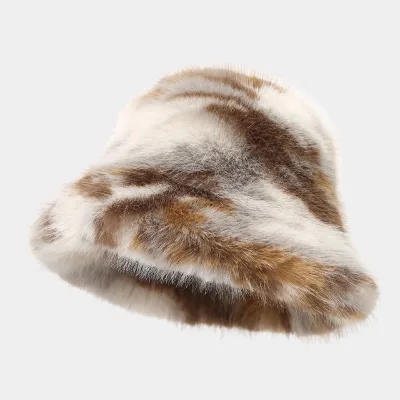


The New Gradient Rabbit Fur Women's Versatile Autumn and Winter Warm Plush Bucket Hat
$2.29 - $3.79
MOQ: 500 Pieces


Comprehensive Sourcing Guide
Winter Outdoor Rabbit Fur Hat Sourcing Guide
Procuring winter outdoor rabbit fur hats requires balancing aesthetic appeal with functional warmth for unisex and female demographics. The observed market data indicates a primary focus on fashion-forward designs suitable for sports, skiing, travel, and casual daily wear. Buyers must recognize that while the product is marketed for extreme cold, the specific material composition often blends natural fur with synthetic elements like polyester to ensure durability and ease of care.
Sourcing decisions should prioritize suppliers who offer flexible customization options, including embroidered logos and varied printing methods such as sublimation or puff printing. The available head circumference ranges from 54 to 62 centimeters, with adjustable options ensuring a secure fit for diverse adult users. Understanding these specifications is critical before engaging with manufacturers, as the product's versatility across seasons like autumn and spring depends heavily on the specific knitting techniques and fabric density selected.
Product Scope and Observed Listing Signals
The product scope encompasses a wide array of styles, ranging from plain dyed rabbit fur to complex designs featuring animal patterns or sequin embroidery. Listings frequently highlight the "Rabbit Fur Hat" as a core item, yet the material composition varies, with some entries specifying 100% polyester shells or mixed fur blends. This variation necessitates a rigorous review of the shell material and fabric type to ensure the final product meets the intended warmth and comfort requirements for outdoor winter activities.
Observed listing signals reveal a strong emphasis on customization capabilities, with many suppliers accepting OEM and ODM requests for branded labels and specific logo placements on the front panel. The color palette typically includes white, brown, watermelon red, and black, allowing buyers to align inventory with seasonal trends. However, the "One Size" or "F" designation often masks the actual head circumference variability, requiring buyers to verify if the product includes adjustable features or specific sizing bands to accommodate the 54-62cm range effectively.
Technical Specifications to Verify
Buyers must meticulously verify the technical construction of the hat, specifically the knitting techniques and finishing methods used to create the final garment. The market offers diverse production methods including flat knitting, computer knitting, hand knitting, and various embroidery styles like 3D or machine embroidery. These techniques directly influence the hat's texture, durability, and ability to retain heat, making it essential to request physical samples to assess the quality of the jacquard, space-dyed, or heat-transfer printed elements before committing to a bulk order.
Dimensional accuracy is another critical verification point, as the single package size is listed as 30x30x10 cm with a gross weight of 1.000 kg. While some listings suggest a "One Size" fit, the detailed specifications indicate head circumferences ranging from 54 to 62 centimeters, with some products explicitly offering adjustable bands. Procurement teams should confirm whether the crown structure is fixed or adjustable and ensure the brim design, noted as "without brim" in some entries, aligns with the intended outdoor application to prevent wind chill or discomfort during activities like cycling or skiing.
Compliance and Safety Documentation
Ensuring compliance with safety standards is paramount when sourcing fur products, particularly those intended for children or sensitive skin, although the current data specifies adult sizing. Buyers should request documentation verifying that the fur sourcing adheres to ethical standards and that any chemical treatments used for dyeing or printing do not exceed permissible limits for hazardous substances. While specific certification names are not provided in the listing data, the presence of "COMMON" fabric features suggests a need for standard textile safety checks regarding flammability and skin irritation.
Documentation regarding the printing methods and materials used for customization must also be scrutinized to ensure they meet international safety regulations. The variety of printing techniques, from foil and glitter prints to luminous and discharge printing, introduces potential chemical risks that require verification. Procurement teams should demand Material Safety Data Sheets (MSDS) for all inks and adhesives used in the customization process to confirm that the final product is safe for prolonged skin contact during winter outdoor exposure.
Cost Drivers and Commercial Terms
The cost of winter outdoor rabbit fur hats is significantly influenced by the complexity of the production techniques and the extent of customization required. Items featuring advanced embroidery, 3D designs, or specialized printing methods like sublimation or puff printing will command higher prices compared to plain dyed or simple knitted versions. Additionally, the choice between natural rabbit fur and polyester blends creates a substantial price variance, with natural materials generally incurring higher raw material costs and more complex supply chain logistics.
Commercial terms such as Minimum Order Quantity (MOQ) and lead times are critical factors in budgeting and inventory planning. The observed MOQ ranges from 1 to 500 units, offering flexibility for small businesses while potentially increasing per-unit costs for smaller batches. Sample delivery times are noted as one week, which is favorable for rapid prototyping, but bulk production lead times must be confirmed with the supplier to ensure timely delivery for the winter season. Buyers should also clarify packaging requirements, as carton packing is standard but may incur additional costs for custom branding.
Supplier Qualification and Quality Control
Supplier qualification should focus on verifying their capacity to handle the diverse technical requirements of rabbit fur hat production, including knitting, embroidery, and printing. Buyers must assess whether the supplier has the necessary machinery for automated embroidery, flat knitting, and heat-transfer printing to maintain consistency across large orders. The ability to produce both unisex and female-specific designs with varying head circumferences indicates a robust manufacturing capability that should be validated through factory audits or detailed capability statements.
Quality control protocols must be established to ensure that the final product matches the approved sample in terms of color, texture, and fit. Given the variability in color options like watermelon red, brown, and black, strict color matching standards are essential to prevent batch inconsistencies. Buyers should implement a pre-shipment inspection process that checks for defects in the embroidery, the integrity of the adjustable bands, and the overall structural soundness of the hat to ensure it meets the "Warm Comfortable" functional claim.
Long-Term Procurement Checks
Establishing a long-term procurement strategy involves regular performance reviews of the supplier's ability to maintain quality and meet delivery schedules. Buyers should track the consistency of the head circumference sizing and the durability of the fur and fabric materials over multiple production cycles. This data collection helps identify any drift in manufacturing standards that could affect the product's reputation for warmth and comfort in winter outdoor environments.
Continuous market monitoring is also necessary to adapt to changing fashion trends and material availability. The observed style trends, such as European and American influences or animal pattern themes, may shift rapidly, requiring suppliers to be agile in their design and production capabilities. Procurement teams should maintain open communication channels with suppliers to anticipate material shortages or regulatory changes that could impact the supply chain, ensuring a steady flow of high-quality rabbit fur hats for the evolving winter market.
FAQs
What materials are used for the rabbit fur hat shell?
The shell material is primarily rabbit fur, providing a soft and warm texture suitable for cold weather. Some variations may include polyester components for durability. The fabric type is consistently identified as rabbit fur, ensuring a luxurious feel. This material choice supports the hat's function as a warm and comfortable accessory for winter and autumn seasons.
Can I customize the logo on the rabbit fur hat?
Yes, customized logo labels are accepted for these hats. OEM and ODM services are available to meet specific branding needs. The logo position is typically on the front panel, though other options may exist. Various printing methods like sublimation or embroidery can be used. This customization allows buyers to create unique products for their target audience.
What sizes are available for the rabbit fur hat?
The hat is available in adjustable sizes or specific head circumferences ranging from 54-62cm. Options include 54-56CM, 56-58CM, 58-60CM, and 60-62CM. Some listings indicate a one-size-fits-all or F size. This flexibility ensures a comfortable fit for most adults. The adjustable design accommodates different head shapes and sizes effectively.
How long does sample delivery take for this product?
Sample delivery time is approximately one week. This lead time allows for quick evaluation of product quality and customization options. Buyers can assess the rabbit fur texture and stitching before placing bulk orders. The standard packing is in cartons, ensuring safe transport. This timeframe supports efficient sourcing decisions for winter apparel needs.
Where is the rabbit fur hat manufactured?
The place of origin for these hats is China. This location is a major hub for fur and textile manufacturing. Buyers can access a wide range of suppliers and manufacturers in this region. The production capabilities include various techniques like knitting and embroidery. This origin supports competitive pricing and diverse design options for global buyers.
What colors are offered for the rabbit fur hat?
Available colors include white, brown, watermelon red, and black. These options cater to diverse fashion preferences and seasonal trends. The plain dyed pattern ensures a consistent and elegant look. Buyers can select colors that match their brand identity or target market. This variety allows for flexible inventory planning and product differentiation.