Source Winter Lining Gardening Gloves for Planting, Cleaning, and Pet Care
Find 30 Winter Lining Gardening Glove options featuring latex, PU, and cotton materials. Compare models like HLG110 and HKL001 for anti-static, anti-scratch, and puncture resistance. Evaluate CE EN388 certified gloves suitable for household appliances, gardening, and pet care tasks; compare the available evidence and request quotations based on your requirements.
Key considerations
Products List


Durable Industrial Multi Use Anti-Slip Gardening Work Ladies PU Coated Glove
$0.20 - $0.25
MOQ: 12000 Pairs
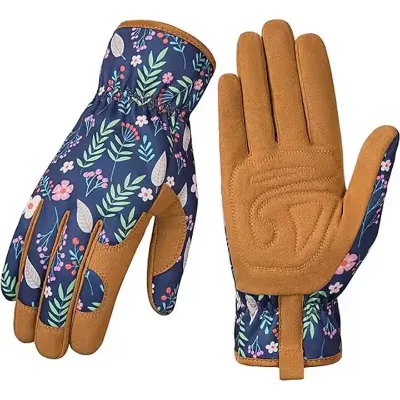
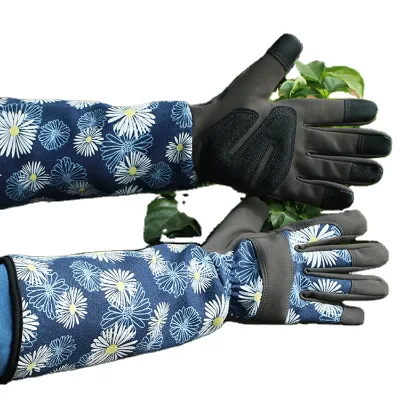
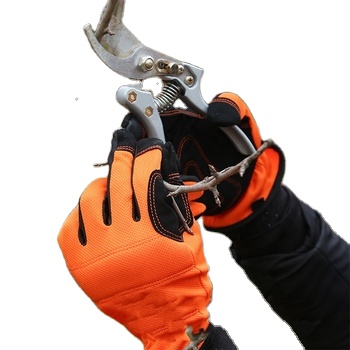


High Quality Winter Latetx Coated Gloves for Gardening with Latex Crinkle
$0.17 - $0.25
MOQ: 12000 Pairs


Durable Rubber Glove Safety Working Gloves for Gardening with Low Price
$0.17 - $0.25
MOQ: 12000 Pairs

Customized Anti-Static Winter Work Hand Industrial Gloves for Gardening
$0.17 - $0.25
MOQ: 12000 Pairs


Comprehensive Sourcing Guide
Winter Lining Gardening Glove Sourcing Guide
Procurement teams must first distinguish between disposable and durable options when sourcing winter lining gardening gloves, as the supplied data reveals conflicting product attributes regarding disposability. Some listings explicitly describe the item as disposable, while others categorize it as non-disposable, indicating a critical need to verify the intended lifecycle before placing bulk orders. This distinction directly impacts inventory planning and waste management strategies for agricultural or landscaping operations.
Buyers should also evaluate the specific liner material, as observed listings mention both polyester and nylon options alongside cotton variants. The choice of liner material influences thermal retention and breathability, which are essential for comfort during extended winter gardening sessions. Verifying the exact composition ensures the selected glove meets the specific climate conditions and physical demands of the intended work environment without compromising dexterity.
Product Scope and Observed Listing Signals
The observed product range includes specialized models like HLG110 and HKL001, which feature reinforced leather palms or foam latex coatings to enhance grip and durability. These variations suggest that winter lining gardening gloves are not a monolithic category but rather a spectrum of tools designed for different tasks, ranging from general household electrical appliance maintenance to specific pet care and heavy-duty gardening. Understanding these functional differences helps buyers align their procurement with precise operational needs.
Listing signals indicate a wide price variance from $0.08 to $74.60, reflecting differences in material quality, coating technology, and production volume. The minimum order quantities observed range significantly from 10 to 24,000 units, requiring buyers to assess their volume requirements against supplier flexibility. High-volume purchasers may benefit from the 240-pair-per-carton packing standard, while smaller operations might need to negotiate custom packaging to avoid excessive inventory costs.
Technical Specifications to Verify
Thickness and length are critical technical parameters, with observed specifications noting "thickened" profiles and "medium" lengths to provide adequate protection against cold and abrasion. Buyers must confirm that the glove thickness aligns with the specific hazards of their work, such as handling sharp branches or operating machinery, while ensuring the medium length does not restrict wrist movement during repetitive tasks.
The cuff design and tightness also require careful verification, as listings show both loose and tight safety cuff options. A loose cuff may offer better comfort and breathability for light tasks, whereas a tight safety cuff is likely necessary to prevent debris entry during intensive gardening or cleaning operations. Selecting the correct cuff configuration ensures the glove remains secure and effective throughout the duration of the work shift.
Compliance and Safety Documentation
Safety compliance is paramount, with multiple listings citing CE EN388 certification as a standard requirement for these protective gloves. Buyers must request specific test reports that validate the claimed performance levels, as the data references various standard codes such as 4121 and 2121, which correspond to different resistance ratings against abrasion, cut, tear, and puncture. Relying solely on a general "CE EN388" claim without specific numerical ratings can lead to purchasing gloves that do not meet the actual safety demands of the job.
In addition to mechanical protection, chemical and material safety must be verified, particularly for gloves made from latex or polyurethane. Some product standards explicitly state content compositions like 100% polyurethane or 100% latex, which are vital for buyers managing allergies or specific chemical exposure risks. Ensuring that the supplier provides clear material declarations and compliance certificates prevents potential liability issues and ensures worker safety in diverse environments.
Cost Drivers and Commercial Terms
Material composition is a primary cost driver, with options ranging from cotton and polyester to advanced foam latex and polyurethane coatings. The inclusion of specialized features like anti-static, anti-scratch, and anti-puncturing functions further influences the unit price, requiring buyers to balance performance needs against budget constraints. Understanding these material costs helps in negotiating better terms and avoiding over-specification for tasks that do not require high-level protection.
Packing configurations and order volumes significantly affect the final landed cost, as observed data shows packing options ranging from one dozen per polybag to 240 pairs per carton. Buyers should calculate the cost efficiency of bulk packaging versus smaller units based on their storage capacity and distribution requirements. Negotiating flexible MOQs and consolidated shipping terms can further optimize the total cost of ownership for winter lining gardening gloves.
Supplier Qualification and Quality Control
Supplier location and origin are key factors, with the majority of observed products originating from Zhejiang, China, a known hub for glove manufacturing. Buyers should verify the supplier's production capacity and quality control processes to ensure consistency, especially given the wide range of observed models and specifications. A qualified supplier will demonstrate the ability to maintain strict adherence to the specified standards and material compositions across large production runs.
Quality control checks must focus on the consistency of the liner and outer material, as well as the integrity of the safety cuff and palm reinforcement. Since some listings claim both disposable and non-disposable attributes, buyers must implement rigorous sampling protocols to confirm the actual durability and intended use of the received goods. Establishing clear acceptance criteria based on the observed technical specifications prevents the receipt of substandard or mismatched inventory.
Long-Term Procurement Checks
Sustainability and material longevity are essential considerations for long-term procurement strategies, particularly given the varying claims about disposability and material content. Buyers should assess the environmental impact of the chosen materials, such as the biodegradability of cotton versus the durability of synthetic latex or polyurethane, to align with corporate sustainability goals. Regularly reviewing supplier performance against these long-term metrics ensures a resilient supply chain that adapts to changing environmental regulations.
Continuous monitoring of product performance in the field is necessary to validate the initial technical specifications and safety claims. Buyers should track wear rates, comfort levels, and protection efficacy over time to determine if the current glove models remain suitable for their specific winter gardening applications. This feedback loop allows for data-driven adjustments to future procurement orders, ensuring that the selected gloves continue to meet the evolving needs of the workforce.
FAQs
What materials are used for winter lining gardening gloves?
These gloves typically feature polyester or nylon liners for warmth and comfort. Some models use cotton for breathability, while others utilize latex or PU coatings on the palm for durability. The outer materials vary to suit specific gardening tasks, ensuring protection against scratches and punctures while maintaining flexibility for precise work.
Can winter lining gardening gloves be customized for branding?
Yes, customization is available for many Winter Lining Gardening Glove models. Buyers can often request specific packaging configurations, such as polybag or carton quantities, to suit their distribution needs. This flexibility allows businesses to tailor the product presentation to their market requirements without compromising on the essential safety and performance features of the gloves.
Which certifications do winter lining gardening gloves meet?
Many winter lining gardening gloves comply with CE EN388 standards, ensuring they meet European safety requirements for mechanical risks. Specific models may carry certificates like CE EN388 4121 or 2121, indicating varying levels of abrasion, cut, tear, and puncture resistance. These certifications provide assurance of quality and safety for professional and household gardening applications.
How are winter lining gardening gloves packaged for shipment?
Packaging options typically include one dozen per polybag, with larger cartons containing 240 or 300 pairs. This standardized packing ensures efficient handling and storage for bulk orders. The specific carton quantity depends on the model and material, allowing suppliers to optimize shipping volume and protect the gloves from damage during transit to international destinations.
What are the common uses for winter lining gardening gloves?
These gloves are designed for gardening, planting, and general household electrical appliance maintenance. They are also suitable for pet care and cleaning tasks due to their anti-static and anti-scratch properties. The reinforced leather or foam latex palms provide grip and protection, making them versatile tools for various outdoor and indoor maintenance activities requiring hand protection.
What sizes are available for winter lining gardening gloves?
Standard sizes such as Small (S) are commonly available to fit a range of hand dimensions. The cuff tightness varies, with options including loose or tight fits to ensure secure wear during active gardening. Buyers should check specific model specifications to determine the exact size range and fit characteristics to ensure optimal comfort and dexterity for their workforce.