Source Winter Leisure Ski Jacket for Skiing, Hiking, and Daily Wear
Explore 30 options for the Winter Leisure Ski Jacket, featuring windproof and waterproof polyester and nylon materials. Compare OEM and ODM services, custom sizes, and various color patterns from manufacturers in China and Jiangxi.
Key considerations
Products List


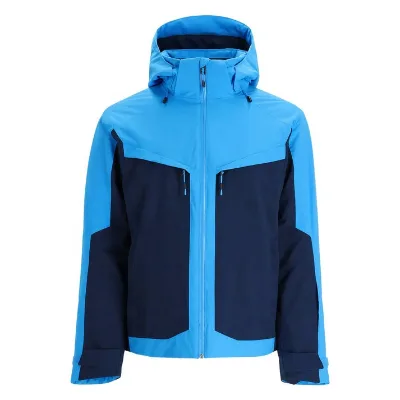


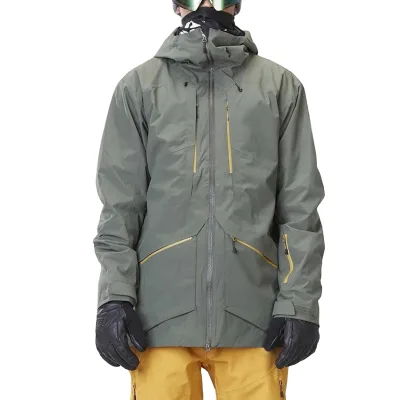


Comprehensive Sourcing Guide
Winter Leisure Ski Jacket Sourcing Guide
Sourcing winter leisure ski jackets requires a careful balance between technical performance and aesthetic versatility. These garments are designed for cold-weather activities, offering protection against wind, water, and dust while maintaining breathability for active use. Buyers must distinguish between high-performance technical shells and casual leisure styles, as the material composition and construction methods vary significantly. The observed market data indicates a diverse range of options, from standard polyester blends to more durable nylon constructions, each serving different segments of the winter apparel market.
The procurement process involves navigating various customization options, including OEM and ODM services, which allow brands to tailor designs to specific market demands. With observed price points ranging from $8.9 to $78.8 USD, the market segment spans from budget-friendly casual wear to mid-range technical apparel. Understanding the relationship between material costs, customization complexity, and order volume is essential for effective budgeting. Buyers should focus on verifying the specific attributes of each supplier’s offering rather than relying on generalized category descriptions.
Product Scope and Observed Listing Signals
The current market landscape for winter leisure ski jackets includes a wide variety of styles, colors, and sizes, catering to both men and women. Observed listings highlight specific models such as SJM-0000, SJM-0013, and CTA032, indicating a robust inventory of distinct product lines. These models often feature custom sizing options, including standard sizes like S and XL, as well as fully customizable dimensions to accommodate diverse body types. The availability of colors ranging from specific shades like green, blue, and black to broader options like "any color" or "colourful" suggests a high degree of flexibility in design execution.
Key product attributes frequently cited include windproof, waterproof, dust-proof, and breathable features, which are critical for winter apparel functionality. Materials predominantly consist of polyester and nylon, chosen for their durability and weather-resistant properties. The style classification often overlaps between "ski jacket," "casual clothes," and "leisure jacket," reflecting the hybrid nature of modern winter wear that bridges performance and everyday fashion. Buyers should note that while these features are commonly listed, they must be verified against specific product samples to ensure they meet the intended use case.
Technical Specifications to Verify
Material composition is a primary technical specification that directly impacts the jacket’s performance and longevity. Polyester and nylon are the most common materials observed, each offering distinct advantages in terms of weight, flexibility, and water resistance. Buyers must verify the denier count and fabric treatment to understand the actual level of waterproofing and breathability provided. Additionally, the presence of features such as anti-static properties and stand collars adds functional value, particularly in dry, cold environments where static electricity and neck protection are concerns.
Packaging and dimensional standards are also critical technical details that affect logistics and retail presentation. Observed packing methods include 1PC per polybag or PP bag, with carton quantities varying from 8 to 30 pieces depending on the supplier and model. Standard carton dimensions are noted as 35205cm, which is essential for calculating shipping volume and warehouse storage requirements. Buyers should confirm whether these packaging standards are rigid or flexible, as custom packaging requirements may incur additional costs or affect lead times.
Compliance and Safety Documentation
While specific certification statuses are not explicitly detailed in the observed listings, buyers must ensure that all winter ski jackets comply with relevant safety and quality standards for the target market. This includes verifying that materials are free from harmful substances and that the manufacturing process adheres to environmental regulations. Documentation such as material safety data sheets (MSDS) and test reports for water resistance and breathability should be requested from suppliers to validate performance claims.
Compliance also extends to labeling and care instructions, which must be accurate and compliant with local consumer protection laws. Buyers should verify that the "winter ski jacket" standard mentioned in some listings refers to a recognized industry benchmark or a specific company standard. It is crucial to clarify whether these standards are internally defined or aligned with international norms, as this affects the product’s marketability and legal compliance in different regions.
Cost Drivers and Commercial Terms
The observed price range of $8.9 to $78.8 USD reflects significant variation based on material quality, customization level, and order volume. Lower price points are typically associated with standard designs, basic materials like polyester, and higher minimum order quantities (MOQs), which can range from 2 to 1000 pieces. Higher price points may correspond to complex ODM services, premium nylon materials, or lower MOQs that allow for greater design flexibility and faster turnaround.
Commercial terms such as sample time and delivery time are critical factors in the total cost of ownership. Sample production typically takes 7-10 days, while bulk delivery times are normally 60-90 days. Buyers must account for these lead times in their inventory planning and budget for potential expedited shipping costs if deadlines are tight. Understanding the relationship between MOQ, price, and lead time allows for more accurate forecasting and negotiation with suppliers.
Supplier Qualification and Quality Control
Supplier qualification is essential to ensure consistent quality and reliable delivery. Most observed suppliers identify as manufacturers and exporters, offering both OEM and ODM services, which indicates a capability for both production and design innovation. Buyers should verify the supplier’s production capacity, quality control processes, and past performance with similar orders. The origin of products, primarily from Taian and Jiangxi, China, provides insight into the regional manufacturing ecosystem and potential logistical advantages.
Quality control measures should include pre-production sample approvals, in-line inspections, and final random inspections before shipment. Buyers must establish clear acceptance criteria for defects, such as stitching errors, material inconsistencies, or color mismatches. Given the custom nature of many orders, it is crucial to have a robust communication channel with the supplier to address any issues promptly and ensure that the final product matches the approved sample.
Long-Term Procurement Checks
Long-term procurement success depends on building a sustainable relationship with suppliers who can adapt to changing market demands. Buyers should regularly review supplier performance metrics, including on-time delivery rates, product quality consistency, and responsiveness to issues. Continuous improvement initiatives, such as feedback loops on product design and material performance, can help refine the sourcing strategy over time.
Additionally, buyers should monitor market trends and technological advancements in winter apparel materials and construction. Staying informed about new fabric technologies or sustainable manufacturing practices can provide a competitive advantage. Regular audits and supplier evaluations ensure that the sourcing partner remains aligned with the buyer’s quality standards and business objectives, fostering a resilient and efficient supply chain.
FAQs
What customization options are available for winter leisure ski jackets?
Customization is available for style, color, and size to meet specific buyer requirements. You can select from any color and request custom sizes like S or XL. The supplier offers OEM and ODM services to tailor the jacket pattern and features such as windproof and waterproof capabilities.
How long does it take to receive samples of the ski jacket?
Sample time is typically 7 to 10 days after order confirmation. This duration applies to producing a single unit for quality verification. Once samples are approved, the main production lead time normally extends to 60 to 90 days for bulk delivery.
Which materials are used to manufacture these winter ski jackets?
The jackets are primarily manufactured using Polyester and Nylon materials. These fabrics provide essential features like being windproof, waterproof, and breathable. The material choice ensures durability and comfort for adults wearing the jacket during winter seasons.
Can I order winter leisure ski jackets with specific packaging requirements?
Yes, packaging can be customized according to your specific needs. Standard options include 1 piece per polybag or 8 pieces per carton, but you may request alternative arrangements. The supplier accommodates custom packing requirements to suit your logistics and distribution strategy.
What is the minimum order quantity for these ski jackets?
The minimum order quantity ranges from 2 to 1000 pieces depending on the specific product model and negotiation. Buyers can start with small quantities for testing or place larger orders for bulk distribution. This flexibility supports both trial orders and large-scale procurement needs.
Where are these winter ski jackets manufactured and shipped from?
The products originate from Taian and Jiangxi in China. The supplier operates as a manufacturer and exporter, ensuring direct control over the production process. Goods are shipped from these locations with a standard delivery time of 60 to 90 days.
What features do these winter leisure ski jackets offer?
These jackets feature windproof, waterproof, dust-proof, breathable, and anti-static properties. They are designed for leisure and skiing activities with a stand collar and regular clothing length. The style is customizable to fit various preferences while maintaining high performance in winter conditions.