Source Winter Touchscreen Gloves for Cycling Skiing and Motorcycling
Explore 30 options for Winter Touchscreen Gloves designed for outdoor activities. Buyers can compare features like waterproofing, anti-slip grip, and customization availability across various models from Chinese manufacturers.
Key considerations
Products List


Thick Winter Gloves Cold Weather Touch Screen Gloves Wholesale Warm Gloves
$2.00 - $3.00
MOQ: 500 Pairs


Chinese Manufacturer Winter New Touchscreen Gloves Anti Cold Cotton Gloves
$0.35 - $1.00
MOQ: 3000 pair
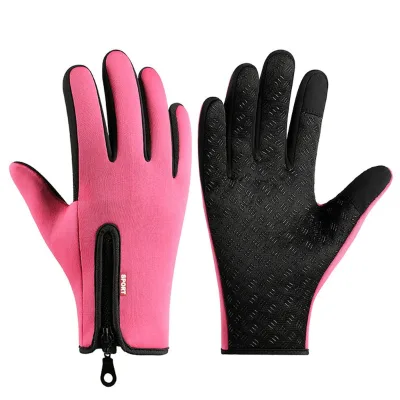


Comprehensive Sourcing Guide
Strategic Sourcing Guide for Winter Touchscreen Gloves
Understanding Technical Specifications and Material Composition
When sourcing Winter Touchscreen Gloves, the primary objective is to balance thermal retention with functional dexterity. The supply chain for these items is characterized by a diverse range of material compositions, each offering distinct performance profiles. Based on current market observations, the dominant materials include Acrylic, 100% Polyester, and PU Synthetic Leather. Acrylic is frequently cited for its ability to mimic the warmth of wool while maintaining a soft hand feel, making it a popular choice for general winter wear. Conversely, 100% Polyester offers durability and moisture-wicking properties, which are critical for high-activity scenarios. PU Synthetic Leather provides a rugged exterior that resists abrasion, often preferred for motorcycle or cycling applications where grip and protection are paramount.
The construction of the glove is equally vital. Specifications indicate that models often feature full-finger designs, ensuring complete coverage and protection against cold winds. The "touchscreen" functionality, implied by the core keyword, requires conductive threads or specialized materials in the thumb and index finger areas, though specific conductive technologies vary by manufacturer. Buyers must verify that the conductive elements do not compromise the structural integrity of the fabric. Furthermore, the presence of embellishments such as bows or buttons suggests a focus on aesthetic customization, which is a common requirement for branded merchandise. These decorative elements must be securely attached to prevent detachment during rigorous use, particularly in sports contexts.
Functional Attributes and Usage Scenarios
The versatility of winter gloves is defined by their intended usage scenarios. Market data reveals a clear segmentation between casual thermal wear and specialized athletic gear. For general use, attributes such as "Waterproof" and "Anti-Slip" are critical. Waterproofing ensures that the hands remain dry in snowy or rainy conditions, while anti-slip features provide necessary traction when handling equipment or tools. In contrast, specialized models are explicitly labeled for "Racing Gloves," "Motorcycle & Bicycle Gloves," or "Ski Gloves." These applications demand higher levels of protection and specific ergonomic designs.
The "Suitable Occasions" for these products often include cycling, skiing, shoveling snow, and general sports. This broad applicability suggests that a single SKU may not suffice for a buyer targeting multiple demographics. For instance, a glove designed for shoveling snow requires a different cuff length and wrist closure mechanism compared to a racing glove, which prioritizes aerodynamic fit and minimal bulk. The "Function" of hands warming is a baseline expectation, but the method of achieving this varies. Some models rely on thick insulation, while others utilize thermal lining technologies. Buyers should cross-reference the stated usage with the specific material properties to ensure the glove can withstand the environmental stresses of the intended activity.
Compliance, Standards, and Quality Verification
Navigating the compliance landscape for winter gloves requires a rigorous approach to verifying standards and certifications. While specific certification bodies are not universally mandated for all glove types, buyers must establish clear quality benchmarks. The supply context indicates that product standards can be "customized," meaning there is no single universal standard that applies to every unit. Instead, manufacturers often adhere to internal quality protocols or specific industry norms. For instance, one observed standard mentions a production capacity of 50,000 pieces per week, which serves as a proxy for the manufacturer's operational scale rather than a product quality metric.
Buyers should verify that the "prod_standard" aligns with their specific market requirements. This includes checking for flammability resistance, particularly for gloves used in high-heat or high-friction environments like motorcycle riding. The "MOQ" (Minimum Order Quantity) is another critical compliance factor, with observed ranges spanning from 50 to 3,000 units, though some suppliers list a high-confidence MOQ of 10,000. This discrepancy highlights the need for buyers to clarify order thresholds early in the negotiation process. Additionally, the "prod_packing" specifications, such as "Each Packed in a Polybag" or "Individual Packing," must be verified to ensure they meet retail presentation standards and protect the product during transit.
Cost Drivers and Pricing Dynamics
The pricing structure for Winter Touchscreen Gloves is influenced by a complex interplay of material costs, customization levels, and order volume. The observed price range in the market spans from $0.35 to $13.90 USD, a significant variance that reflects differences in quality, features, and branding. The lower end of the spectrum typically corresponds to basic acrylic or polyester models with minimal customization, while the higher end encompasses specialized PU leather gloves with advanced touchscreen technology and complex branding.
Customization is a primary cost driver. Attributes such as "Customization: Available," "Logo: Customized," and "Design: Customized Designs" indicate that buyers can tailor products to their brand identity. However, these customizations often incur additional tooling or setup costs. The "OEM: Yes" attribute confirms that manufacturers are equipped to produce private-label goods, but the cost implications of this service must be factored into the total landed cost. Furthermore, the "Sample: Provide Sample" option allows buyers to validate quality before committing to large orders, though sample costs and lead times should be considered. Buyers must also account for the "MOQ" of 10,000 units observed in some high-confidence facts, which may necessitate a larger upfront investment compared to suppliers with lower thresholds.
Supplier Evaluation and Operational Capabilities
Selecting the right supplier requires a deep dive into their operational capabilities and geographic origins. The majority of the supply base is located in China, with specific mentions of Yiwu, a major hub for small commodity manufacturing. This concentration suggests a robust ecosystem for glove production, offering competitive pricing and rapid turnaround times. However, the "prod_origin" being "Made in China" or "Yiwu China" necessitates careful vetting to ensure that the supplier adheres to international labor and environmental standards.
Supplier evaluation should focus on their ability to meet specific production demands. The "Standard" of 50,000 PCS/Week indicates a high-volume capability, which is beneficial for large-scale procurement but may be overkill for smaller buyers. Conversely, suppliers with lower production capacities might offer more flexibility for custom orders. The "Customization" and "OEM" capabilities are essential for buyers seeking unique products. It is crucial to verify that the supplier can handle the full range of requested attributes, from specific colors like Black and White to unique embellishments like bows or buckles. The "Buckle: With Buckle" attribute suggests that some models feature adjustable wrist closures, which requires specific hardware sourcing and assembly expertise.
Quality Control and Long-Term Procurement Strategy
Implementing a robust quality control (QC) strategy is essential for mitigating risks in the winter glove supply chain. Given the variability in materials and construction, buyers should establish clear acceptance criteria for critical attributes. For example, the "Waterproof" and "Anti-Slip" features must be tested under simulated conditions to ensure they perform as advertised. The "Finger Length: Full Finger Gloves" specification should be verified to ensure consistent sizing across batches. Additionally, the "prod_packing" method must be inspected to prevent damage during shipping, especially for gloves with delicate embellishments or conductive threads.
Long-term procurement considerations involve building a sustainable relationship with suppliers who can adapt to changing market demands. The ability to provide samples is a strong indicator of a supplier's confidence in their product quality. Buyers should leverage this to conduct rigorous testing before scaling orders. Furthermore, the "Customized Designs" and "Logo" options offer opportunities for brand differentiation, but these require clear communication and approval processes to avoid errors. As the market evolves, buyers should remain vigilant about changes in material availability and production standards. The "prod_model" variations, such as "Warm Gloves-068W" or "Sports Gloves-027X," suggest a dynamic product line that requires ongoing management to ensure consistency and quality.
Comparative Analysis of Product Attributes
To facilitate informed decision-making, the following table summarizes key attributes observed across the product range, highlighting the diversity available to buyers.
| Attribute Category | Observed Options | Implications for Sourcing |
|---|---|---|
| Material | Acrylic, 100% Polyester, PU Synthetic Leather | Acrylic for warmth; Polyester for moisture; PU for durability. |
| Color | Black, White | Standard colors allow for easier inventory management. |
| Style | Plain, Customized Designs | Plain styles suit generic markets; Customized designs target branding. |
| Feature | Waterproof, Anti-Slip, Hands Warm | Essential for winter sports; verify performance claims. |
| Usage | General, Racing, Motorcycle, Cycling, Skiing | Match glove type to specific activity requirements. |
| Embellishment | Bow, Button | Adds aesthetic value; ensure secure attachment for durability. |
| MOQ | 50 - 3,000 (High confidence: 10,000) | Significant variance; negotiate based on order volume. |
| Origin | China, Yiwu China | Centralized supply chain; verify logistics and lead times. |
This comparative view underscores the importance of aligning product specifications with specific business needs. Whether the goal is mass-market distribution or niche athletic gear, the availability of diverse options allows for strategic sourcing. However, the buyer must remain diligent in verifying that the selected product meets all functional and quality requirements before finalizing the procurement agreement. By focusing on these critical factors, buyers can navigate the complexities of the winter glove market effectively, ensuring a supply chain that is both reliable and responsive to market demands.
FAQs
What materials are used for Winter Touchscreen Gloves?
Common materials include Acrylic, 100% Polyester, and PU Synthetic Leather. Acrylic offers warmth, Polyester provides moisture-wicking, and PU Synthetic Leather ensures durability for sports like cycling or motorcycle riding.
Can I customize the design and logo on these gloves?
Yes, customization is available for designs and logos. Manufacturers support OEM services allowing for customized designs and logos, though this often requires meeting specific minimum order quantities.
What is the typical minimum order quantity for these gloves?
The observed MOQ range spans from 50 to 3,000 units, with some high-confidence facts indicating an MOQ of 10,000. Buyers must verify the specific threshold with each supplier before ordering.
Which features are common for waterproof winter gloves?
Key features include waterproofing and anti-slip properties. These attributes are essential for activities like shoveling snow or skiing, ensuring hands remain dry and provide necessary traction in cold conditions.
Where are these winter gloves typically manufactured?
Products are primarily manufactured in China, with specific origins noted in Yiwu. This location offers a robust supply chain for various glove types including racing and general winter wear.
How are the gloves packed for shipping?
Packing options vary, including individual polybags, OPP bags, or individual packing. Buyers should confirm specific packaging requirements to ensure products arrive without damage during transit.
What is the price range for Winter Touchscreen Gloves?
The observed price range in USD is between 0.35 and 13.9. Prices vary significantly based on material composition, customization levels, and specific functional features like waterproofing or anti-slip.