Source Wireless BT Mobile Game Controller for PC, PS3, and Switch
Find 30 Wireless BT Mobile Game Controller options from China suppliers. Compare features like six-axis gyroscope, turbo buttons, and multi-platform compatibility for PC, PS3, and mobile devices. View MOQs, prices, and specs to streamline your sourcing process; compare the available evidence and request quotations based on your requirements.
Updated
Key considerations
Products List
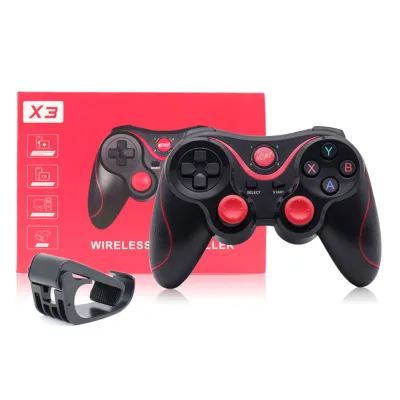


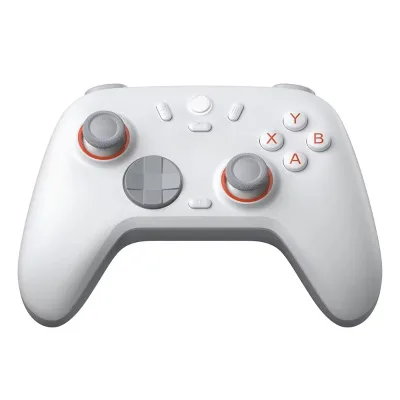
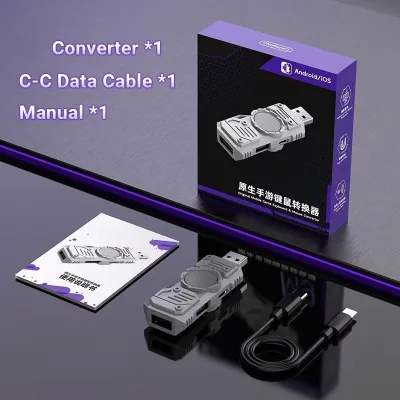
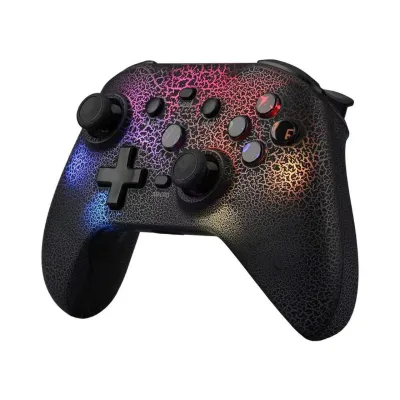
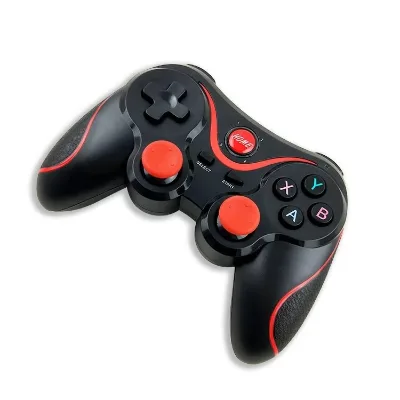
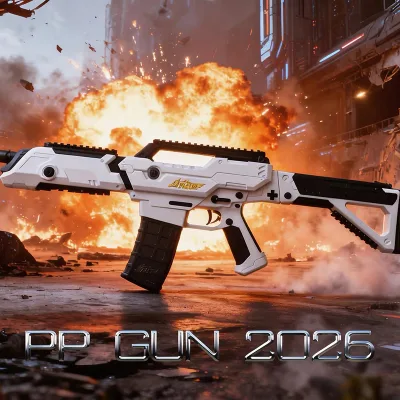
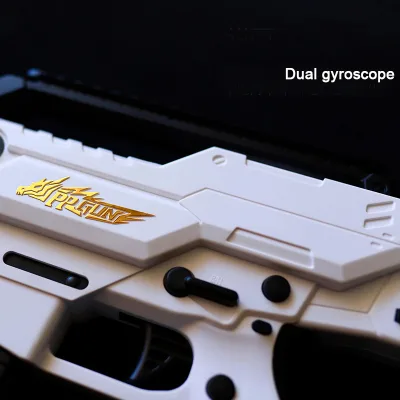
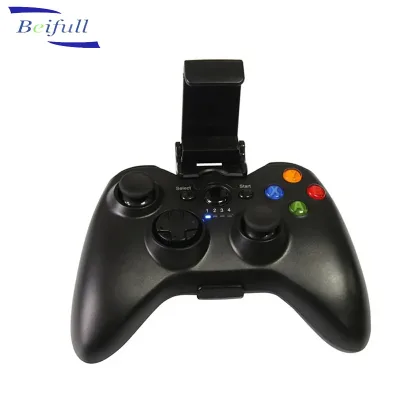
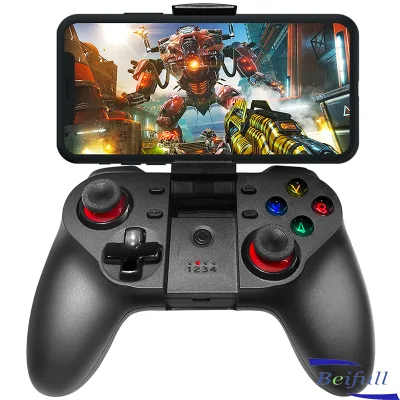
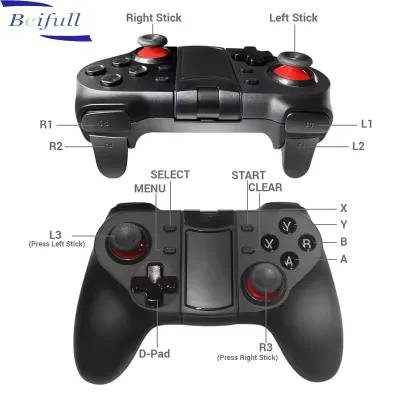


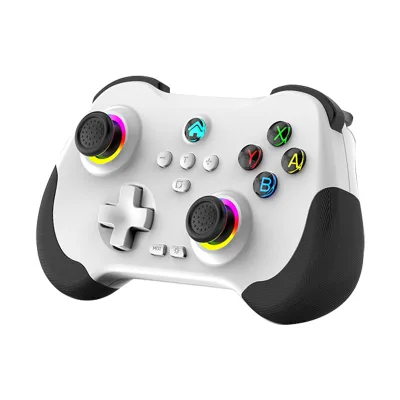
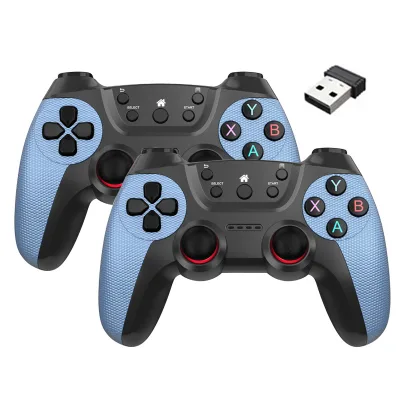
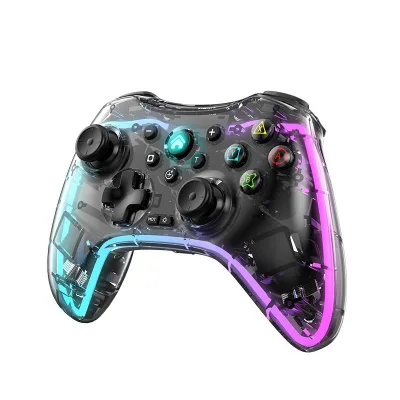
Adjustable Wireless Controller for Nintendo Switch Programmable Game Controller
$8.50 - $11.00
MOQ: 20 pieces


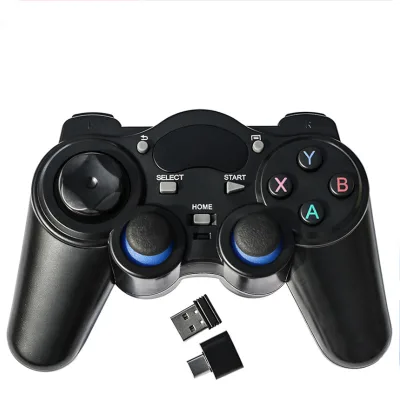
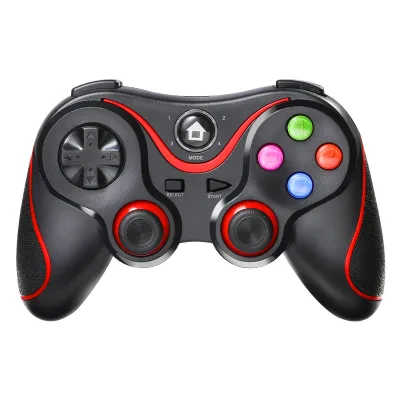
Comprehensive Sourcing Guide
Wireless BT Mobile Game Controller Sourcing Guide
Procuring wireless Bluetooth mobile game controllers requires a strategic approach to balancing connectivity reliability, ergonomic design, and cross-platform compatibility. Buyers must navigate a market where devices range from basic joysticks to advanced gamepads featuring six-axis gyroscopes and vibration motors. The core challenge lies in verifying that the wireless connection remains stable across different operating systems, particularly iOS and Android, while ensuring the hardware supports the latest software updates. This guide provides a structured framework for evaluating suppliers and products based on observed market signals and technical requirements.
Successful sourcing begins with understanding the specific functional needs of your target audience. Whether for casual mobile gaming or competitive play, the controller must offer intuitive controls such as turbo buttons, linear triggers, and motion sensing capabilities. Buyers should prioritize devices that explicitly state support for multiple connection types, including Bluetooth, 2.4GHz wireless, and wired options, to ensure versatility. By focusing on these key attributes, procurement teams can select controllers that deliver a seamless user experience and meet the high expectations of modern mobile gamers.
Product Scope and Observed Listing Signals
The current market for wireless BT mobile game controllers exhibits a diverse range of product types, including joysticks, gamepads, and specialized steering wheels. Observed listings indicate a price range from approximately $3.20 to $359, reflecting variations in build quality, feature sets, and brand positioning. Minimum order quantities typically start at 2 units, with many suppliers offering an MOQ of 10 pieces, which facilitates both small-scale testing and larger bulk purchases. This flexibility allows buyers to assess product quality before committing to significant inventory investments.
Product attributes observed in the market include materials like ABS plastic, with weights ranging from 200g to 250g, ensuring a balance between durability and portability. Colors vary widely, with options including black, white, gray, green, blue, and purple, often allowing for OEM customization. Packaging is commonly provided in color boxes with blister inserts, protecting the device during transit while presenting a professional retail appearance. These physical characteristics are critical for buyers evaluating the tactile experience and visual appeal of the final product.
Technical Specifications to Verify
Connectivity is the most critical technical aspect of any wireless game controller. Buyers must verify that the device supports Bluetooth, 2.4GHz wireless, and potentially wired connections via USB or Type-C. Compatibility should be explicitly confirmed for iOS, Android, PC, and other platforms like PS3 or Smart TV boxes. Devices featuring a six-axis gyroscope and vibration motors offer enhanced immersion, but their performance must be validated to ensure responsiveness and accuracy during gameplay.
Functional features such as turbo buttons, linear triggers, and motion sensing add value but require rigorous testing. Buyers should confirm that the controller supports the latest versions of iOS and Android systems to avoid compatibility issues with new app releases. Additionally, the presence of a game wheel steering function or other specialized inputs should be verified against specific use cases. Ensuring that the single package size and gross weight align with logistical requirements is also essential for efficient shipping and storage.
Compliance and Safety Documentation
While specific certification statuses are not universally listed, buyers must ensure that all controllers meet relevant safety and electromagnetic compatibility standards for their target markets. This includes verifying compliance with FCC, CE, or RoHS regulations, depending on the region of sale. Suppliers should provide test reports or certificates of conformity to demonstrate that the electronic components, particularly the wireless modules, do not interfere with other devices and meet safety thresholds.
Documentation should also cover material safety, especially since controllers are in direct contact with users. Buyers should request information on the ABS material used, ensuring it is free from harmful substances like lead or phthalates. Warranty terms, often listed as one year, should be clearly defined in the supplier agreement, outlining the process for handling defects or malfunctions. Clear communication regarding warranty coverage helps mitigate risks associated with product failures in the field.
Cost Drivers and Commercial Terms
Several factors influence the final cost of wireless BT mobile game controllers, including the complexity of the circuitry, the inclusion of advanced features like gyroscopes, and the quality of the Bluetooth chip. Customization options, such as private molds or OEM branding, can significantly increase unit costs due to setup fees and minimum order requirements. Buyers should negotiate pricing based on volume tiers, leveraging the observed MOQ flexibility to secure better rates for larger orders.
Commercial terms should clearly define payment methods, shipping responsibilities, and lead times. Given the lightweight nature of these products, shipping costs are often calculated based on weight and volume, so accurate packaging dimensions are crucial for budgeting. Buyers should also consider the cost of additional accessories or replacement parts, which may be necessary for long-term support. Transparent pricing structures help avoid hidden costs and ensure accurate profit margin calculations.
Supplier Qualification and Quality Control
Selecting a reliable supplier is paramount for ensuring consistent product quality and timely delivery. Buyers should verify the supplier’s manufacturing capabilities, including their experience with private molds and customization services. Factories located in regions like Guangdong, China, often have established supply chains for electronic components, which can lead to more competitive pricing and faster production times. Due diligence should include reviewing the supplier’s track record and customer feedback.
Quality control measures must be implemented throughout the production process. Buyers should request pre-shipment inspections to verify that the controllers meet specified functional and aesthetic standards. Testing for connectivity stability, button responsiveness, and battery life (if applicable) is essential. Establishing clear quality acceptance criteria in the purchase agreement helps ensure that any deviations from the agreed-upon specifications are addressed before the goods are shipped, reducing the risk of returns or complaints.
Long-Term Procurement Checks
Sourcing wireless game controllers is not a one-time transaction but an ongoing relationship that requires regular evaluation. Buyers should monitor product performance in the market, gathering feedback from end-users to identify any recurring issues with connectivity or durability. This feedback loop is crucial for making informed decisions about future orders and potential product improvements. Maintaining open communication with suppliers allows for collaborative problem-solving and continuous enhancement of the product offering.
As technology evolves, buyers must stay updated on new features and compatibility requirements. This includes keeping pace with updates to iOS and Android systems, which may necessitate firmware updates for the controllers. Regularly reviewing supplier performance metrics, such as on-time delivery rates and defect percentages, helps maintain high standards. By proactively managing these aspects, buyers can ensure a sustainable and profitable procurement strategy for wireless BT mobile game controllers.
FAQs
What connection types are available for wireless BT mobile game controllers?
These controllers support multiple connection methods including Wireless BT, 2.4GHz Wireless, and Wired USB or Type-C options. This flexibility allows users to connect to various devices such as smartphones, tablets, PCs, and smart TV boxes. The dual-mode design ensures stable performance for gaming across different platforms and operating systems like Android and iOS.
Which platforms are compatible with these wireless game controllers?
The controllers are compatible with a wide range of platforms including Android, iOS, PC, PS3, Smart TV, and Tablet PCs. Some models also support Switch and NDS systems. This broad compatibility ensures that users can enjoy gaming on their preferred devices without needing additional adapters or complex setup procedures for each specific platform.
What features do these game controllers offer for enhanced gaming?
Features include a six-axis gyroscope, vibration motor, turbo button, and linear button for precise control. Some models also include a phone holder and motion sensing capabilities. These functions enhance the gaming experience by providing tactile feedback and ergonomic support, making them suitable for various genres of mobile and PC games.
Can I customize the color and packaging of these controllers?
Yes, customization is available for both color and packaging. Buyers can choose from options like black, white, blue, green, or purple. The standard packaging includes a color box with a blister insert, but OEM options are supported. This allows businesses to tailor the product appearance and presentation to match their brand identity or market preferences.
What is the typical MOQ and weight for these controllers?
The minimum order quantity is typically 10 pieces, though some listings show ranges from 2 to 100 units. The single gross weight is approximately 0.200 kg, with individual units weighing between 200g and 250g. This lightweight design makes them easy to ship and handle, while the MOQ supports small to medium bulk orders.
Where are these wireless game controllers manufactured?
These controllers are manufactured in Guangdong, China. The production takes place in facilities that specialize in electronic gaming accessories. This location is known for its robust supply chain and manufacturing capabilities, ensuring consistent quality and efficient production processes for global distribution and export to various international markets.