Portable Protective EVA Carry Bag Suppliers and Manufacturers
Source from 20 verified suppliers offering Portable Protective EVA Carry Bag solutions in China. Compare key dimensions including lead times, MOQs, certifications, and response rates to identify the right partner for your sourcing needs; review the available evidence before requesting comparable quotations from suitable candidates.
Suppliers List

Dongguan Prosperity Sports Goods Co., Ltd.
- Verified by SGS
- Trading Company,Manufacturer/Factory
- China Guangdong
- Lead time23 days
- Avg. response≤ 4h
Main productsEVA Case, EVA Tool Bag, EVA Pouch, Neoprene Can Cooler, Knee Support, Laptop Bag, Neoprene Lunch Bag, Neoprene Beer Cooler, Ankle Support, Waterproof Dry Bag
Main marketsSouth America,Eastern Europe,Mid East,North America,Southeast Asia,Eastern Asia,Oceania,Western Europe,Africa


Customized Shockproof Bag Portable Protective Storage Hard EVA Carry Tool Case Box
$2.00 - $3.50
MOQ: 500 Pieces

Custom Carrying Portable EVA Case, EVA Tool Case, EVA Bag with Foam Cut
$1.50 - $3.50
MOQ: 1000 Pieces


- Verified by BV
- Trading Company
- China Zhejiang
- Lead time30 days
- Avg. response≤ 5h
Main productsOEM/ODM Hard Plastic Tool Cases, OEM/ODM Aluminum Cases, OEM/ODM Bags
Main marketsSouth America,Southeast Asia/ Mideast,Europe,North America


Waterproof Portable Anti-Odor Bag Travel Odor Isolation Tool Storage Bag
$4.95 - $6.45
MOQ: 1000 Pieces

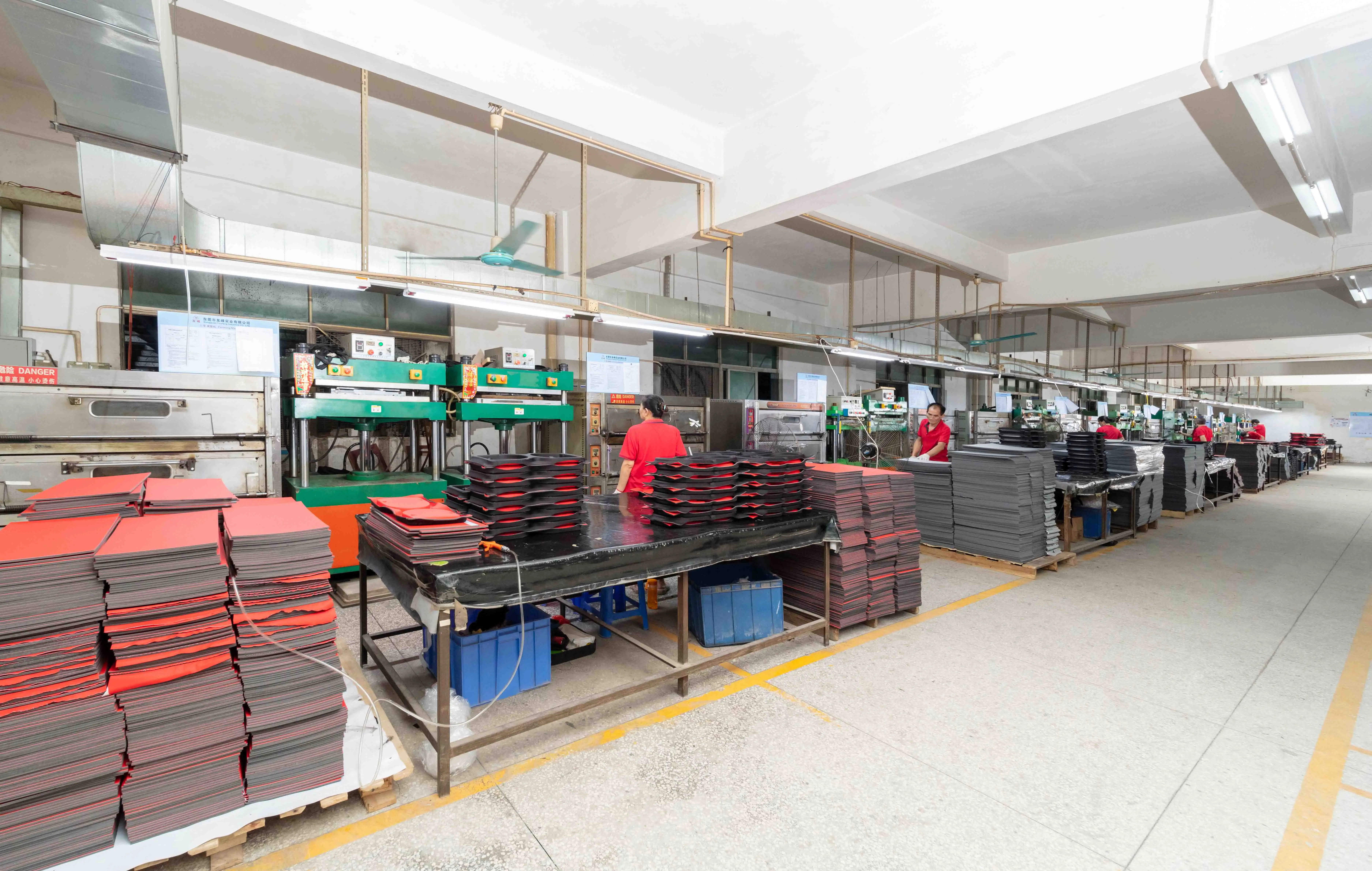
Dongguan Gufeng Industrial Co., Ltd.
- Manufacturer
- Guangdong, China
- Lead time0 days
- Avg. response≤ 2h
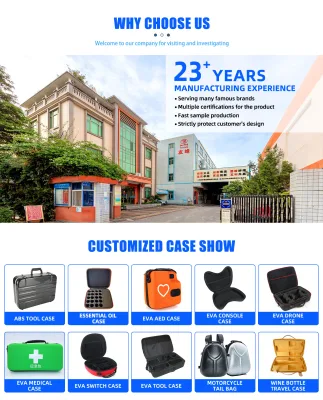
Main productseva case,carry case,medical case,abs case,motorcycle bag
Main marketsNorth America(30.00%), Domestic Market(15.00%), Northern Europe(10.00%), Western Europe(10.00%), Southeast Asia(10.00%), Eastern Europe(10.00%), South America(5.00%), South Asia(5.00%), Southern Europe(5.00%)
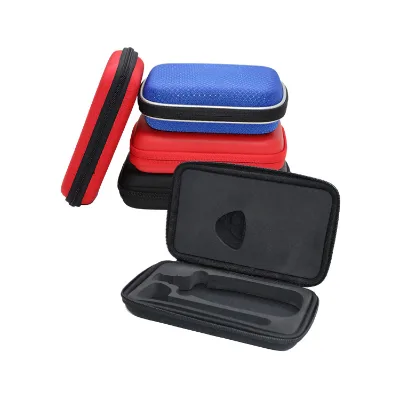
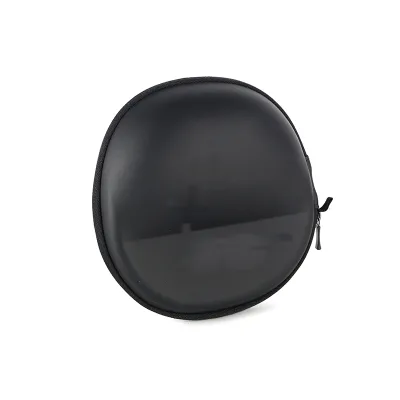
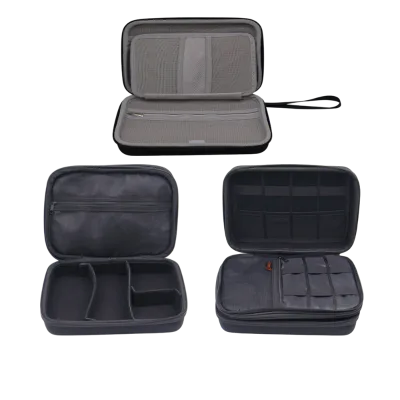
Small Customized Handheld EVA Bag Molded Zipper Case Light Weight High Durable Carry Bag
$0.59 - $1.19
MOQ: 500 sets

Wenzhou Boshi Safety Products Co., Ltd.
- Verified by CTI
- Combined
- China Zhejiang
- Lead time23 days
- Avg. response≤ 1h
Main productsSafety Lockout, Safety Padlock, Lockout Tagout, Lockout Hasp, Lockout Kit, Valve Lockout, Circuit Breaker Lockout, Loto Lockout, Plug Lockout, Lockout Station &Box
Main marketsSouth America,Domestic,North America
Ningbo Hongnian Packaging Co., Ltd.
- Trading Company
- Zhejiang, China
- Lead time0 days
- Avg. response≤ 3h
Main productsTool Case,Storage Case,Medical Case,Custom EVA Case,Carry Case
Main marketsCentral America(30.00%), South America(23.00%), North America(19.00%), Eastern Europe(10.00%), Northern Europe(9.00%), Southern Europe(6.00%), Western Europe(3.00%)
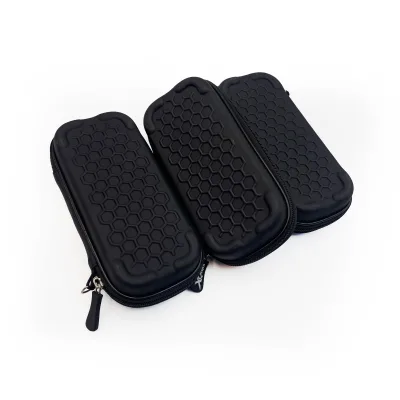
Customized Portable Zipper EVA Bag & Case HongNian Outdoor Travel Tool Carrying Case
$1.02 - $1.54
MOQ: 10 bags

- Verified by SGS
- Trading Company
- China Zhejiang
- Lead time23 days
- Avg. response≤ 3h
Main productsBaseball Cap, Hat, Handbag, Duffle Bag, UV Hat, Sport Cap, Sport Hat, Travel Bag, Cosmetic Bag, Storage Bag
Main marketsSouth America


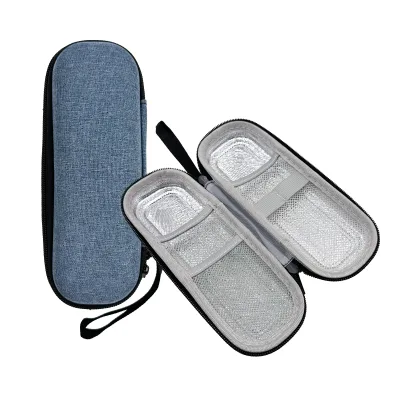
Simple and Large Capacity Portable Portable Portable Portable Storage Bag
$1.19 - $1.39
MOQ: 500 Pieces


Dry and Wet Separation Hand-Held Portable Large-Capacity Waterproof Storage Bag
$2.29 - $2.49
MOQ: 500 Pieces
- Verified by SGS Group
- Manufacturer, Trading Company
- Lead time30 days
- Avg. response≤ 2h
Main productsDry Backpack, Cooler Bag, Hiking Backpack, Tactical Bag, Waterproof Duffel Bag
Main marketsWestern Europe(45%), North America(25%), Northern Europe(15%)
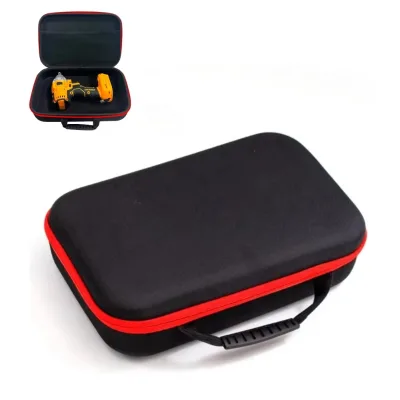
Waterproof Eva Hard Shell Tool Case Padding Storage Bag Eva Zipper Carry Protective Eva Tool Box
$3.07 - $5.12
MOQ: 300 pieces
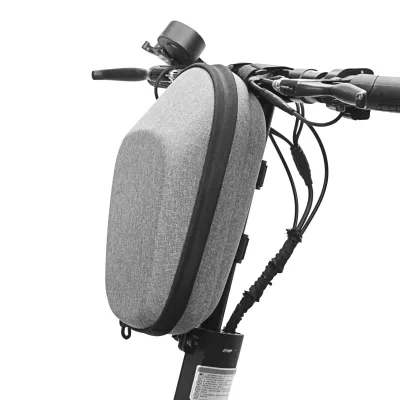
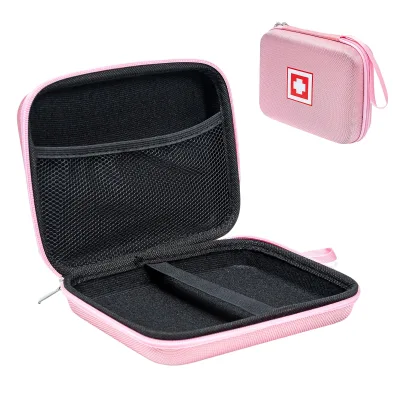

Dongguan Lianping Luggage Products Co., Ltd.
- Verified by BV
- Combined
- China Guangdong
- Lead time23 days
- Avg. response≤ 6h
Main productsEVA Case, EVA Pencil Case, EVA Earphone Case, EVA Headphone Case, EVA Power Bank Case, EVA Tool Storage Case, EVA Camera Case, EVA Electronic Storage Case, EVA Tablet Storage Case, EVA Bra Storage Case
Main marketsSouth America,Africa,Southeast Asia/ Mideast,East Asia(Japan/ South Korea),Europe,Australia,North America


Custom Portable Protective Shockproof Travel Carrying Hard EVA Tool Case
$1.70 - $2.50
MOQ: 500 Pieces


Protective Portable Travel EVA Bag for Earphone and USB Cables with Carabiner
$0.82 - $0.99
MOQ: 1000 Pieces

Customized Black Hard Shell Waterproof Portable Protective Caso EVA Cap Carrier Bag Hat Case Bag
$3.52 - $4.25
MOQ: 300 Pieces

Shenzhen Baoliyuan Bags Co., Ltd.
- Manufacturer
- Guangdong, China
- Lead time30 days
- Avg. response≤ 6h
Main productsEva Game Case,Headphone Bags,Carrying Bag,Storage Bag,Cosmetic Bag
Main marketsEastern Asia(30.00%), North America(25.00%), Western Europe(15.00%), Domestic Market(10.00%), Mid East(10.00%), Oceania(10.00%)
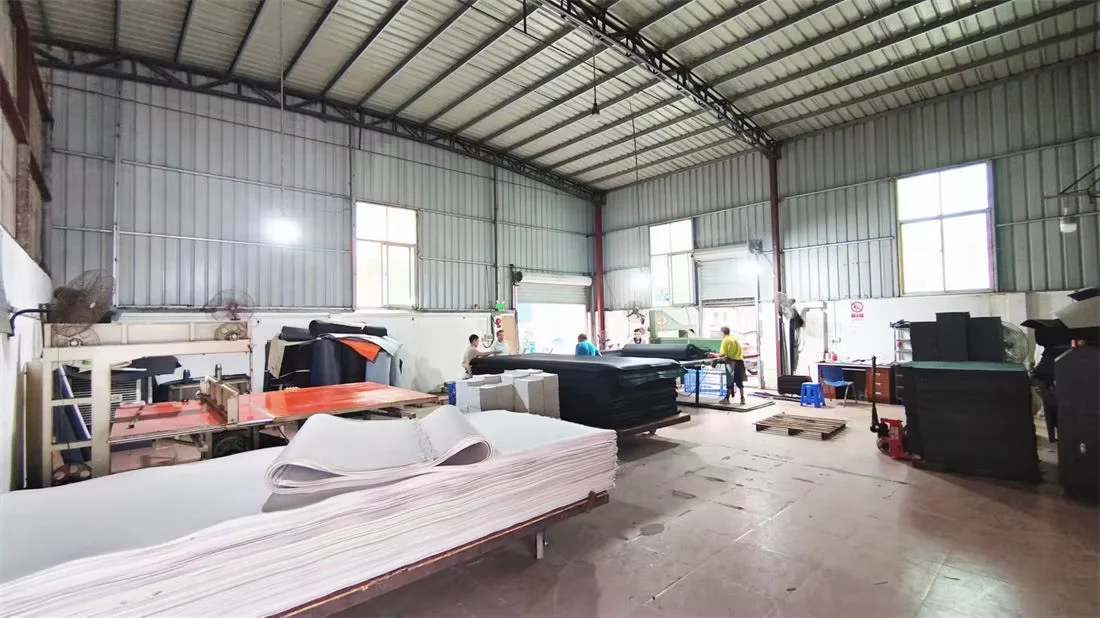
Dongguan Yirui Packaging Products Co., Ltd.
- Manufacturer
- Guangdong, China
- Lead time25 days
- Avg. response≤ 4h
Main productsEVA Case,PU Case,Custom Case,Tool Case,Handbag
Main marketsNorth America(40.00%), Eastern Europe(20.00%), Western Europe(20.00%), Northern Europe(10.00%), South America(10.00%)

Zhejiang Ori-Power Medtech Co., Ltd.
- Verified by SGS
- Combined
- China Zhejiang
- Lead time30 days
- Avg. response≤ 19h
Main productsFirst Aid Kit, Elastic Bandage, Adhesive Plaster, Gauze Pad, Non Woven Pad, Emergency Blanket, Wound Dressings, Emergency Kit
Main marketsDomestic

Danyang Sunmed Healthcare Co., Ltd.
- Verified by TUVRHEINLAND
- Manufacturer/Factory
- China Jiangsu
- Lead time45 days
- Avg. response≤ 10h
Main productsFirst Aid Kit, Support, Woundcare
Main marketsSouth America,Eastern Europe,North America,Western Europe
Dongguan Brilliant Packaging Co., Ltd.
- Manufacturer, Trading Company
- Lead time旺季: "1 - 1000":31,"1001 - 10000":35,"> 10000":"To be negotiated", 淡季: "1 - 1000":31,"1001 - 10000":35,"> 10000":"To be negotiated"
- Avg. response≤ 4h
Main productsEVA Case, ABS Case

Quanzhou Lingyuan Bags Co., Ltd.
- Verified by SGS
- Combined
- China Fujian
- Lead time45 days
- Avg. response≤ 3h
Main productsSchool Bag, Sports Bag, Trolley Bag, Promotional Bag, Ladies Bag, Backpack, Hiking Backpack, Ski Bag, Hockey Bag, Bike Bag
Main marketsEurope,North America


Dry Bag Backpack Waterproof Floating 20L/30L/40L, Dry Bags Waterproof Backpack
$15.80 - $17.50
MOQ: 500 Pieces

Dongguan North Stars Technology Co., LTD
- Verified by Intertek
- Manufacturer, Trading Company
- Lead time0 days
- Avg. response≤ 3h
Main productsEVA Case, ABS Case
Main marketsEastern Asia(40%), North America(35%), Western Europe(15%)

- Verified by TUVRHEINLAND
- Trading Company
- China Jiangsu
- Lead time30 days
- Avg. response≤ 4h
Main productsHat and Cap, Bandana, Wristband, Bag, Socks, Christmas Items, Knit Hat, Sweatband, Tool Bag, Knitted Hat
Main marketsEurope,North America

Fuzhou ADF International CO., LTD.
- Verified by BV
- Trading Company,Manufacturer/Factory
- China Fujian
- Lead time45 days
- Avg. response≤ 5h
Main productsBags, Suitcase, Backpack, Travel Bags, School Bags, Storage Ottoman, Luggage, Cooler Bag, Household Products
Main marketsSouth America,Eastern Europe,Mid East,North America,Southeast Asia,Eastern Asia,Oceania,Western Europe,Africa

Jining Mingchuang International Co., Ltd.
- Manufacturer/Factory,Group Corporation
- China Shandong
- Lead time15 days
- Avg. response≤ 21h
Main productsPVC Film, Transparent Film, LLDPE Stretch Film, PVC Tarpaulin and Canvas, PE Shrink Film, PVC Sheet, HDPE Liner, PVC Tapes, Packaging Film, PVC Products
Main marketsSouth America,Eastern Europe,Mid East,North America,Southeast Asia,Eastern Asia,Oceania,Western Europe

Shanghai HAOUGER Electronic Technology Co., Ltd.
- Trading Company
- China Shanghai
- Lead time15 days
- Avg. response≤ 1h
Main productsConductive Film
Main marketsSoutheast Asia/ Mideast,East Asia(Japan/ South Korea),Domestic

- Verified by TUVRHEINLAND
- Trading Company
- China Zhejiang
- Lead time15 days
- Avg. response≤ 4h
Main productsLanyard, Promotional Gift, Baseball Cap, Bags, T-Shirt, Ceramic Mug, Sport Water Bottle, PU Toys
Main marketsEurope,Australia,North America

15L Dry Bag, Waterproof Dry Bag, Travel Dry Bag, Customized Dry Bag, Promotional PVC Tarpaulin Bag
$2.40 - $2.80
MOQ: 500 Pieces

10L Dry Bag, Waterproof Dry Bag, PVC Dry Bag, Sports Dry Bag, Outdoor PVC Tarpaulin Bag
$1.40 - $1.80
MOQ: 500 Pieces


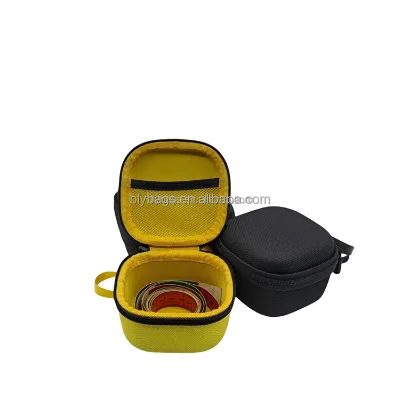
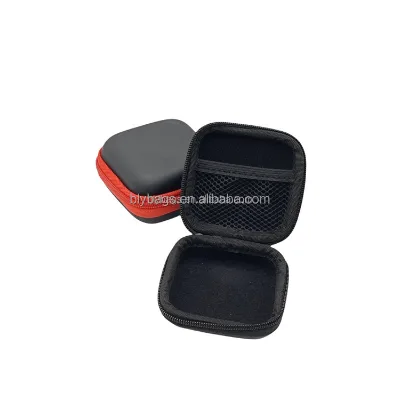
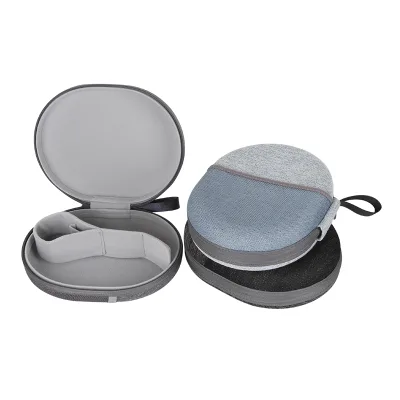


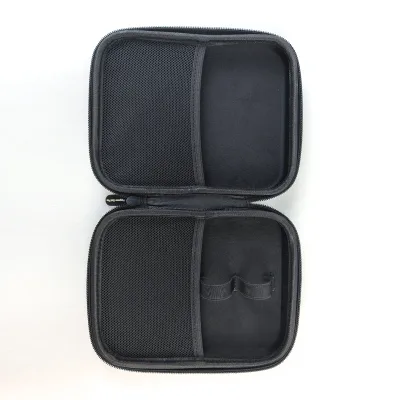


Comprehensive Sourcing Guide
Portable Protective EVA Carry Bag Supplier Concentration and Factory Types
The current supplier landscape for portable protective EVA carry bags reveals a distinct geographic and structural composition that buyers must navigate carefully. Evidence indicates that manufacturing and trading entities are concentrated in specific Chinese provinces, with Guangdong and Zhejiang emerging as primary hubs for this category. In Guangdong, suppliers operate as both trading companies and manufacturer/factories, suggesting a mixed ecosystem where direct production capabilities may coexist with sourcing intermediaries. This dual nature requires buyers to look beyond the company type label to understand the actual supply chain dynamics. The presence of SGS verification in this region adds a layer of credibility to the operational claims, though it does not automatically confirm in-house manufacturing for every listed entity. Buyers should recognize that a "Trading Company" label in Guangdong might still have access to robust factory networks, but the value proposition differs from a direct factory source. Understanding this concentration helps in predicting lead times and communication styles, as Guangdong suppliers often have established logistics channels for international shipping.
In contrast, suppliers located in Zhejiang present a different profile, predominantly identified as trading companies rather than direct manufacturers. This region’s focus on OEM and ODM hard plastic tool cases, aluminum cases, and bags indicates a specialization in versatile storage solutions rather than just soft EVA goods. The verification status here includes BV certification, which serves as a distinct quality assurance marker compared to the SGS findings in other regions. This divergence in verification bodies suggests that buyers should not assume uniform quality standards across all geographic clusters. The Zhejiang suppliers’ emphasis on aluminum and hard plastic alternatives also implies that they may offer complementary products or hybrid designs that blend EVA with other durable materials. Recognizing these regional differences allows buyers to tailor their sourcing strategy, perhaps seeking Guangdong for pure EVA specialization and Zhejiang for broader protective case solutions. The concentration of these specific factory types in these provinces provides a reliable framework for initial supplier filtering and geographic prioritization.
How to Verify Portable Protective EVA Carry Bag Suppliers
Verification is the critical first step in mitigating risk when sourcing portable protective EVA carry bags, as the market contains a mix of genuine manufacturers and trading entities. Buyers must prioritize suppliers who display third-party verification badges, such as SGS or BV, as these indicate that an independent agency has audited the company’s business legitimacy and operational capabilities. The presence of SGS verification in Guangdong-based results suggests a baseline of trustworthiness, while BV verification in Zhejiang offers a parallel assurance mechanism. However, verification alone is not a guarantee of product quality or manufacturing capacity; it primarily confirms that the business exists and operates within legal frameworks. Buyers should use these verification statuses as a starting point for deeper due diligence, rather than as a final seal of approval. It is essential to cross-reference these badges with other data points, such as response times and lead times, to build a comprehensive picture of the supplier’s reliability.
Beyond verification badges, buyers should scrutinize the specific certifications and system standards claimed by the suppliers. In the Guangdong cluster, evidence shows a range of system certifications including BSCI, ISO 14001, ISO 9001, SEDEX, QC 080000, and ISO 14064. These certifications cover social compliance, environmental management, quality management, and hazardous substances control, providing a multi-dimensional view of the supplier’s operational maturity. A supplier holding multiple certifications is likely more disciplined in their production processes, which can translate to better consistency in EVA bag quality. Buyers should request copies of these certificates and verify their validity through the issuing bodies. Additionally, the ability to provide OEM and ODM capabilities, as noted in the product evidence, should be validated through direct communication. Asking for detailed process flows or factory layout diagrams can help distinguish between a true manufacturer and a trading company that merely facilitates production. This rigorous verification process ensures that the chosen partner can meet specific quality and compliance requirements.
What to Compare Across Portable Protective EVA Carry Bag Suppliers
When evaluating multiple suppliers for portable protective EVA carry bags, buyers must systematically compare key operational metrics to identify the most suitable partner. Lead time is a critical differentiator, with evidence showing variations such as 23 days in Guangdong and 30 days in Zhejiang. These differences can significantly impact inventory planning and time-to-market, especially for seasonal products or urgent restocking needs. Buyers should not view lead times in isolation but rather in conjunction with the supplier’s response time, which indicates their communication efficiency. For instance, a supplier with a 3.13 response time in Guangdong may offer faster problem resolution than one with a 4.51 response time, even if their lead times are comparable. Comparing these two metrics together provides a clearer picture of the supplier’s overall responsiveness and reliability. Buyers should also consider the impact of customization requests on lead times, as OEM and ODM orders often require additional production steps that can extend the timeline.
Another vital aspect of comparison is the Minimum Order Quantity (MOQ) and pricing structure, which directly affect the financial viability of the order. Evidence indicates MOQs ranging from 500 units for certain EVA cases to 1000 units for others, reflecting the supplier’s production scale and flexibility. Buyers with smaller initial orders may need to prioritize suppliers with lower MOQs, even if their unit prices are slightly higher. Pricing data shows ranges such as $1.00 to $3.00 for one product model and $3.20 to $3.85 for another, highlighting the importance of comparing apples-to-apples based on specifications. Buyers should ensure that they are comparing products with similar features, such as waterproofing, shockproofing, and material composition, to avoid misleading price differences. Additionally, the bearing capacity and hardness of the EVA cases, which vary from partial hard to medium soft, should be matched against the intended use case. By systematically comparing lead times, response speeds, MOQs, and detailed product specifications, buyers can make informed decisions that balance cost, speed, and quality requirements.
Common Portable Protective EVA Carry Bag Sourcing Risks
Sourcing portable protective EVA carry bags involves several inherent risks that buyers must proactively manage to ensure a successful procurement process. One significant risk is the discrepancy between claimed product specifications and the actual delivered goods, particularly regarding material quality and functional attributes. Evidence shows variations in features such as waterproofing, with some products labeled as waterproof while others are explicitly noted as not waterproof. Buyers must carefully review product attributes to avoid receiving non-waterproof bags for applications that require moisture protection. Similarly, the hardness of the EVA material, ranging from partial hard to medium soft, must align with the protection needs of the items being stored. Misalignment in these specifications can lead to product damage and customer dissatisfaction. Buyers should request physical samples or detailed technical datasheets to verify these attributes before committing to large orders, ensuring that the product’s functional capabilities match the stated claims.
Another common risk is the reliability of the supply chain, which can be affected by factors such as production delays, quality control failures, or communication breakdowns. The variation in lead times and response times among suppliers highlights the potential for logistical inconsistencies. A supplier with a longer lead time may struggle to meet urgent deadlines, while a slow response time can hinder effective problem-solving during production. Additionally, the distinction between trading companies and manufacturers can introduce risks related to transparency and control over the production process. Trading companies may have less direct oversight of quality control measures, potentially leading to inconsistencies in the final product. Buyers should mitigate these risks by establishing clear communication protocols, setting realistic expectations for lead times, and implementing strict quality inspection procedures. Regular follow-ups and milestone checks during production can help identify and address issues early, reducing the likelihood of costly delays or defective shipments. By anticipating these risks and implementing robust mitigation strategies, buyers can safeguard their procurement operations.
Portable Protective EVA Carry Bag Regional Sourcing and Logistics
The geographic location of suppliers plays a crucial role in determining logistics efficiency and cost structures for portable protective EVA carry bags. Suppliers in Guangdong and Zhejiang, both located in China, offer distinct logistical advantages based on their proximity to major ports and manufacturing infrastructure. Guangdong’s status as a major manufacturing hub often results in well-established export channels and competitive freight rates, which can benefit buyers seeking efficient shipping solutions. The presence of SGS-verified suppliers in this region suggests a mature ecosystem that supports international trade compliance and documentation. Buyers should leverage this infrastructure to streamline their logistics planning, taking advantage of the region’s expertise in handling bulk shipments of EVA products. However, the specific location within the province can also impact inland transportation costs, so buyers should consider the supplier’s exact address when calculating total landed costs.
In contrast, suppliers in Zhejiang, while also in China, may have different logistical dynamics due to their regional focus on hard plastic and aluminum cases. The presence of BV-verified trading companies in this region indicates a strong network for sourcing diverse materials and coordinating complex orders. Buyers should evaluate the logistical capabilities of Zhejiang suppliers in the context of their specific product requirements, such as the need for hybrid materials or specialized packaging. The evidence shows that products are packed in polybags, PE bags, or master cartons, which can affect shipping volume and weight. Buyers should work with suppliers to optimize packaging strategies to reduce freight costs and minimize environmental impact. Additionally, understanding the regional strengths of each location can help buyers diversify their supply base, reducing dependency on a single geographic area. By aligning their sourcing strategy with the logistical strengths of Guangdong and Zhejiang, buyers can enhance their supply chain resilience and cost efficiency.
Portable Protective EVA Carry Bag Commercial Terms and Order Planning
Effective order planning for portable protective EVA carry bags requires a thorough understanding of commercial terms, including pricing, payment conditions, and customization options. The evidence shows a wide range of prices, from $1.00 to $4.50 per unit, depending on the product model and specifications. Buyers must carefully analyze these price ranges in the context of the product’s features, such as waterproofing, shockproofing, and material quality, to ensure they are getting fair value. It is also essential to clarify whether the quoted prices include packaging, labeling, and other customization services, as these can significantly impact the final cost. Suppliers offering OEM and ODM services may charge additional fees for design and tooling, which should be factored into the overall budget. Buyers should request detailed quotations that break down all costs to avoid hidden charges and ensure transparency in the pricing structure.
Customization is a key aspect of sourcing EVA carry bags, with evidence indicating that customization is available for many products. Buyers should define their customization requirements clearly, including logo printing, color, size, and internal foam configuration, to ensure that the supplier can meet their specific needs. The evidence shows options for screen printing, embossing, and PVC stickers, which offer various branding opportunities. Buyers should also consider the impact of customization on lead times and MOQs, as custom orders often require longer production cycles and higher minimum quantities. Establishing clear communication with the supplier regarding customization details and timelines is crucial to avoid misunderstandings and delays. Additionally, buyers should negotiate favorable payment terms, such as partial upfront payments and balance upon shipment, to manage cash flow and mitigate financial risk. By carefully planning commercial terms and customization details, buyers can secure a reliable supply of high-quality EVA carry bags that meet their business objectives.
FAQs
What is the price range for portable protective EVA carry bags?
Portable protective EVA carry bags typically range from $1.00 to $4.50 per unit. Prices vary based on customization, material thickness, and order volume. Buyers should expect minimum order quantities starting at 500 pieces. Higher prices often reflect added features like custom foam inserts or specialized printing options.
What certifications do these suppliers hold?
Suppliers offering these bags often hold ISO 9001, ISO 14001, BSCI, SEDEX, and QC 080000 certifications. These credentials verify quality management and ethical manufacturing standards. Buyers can verify these through SGS or BV audits. Always request current certificates to ensure compliance with international trade requirements.
What is the typical lead time for production?
Production lead times generally range from 23 to 30 days. This duration depends on order size and customization complexity. Suppliers in Guangdong and Zhejiang regions offer these timelines. Buyers should confirm exact schedules during negotiation to align with shipping and delivery deadlines.
Are OEM and ODM services available?
Yes, most suppliers provide both OEM and ODM services. Buyers can customize designs, logos, and internal foam structures. Customization options include screen printing, embossing, and PVC stickers. Minimum order quantities for custom items usually start at 500 to 1000 pieces.
What are the main product features of these bags?
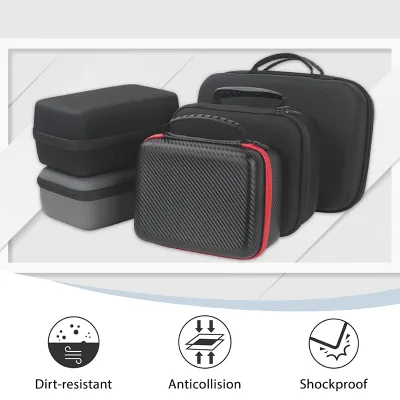
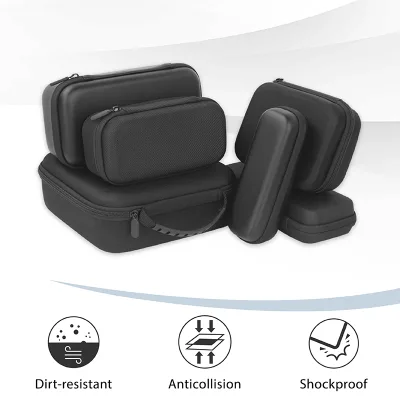
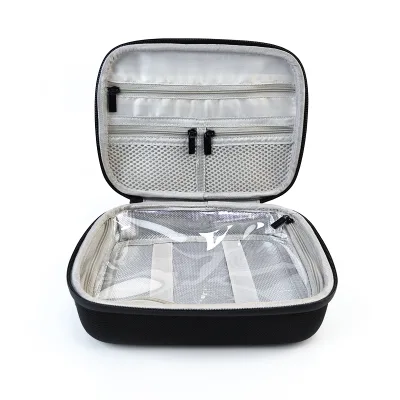
These bags are waterproof, shockproof, and designed for hand-held use. They feature partial hardness and medium capacity, suitable for tools or electronics. Materials include EVA and nylon fabric. Some models offer external pockets and customizable foam inserts for specific equipment protection.